David Alff - Böcker
Visar alla böcker från författaren David Alff. Handla med fri frakt och snabb leverans.
5 produkter
5 produkter
252 kr
Skickas inom 7-10 vardagar
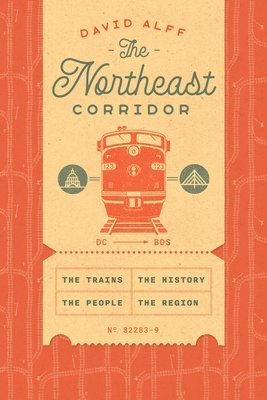
All aboard for the first comprehensive history of the hard-working and wildly influential Northeast Corridor. Traversed by thousands of trains and millions of riders, the Northeast Corridor might be America’s most famous railway, but its influence goes far beyond the right-of-way. David Alff welcomes readers aboard to see how nineteenth-century train tracks did more than connect Boston to Washington, DC. They transformed hundreds of miles of Atlantic shoreline into a political capital, a global financial hub, and home to fifty million people. The Northeast Corridor reveals how freight trains, commuter rail, and Amtrak influenced—and in turn were shaped by—centuries of American industrial expansion, metropolitan growth, downtown decline, and revitalization. Paying as much attention to Canton, Trenton, New Rochelle, and Providence as to New York City, Philadelphia, and Baltimore, Alff provides narrative thrills for history buffs, train enthusiasts, and adventurers alike. What’s more, he offers a glimpse into the future of the corridor. New infrastructural plans—supported by President Joe Biden, famously Amtrak’s biggest fan—envision ever-faster trains zipping along technologically advanced rails. Yet those tracks will literally sit atop a history that links the life of Frederick Douglass, who fled to freedom by boarding a train in Baltimore, to the Frederick Douglass Tunnel, which is expected to be the newest link in the corridor by 2032. Trains have long made the places that make America, and they still do.
245 kr
Kommande
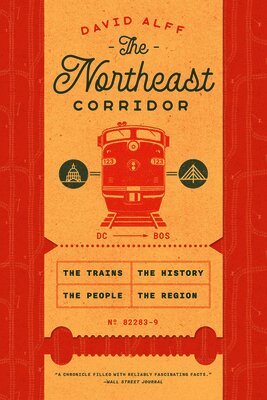
All aboard for the first comprehensive history of the hard-working and wildly influential Northeast Corridor. Traversed by thousands of trains and millions of riders, the Northeast Corridor might be America’s most famous railway, but its influence goes far beyond the right-of-way. David Alff welcomes readers aboard to see how nineteenth-century train tracks did more than connect Boston to Washington, DC. They transformed hundreds of miles of Atlantic shoreline into a political capital, a global financial hub, and home to fifty million people. The Northeast Corridor reveals how freight trains, commuter rail, and Amtrak influenced—and in turn were shaped by—centuries of American industrial expansion, metropolitan growth, downtown decline, and revitalization. Paying as much attention to Canton, Trenton, New Rochelle, and Providence as to New York City, Philadelphia, and Baltimore, Alff provides narrative thrills for history buffs, train enthusiasts, and adventurers alike. What’s more, he offers a glimpse into the future of the corridor. New infrastructural plans—supported by President Joe Biden, famously Amtrak’s biggest fan—envision ever-faster trains zipping along technologically advanced rails. Yet those tracks will literally sit atop a history that links the life of Frederick Douglass, who fled to freedom by boarding a train in Baltimore, to the Frederick Douglass Tunnel, which is expected to be the newest link in the corridor by 2032. Trains have long made the places that make America, and they still do.
931 kr
Skickas inom 10-15 vardagar
The seventeenth and eighteenth centuries in Britain saw the proposal of so many endeavors called "projects"-a catchphrase for the daring, sometimes dangerous practice of shaping the future-that Daniel Defoe dubbed his era a "Projecting Age." These ideas spanned a wide variety of scientific, technological, and intellectual interventions intended for the betterment of England. But for all the fanfare surrounding them, few such schemes actually materialized, leaving scores of defunct visions, from Defoe's own attempt to farm cats for perfume, to Mary Astell's proposal to charter a college for women, to countless ventures for improving land, streamlining government, and inventing new consumer goods. Taken together, these failed plans form a compelling alternative history of a Britain that might have been.The Wreckage of Intentions offers a comprehensive and critical account of projects, exploring the historical memory surrounding these concrete yet incomplete efforts to advance British society during a period defined by revolutions in finance and agriculture, the rise of experimental science, and the establishment of constitutional monarchy. Using methods of literary analysis, David Alff shows how projects began as written proposals, circulated as print objects, spurred physical undertakings, and provoked responses in the realms of poetry, fiction, and drama. Mapping this process discloses the ways in which eighteenth-century authors applied their faculties of imagination to achieve finite goals and, in so doing, devised new ways of seeing the world through its future potential. Approaching old projects through the language, landscapes, data, and personas they left behind, Alff contends this vision was, and remains, vital to the functions of statecraft, commerce, science, religion, and literature.
Histories of Science
Natural Philosophy in the Eighteenth-Century Atlantic World
Inbunden, Engelska, 2025
1 484 kr
Skickas inom 10-15 vardagar
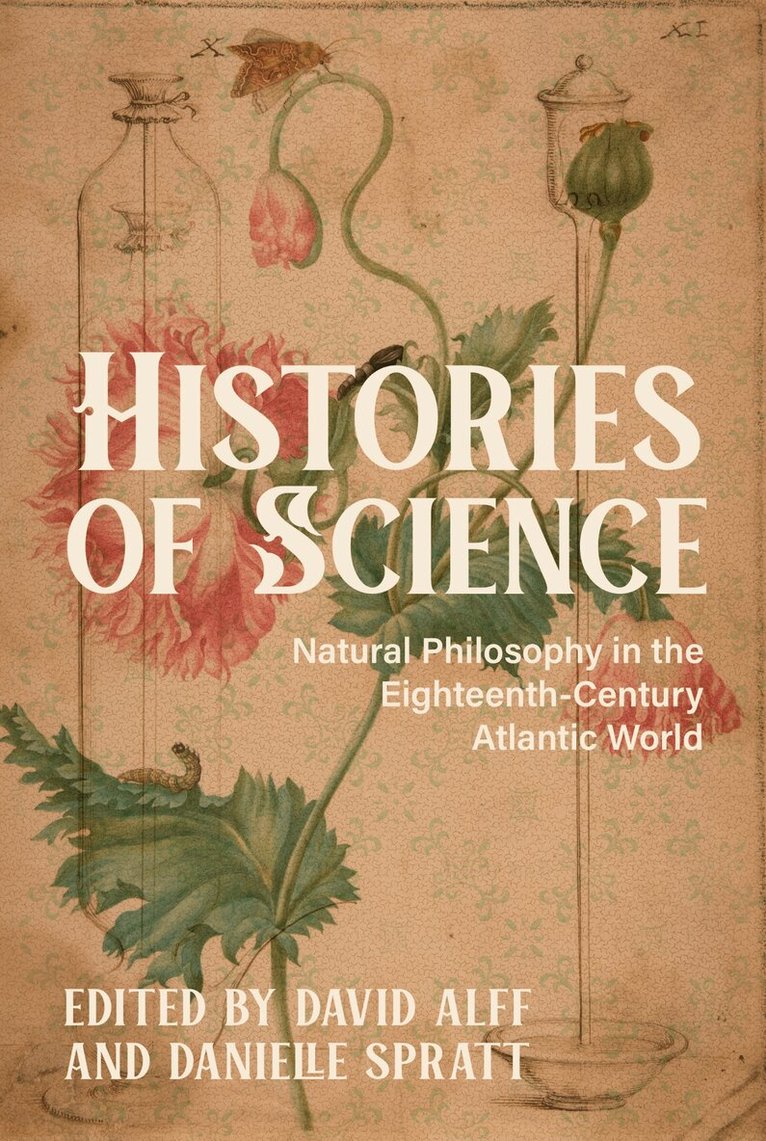
Spreading the news of scientific breakthroughs in the eighteenth centuryHistories of Science shows how different forms of media communicated scientific breakthroughs during the long eighteenth century, bringing together eighteen humanities scholars to discuss the representation, reception, and application of natural philosophy in the Atlantic world. In particular, the authors focus on descriptions of scientific discoveries in popular print, with essays on topics as varied as placebo pills, irrigation systems, and navigational technology. And while each contributor advances a discrete argument, the collection coheres in its shared questions of methodology, historicity, and ethics. Histories of Science expands our record of the past, our understanding of the present, and our ability to imagine the future.
Histories of Science
Natural Philosophy in the Eighteenth-Century Atlantic World
Häftad, Engelska, 2025
469 kr
Skickas inom 10-15 vardagar
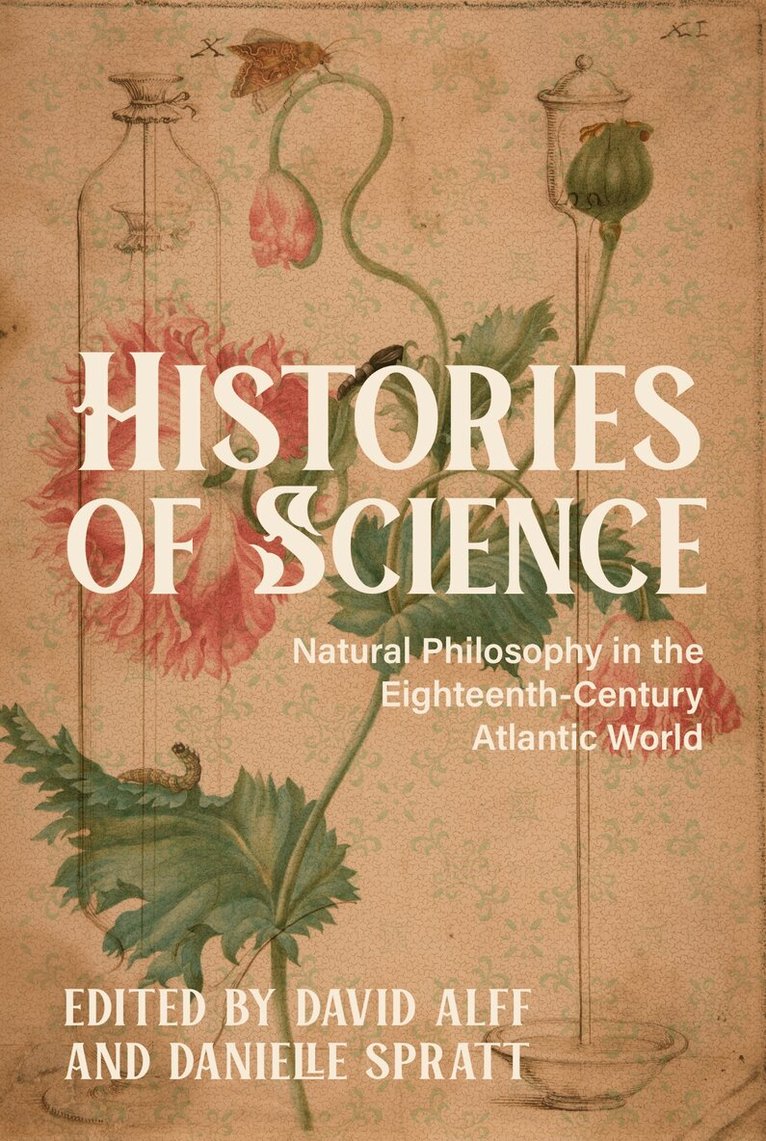
Spreading the news of scientific breakthroughs in the eighteenth centuryHistories of Science shows how different forms of media communicated scientific breakthroughs during the long eighteenth century, bringing together eighteen humanities scholars to discuss the representation, reception, and application of natural philosophy in the Atlantic world. In particular, the authors focus on descriptions of scientific discoveries in popular print, with essays on topics as varied as placebo pills, irrigation systems, and navigational technology. And while each contributor advances a discrete argument, the collection coheres in its shared questions of methodology, historicity, and ethics. Histories of Science expands our record of the past, our understanding of the present, and our ability to imagine the future.