David Curtis Skaggs – författare
Visar alla böcker från författaren David Curtis Skaggs. Handla med fri frakt och snabb leverans.
5 produkter
5 produkter
Inbunden, Engelska, 1991
1 320 kr
Skickas inom 10-15 vardagar
This translation of Johann Ewald's classic essay, Abhandlung Uber den kleinen Krieg, published in 1785, describes light infantry tactics in an era of heavy infantry formations. Robert Selig and David Skaggs comment on Ewald's treatise on partisan warfare and its relevance to current military doctrine. They also provide extensive scholarly notations with the text, explaining people, places, and events during the Seven Years' War and the American Revolution, where Ewald had extensive experience as a company commander in the Hessian Field Jaeger Corps. This first English translation should be of real interest to historians of American Revolution and pre-Napoleonic warfare and of special use to military professionals today in the Army and Marine Corps.Captain Ewald, eventually a Major General in the Danish Army, describes the recruiting and training of light infantry troops, and discusses their use both in the Seven Years' War and the American Revolution at length. He provides illuminating insights into light infantry tactics and doctrine.
Inbunden, Engelska, 1973
722 kr
Skickas inom 10-15 vardagar
E-bok
Engelska, 2012437 kr
Läs direkt efter köp
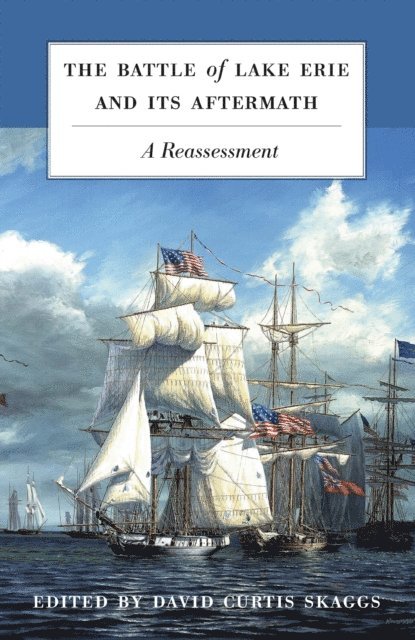
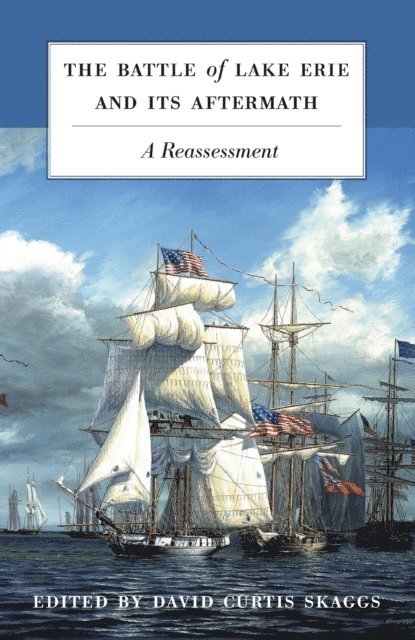
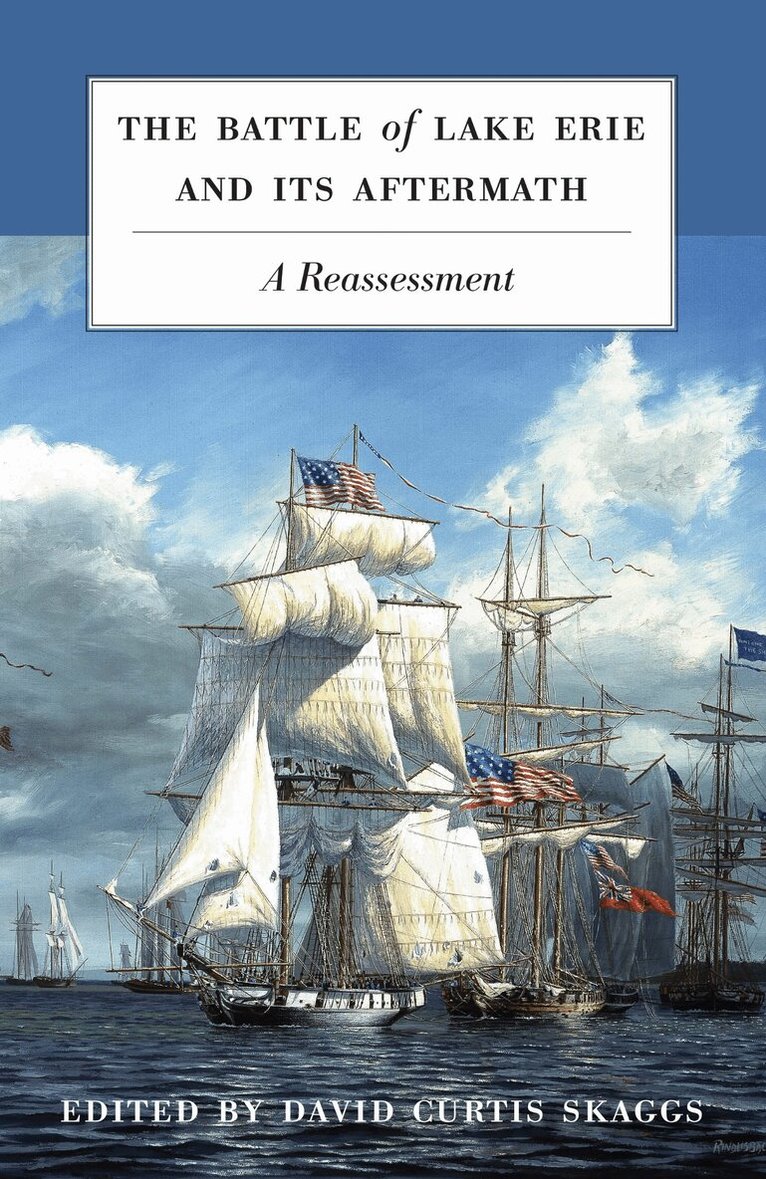
Experts weigh in on a pivotal engagement in the War of 1812 Few naval battles in American history have left a more enduring impression on America’s national consciousness than the Battle of Lake Erie, September 10, 1813. Master Commandant Oliver Hazard Perry’s battle flag emblazoned with the message “Don’t Give Up the Ship,” now enshrined at the U.S. Naval Academy, has become a naval maxim. His succinct after-action report—“We have met the enemy and they are ours”—constitutes one of the more memorable battle summaries in American history. This splendid collection celebrates the bicentennial of the American victory with a review of the battle and its consequences. The volume is divided into three sections. The first deals with “Military Operations” in the upper Great Lakes, 1812–14, and provides an overview of the War of 1812 in the Old Northwest and western Upper Canada. The second, “Consequences,” assesses the long-term impact of this campaign upon the Native Americans and Euro-Americans who lived in the region and three individuals whose lives were changed by the American recovery of the upper lakes in 1813. The final section, “Memory,” examines two ways the United States keeps the legacy of its first squadron-to-squadron victory alive by maintaining the fragile battle flag that flew on Perry’s flagships and by sailing the replica of US Brig Niagara on the Great Lakes and the East Coast. Collectively these essays allow the general reader, the military history enthusiast, and the professional historian to take a fresh look at this significant naval engagement and its impact on subsequent historical events.
E-bok
PDF, Engelska, 2012437 kr
Läs direkt efter köp
Experts weigh in on a pivotal engagement in the War of 1812 Few naval battles in American history have left a more enduring impression on America’s national consciousness than the Battle of Lake Erie, September 10, 1813. Master Commandant Oliver Hazard Perry’s battle flag emblazoned with the message “Don’t Give Up the Ship,” now enshrined at the U.S. Naval Academy, has become a naval maxim. His succinct after-action report—“We have met the enemy and they are ours”—constitutes one of the more memorable battle summaries in American history. This splendid collection celebrates the bicentennial of the American victory with a review of the battle and its consequences. The volume is divided into three sections. The first deals with “Military Operations” in the upper Great Lakes, 1812–14, and provides an overview of the War of 1812 in the Old Northwest and western Upper Canada. The second, “Consequences,” assesses the long-term impact of this campaign upon the Native Americans and Euro-Americans who lived in the region and three individuals whose lives were changed by the American recovery of the upper lakes in 1813. The final section, “Memory,” examines two ways the United States keeps the legacy of its first squadron-to-squadron victory alive by maintaining the fragile battle flag that flew on Perry’s flagships and by sailing the replica of US Brig Niagara on the Great Lakes and the East Coast. Collectively these essays allow the general reader, the military history enthusiast, and the professional historian to take a fresh look at this significant naval engagement and its impact on subsequent historical events.
Inbunden, Engelska, 2014
457 kr
Tillfälligt slut
In his study of William Henry Harrison, David Curtis Skaggs sheds light on the role of citizen-soldiers in taming the wilderness of the old Northwest. Perhaps best known for the Whig slogan in 1840 - "Tippecanoe and Tyler Too" - Harrison used his efforts to pacify Native Americans and defeat the British in the War of 1812 to promote a political career that eventually elevated him to the presidency. Harrison exemplified the citizen-soldier on the Ohio frontier in the days when white men settled on the western side of the Appalachian Mountains at their peril. Punctuated by almost continuous small-scale operations and sporadic larger engagements, warfare in this region revolved around a shifting system of alliances among various Indian tribes, government figures, white settlers, and business leaders. Skaggs focuses on Harrison's early life and military exploits, especially his role on Major General Anthony Wayne's staff during the Fallen Timbers campaign and Harrison's leadership of the Tippecanoe campaign. He explores how the military and its leaders performed in the age of a small standing army and part-time, Cincinnatus-like forces.This richly detailed work reveals how the military and Indian policies of the early republic played out on the frontier, freshly revisiting a subject central to American history: how white settlers tamed the west-and at what cost.