David D. Harnish - Böcker
Visar alla böcker från författaren David D. Harnish. Handla med fri frakt och snabb leverans.
3 produkter
3 produkter
510 kr
Skickas inom 5-8 vardagar
Indonesia is celebrated for its courtly arts, its beautiful beaches, its tourist attractions, and its artisan marketplace. Yet long overdue is a look at Indonesian Islam as the source of and inspiration for the arts throughout the history if its people, and in the dynamic popular performances of today. From the rhythmic grooves of dang dut, the archipelago's tenacious pop music, to the oft-quoted image of the wayang shadow puppet-theater, Divine Inspirations: Music and Islam in Indonesia investigates the expression of the Muslim religion through a diversity of art forms in this region. And from Quranic recitation by teenaged girls and women in Jakarta to the provincial patronage of Sufi arts and Muslim ritual as regional performance, this volume further addresses the ways in which Islam-inspired performance has been co-opted and appropriated for the expression of national culture.Eleven ethnographic case studies by an international roster of specialists in Indonesian expressive culture and performing arts are complimented by an introduction by co-editors David Harnish and Anne Rasmussen, and an epilogue by senior scholar Judith Becker. The collection explores the region's various micro-cultures of music, dance, religious ritual, government patronage, social censorship, tourism, development, and gender roles and relations. This pastiche speaks on personal, political, global, and local levels to the most important question of identity and ideology in Indonesia today: Islam.Divine Inspirations will engage readers interested in Southeast Asia, the Middle East, Islam, world religions, global discourse, and music, arts and ritual.
294 kr
Skickas inom 7-10 vardagar
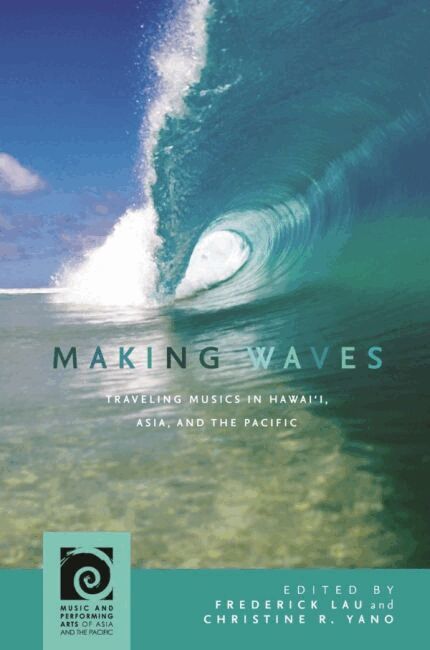
Musical sounds are some of the most mobile human elements, crossing national, cultural, and regional boundaries at an ever-increasing pace in the twentieth and twenty-first centuries. Whole musical products travel easily, though not necessarily intact, via musicians, CDs (and earlier, cassettes), satellite broadcasting, digital downloads, and streaming. The introductory chapter by the volume editors develops two framing metaphors: "traveling musics" and "making waves." The wave-making metaphor illuminates the ways that traveling musics traverse flows of globalization and migration, initiating change, and generating energy of their own. Each of the nine contributors further examines music—its songs, makers, instruments, aurality, aesthetics, and images—as it crosses oceans, continents, and islands. In the process of landing in new homes, music interacts with older established cultural environments, sometimes in unexpected ways and with surprising results. They see these traveling musics in Hawai‘i, Asia, and the Pacific as "making waves"—that is, not only riding flows of globalism, but instigating ripples of change. What is the nature of those ripples? What constitutes some of the infrastructure for the wave itself? What are some of the effects of music landing on, transported to, or appropriated from distant shores? How does the Hawai‘i-Asia-Pacific context itself shape and get shaped by these musical waves? The two poetic and evocative metaphors allow the individual contributors great leeway in charting their own course while simultaneously referring back to the influence of their mentor and colleague Ricardo D. Trimillos, whom they identify as "the wave maker." The volume attempts to position music as at once ritual and entertainment, esoteric and exoteric, tradition and creativity, within the cultural geographies of Hawai‘i, Asia, and the Pacific. In doing so, they situate music at the very core of global human endeavors.
Del 314 - Verhandelingen van het Koninklijk Instituut voor Taal-, Land- en Volkenkunde
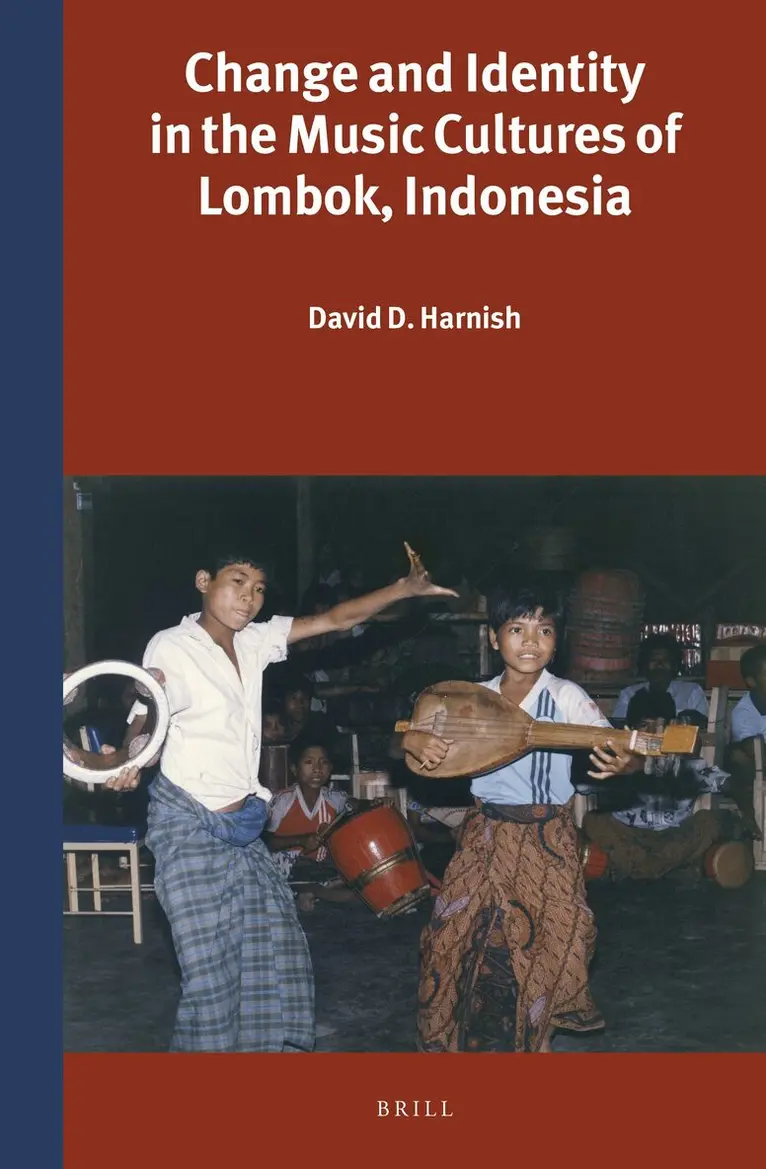
Change and Identity in the Music Cultures of Lombok, Indonesia
Inbunden, Engelska, 2021
2 925 kr
Skickas inom 5-8 vardagar
This longitudinal study weaves the complex stories of many disparate musics into an account of quests for identities that illuminates Lombok’s history, its complex religious and ethnic composition, and its current political circumstances. It focuses on agents, musicians and leaders on the ground, and the socioreligious and artistic changes that transformed many music forms. The book outlines the years of political difficulty for music and years of transition and government interventions to remake musics, and identifies the emerging ideologies and developments that laid the groundwork for a diversity of musics – traditional, Islamic, popular – to simultaneously exist in an unprecedented way.