• Fri frakt över 249 kr
  • •
  • Snabba leveranser
  • •
  • Billiga böcker
Kundservice

Du är på sajten för privatpersoner.

Företag, bibliotek eller offentlig verksamhet?

Du handlar på classic.bokus.com, där alla dina funktioner finns intakta.
Till classic.bokus.com
Bokus logotyp. Gå till startsidan.
  • Erbjudanden
  • Nyheter
  • Student
  • Topplistor
  • Barn & ungdom
  • Bokus Play
  • E-böcker
  • Pocketböcker
  • Spel & pussel

10% studentrabatt med kod TERM26

Sidfot

Mina sidor

    Hjälp

    • Kundservice
    • Vanliga frågor och svar
    • Frakt och leverans
    • Retur vid ångerrätt
    • Reklamera vara
    • Betalning
    • Köpvillkor
    • Allmänna villkor
    • Information om webbplatsens tillgänglighet

    Om Bokus

    • Om oss
    • Pressrum
    • För studenter
    • För företag
    • För bibliotek och offentlig verksamhet
    • För leverantörer
    • Hållbarhet

    Populärt

    • Aktuella erbjudanden
    • Presentkort
    • Studentlitteratur
    • Nya böcker
    • Topplistor
    • Signerade böcker
    • Engelska böcker

    Inspiration

    • Boktips
    • BookTok
    • Populära bokserier
    • Barnbokskaraktärer
    • Populära författare
    Logotyp för Bokus
    Följ oss på Facebook (extern länk)Följ oss på Instagram (extern länk)Följ oss på YouTube (extern länk)Följ oss på TikTok (extern länk)
    bokus @ CookiesAnpassa cookiesIntegritetspolicyKöpvillkor
    Till Citymail hemsida (extern länk)Till Budbee hemsida (extern länk)Till Postnord hemsida (extern länk)Till Schenker hemsida (extern länk)Till Early Bird hemsida (extern länk)Till Walleys hemsida (extern länk)
    1. Kultur
    2. Musikböcker

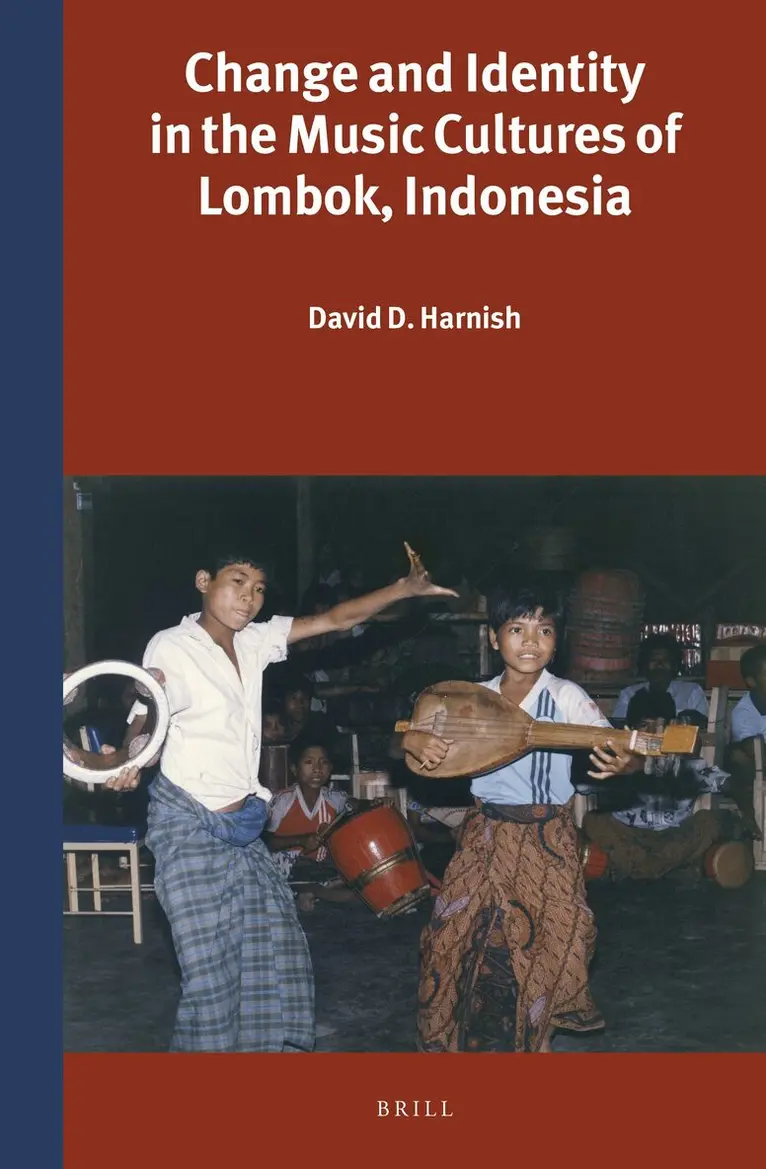
    Change and Identity in the Music Cultures of Lombok, Indonesia

    AvDavid D. Harnish

    Inbunden, Engelska, 2021

    Del 314 i serien Verhandelingen van het Koninklijk Instituut voor Taal-, Land- en Volkenkunde

    2 979 kr

    Beställningsvara. Skickas inom 5-8 vardagar. Fri frakt över 249 kr.

    Beskrivning

    This longitudinal study weaves the complex stories of many disparate musics into an account of quests for identities that illuminates Lombok’s history, its complex religious and ethnic composition, and its current political circumstances. It focuses on agents, musicians and leaders on the ground, and the socioreligious and artistic changes that transformed many music forms. The book outlines the years of political difficulty for music and years of transition and government interventions to remake musics, and identifies the emerging ideologies and developments that laid the groundwork for a diversity of musics – traditional, Islamic, popular – to simultaneously exist in an unprecedented way.

    Produktinformation

    • Utgivningsdatum:2021-09-16
    • Mått:155 x 235 x 28 mm
    • Vikt:722 g
    • Format:Inbunden
    • Språk:Engelska
    • Serie:Verhandelingen van het Koninklijk Instituut voor Taal-, Land- en Volkenkunde
    • Antal sidor:338
    • Förlag:Brill
    • ISBN:9789004472600

    Utforska kategorier

    • Musikböcker inom Kultur
    • Språk: historia och allmänt inom Språk och ordböcker

    Mer om författaren

    David D. Harnish, PhD (1991), University of San Diego, is Professor and Chair of Music at USD. He has published book chapters, articles, and Bridges to the Ancestors: Music, Myth, and Cultural Politics at an Indonesian Festival (U-Hawaii Press, 2006).

    Recensioner i media

    "It is not every day that a book on Lombok sees the light and certainly not a book that looks at its subject from so many different angles and over such a long period of time. [...] This book is a must for those who wish to understand Lombok but also to understand Indonesian national phenomena seen from the relatively micro-environment of Lombok." – Dick van der Meij, Digital Repository of Endangered and Affected Manuscripts in Southeast Asia (DREAMSEA), University of Hamburg

    Innehållsförteckning

    • AcknowledgementsList of Figures and TablesNotes on Orthography, Terms, and NamesIntroductionSetting the Scene1 Histories and Religions2 Musics of Lombok3 People and Places4 Fieldwork Histories5 Organizing Music and Identity1 Change, Religion, and Identity in Music Cultures1 Religion, Religious Identities, and Interreligious Relationships2 Constructing and Dismantling Pluralism and Tolerance3 Modernity and Change4 Politicizing Identities and Musics5 Changing Islams and a Sasak Movement6 Music and Identity7 Sonic Identities and Situating ‘Tradition’8 Exploring Change on Lombok2 ‘Traditional’ MusicsFunctions, Contestations, Interpretations1 Gamelan-type Ensembles2 Gamelan Gong Sasak/Gong Kebyar3 Vocal Music4 Sacred Forms5 Other Dance and Theatre6 Summary3 The Phenomenon of Gendang Beleq1 From Ritual to Stage2 Transitions3 Analysis of Chapter4 Wayang SasakShadowplay, Practices, Elements, and Narratives1 Symbolism, Characters, and Identity2 Accompaniment3 Government Interventions4 Situating Puppeteers and Processes5 The Situation Today and Tomorrow5 Music, Islam, and Islamization1 Islam on Lombok2 Issues of Music and Islam3 Musik Islam4 Zikrsamman5 Marawis6 Tongkek7 Realizations of Burdah, Hadrah, and Rebana Burdah8 Synthesis6 Popular Musics and ‘Musik Rakyat’1 Weddings2 Musik Rakyat: Gambus, Cilokaq, Kecimol Asli, and Amaq Sadar3 Musik Rakyat on the Street: Gula Gending and Selober4 Popular Musics: Cultural and Gender Identities, and Erni Ayuningsih5 Global Styles and Novi Bhavan6 Synthesis: Intersections and Divergences of Folk and Popular Musics7 Minority Musics of Lombok1 Overview of Other Musics of Minority Populations2 Sasak Buddhists, Rituals, and Musics3 Lombok Balinese Music Culture4 Summary of Chapter8 Nexus of Sasak/Balinese InteractionThe Lingsar Festival1 Reflective Takes on the Site, the Festival, and the Participants2 Agamaization3 Bridges to the Ancestors4 Politicizing Lingsar: Contestation, Narratives, and the State5 Tolerance of Ambiguity6 A Long View9 Performing Arts Education and Issues of Sustainability1 Between Apathy and Sustainability2 Indonesian Nation-building3 Mochammad Yamin and lpsn4 The Bidang Kesenian5 Arts Education in the 21st Century6 Contextualizing Benefits of Music Sustainability7 Concluding Thoughts10 ConclusionMaking Sense of All of This1 Musics as Representation2 Histories of Change3 Ambivalence, Sociopolitical Identities, and the Arts4 Final Thoughts on Musics and IdentitiesBibliographyIndex