David Danaher - Böcker
Visar alla böcker från författaren David Danaher. Handla med fri frakt och snabb leverans.
2 produkter
2 produkter
203 kr
Skickas inom 7-10 vardagar
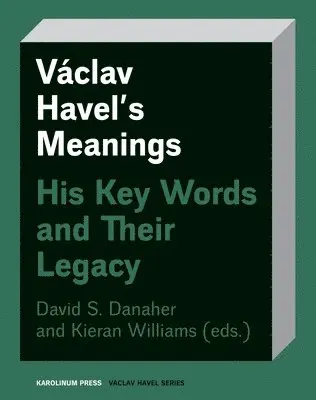
A close read of the rich collections of texts left behind by Václav Havel, one of the most important Czech thinkers and leaders of the twentieth century. No one in Czech politics or culture could match the international stature of Václav Havel at the time of his death in 2011. In the years since his passing, his legacy has only grown, as developments in the Czech Republic and elsewhere around the world continue to show the importance of his work and writing against a range of political and social ills, from autocratic brutality to messianic populism.This book looks squarely at the heart of Havel’s legacy: the rich corpus of texts he left behind. It analyzes the meanings of key concepts in Havel’s core vocabulary: truth, power, civilsociety, home, appeal, indifference, hotspot, theatre, prison, and responsibility. Where do these concepts appear in Havel’s oeuvre? What part do they play in his larger intellectual project? How might we understand Havel’s focus on these concepts as a centerpiece of his contribution to contemporary thought? How does Havel’s particular perspective on the meaning of these concepts speak to us in the here and now? The ten contributors use a variety of methodological tools to examine the meaning of these concepts, drawing on a diversity of disciplines: political science and political philosophy, historical and cultural analysis, discourse/textual analysis, and linguistic-corpus analysis.
1 865 kr
Skickas inom 5-8 vardagar
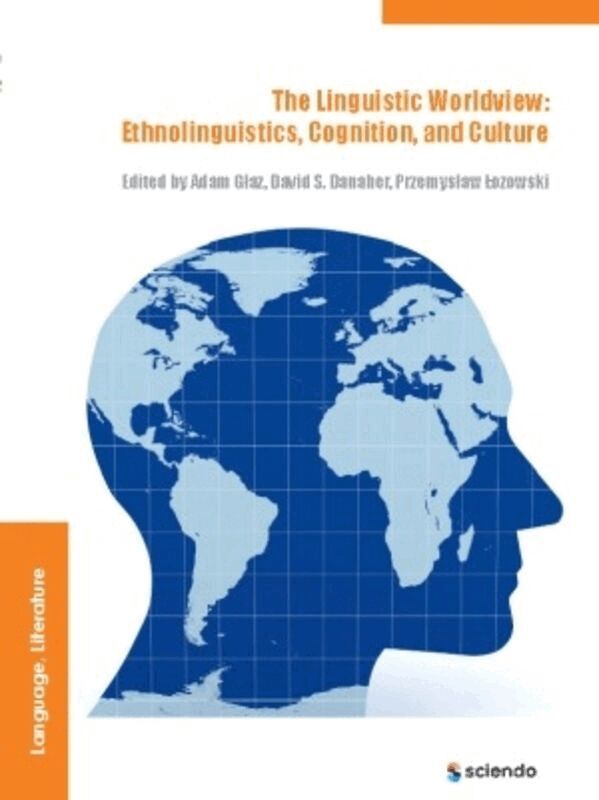
the book is concerned with the linguistic worldview broadly understood, but it focuses on one particular variant of the idea, its sources, extensions, its critical assessment, and inspirations for related research. This approach is the ethnolinguistic linguistic worldview (LWV) program pursued in Lublin, Poland, and initiated and headed by Jerzy Bartminski. In its basic design, the volume emerged from the theme of the conference held in Lublin in October 2011: "The linguistic worldview or linguistic views of worlds?" If the latter is the case, then what worlds? Is it a case of one language/one worldview? Are there literary or poetic worldviews? Are there auctorial worldviews? Many of the chapters are based on presentations from that conference, and others have been written especially for the volume. Generally, there are four kinds of contributions: (i) a presentation and exemplification of the "Lublin style" LWV approach; (ii) studies inspired by this approach but not following it in detail; (iii) independent but related and compatible research; and (iv) a critical reappraisal of some specific ideas proposed by Jerzy Bartminski and his collaborators.