David J. Davis – författare
Visar alla böcker från författaren David J. Davis. Handla med fri frakt och snabb leverans.
10 produkter
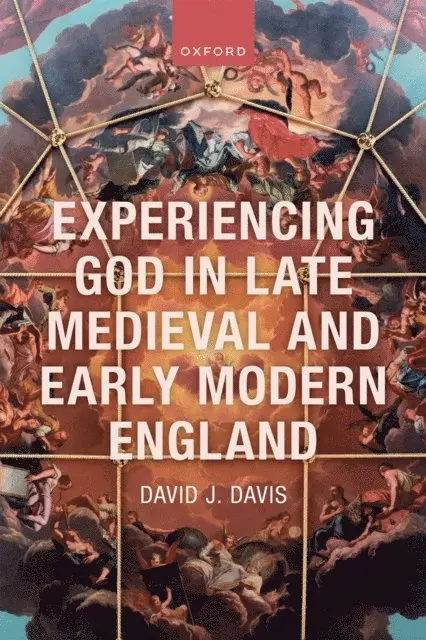
Experiencing God in Late Medieval and Early Modern England
E-bok, 2022
1247 kr
Lägg i varukorg
Experiencing God in Late Medieval and Early Modern England demonstrates that experiences of divine revelation, both biblical and contemporary, were central to late medieval and early modern English religion. The book sheds light on previously under-explored notions about divine revelation and the …
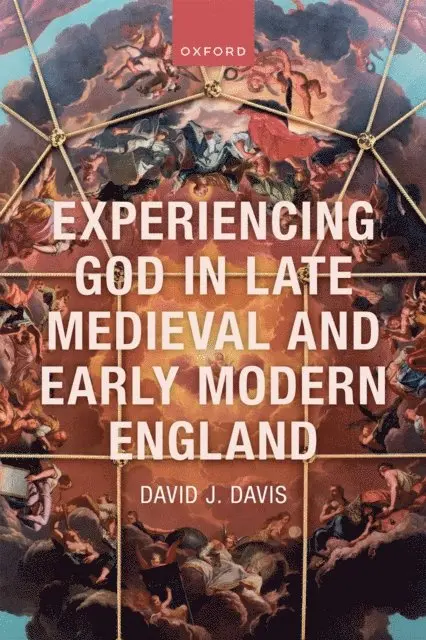
Experiencing God in Late Medieval and Early Modern England
E-bok, 2022
1247 kr
Lägg i varukorg
Experiencing God in Late Medieval and Early Modern England demonstrates that experiences of divine revelation, both biblical and contemporary, were central to late medieval and early modern English religion. The book sheds light on previously under-explored notions about divine revelation and the …
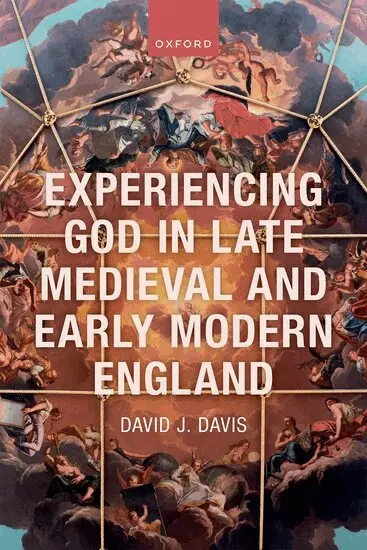
Experiencing God in Late Medieval and Early Modern England
Inbunden, 2022
1390 kr
Lägg i varukorg
Experiencing God in Late Medieval and Early Modern England demonstrates that experiences of divine revelation, both biblical and contemporary, were central to late medieval and early modern English religion. The book sheds light on previously under-explored notions about divine revelation and the …
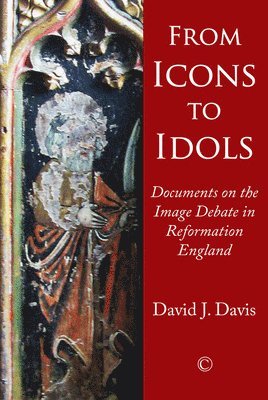
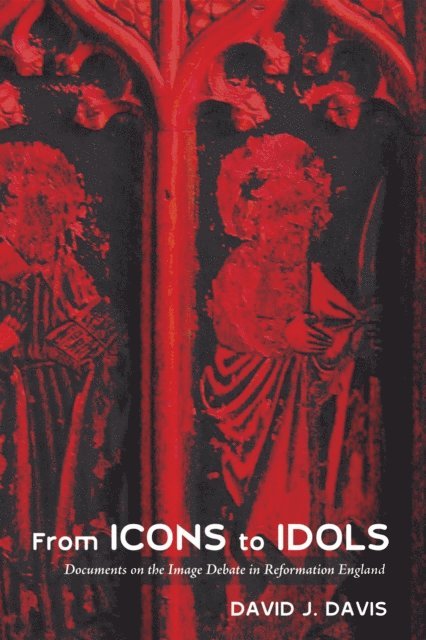
From Icons to Idols
Documents on the Image Debate in Reformation England
Häftad, 2017
301 kr
Lägg i varukorg
A selection of key historical texts from the debate over religious imagery during the English Reformation, with a commentary by a leading scholar in the field.In 1547, the young King Edward VI issued a series of religious injunctions that were intended to reform the Churches in England. Religious …
Digest of the Laws and Ordinances of the City of Scranton, Pennsylvania
Av David J Davis, H R Van Deusen
Häftad, 2013
399 kr
Lägg i varukorg
From Icons to Idols
Documents on the Image Debate in Reformation England
E-bok, 2016
587 kr
Lägg i varukorg
The debate over religious images was fundamental to the development of the Reformation. Even before the Reformation, iconoclasm and the critique of image devotion were marks of religious radicalism. Protestant reformers embraced iconoclasm as a means of condemning Catholic corruption and …
From Icons to Idols
Documents on the Image Debate in Reformation England
Inbunden, 2016
539 kr
Lägg i varukorg
From Icons to Idols
Documents on the Image Debate in Reformation England
Häftad, 2016
378 kr
Lägg i varukorg
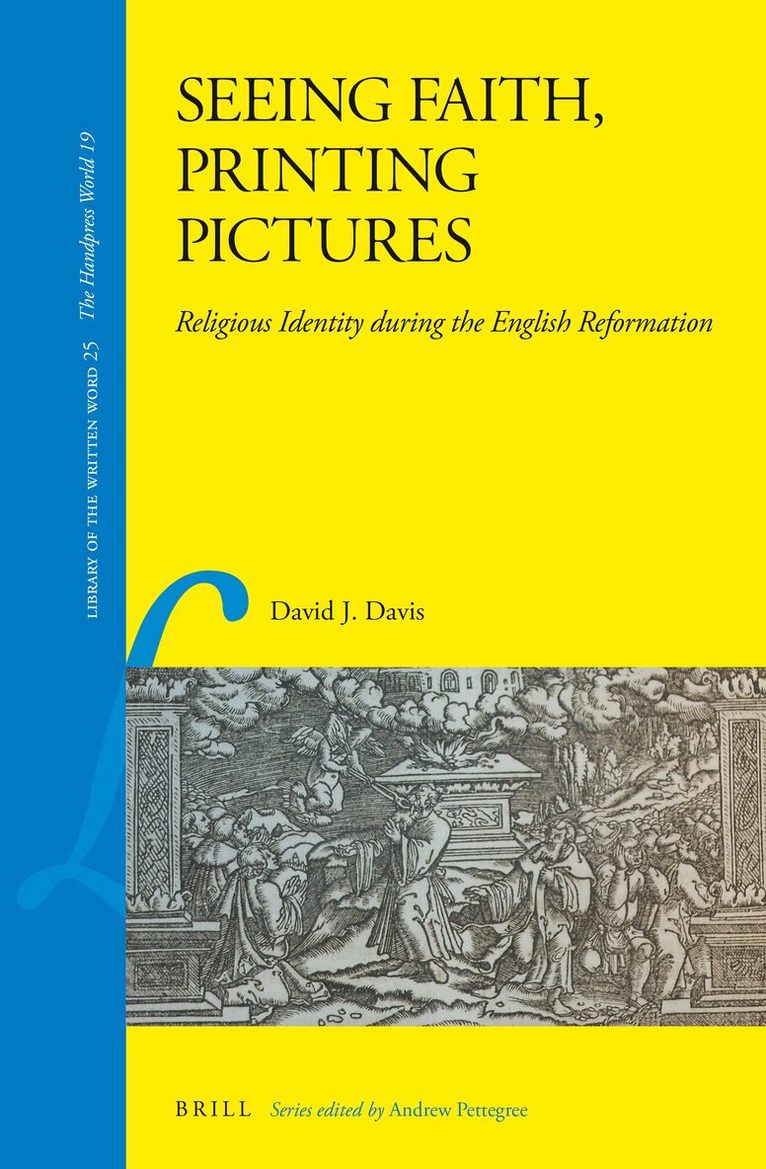
Seeing Faith, Printing Pictures: Religious Identity during the English Reformation
Inbunden, 2013
2479 kr
Lägg i varukorg
Scholarship on religious printed images during the English Reformation (1535-1603) has generally focused on a few illustrated works and has portrayed this period in England as a predominantly non-visual religious culture. The combination of iconoclasm and Calvinist doctrine have led to a …