David J. Meltzer – författare
Visar alla böcker från författaren David J. Meltzer. Handla med fri frakt och snabb leverans.
11 produkter
First Peoples in a New World
Populating Ice Age America
Häftad, 2021
542 kr
Lägg i varukorg
Over 15,000 years ago, a band of hunter-gatherers became the first people to set foot in the Americas. They soon found themselves in a world rich in plants and animals, but also a world still shivering itself out of the coldest depths of the Ice Age. The movement of those first Americans was one of …
First Peoples in a New World
Populating Ice Age America
Inbunden, 2021
1641 kr
Lägg i varukorg
Over 15,000 years ago, a band of hunter-gatherers became the first people to set foot in the Americas. They soon found themselves in a world rich in plants and animals, but also a world still shivering itself out of the coldest depths of the Ice Age. The movement of those first Americans was one of …
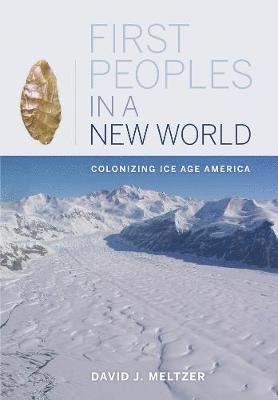
First Peoples in a New World
Colonizing Ice Age America
E-bok, 2009
214 kr
Lägg i varukorg
More than 12,000 years ago, in one of the greatest triumphs of prehistory, humans colonized North America, a continent that was then truly a new world. Just when and how they did so has been one of the most perplexing and controversial questions in archaeology. This dazzling, cutting-edge …
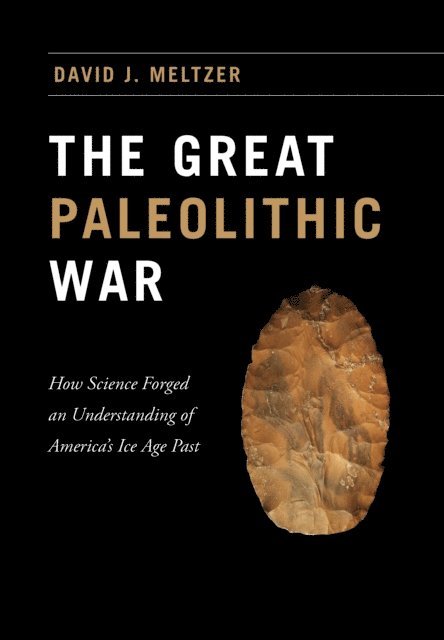
Great Paleolithic War
How Science Forged an Understanding of America's Ice Age Past
Inbunden, 2015
529 kr
Lägg i varukorg
Following the discovery in Europe in the late 1850s that humanity had roots predating known history and reaching deep into the Pleistocene era, scientists wondered whether North American prehistory might be just as ancient. And why not? The geological strata seemed exactly analogous between America …
Great Paleolithic War
How Science Forged an Understanding of America''s Ice Age Past
E-bok, 2015
1151 kr
Lägg i varukorg
Following the discovery in Europe in the late 1850s that humanity had roots predating known history and reaching deep into the Pleistocene era, scientists wondered whether North American prehistory might be just as ancient. And why not? The geological strata seemed exactly analogous between America …
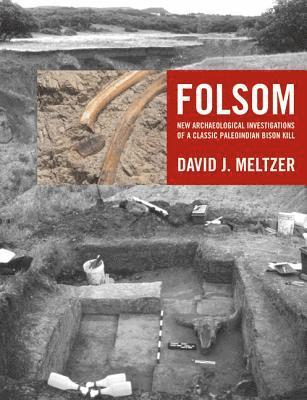
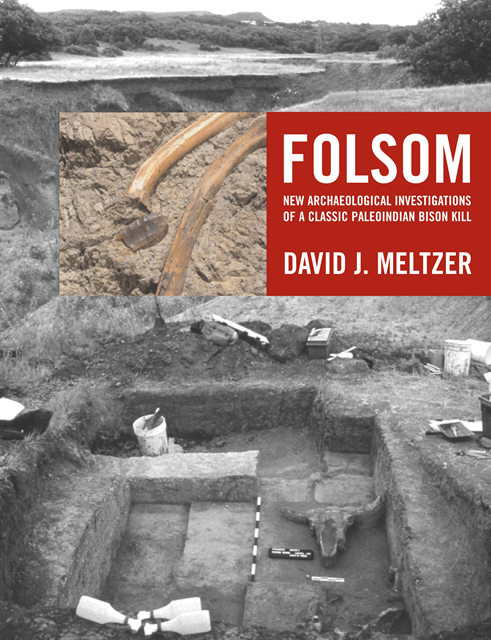
Folsom
New Archaeological Investigations of a Classic Paleoindian Bison Kill
Inbunden, 2006
759 kr
Lägg i varukorg
In the late 1920s outside a sleepy remote New Mexico village, prehistory was made. Spear points, found embedded between the ribs of an extinct Ice Age bison at the site of Folsom, finally resolved decades of bitter scientific controversy over whether the first Americans had arrived in the New World …
First Peoples in a New World
Colonizing Ice Age America
Häftad, 2010
246 kr
Lägg i varukorg
More than 12,000 years ago, in one of the greatest triumphs of prehistory, humans colonized North America, a continent that was then truly a new world. Just when and how they did so has been one of the most perplexing and controversial questions in archaeology. This dazzling, cutting-edge …
Folsom
New Archaeological Investigations of a Classic Paleoindian Bison Kill
E-bok, 2006
1266 kr
Lägg i varukorg
In the late 1920s outside a sleepy remote New Mexico village, prehistory was made. Spear points, found embedded between the ribs of an extinct Ice Age bison at the site of Folsom, finally resolved decades of bitter scientific controversy over whether the first Americans had arrived in the New World …
First Peoples in a New World
Populating Ice Age America
E-bok, 2021
553 kr
Lägg i varukorg
Over 15,000 years ago, a band of hunter-gatherers became the first people to set foot in the Americas. They soon found themselves in a world rich in plants and animals, but also a world still shivering itself out of the coldest depths of the Ice Age. The movement of those first Americans was one of …
First Peoples in a New World
Populating Ice Age America
E-bok, 2021
559 kr
Lägg i varukorg
Over 15,000 years ago, a band of hunter-gatherers became the first people to set foot in the Americas. They soon found themselves in a world rich in plants and animals, but also a world still shivering itself out of the coldest depths of the Ice Age. The movement of those first Americans was one of …
Mountaineer Site
A Folsom Winter Camp in the Rockies
Av Brian N. Andrews, David J. Meltzer m. fl.
Häftad, 2022
754 kr
Lägg i varukorg
The Mountaineer Site presents over a decade’s worth of archaeological research conducted at Mountaineer, a Paleoindian campsite in Colorado’s Upper Gunnison Basin. Mountaineer is one of the very few extensively excavated, long-term Folsom occupations with evidence of built structures. The site …