David J. Samuels – författare
Visar alla böcker från författaren David J. Samuels. Handla med fri frakt och snabb leverans.
7 produkter
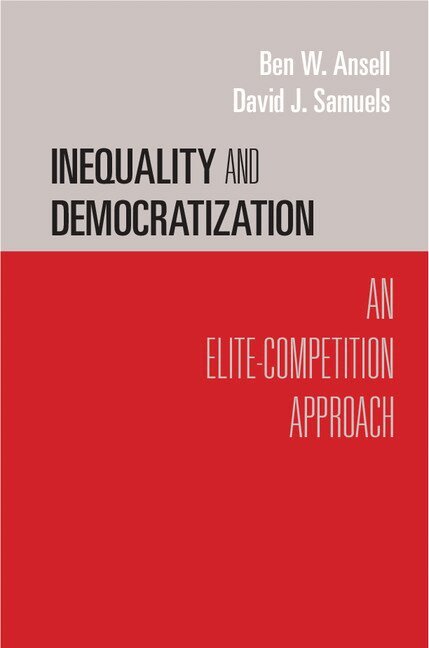
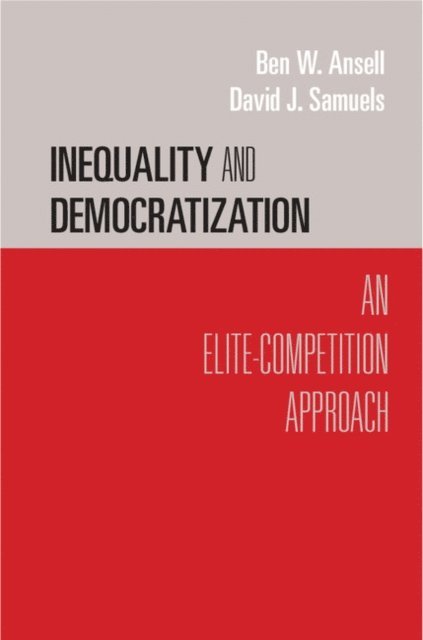
Inequality and Democratization
An Elite-Competition Approach
Av Ben W. Ansell, David J. Samuels
Häftad, 2014
468 kr
Lägg i varukorg
Research on the economic origins of democracy and dictatorship has shifted away from the impact of growth and turned toward the question of how different patterns of growth - equal or unequal - shape regime change. This book offers a new theory of the historical relationship between economic …
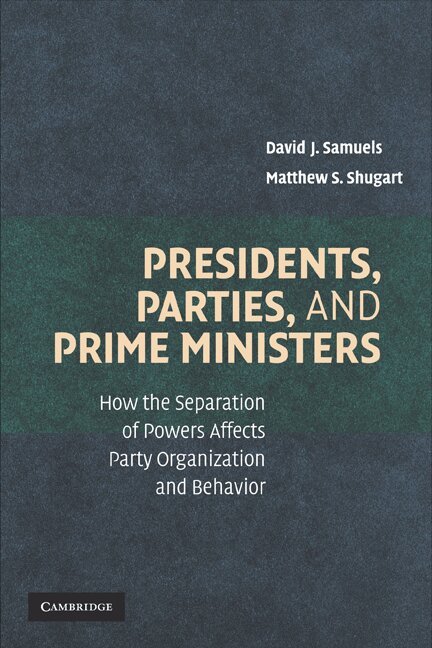
Presidents, Parties, and Prime Ministers
How the Separation of Powers Affects Party Organization and Behavior
Av David J. Samuels, Matthew S. Shugart
Häftad, 2010
455 kr
Lägg i varukorg
This book provides a framework for analyzing the impact of the separation of powers on party politics. Conventional political science wisdom assumes that democracy is impossible without political parties, because parties fulfil all the key functions of democratic governance. They nominate …
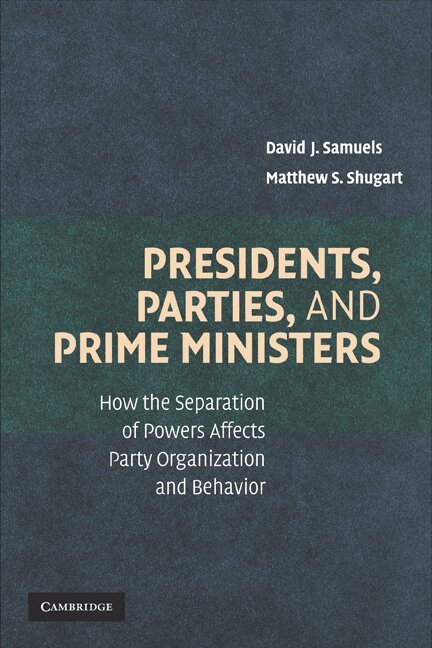
Presidents, Parties, and Prime Ministers
How the Separation of Powers Affects Party Organization and Behavior
Av David J. Samuels, Matthew S. Shugart
Inbunden, 2010
1407 kr
Lägg i varukorg
This book provides a framework for analyzing the impact of the separation of powers on party politics. Conventional political science wisdom assumes that democracy is impossible without political parties, because parties fulfil all the key functions of democratic governance. They nominate …
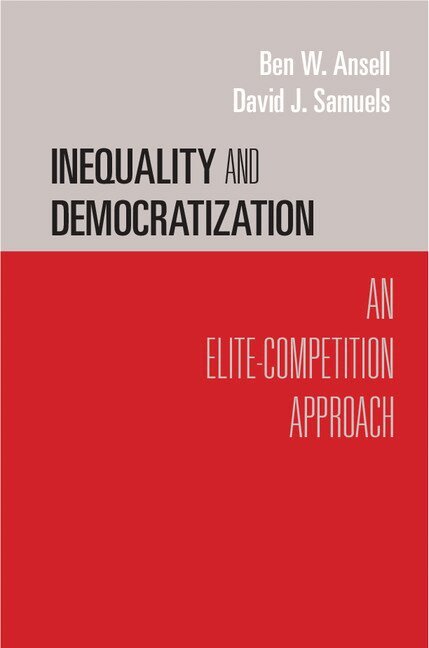
Inequality and Democratization
An Elite-Competition Approach
Av Ben W. Ansell, David J. Samuels
Inbunden, 2014
1391 kr
Lägg i varukorg
Research on the economic origins of democracy and dictatorship has shifted away from the impact of growth and turned toward the question of how different patterns of growth - equal or unequal - shape regime change. This book offers a new theory of the historical relationship between economic …
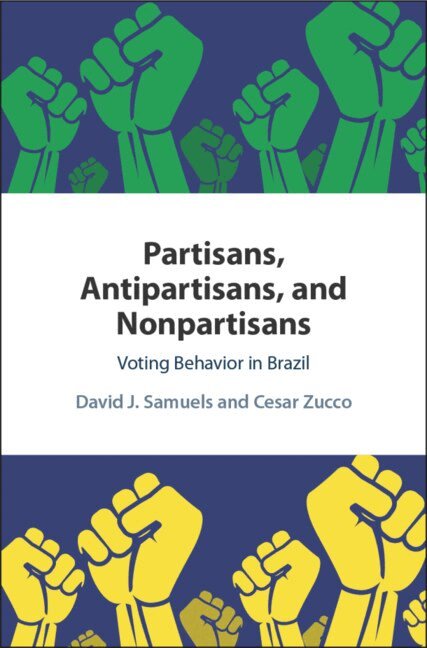
Partisans, Antipartisans, and Nonpartisans
Voting Behavior in Brazil
Av David J. Samuels, Cesar Zucco
Inbunden, 2018
1349 kr
Lägg i varukorg
Conventional wisdom suggests that partisanship has little impact on voter behavior in Brazil; what matters most is pork-barreling, incumbent performance, and candidates' charisma. This book shows that soon after redemocratization in the 1980s, over half of Brazilian voters expressed either a strong …
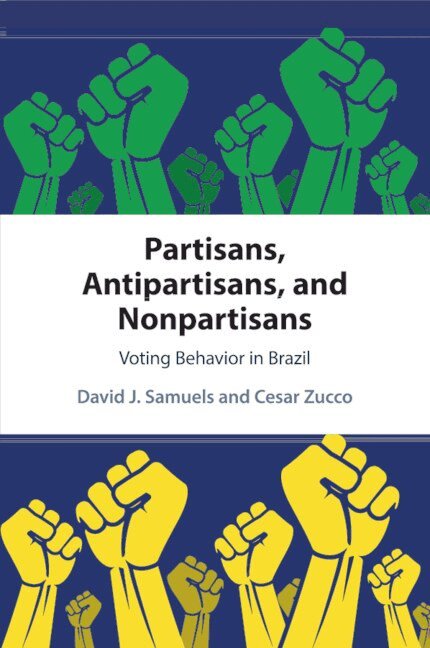
Partisans, Antipartisans, and Nonpartisans
Voting Behavior in Brazil
Av David J. Samuels, Cesar Zucco
Häftad, 2020
569 kr
Lägg i varukorg
Conventional wisdom suggests that partisanship has little impact on voter behavior in Brazil; what matters most is pork-barreling, incumbent performance, and candidates' charisma. This book shows that soon after redemocratization in the 1980s, over half of Brazilian voters expressed either a strong …
Inequality and Democratization
An Elite-Competition Approach
Av David J. Samuels, Ben W. Ansell
E-bok, 2014
454 kr
Lägg i varukorg
Research on the economic origins of democracy and dictatorship has shifted away from the impact of growth and turned toward the question of how different patterns of growth - equal or unequal - shape regime change. This book offers a new theory of the historical relationship between economic …