David K. Thulman – författare
Visar alla böcker från författaren David K. Thulman. Handla med fri frakt och snabb leverans.
3 produkter
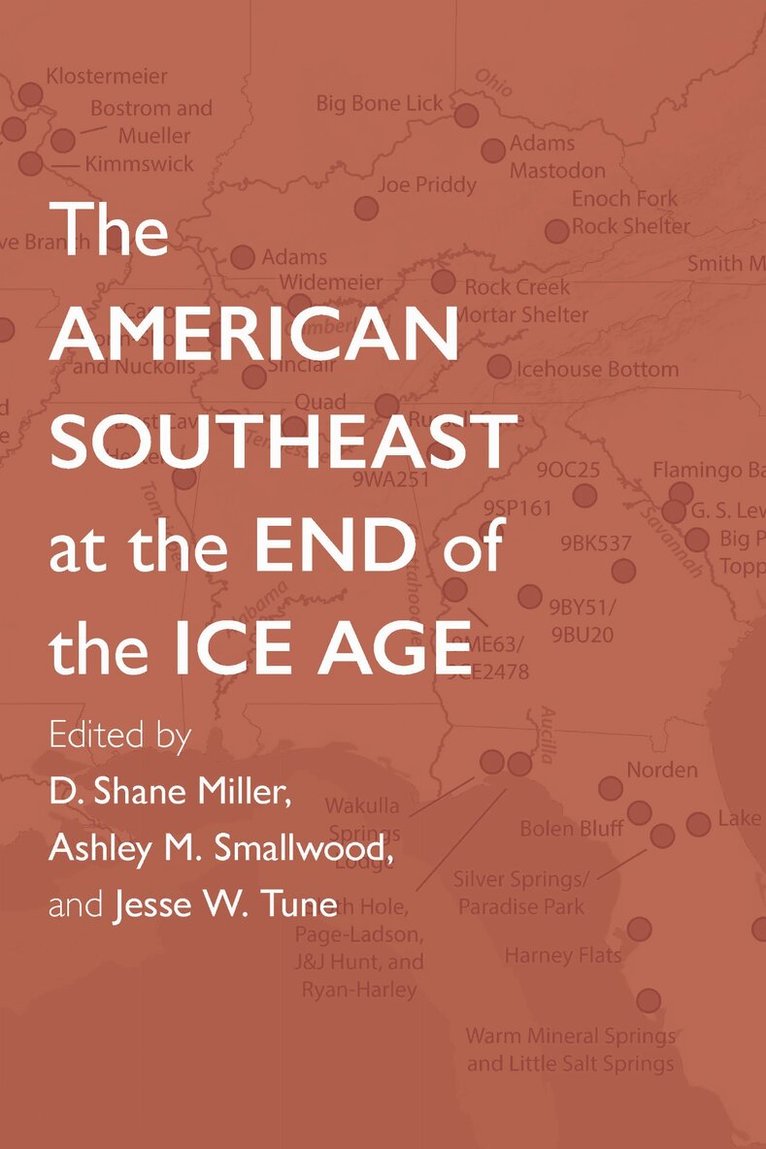
American Southeast at the End of the Ice Age
Av David G. Anderson, Derek T. Anderson m. fl.
Häftad, 2024
453 kr
Lägg i varukorg
The definitive book on what is known about the Late Pleistocene and Early Holocene archaeological record in the SoutheastThe 1996 benchmark volume The Paleoindian and Early Archaic Southeast, edited by David G. Anderson and Kenneth E. Sassaman, was the first study to summarize what was known of the …
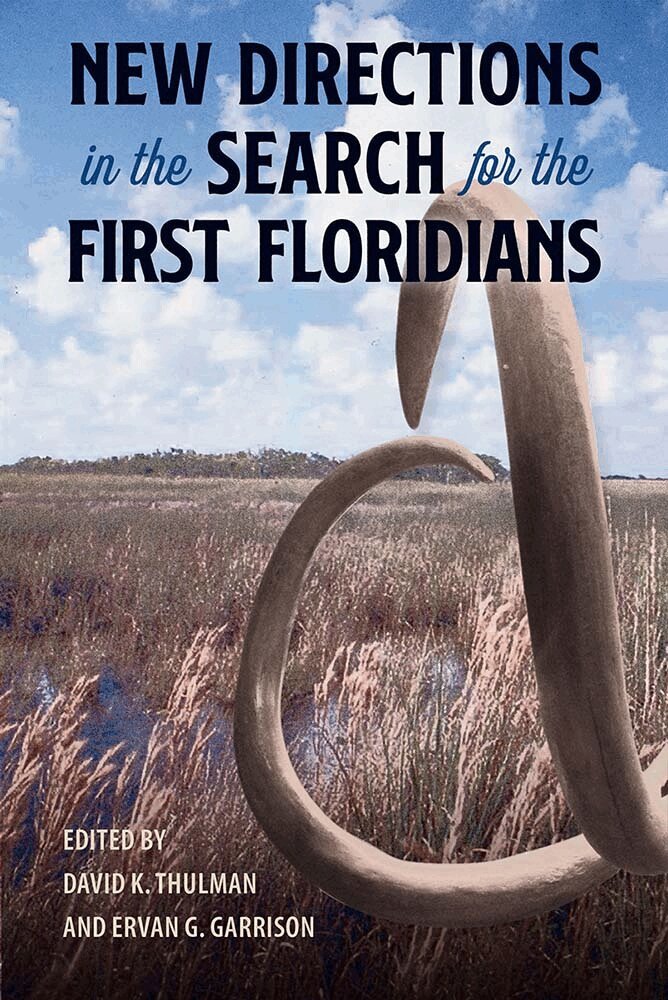
New Directions in the Search for the First Floridians
Av David K. Thulman, Ervan G. Garrison
Inbunden, 2019
1110 kr
Lägg i varukorg
Presenting the most current research and thinking on prehistoric archaeology in the Southeast, this volume reexamines some of Florida’s most important Paleoindian sites and discusses emerging technologies and methods that are necessary knowledge for archaeologists working in the region today.Using …
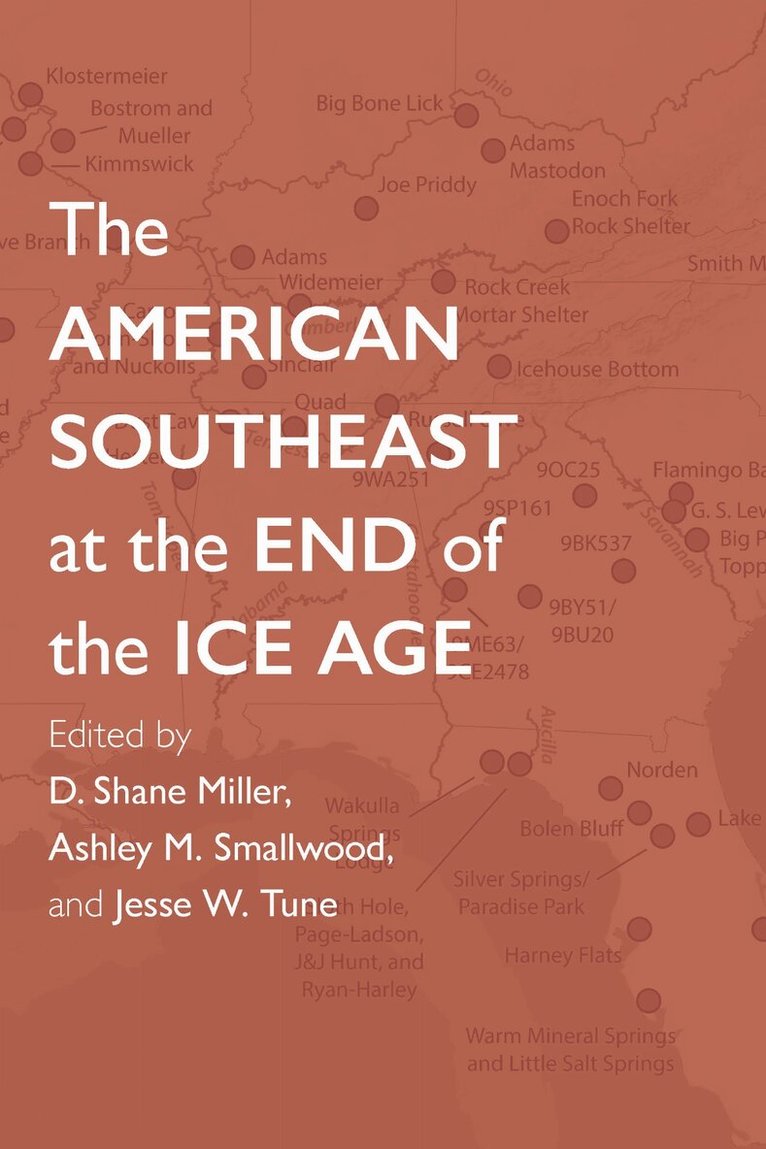
American Southeast at the End of the Ice Age
Av David G. Anderson, Derek T. Anderson m. fl.
Inbunden, 2022
984 kr
Tillfälligt slut
The definitive book on what is known about the Late Pleistocene and Early Holocene archaeological record in the Southeast The 1996 benchmark volume The Paleoindian and Early Archaic Southeast, edited by David G. Anderson and Kenneth E. Sassaman, was the first study to summarize what was known of …