David Kamper - Böcker
Visar alla böcker från författaren David Kamper. Handla med fri frakt och snabb leverans.
3 produkter
3 produkter
1 689 kr
Skickas inom 3-6 vardagar
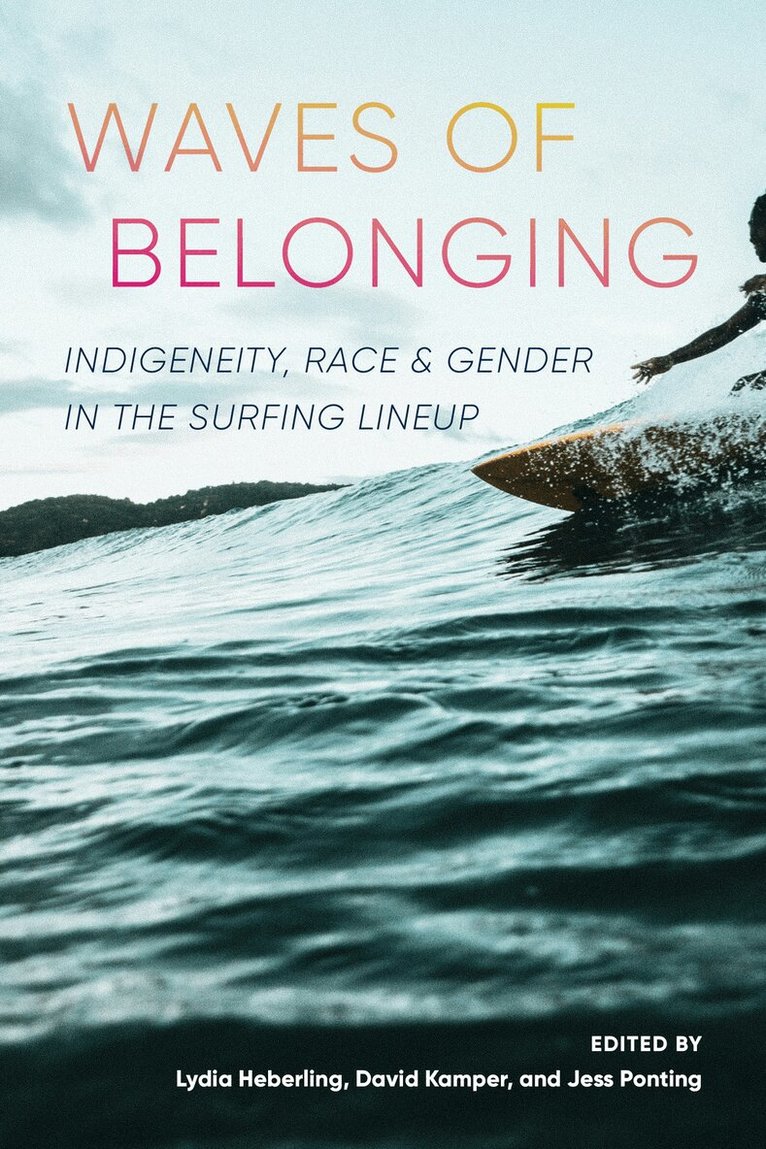
Showcases surfing as a site of social belonging and power formationThe surf zone—the place between ocean and shore—offers a powerful space to reflect on the dynamic contemporary politics of our worlds. Surfing always occurs on Indigenous lands, and centering Indigeneity in surfing studies both recognizes this fundamental fact and creates a different starting point for connecting surfing, storytelling, power, and relationships. In Waves of Belonging, Lydia Heberling, David Kamper, and Jess Ponting gather essays by scholars and practitioners that grapple with power, identity, and belonging while remaining grounded in a sense of hope and futurity.Contributors explore how Black, Indigenous, Latinx, queer and trans, and female-identifying communities transform surfing culture into possibilities for new imagined relations. The essays also interrogate the implications of the COVID-19 pandemic and twenty-first century racial protest movements as they manifest in surfing communities, geographies, and cultures across the world. Throughout the volume, surfing emerges as a method for decolonizing, righting historical wrongs, and restoring relationship with lands and waters and as a praxis for language learning.Original and timely, Waves of Belonging challenges the histories of exclusivity associated with surfing and demonstrates how Black, Indigenous, and LGBTQ+ people have drawn on surfing’s counterculture reputation to construct new spaces of hope and community.
430 kr
Skickas inom 7-10 vardagar
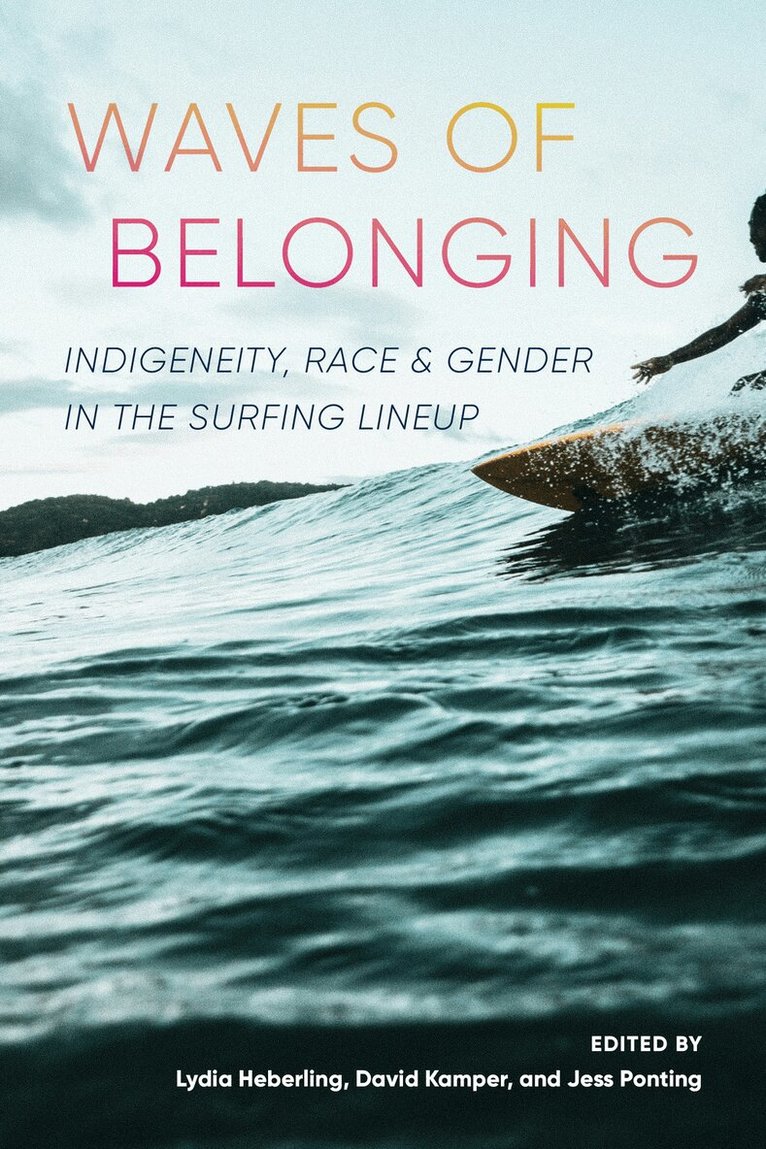
Showcases surfing as a site of social belonging and power formationThe surf zone—the place between ocean and shore—offers a powerful space to reflect on the dynamic contemporary politics of our worlds. Surfing always occurs on Indigenous lands, and centering Indigeneity in surfing studies both recognizes this fundamental fact and creates a different starting point for connecting surfing, storytelling, power, and relationships. In Waves of Belonging, Lydia Heberling, David Kamper, and Jess Ponting gather essays by scholars and practitioners that grapple with power, identity, and belonging while remaining grounded in a sense of hope and futurity.Contributors explore how Black, Indigenous, Latinx, queer and trans, and female-identifying communities transform surfing culture into possibilities for new imagined relations. The essays also interrogate the implications of the COVID-19 pandemic and twenty-first century racial protest movements as they manifest in surfing communities, geographies, and cultures across the world. Throughout the volume, surfing emerges as a method for decolonizing, righting historical wrongs, and restoring relationship with lands and waters and as a praxis for language learning.Original and timely, Waves of Belonging challenges the histories of exclusivity associated with surfing and demonstrates how Black, Indigenous, and LGBTQ+ people have drawn on surfing’s counterculture reputation to construct new spaces of hope and community.
664 kr
Skickas inom 10-15 vardagar
Ethnographer and American Indian studies scholar David Kamper examines how Indigenous youth and adults are making basketball and skateboarding meaningful to their communities by sustaining the transmission of intergenerational knowledge and combatting intergenerational trauma. Kamper looks at how the events and tournaments built around rezball are similar to powwows in how they bring people together across localized communities and generations and he coins the phrase “skate elders” for those who use the social nature of skateboarding to build community and mentorships.Through a broad picture of North America, Kamper demonstrates how Native peoples have long indigenized cultural practices and material culture to assert Native sovereignty, creating joy and hope in the process. In Rezballers and Skate Elders Kamper considers how Native expressions of basketball and skateboarding show continuities with the historical transformation of practices that originated outside Indian Country to make them meaningful in Native life.