David L. Weddle - Böcker
Visar alla böcker från författaren David L. Weddle. Handla med fri frakt och snabb leverans.
6 produkter
6 produkter
954 kr
Skickas inom 10-15 vardagar
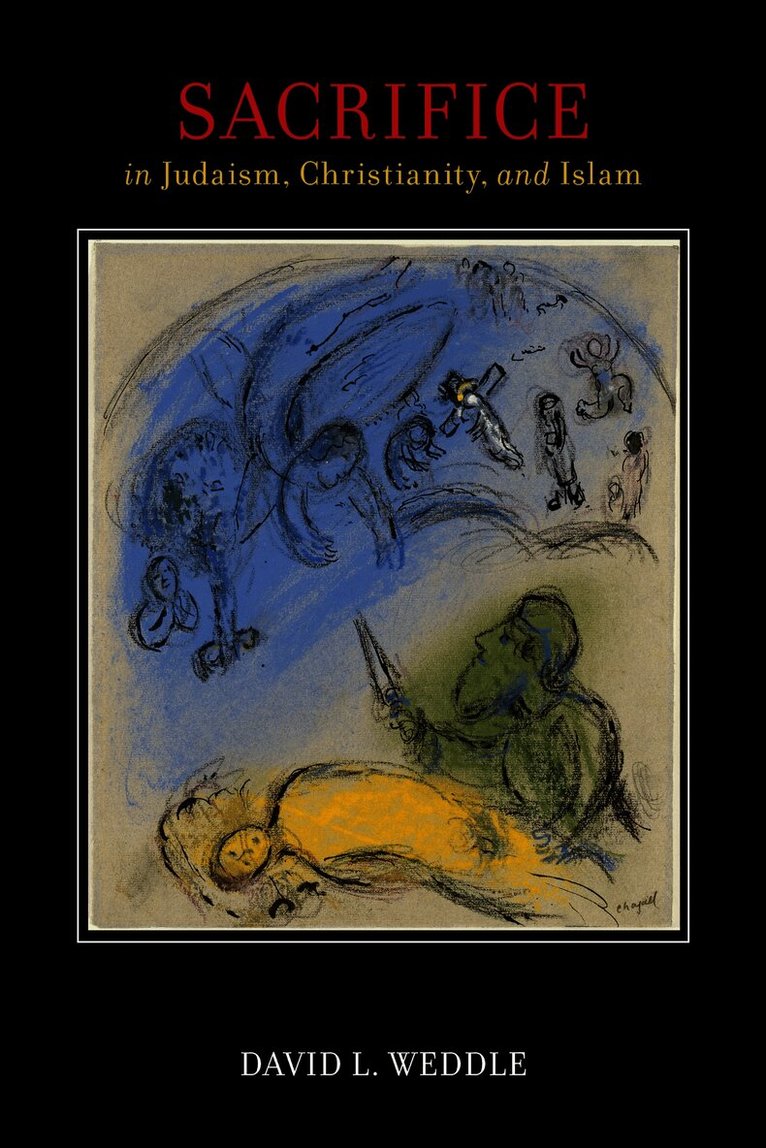
An examination of the practice and philosophy of sacrifice in three religious traditionsIn the book of Genesis, God tests the faith of the Hebrew patriarch Abraham by demanding that he sacrifice the life of his beloved son, Isaac. Bound by common admiration for Abraham, the religious traditions of Judaism, Christianity, and Islam also promote the practice of giving up human and natural goods to attain religious ideals. Each tradition negotiates the moral dilemmas posed by Abraham's story in different ways, while retaining the willingness to perform sacrifice as an identifying mark of religious commitment. This book considers the way in which Jews, Christians, and Muslims refer to "sacrifice"—not only as ritual offerings, but also as the donation of goods, discipline, suffering, and martyrdom. Weddle highlights objections to sacrifice within these traditions as well, presenting voices of dissent and protest in the name of ethical duty. Sacrifice forfeits concrete goods for abstract benefits, a utopian vision of human community, thereby sparking conflict with those who do not share the same ideals. Weddle places sacrifice in the larger context of the worldviews of Judaism, Christianity, and Islam, using this nearly universal religious act as a means of examining similarities of practice and differences of meaning among these important world religions. This book takes the concept of sacrifice across these three religions, and offers a cross-cultural approach to understanding its place in history and deep-rooted traditions.
362 kr
Skickas inom 7-10 vardagar
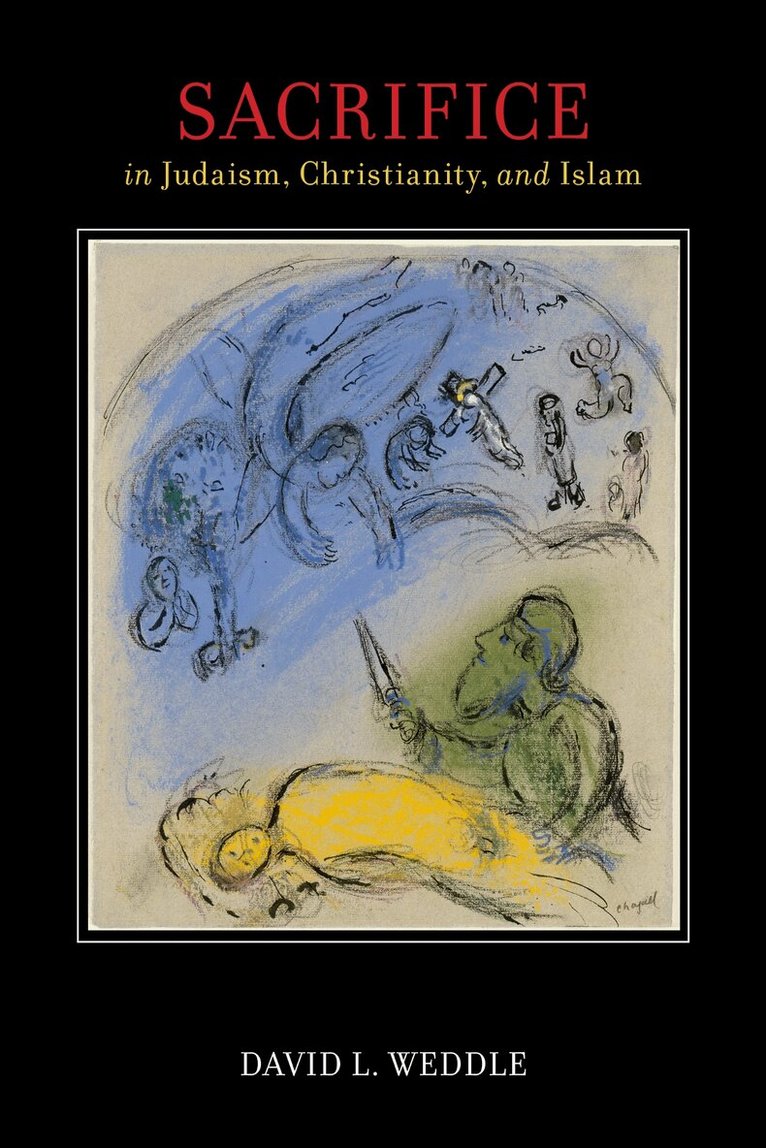
An examination of the practice and philosophy of sacrifice in three religious traditionsIn the book of Genesis, God tests the faith of the Hebrew patriarch Abraham by demanding that he sacrifice the life of his beloved son, Isaac. Bound by common admiration for Abraham, the religious traditions of Judaism, Christianity, and Islam also promote the practice of giving up human and natural goods to attain religious ideals. Each tradition negotiates the moral dilemmas posed by Abraham's story in different ways, while retaining the willingness to perform sacrifice as an identifying mark of religious commitment. This book considers the way in which Jews, Christians, and Muslims refer to "sacrifice"—not only as ritual offerings, but also as the donation of goods, discipline, suffering, and martyrdom. Weddle highlights objections to sacrifice within these traditions as well, presenting voices of dissent and protest in the name of ethical duty. Sacrifice forfeits concrete goods for abstract benefits, a utopian vision of human community, thereby sparking conflict with those who do not share the same ideals. Weddle places sacrifice in the larger context of the worldviews of Judaism, Christianity, and Islam, using this nearly universal religious act as a means of examining similarities of practice and differences of meaning among these important world religions. This book takes the concept of sacrifice across these three religions, and offers a cross-cultural approach to understanding its place in history and deep-rooted traditions.
914 kr
Skickas inom 10-15 vardagar
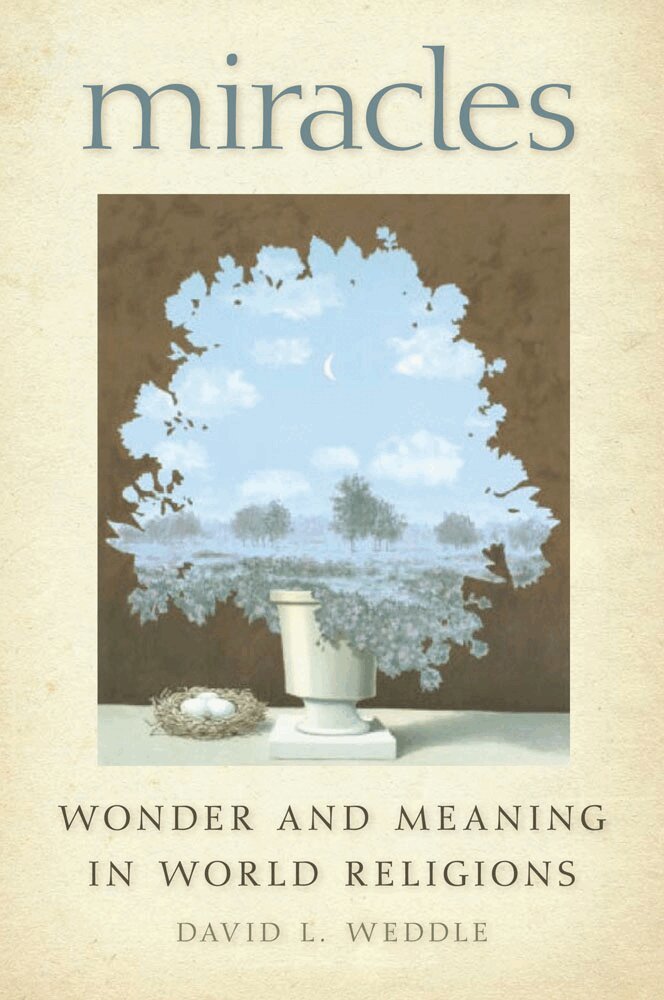
Despite the dominance of scientific explanation in the modern world, at the beginning of the twenty-first century faith in miracles remains strong, particularly in resurgent forms of traditional religion. In Miracles, David L. Weddle examines how five religious traditions—Hinduism, Judaism, Buddhism, Christianity, and Islam—understand miracles, considering how they express popular enthusiasm for wondrous tales, how they provoke official regulation because of their potential to disrupt authority, and how they are denied by critics within each tradition who regard belief in miracles as an illusory distraction from moral responsibility.In dynamic and accessible prose, Weddle shows us what miracles are, what they mean, and why, despite overwhelming scientific evidence, they are still significant today: belief in miracles sustains the hope that, if there is a reality that surpasses our ordinary lives, it is capable of exercising—from time to time—creative, liberating, enlightening, and healing power in our world.
362 kr
Skickas inom 7-10 vardagar
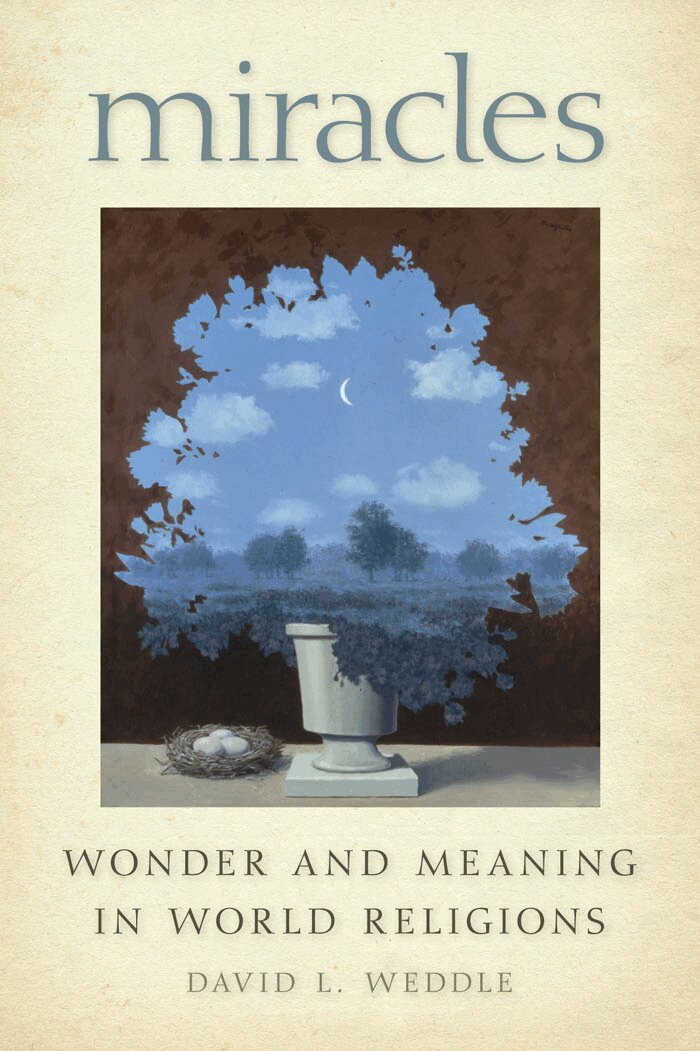
Despite the dominance of scientific explanation in the modern world, at the beginning of the twenty-first century faith in miracles remains strong, particularly in resurgent forms of traditional religion. In Miracles, David L. Weddle examines how five religious traditions—Hinduism, Judaism, Buddhism, Christianity, and Islam—understand miracles, considering how they express popular enthusiasm for wondrous tales, how they provoke official regulation because of their potential to disrupt authority, and how they are denied by critics within each tradition who regard belief in miracles as an illusory distraction from moral responsibility.In dynamic and accessible prose, Weddle shows us what miracles are, what they mean, and why, despite overwhelming scientific evidence, they are still significant today: belief in miracles sustains the hope that, if there is a reality that surpasses our ordinary lives, it is capable of exercising—from time to time—creative, liberating, enlightening, and healing power in our world.
Del 3 - Comparative Philosophy of Religion
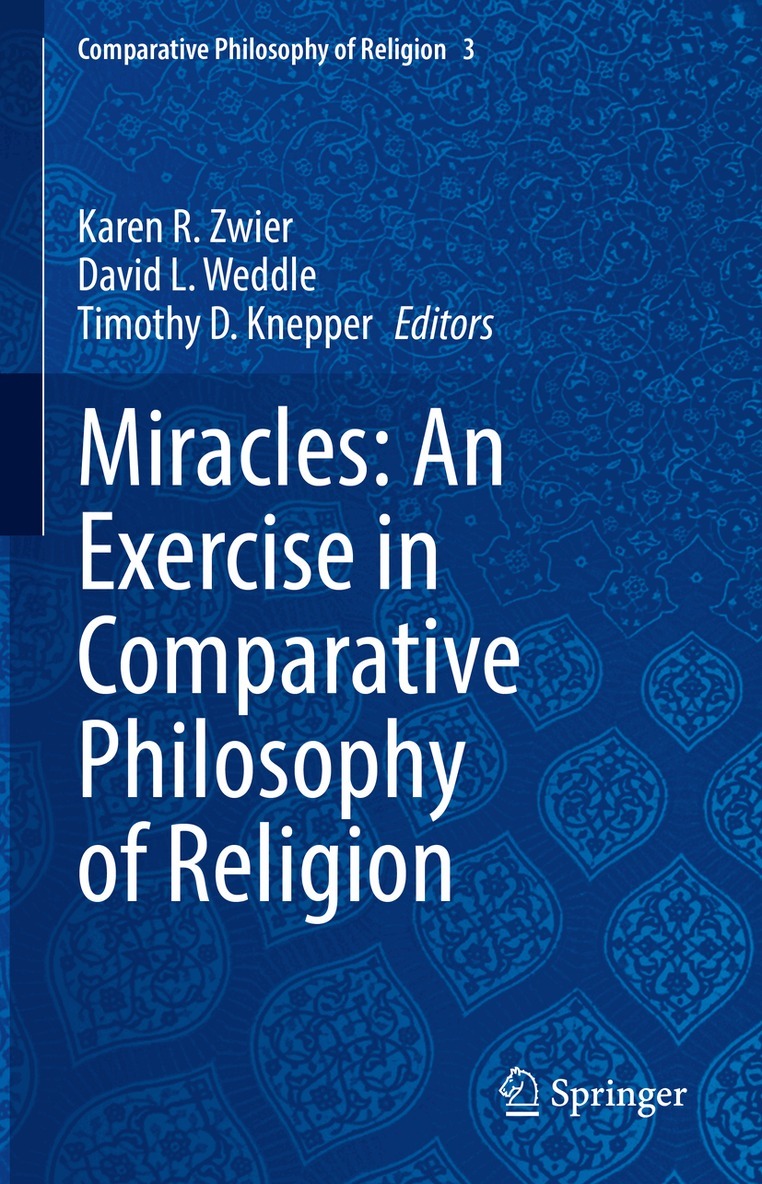
Miracles: An Exercise in Comparative Philosophy of Religion
Inbunden, Engelska, 2022
1 276 kr
Skickas inom 10-15 vardagar
This volume provides a comparative philosophical investigation into a particular concept from a variety of angles—in this case, the concept of “miracle.” The text covers deeply philosophical questions around the miracle, with a multiplicity of answers.
Del 3 - Comparative Philosophy of Religion
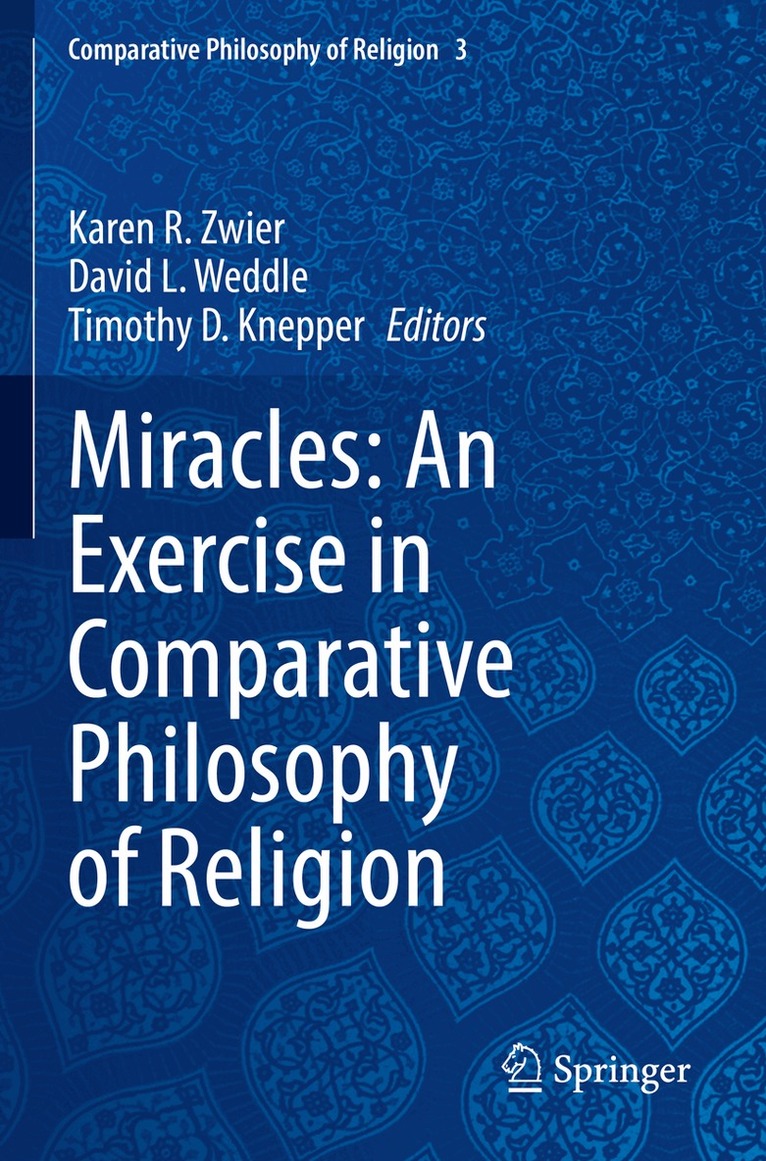
Miracles: An Exercise in Comparative Philosophy of Religion
Häftad, Engelska, 2023
1 276 kr
Skickas inom 10-15 vardagar
This volume provides a comparative philosophical investigation into a particular concept from a variety of angles—in this case, the concept of “miracle.” The text covers deeply philosophical questions around the miracle, with a multiplicity of answers.