David M. Posner - Böcker
Visar alla böcker från författaren David M. Posner. Handla med fri frakt och snabb leverans.
2 produkter
2 produkter
Del 33 - Cambridge Studies in Renaissance Literature and Culture
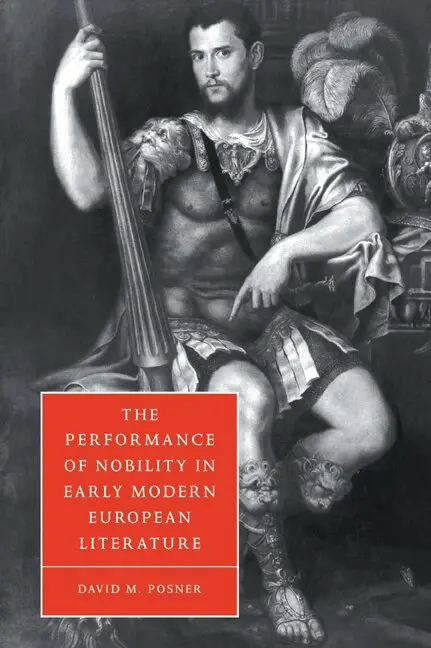
The Performance of Nobility in Early Modern European Literature
Häftad, Engelska, 2006
750 kr
Skickas inom 7-10 vardagar
This valuable study illuminates the idea of nobility as display, as public performance, in Renaissance and seventeenth-century literature and society. Ranging widely from Castiglione and French courtesy manuals, through Montaigne and Bacon, to the literature of the Grand Siècle, David Posner examines the structures of public identity in the period. He focuses on the developing tensions between, on the one hand, literary or imaginative representations of 'nobility' and, on the other, the increasingly problematic historical position of the nobility themselves. These tensions produce a transformation in the notion of the noble self as a performance, and eventually doom court society and its theatrical mode of self-presentation. Situated at the intersection of rhetorical and historical theories of interpretation, this book contributes significantly to our understanding of the role of literature both in analysing and in shaping social identity.
Del 33 - Cambridge Studies in Renaissance Literature and Culture
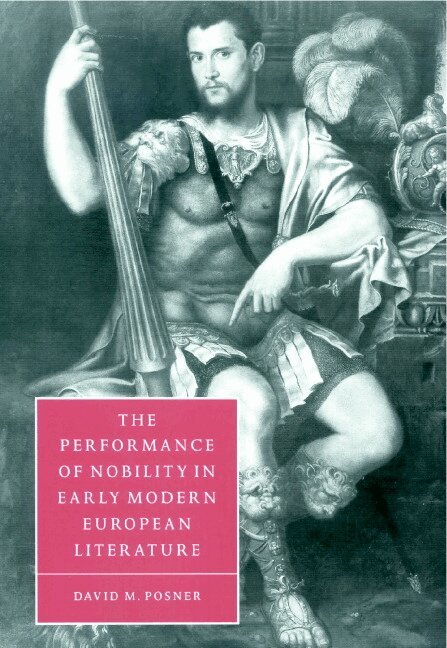
The Performance of Nobility in Early Modern European Literature
Inbunden, Engelska, 1999
1 371 kr
Skickas inom 7-10 vardagar
This valuable study illuminates the idea of nobility as display, as public performance, in Renaissance and seventeenth-century literature and society. Ranging widely from Castiglione and French courtesy manuals, through Montaigne and Bacon, to the literature of the Grand Siècle, David Posner examines the structures of public identity in the period. He focuses on the developing tensions between, on the one hand, literary or imaginative representations of 'nobility' and, on the other, the increasingly problematic historical position of the nobility themselves. These tensions produce a transformation in the notion of the noble self as a performance, and eventually doom court society and its theatrical mode of self-presentation. Situated at the intersection of rhetorical and historical theories of interpretation, this book contributes significantly to our understanding of the role of literature both in analysing and in shaping social identity.