David Mabberley – författare
Visar alla böcker från författaren David Mabberley. Handla med fri frakt och snabb leverans.
5 produkter
5 produkter
2 292 kr
Skickas inom 7-10 vardagar
This is the first scholarly treatise that tells the remarkable story behind the making of the Flora Graeca, the monumental collection of illustrations and descriptions of plants in Greece, Cyprus and Turkey. First described by Dioskorides in the sixth century, the flora and fauna of the Levant was neglected until the gentlemen botanists-naturalists John Sibthorp and John Hawkins, accompanied by illustrator Ferdinand Bauer, travelled there. Bauer produced a class of paintings superior to anthing of their kind in existence then, and his work was to become one of the most valuable treasures of the University of Oxford. Based on the original diaries, letters, and specimens, this fine work is illustrated with the original illustrations which are still housed at the Department of Plant Sciences there.
360 kr
Skickas inom 7-10 vardagar
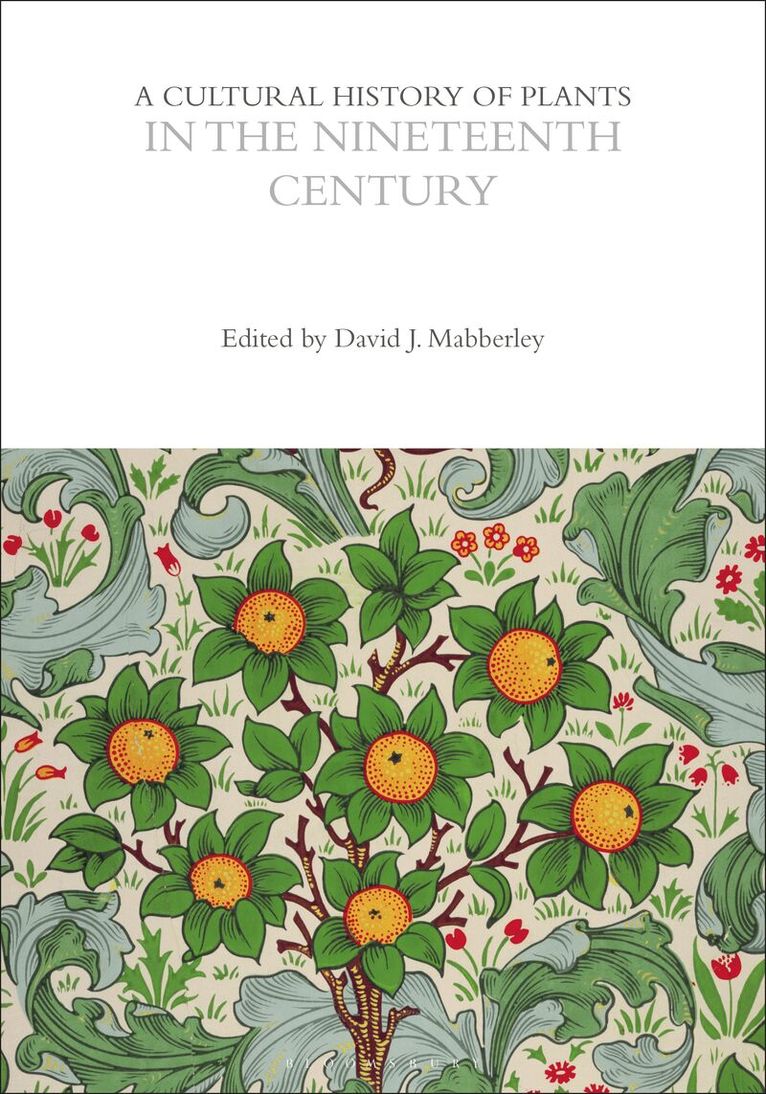
A Cultural History of Plants in the Nineteenth Century covers the period from 1800 to 1920, a time of astonishing growth in industrialization, urbanization, migration, population growth, colonial possessions, and developments in scientific knowledge. As European modes of civilization and cultivation were exported worldwide, botanical study was revolutionized – through the work of Charles Darwin and many others – and the new science of biology was born, based on cells, nuclei and molecules. As Darwinism took hold, plants came to be seen as a way of thinking about the connectivity of nature and life itself.The six-volume set of the Cultural History of Plants presents the first comprehensive history of the uses and meanings of plants from prehistory to today. The themes covered in each volume are plants as staple foods; plants as luxury foods; trade and exploration; plant technology and science; plants and medicine; plants in culture; plants as natural ornaments; the representation of plants.David Mabberley is Emeritus Fellow at Wadham College, University of Oxford, UK; Emeritus Professor at the University of Leiden, The Netherlands; and Adjunct Professor at Macquarie University, Australia.A Cultural History of Plants in the Nineteenth Century is the fifth volume in the six-volume set, A Cultural History of Plants, also available online as part of Bloomsbury Cultural History, a fully-searchable digital library (see www.bloomsburyculturalhistory.com).General Editors: Annette Giesecke, Victoria University of Wellington, New Zealand, and David Mabberley, University of Oxford, UK.
2 089 kr
Skickas inom 7-10 vardagar
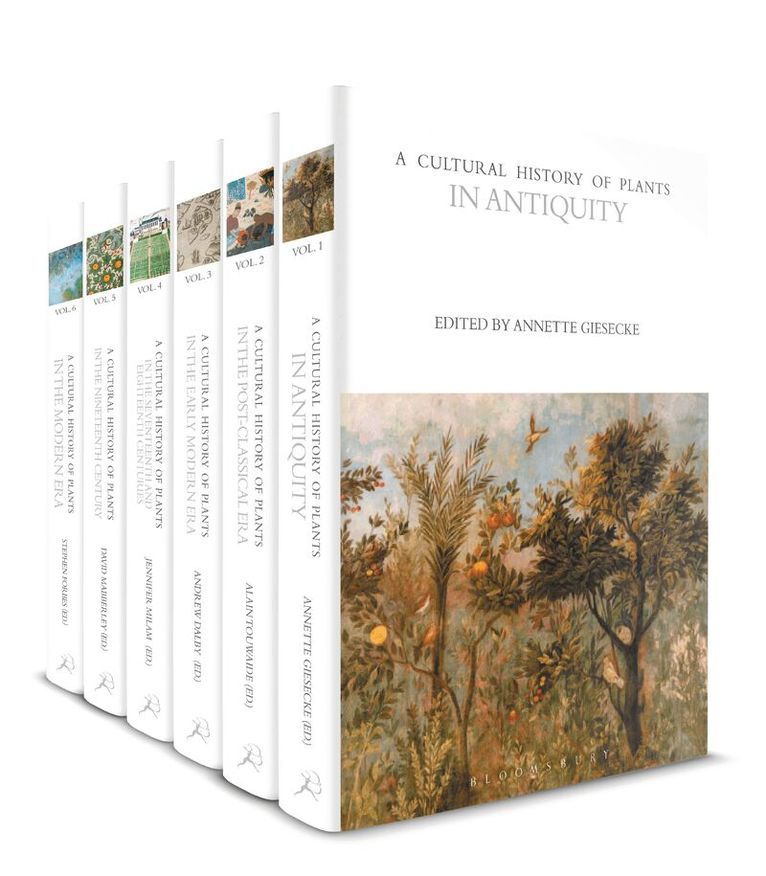
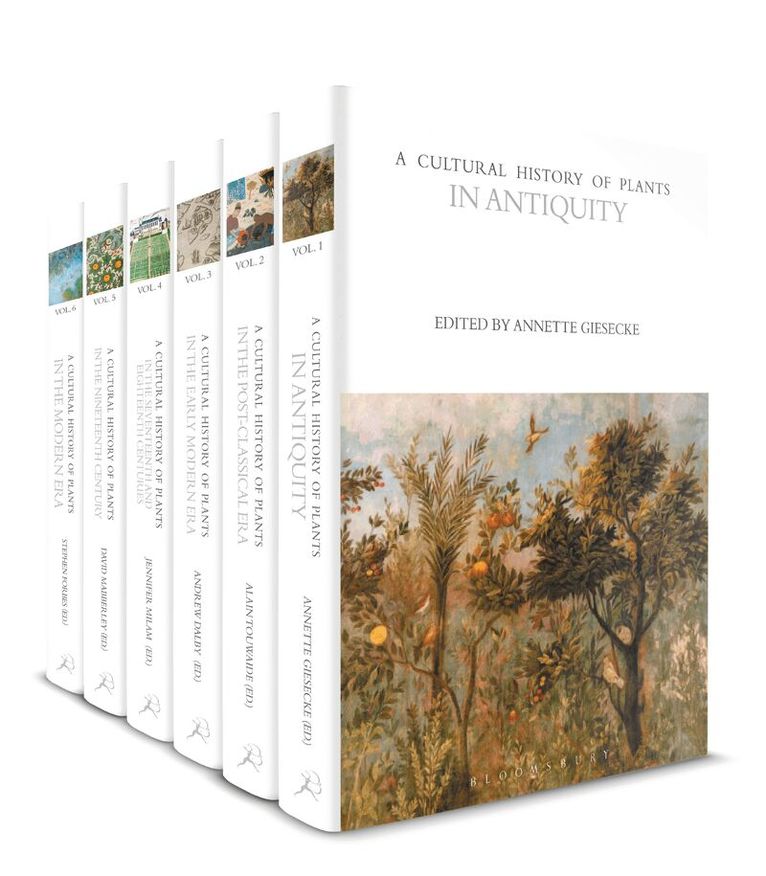
PROSE Award for Excellence in Humanities - Reference Works Finalist 2023Winner of the 2022 Society of Economic Botany’s Daniel F. Austin Award A Cultural History of Plants presents a global exploration of how plants have shaped human culture. Covering the last 12,000 years, it is the definitive history of how we have cultivated, traded, classified, and altered plants and how, in turn, plants have influenced our ideas of luxury and wealth, health and well-being, art and architecture.Chapter titles are identical across each of the volumes. This gives the choice of reading about a specific period in one of the volumes, or following a theme across history by reading the relevant chapter in each of the six.The themes (and chapter titles) are: Plants as Staple Foods; Plants as Luxury Foods; Trade and Exploration; Plant Technology and Science; Plants and Medicine; Plants in Culture; Plants as Natural Ornaments; The Representation of Plants.The six volumes cover: 1 – Antiquity (10,000 BCE to 500 CE); 2 – Post-Classical Era (500 to 1400); 3 – Early Modern Era (1400 to 1650); 4 – the Seventeenth and Eighteenth Centuries (1650 to 1800); 5 – the Nineteenth Century(1800 to 1920); 6 – Modern Era (1920 to the present).The page extent for the pack is 1744pp. Each volume opens with Notes on Contributors and an Introduction and concludes with Notes, Bibliography, and an Index.The Cultural Histories SeriesA Cultural History of Plants is part of The Cultural Histories Series. Titles are available both as printed hardcover sets for libraries needing just one subject or preferring a one-off purchase and tangible reference for their shelves, or as part of a fully-searchable digital library available to institutions by annual subscription or on perpetual access (see www.bloomsburyculturalhistory.com). A Cultural History of Plants is part of The Cultural Histories Series. Titles are available as hardcover sets for libraries needing just one subject or preferring a tangible reference for their shelves or as part of a fully-searchable digital library. The digital product is available to institutions by annual subscription or on perpetual access via www.bloomsburyculturalhistory.com . Individual volumes for academics and researchers interested in specific historical periods are also available in print or digitally via www.bloomsburycollections.com .
1 108 kr
Skickas inom 10-15 vardagar
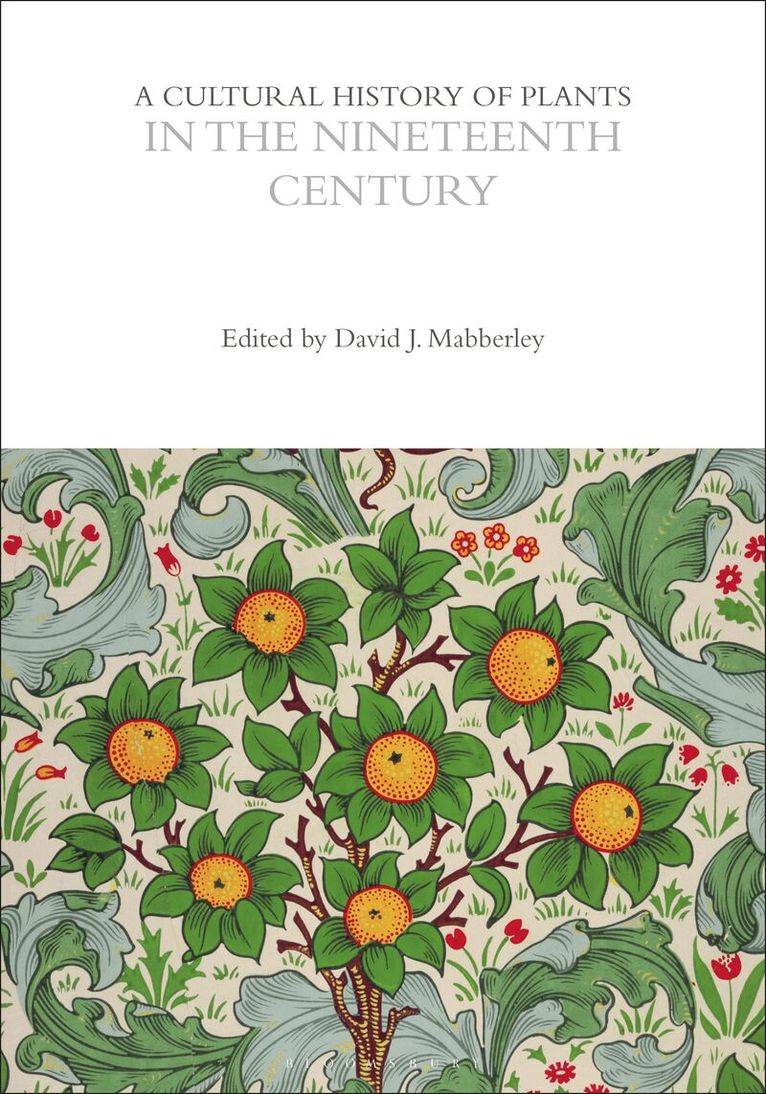
A Cultural History of Plants in the Nineteenth Century covers the period from 1800 to 1920, a time of astonishing growth in industrialization, urbanization, migration, population growth, colonial possessions, and developments in scientific knowledge. As European modes of civilization and cultivation were exported worldwide, botanical study was revolutionized – through the work of Charles Darwin and many others – and the new science of biology was born, based on cells, nuclei and molecules. As Darwinism took hold, plants came to be seen as a way of thinking about the connectivity of nature and life itself. The six-volume set of the Cultural History of Plants presents the first comprehensive history of the uses and meanings of plants from prehistory to today. The themes covered in each volume are plants as staple foods; plants as luxury foods; trade and exploration; plant technology and science; plants and medicine; plants in culture; plants as natural ornaments; the representation of plants.David Mabberley is Emeritus Fellow at Wadham College, University of Oxford, UK; Emeritus Professor at the University of Leiden, The Netherlands; and Adjunct Professor at Macquarie University, Australia.A Cultural History of Plants in the Nineteenth Century is the fifth volume in the six-volume set, A Cultural History of Plants, also available online as part of Bloomsbury Cultural History, a fully-searchable digital library (see www.bloomsburyculturalhistory.com).General Editors: Annette Giesecke, Victoria University of Wellington, New Zealand, and David Mabberley, University of Oxford, UK.
9 434 kr
Tillfälligt slut
Winner of the 2022 Society of Economic Botany’s Daniel F. Austin AwardFinalist: PROSE Awards 2023 – Reference Works - HumanitiesA Cultural History of Plants presents a global exploration of how plants have shaped human culture. Covering the last 12,000 years, it is the definitive history of how we have cultivated, traded, classified, and altered plants and how, in turn, plants have influenced our ideas of luxury and wealth, health and well-being, art and architecture.Chapter titles are identical across each of the volumes. This gives the choice of reading about a specific period in one of the volumes, or following a theme across history by reading the relevant chapter in each of the six. The themes (and chapter titles) are: Plants as Staple Foods; Plants as Luxury Foods; Trade and Exploration; Plant Technology and Science; Plants and Medicine; Plants in Culture; Plants as Natural Ornaments; The Representation of Plants.The six volumes cover: 1 – Antiquity (10,000 BCE to 500 CE); 2 – Post-Classical Era (500 to 1400); 3 – Early Modern Era (1400 to 1650); 4 – the Seventeenth and Eighteenth Centuries (1650 to 1800); 5 – the Nineteenth Century(1800 to 1920); 6 – Modern Era (1920 to the present).The page extent for the pack is 1744pp. Each volume opens with Notes on Contributors and an Introduction and concludes with Notes, Bibliography, and an Index.The Cultural Histories SeriesA Cultural History of Plants is part of The Cultural Histories Series. Titles are available as hardcover sets for libraries needing just one subject or preferring a tangible reference for their shelves or as part of a fully-searchable digital library. The digital product is available to institutions by annual subscription or on perpetual access via www.bloomsburyculturalhistory.com . Individual volumes for academics and researchers interested in specific historical periods are also available in print or digitally via www.bloomsburycollections.com .