David Neal Greenwood - Böcker
Visar alla böcker från författaren David Neal Greenwood. Handla med fri frakt och snabb leverans.
4 produkter
4 produkter
2 113 kr
Skickas inom 10-15 vardagar
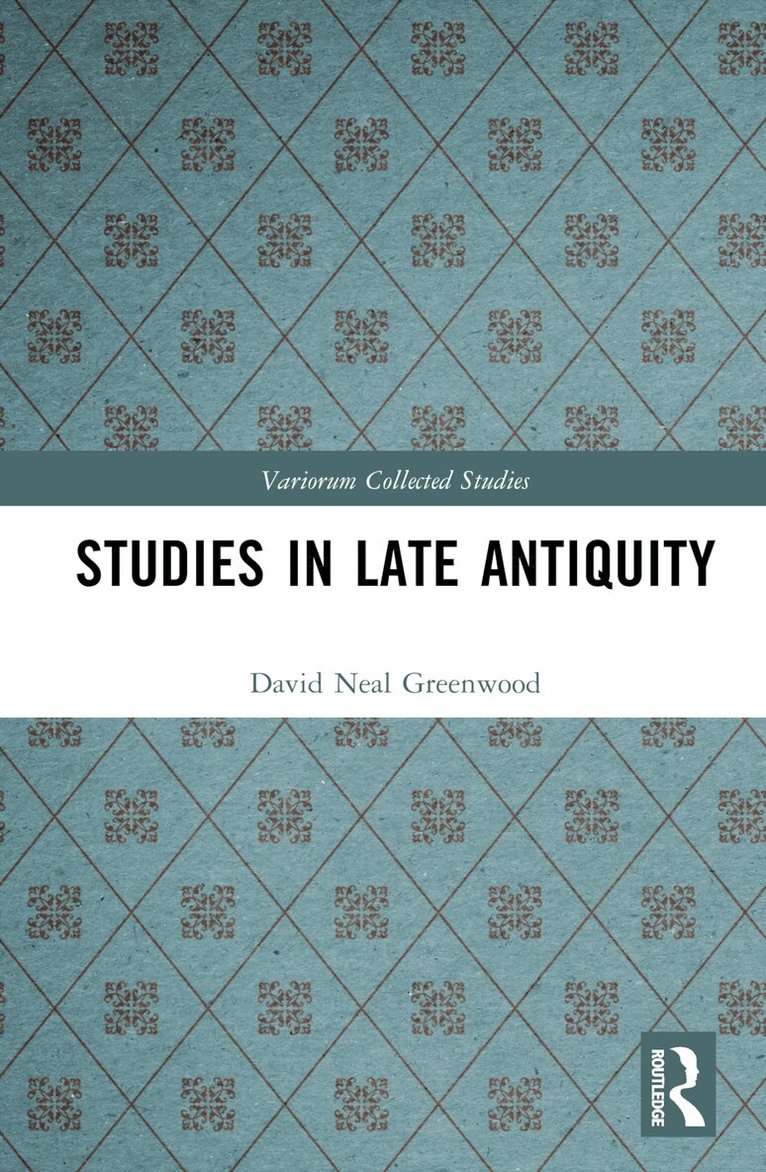
Late Antiquity was an era of remarkable change as beliefs were shaped and reshaped by the competing philosophies of traditional Greco-Roman religion, Middle and Neoplatonist philosophy, and the theology of the early Church.Current narratives of both peaceful competition and violent struggle between Christianity and paganism are reductive. The research presented in this Variorum volume, originally published between 2013 and 2018 in the fields of history, divinity, and philosophy, demonstrates the complexity of the age and provides a more complete picture of major actors including the emperor Julian, Porphyry of Tyre, and Celsus. From the second to the fourth centuries, these were some of the major players in attempting to define the terrain in the conflict between their philosophies and the Christian religion. While the timeframe remains consistently within the late second to the mid-fourth centuries A.D., the sources range between inscriptions, literature, and historical accounts. The particular focus is the emperor Julian (Flavius Claudius Julianus, d. 363), a figure of perennial interest, as not only the last pagan emperor, but the last anti-Christian polemicist of real significance in antiquity.This volume offers a new perspective on Julian, bringing together research from ancient history, Neoplatonist philosophy, and patristic theology, and will be useful to students and scholars alike.
632 kr
Skickas inom 10-15 vardagar
Late Antiquity was an era of remarkable change as beliefs were shaped and reshaped by the competing philosophies of traditional Greco-Roman religion, Middle and Neoplatonist philosophy, and the theology of the early Church.Current narratives of both peaceful competition and violent struggle between Christianity and paganism are reductive. The research presented in this Variorum volume, originally published between 2013 and 2018 in the fields of history, divinity, and philosophy, demonstrates the complexity of the age and provides a more complete picture of major actors including the emperor Julian, Porphyry of Tyre, and Celsus. From the second to the fourth centuries, these were some of the major players in attempting to define the terrain in the conflict between their philosophies and the Christian religion. While the timeframe remains consistently within the late second to the mid-fourth centuries A.D., the sources range between inscriptions, literature, and historical accounts. The particular focus is the emperor Julian (Flavius Claudius Julianus, d. 363), a figure of perennial interest, as not only the last pagan emperor, but the last anti-Christian polemicist of real significance in antiquity.This volume offers a new perspective on Julian, bringing together research from ancient history, Neoplatonist philosophy, and patristic theology, and will be useful to students and scholars alike.
1 101 kr
Skickas inom 7-10 vardagar
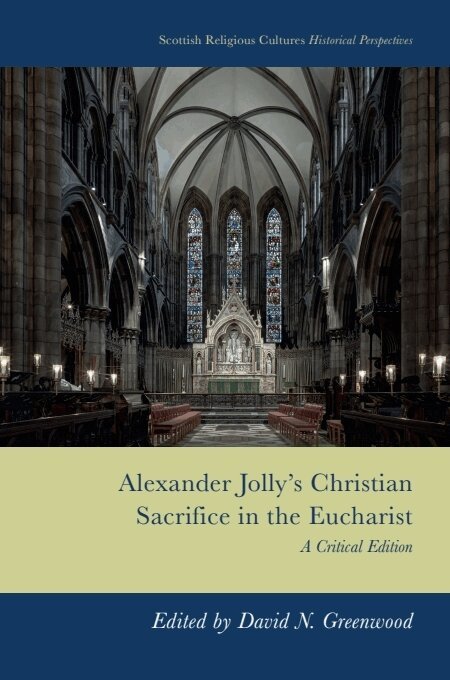
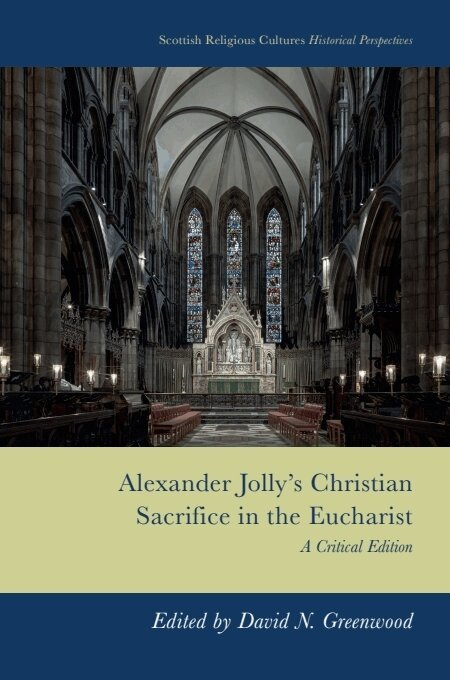
One of the great tragedies of the history of the church is that the Eucharist, intended to both symbolise and promote the unity of the church, has become a primary dividing point among Christians. Today, the Eucharistic prayer of invocation is assumed to involve transubstantiation, and is lauded or derided on the basis of that understanding. Few users of the American or Scottish Prayerbooks or their descendants realise that the Eucharistic theology of those that (re)introduced that liturgy with its invocation into the Anglican stream categorically rejected transubstantiation. In his 1831 work, The Christian Sacrifice in the Eucharist, Bishop Alexander Jolly promoted for a wide audience a view of the Eucharist that had flourished in Scotland for centuries. That Eucharistic doctrine has the potential to bridge the gap between major strands of Christianity.
689 kr
Skickas inom 10-15 vardagar
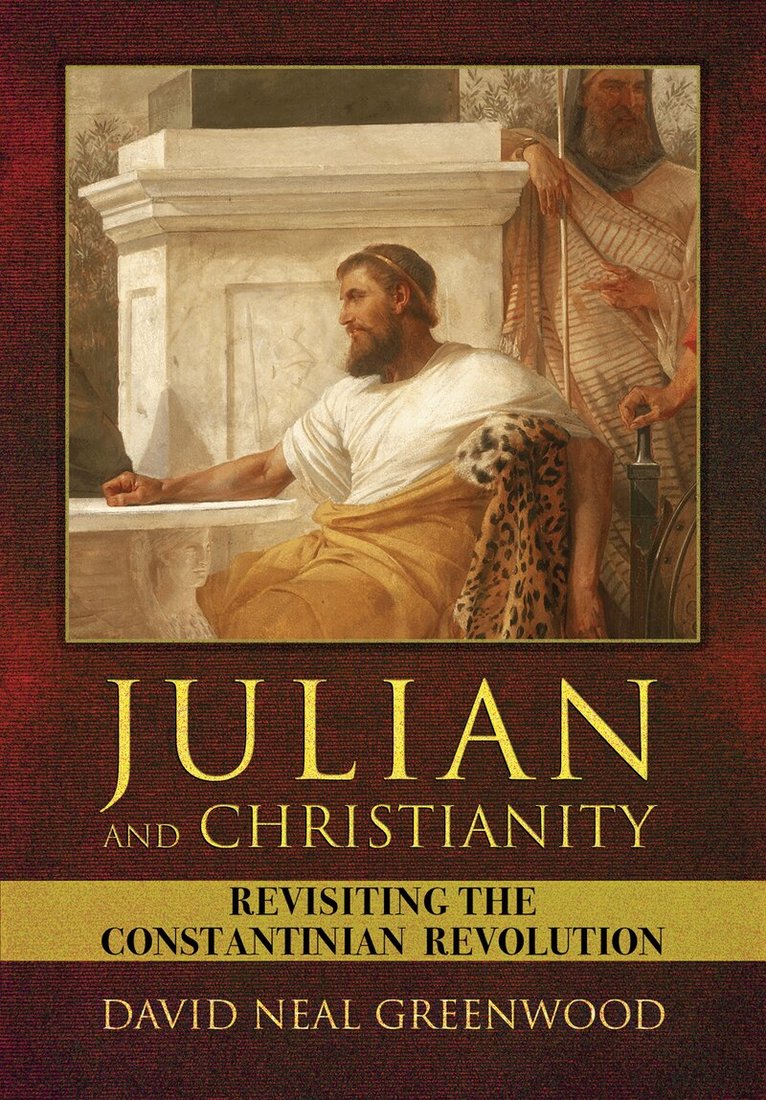
The Roman emperor Julian is a figure of ongoing interest and the subject of David Neal Greenwood's Julian and Christianity. This unique examination of Julian as the last pagan emperor and anti-Christian polemicist revolves around his drive and status as a ruler. Greenwood adeptly outlines the dramatic impact of Julian's short-lived regime on the course of history, with a particular emphasis on his relationship with Christianity.Julian has experienced a wide-ranging reception throughout history, shaped by both adulation and vitriol, along with controversies and rumors that question his sanity and passive ruling. His connections to Christianity, however, are rooted in his regime's open hostility, which Greenwood shows is outlined explicitly in Oration 7: To the Cynic Heracleios. Greenwood's close reading of Oration 7 highlights not only Julian's extensive anti-Christian religious program and decided rejection of Christianity but also his brilliant, calculated use of that same religion. As Greenwood emphasizes in Julian and Christianity, these attributes were inextricably tied to Julian's relationship with Christianity—and how he appropriated certain theological elements from the religion for his own religious framework, from texts to deities.Through his nuanced, detailed readings of Julian's writings, Greenwood brings together ancient history, Neoplatonist philosophy, and patristic theology to create an exceptional and thoughtful biography of the great Roman leader. As a result, Julian and Christianity is a deeply immersive look at Julian's life, one that considers his multifaceted rule and the deliberate maneuvers he made on behalf of political ascendancy.