David S. Tanenhaus - Böcker
Visar alla böcker från författaren David S. Tanenhaus. Handla med fri frakt och snabb leverans.
7 produkter
7 produkter
477 kr
Skickas inom 5-8 vardagar
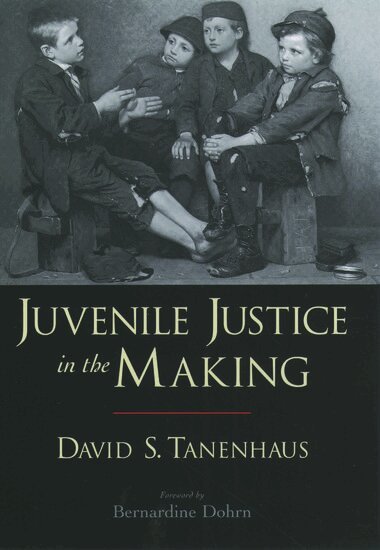
"Tried as an adult." The phrase rings with increasing frequency through America's courtrooms. In Michigan, an 11-year-old is charged with first-degree homicide in the shooting death of a playmate. A mentally disabled boy in Florida faces armed robbery and extortion charges that could bring 30 years in prison for stealing $2 worth of food. Faith in childhood, and its corollary that separate courts are required for children because they are developmentally different from adults, appears to be vanishing. Almost forgotten in this climate--in which a New York Times' headline boldly announced that the "Fear of Crime Trumps the Fear of Lost Youth"--is the fact that the juvenile court is one of America's most influential legal inventions.Long before the crimes of the young became a national preoccupation, Americans struggled with many of the same questions posed by today's aggressive sentencing of minors. What is the legal status of children? Does a particularly horrific crime merit a commensurately severe response, regardless of the age of the offender? Who belongs in juvenile court, and what is its exact purpose?In his engaging narrative history of the rise and workings of America's first juvenile court, David S. Tanenhaus explores the fundamental and enduring question of how the law should treat the young. Sifting through almost 3,000 previously unexamined Chicago case files from the early twentieth century, Tanenhaus reveals how children's advocates slowly built up a separate court system for juveniles, all the while fighting political and legal battles to legitimate this controversial institution. In the process, the juvenile court became a catalyst for the development of the American welfare state, the medicalization of child rearing, and the beginnings of innovative community organizing programs.Today, as America's treatment of juvenile offenders becomes increasingly draconian, the United States, once a leader in the international crusade to secure justice for children, is now in this respect effectively a rogue nation. Harkening back to a more hopeful and nuanced age Juvenile Justice in the Making provides a valuable historical framework for thinking about youth policy.
341 kr
Skickas inom 5-8 vardagar
In his engaging narrative history of the rise and workings of America's first juvenile court, David S. Tanenhaus explores the fundamental and enduring question of how the law should treat the young. Sifting through almost 3,000 previously unexamined Chicago case files from the early twentieth century, Tanenhaus reveals how children's advocates slowly built up a separate system for juveniles, all the while fighting political and legal battles to legitimate this controversial institution. Harkening back to a more hopeful and nuanced age, Juvenile Justice in the Making provides a valuable historical framework for thinking about youth policy.
914 kr
Skickas inom 10-15 vardagar
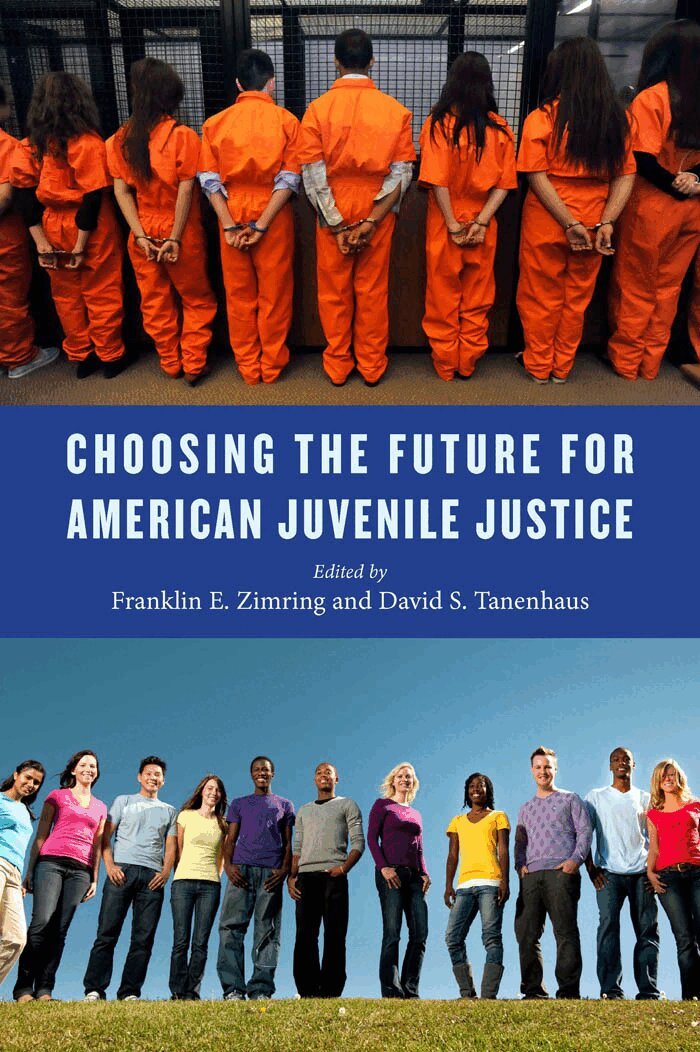
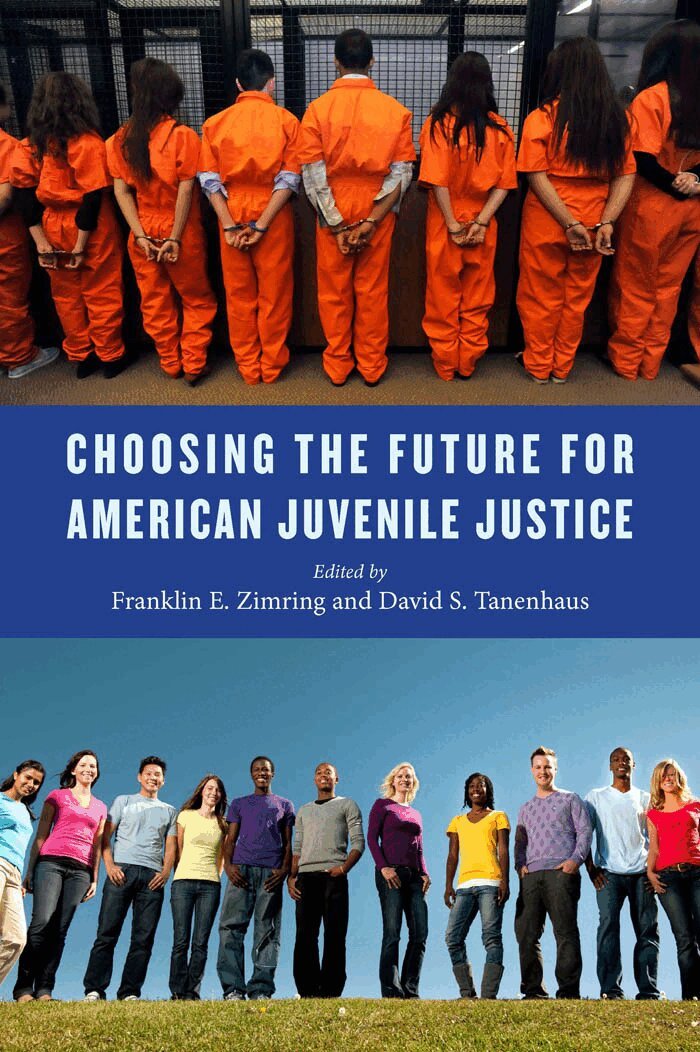
Thisis a hopeful but complicated era for those with ambitions to reform thejuvenile courts and youth-serving public institutions in the United States. As advocates plea for major reforms, many fear the public backlash inmaking dramatic changes. Choosing the Future for American Juvenile Justiceprovides a look at the recent trends in juvenile justice as well as suggestionsfor reforms and policy changes in the future. Should youth be treated as adultswhen they break the law? How can youth be deterred from crime? What factorsshould be considered in how youth are punished?What role should the police have in schools?This essential volume, edited by two of the leadingscholars on juvenile justice, and with contributors who are among the keyexperts on each issue, the volume focuses on the most pressing issues of theday: the impact of neuroscience on our understanding of brain development andsubsequent sentencing, the relationship of schools and the police, the issue ofthe school-to-prison pipeline, the impact of immigration, the privacy of juvenile records, and the need for nationalpolicies—including registration requirements--for juvenile sex offenders. Choosingthe Future for American Juvenile Justice is not only a timely collection, basedon the most current research, but also a forward-thinking volume thatanticipates the needs for substantive and future changes in juvenile justice.
1 154 kr
Skickas inom 10-15 vardagar
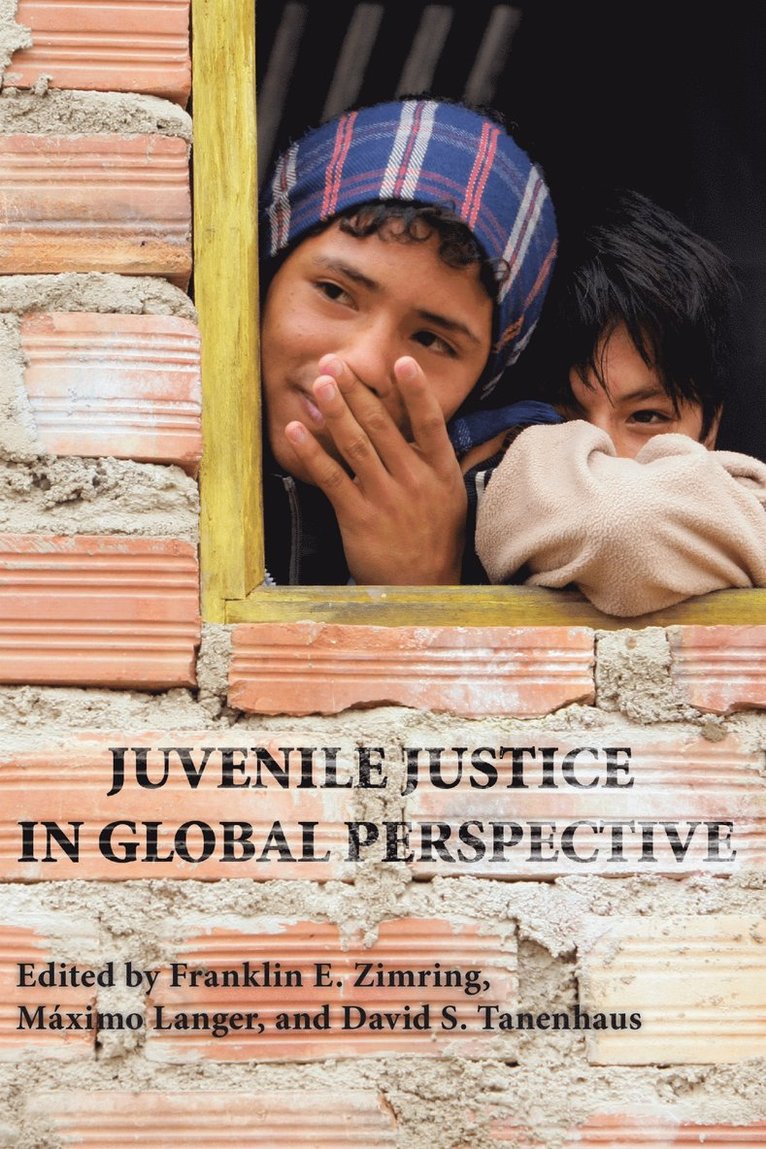
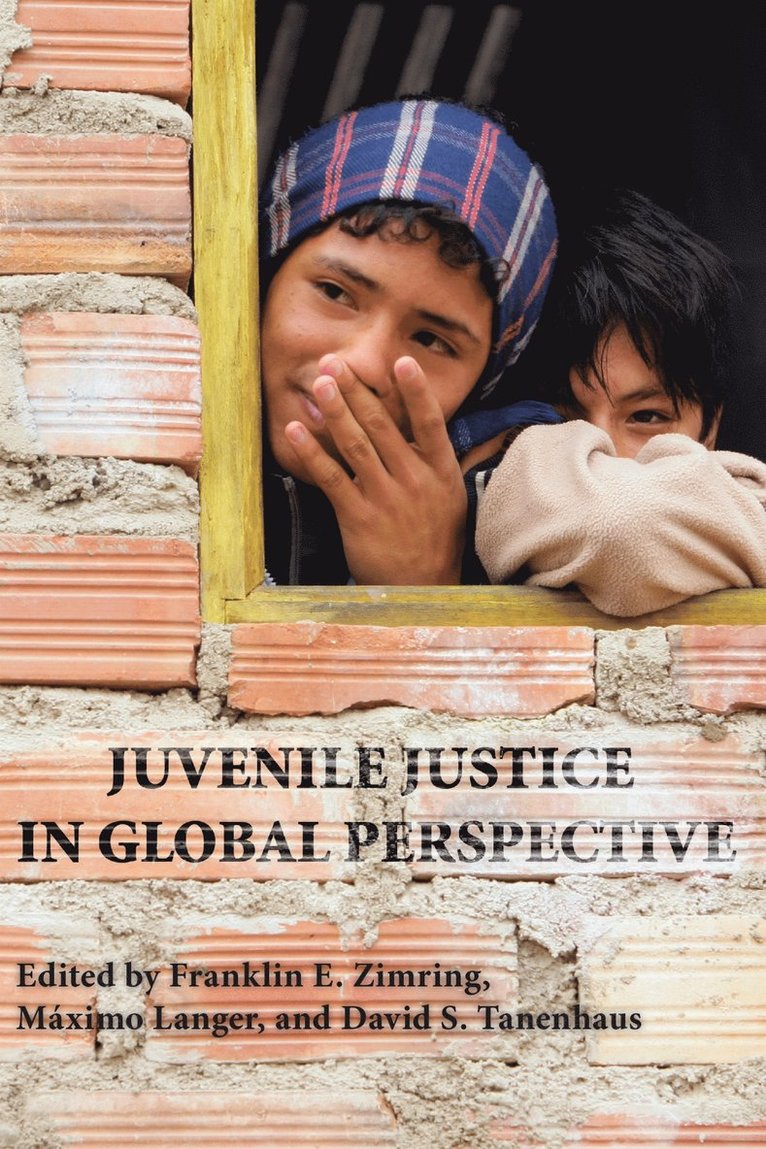
An unprecedented comparison of juvenile justice systems across the globe, Juvenile Justice in Global Perspective brings together original contributions from some of the world's leading voices.While American scholars may have extensive knowledge about other justice systems around the world and how adults are treated, juvenile justice systems and the plight of youth who break the law throughout the world is less often studied. This important volume fills a large gap in the study of juvenile justice by providing an unprecedented comparison of criminal justice and juvenile justice systems across the world, looking for points of comparison and policy variance that can lead to positive change in the United States. Distinguished criminology scholars Franklin Zimring, Máximo Langer, and David Tanenhaus, and the contributors cover countries from Western Europe to rising powers like China, India, and countries in Latin America. The book discusses important issues such as the relationship between political change and juvenile justice, the common labels used to unify juvenile systems in different regions and in different forms of government, the types of juvenile systems that exist and how they differ, and more. Furthermore, the book uses its data on criminal versus juvenile justice in a wide variety of nations to create a new explanation of why separate juvenile and criminal courts are felt to be necessary.
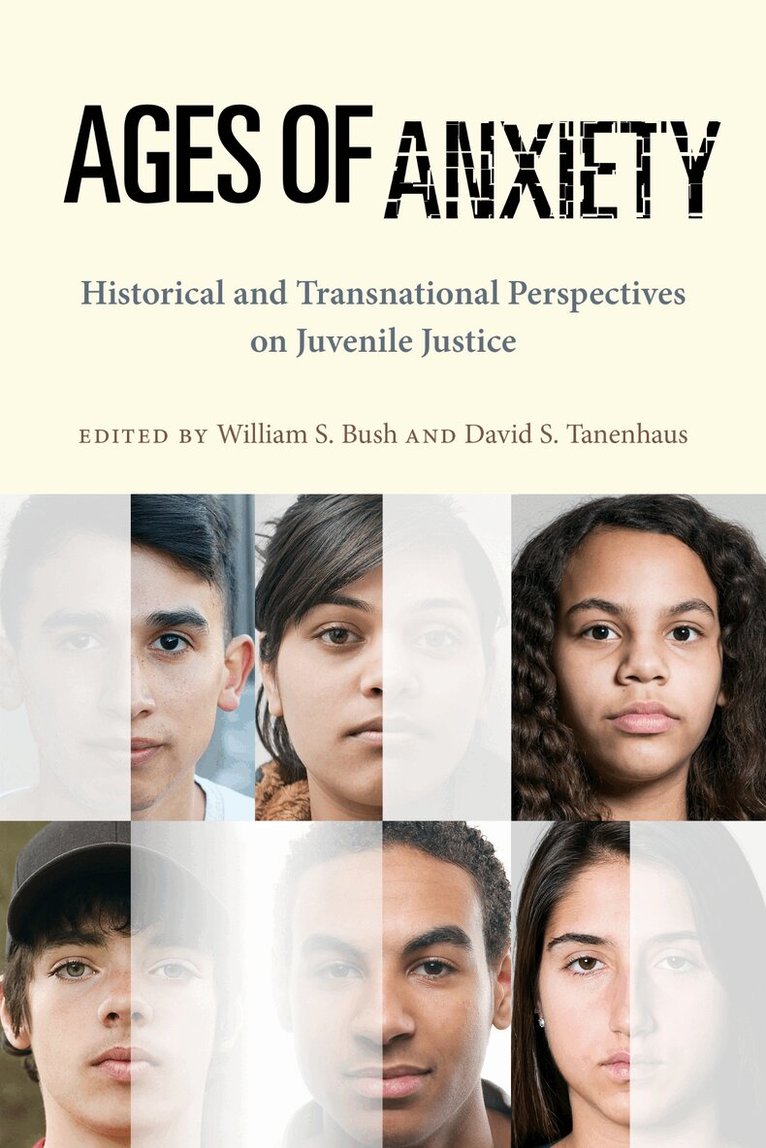
Ages of Anxiety
Historical and Transnational Perspectives on Juvenile Justice
Inbunden, Engelska, 2018
546 kr
Skickas inom 10-15 vardagar
Six compelling histories of youth crime in the twentieth century Ages of Anxiety presents six case studies of juvenile justice policy in the twentieth century from around the world, adding context to the urgent and international conversation about youth, crime, and justice. By focusing on magistrates, social workers, probation and police officers, and youth themselves, editors William S. Bush and David S. Tanenhaus highlight the role of ordinary people as meaningful and consequential historical actors. After providing an international perspective on the social history of ideas about how children are different from adults, the contributors explain why those differences should matter for the administration of justice. They examine how reformers used the idea of modernization to build and legitimize juvenile justice systems in Europe and Mexico, and present histories of policing and punishing youth crime. Ages of Anxiety introduces a new theoretical model for interpreting historical research to demonstrate the usefulness of social histories of children and youth for policy analysis and decision-making in the twenty-first century. Shedding new light on the substantive aims of the juvenile court, the book is a historically informed perspective on the critical topic of youth, crime, and justice.
362 kr
Skickas inom 7-10 vardagar
Thisis a hopeful but complicated era for those with ambitions to reform thejuvenile courts and youth-serving public institutions in the United States. As advocates plea for major reforms, many fear the public backlash inmaking dramatic changes. Choosing the Future for American Juvenile Justiceprovides a look at the recent trends in juvenile justice as well as suggestionsfor reforms and policy changes in the future. Should youth be treated as adultswhen they break the law? How can youth be deterred from crime? What factorsshould be considered in how youth are punished?What role should the police have in schools?This essential volume, edited by two of the leadingscholars on juvenile justice, and with contributors who are among the keyexperts on each issue, the volume focuses on the most pressing issues of theday: the impact of neuroscience on our understanding of brain development andsubsequent sentencing, the relationship of schools and the police, the issue ofthe school-to-prison pipeline, the impact of immigration, the privacy of juvenile records, and the need for nationalpolicies—including registration requirements--for juvenile sex offenders. Choosingthe Future for American Juvenile Justice is not only a timely collection, basedon the most current research, but also a forward-thinking volume thatanticipates the needs for substantive and future changes in juvenile justice.
251 kr
Skickas
An unprecedented comparison of juvenile justice systems across the globe, Juvenile Justice in Global Perspective brings together original contributions from some of the world's leading voices.While American scholars may have extensive knowledge about other justice systems around the world and how adults are treated, juvenile justice systems and the plight of youth who break the law throughout the world is less often studied. This important volume fills a large gap in the study of juvenile justice by providing an unprecedented comparison of criminal justice and juvenile justice systems across the world, looking for points of comparison and policy variance that can lead to positive change in the United States. Distinguished criminology scholars Franklin Zimring, Máximo Langer, and David Tanenhaus, and the contributors cover countries from Western Europe to rising powers like China, India, and countries in Latin America. The book discusses important issues such as the relationship between political change and juvenile justice, the common labels used to unify juvenile systems in different regions and in different forms of government, the types of juvenile systems that exist and how they differ, and more. Furthermore, the book uses its data on criminal versus juvenile justice in a wide variety of nations to create a new explanation of why separate juvenile and criminal courts are felt to be necessary.