David Simpkin - Böcker
Visar alla böcker från författaren David Simpkin. Handla med fri frakt och snabb leverans.
5 produkter
5 produkter
356 kr
Kommande
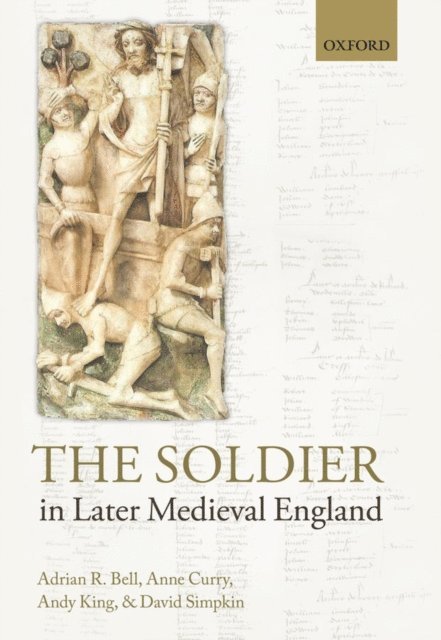
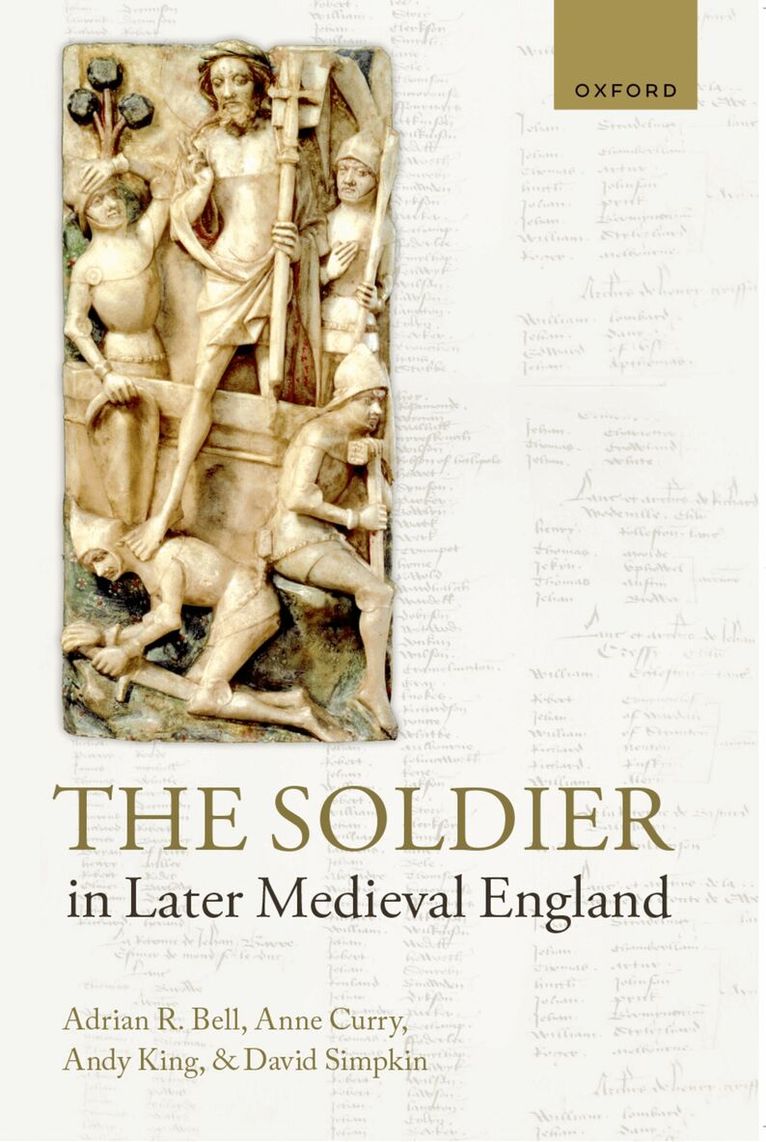
The Hundred Years War was a struggle for control over the French throne, fought as a series of conflicts between England, France, and their respective allies. The Soldier in Later Medieval England is the outcome of a project which collects the names of every soldier known to have served the English Crown from 1369 to the loss of Gascony in 1453, the event which is traditionally accepted as the end-date of the Hundred Years War. The data gathered throughout the project has allowed the authors of this volume to compare different forms of war, such as the chevauchées of the late fourteenth century and the occupation of French territories in the fifteenth century, and thus to identify longer-term trends. It also highlights the significance of the change of dynasty in England in the early 1400s.The scope of the volume begins in 1369 because of the survival from that point of the 'muster roll', a type of documentary record in which soldiers names are systematically recorded. The muster roll is a rich resource for the historian, as it allows closer study to be made of the peerage, the knights, the men-at-arms (the esquires), and especially the lower ranks of the army, such as the archers, who contributed the largest proportion of troops to English royal service. The Soldier in Later Medieval England seeks to investigate the different types of soldier, their regional and national origins, and movement between ranks. This is a wide-ranging volume, which offers invaluable insights into a much-neglected subject, and presents many opportunities for future research.
2 348 kr
Skickas inom 5-8 vardagar
The Hundred Years War was a struggle for control over the French throne, fought as a series of conflicts between England, France, and their respective allies. The Soldier in Later Medieval England is the outcome of a project which collects the names of every soldier known to have served the English Crown from 1369 to the loss of Gascony in 1453, the event which is traditionally accepted as the end-date of the Hundred Years War. The data gathered throughout the project has allowed the authors of this volume to compare different forms of war, such as the chevauchées of the late fourteenth century and the occupation of French territories in the fifteenth century, and thus to identify longer-term trends. It also highlights the significance of the change of dynasty in England in the early 1400s.The scope of the volume begins in 1369 because of the survival from that point of the 'muster roll', a type of documentary record in which soldiers names are systematically recorded. The muster roll is a rich resource for the historian, as it allows closer study to be made of the peerage, the knights, the men-at-arms (the esquires), and especially the lower ranks of the army, such as the archers, who contributed the largest proportion of troops to English royal service. The Soldier in Later Medieval England seeks to investigate the different types of soldier, their regional and national origins, and movement between ranks. This is a wide-ranging volume, which offers invaluable insights into a much-neglected subject, and presents many opportunities for future research.
Del 26 - Warfare in History
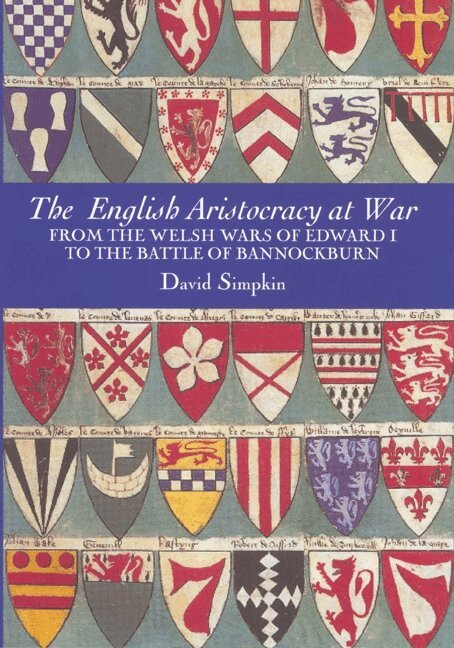
English Aristocracy at War
From the Welsh Wars of Edward I to the Battle of Bannockburn
Häftad, Engelska, 2017
285 kr
Skickas inom 7-10 vardagar
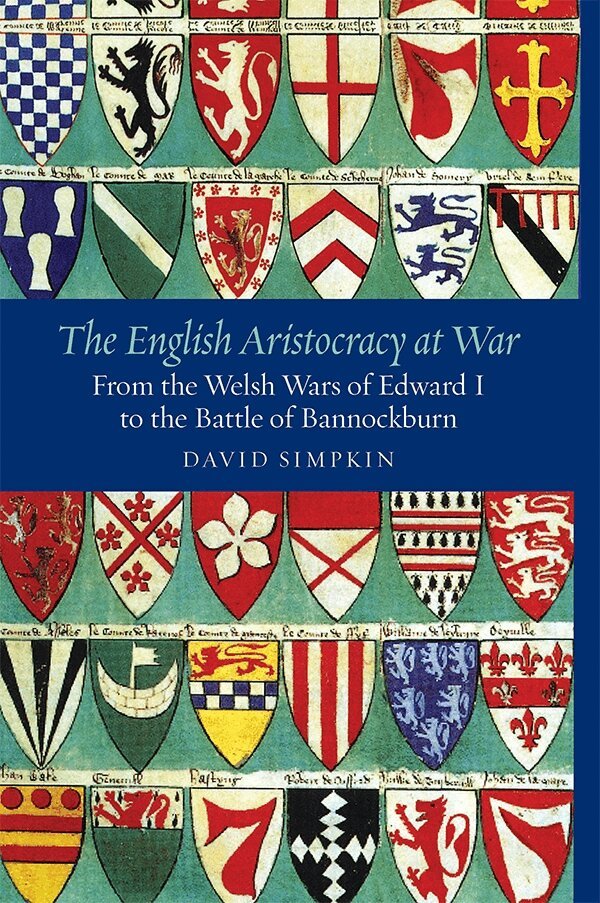
A new appraisal of the military careers and activities of soldiers from elite medieval families.In 1277 the recently crowned king of England, Edward I, invaded Wales; his army, large for the time, was none the less modest by his later standards. Most of his countrymen had not been on active service outside the realm for twenty years and more, if at all, yet over the course of the following four decades, up to the battle of Bannockburn in 1314, they would be called upon to fight in four different theatres of war: in Wales, Gascony, Flanders and Scotland.Although the identities of many of the men who fought in these wars, particularly those of the thousands of peasant foot soldiers, will never be known, the names of a large proportion of the men-at-arms can be located inthe records of central government. This book utilises these sources - pay-rolls, horse inventories, wardrobe books and others - to examine the military careers and activities of these men-at-arms, focusing on five main themes: mobilisation; military command; service patterns among the gentry; retinues and their composition; and 'feudal' service.Dr DAVID SIMPKIN is Teacher of History at Birkenhead Sixth-Form College.
Del 44 - Warfare in History
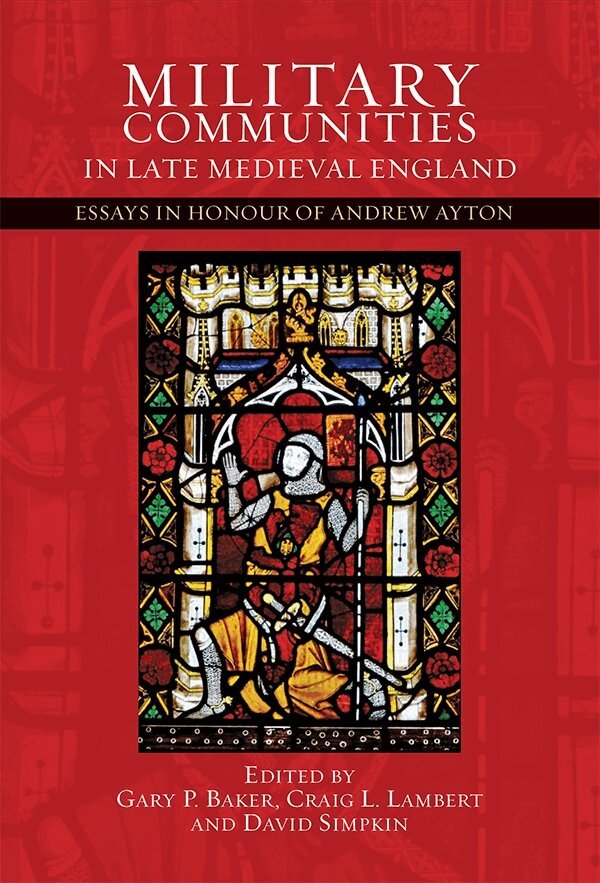
Military Communities in Late Medieval England
Essays in Honour of Andrew Ayton
Inbunden, Engelska, 2018
1 192 kr
Skickas inom 7-10 vardagar
The theme of warfare as a collective enterprise investigated in the theatres of both land and sea.From warhorses to the men-at-arms who rode them; armies that were raised to the lords who recruited, led, administered, and financed them; and ships to the mariners who crewed them; few aspects of the organisation and logistics ofwar in late medieval England have escaped the scholarly attention, or failed to benefit from the insights, of Dr Andrew Ayton. The concept of the military community, with its emphasis on warfare as a collective social enterprise, has always lain at the heart of his work; he has shown in particular how this age of warfare is characterised by related but intersecting military communities, marked not only by the social and political relationships within armies and navies, but by communities of mind, experience, and enterprise.The essays in this volume, ranging from the late thirteenth to the early fifteenth century, address various aspects of this idea. They offer investigations of soldiers' and mariners' equipment; their obligations, functions, status, and recruitment; and the range and duration of their service. Gary P. Baker is a Research Associate at the University of East Angliaand a Researcher in History at the University of Groningen; Craig L. Lambert is Lecturer in Maritime History at the University of Southampton; David Simpkin teaches history at Birkenhead Sixth-Form College.Contributors: Gary P. Baker, Adrian R. Bell, Peter Coss, Anne Curry, Robert W. Jones, Andy King, Craig L. Lambert, Tony K. Moore, J.J.N. Palmer, Philip Preston, Michael Prestwich, Matthew Raven, Clifford J. Rogers, Nigel Saul, David Simpkin.
Del 26 - Warfare in History
English Aristocracy at War
From the Welsh Wars of Edward I to the Battle of Bannockburn
Inbunden, Engelska, 2008
1 067 kr
Skickas inom 7-10 vardagar
A new appraisal of the military careers and activities of soldiers from elite medieval families.In 1277 the recently crowned king of England, Edward I, invaded Wales; his army, large for the time, was none the less modest by his later standards. Most of his countrymen had not been on active service outside the realm for twenty years and more, if at all, yet over the course of the following four decades, up to the battle of Bannockburn in 1314, they would be called upon to fight in four different theatres of war: in Wales, Gascony, Flanders and Scotland.Although the identities of many of the men who fought in these wars, particularly those of the thousands of peasant foot soldiers, will never be known, the names of a large proportion of the men-at-arms can be located inthe records of central government. This book utilises these sources - pay-rolls, horse inventories, wardrobe books and others - to examine the military careers and activities of these men-at-arms, focusing on five main themes: mobilisation; military command; service patterns among the gentry; retinues and their composition; and 'feudal' service.Dr DAVID SIMPKIN is Research Associate at the University of Reading.