David Ulbrich – författare
Visar alla böcker från författaren David Ulbrich. Handla med fri frakt och snabb leverans.
5 produkter
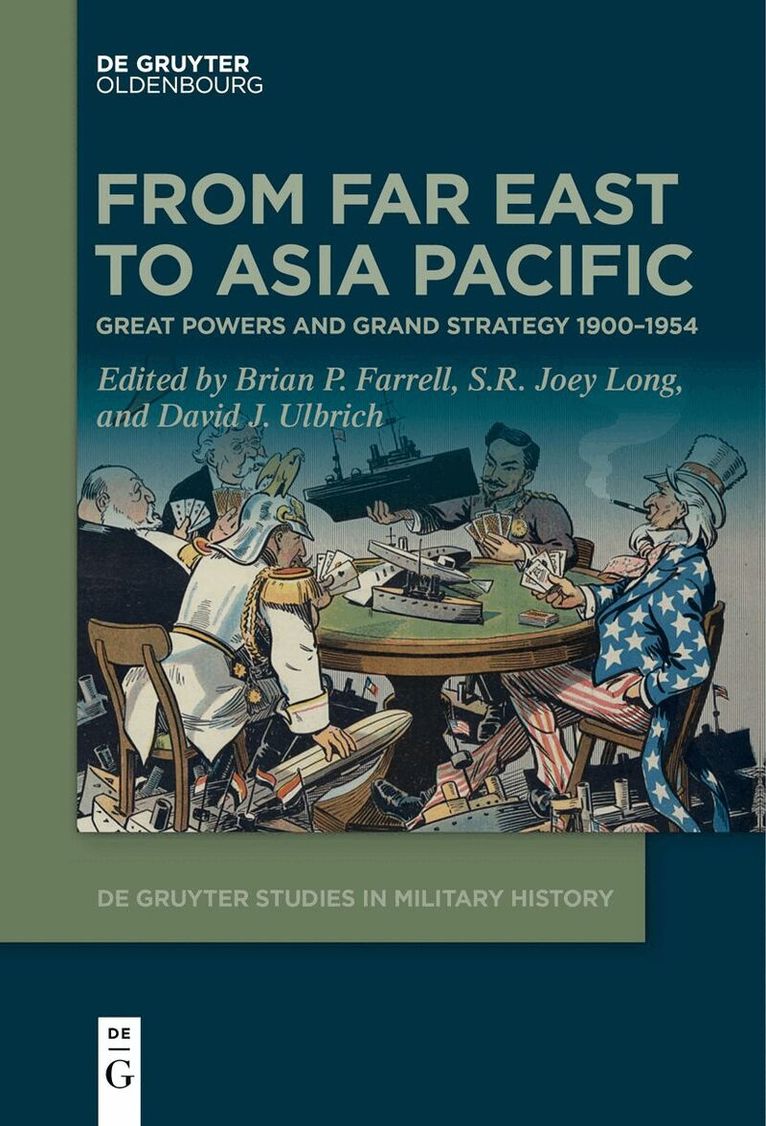
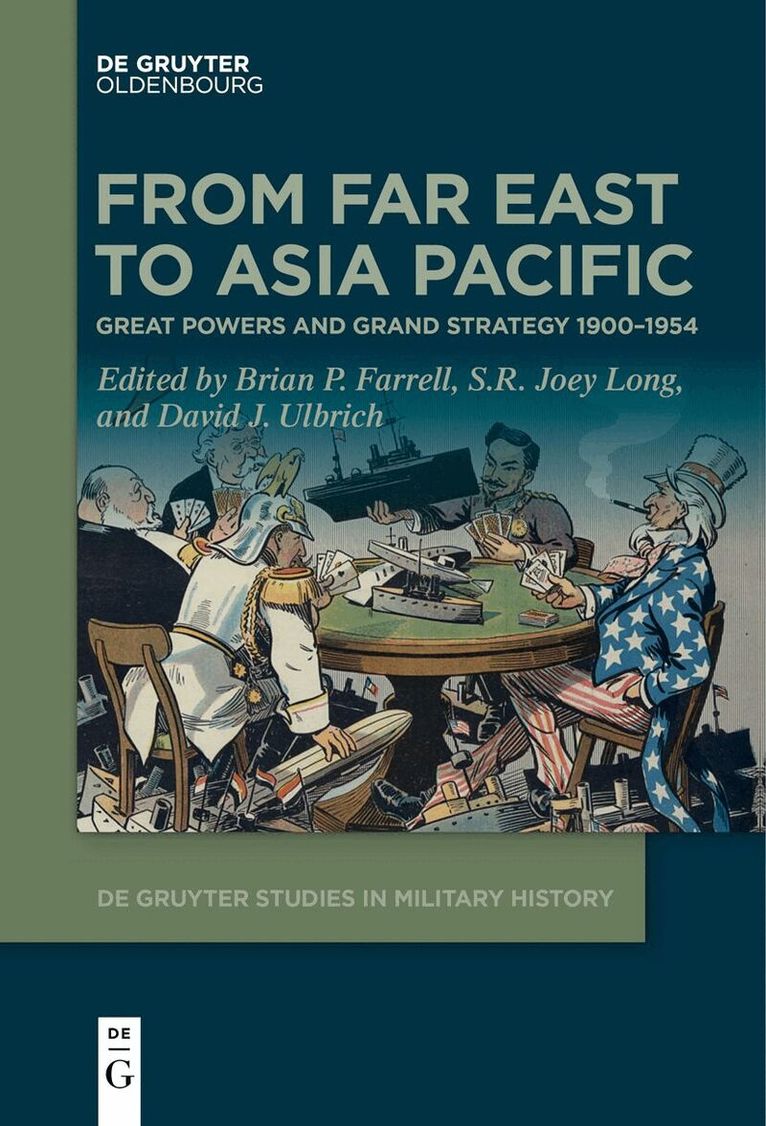
From Far East to Asia Pacific
Great Powers and Grand Strategy 1900–1954
Av Brian P. Farrell, S.R. Joey Long m. fl.
Inbunden, 2022
1450 kr
Lägg i varukorg
The years 1900 to 1954 marked the transformation from an exotic, colonized "Far East" to a more autonomous, prominent "Asia Pacific". This anthology examines the grand strategies of great powers as they vied for influence and ultimately hegemony in the region. At the turn of the twentieth century, …
From Far East to Asia Pacific
Great Powers and Grand Strategy 1900–1954
Av David Ulbrich, S.R. Joey Long m. fl.
E-bok, 2022
1388 kr
Lägg i varukorg
The years 1900 to 1954 marked the transformation from an exotic, colonized "Far East" to a more autonomous, prominent "Asia Pacific". This anthology examines the grand strategies of great powers as they vied for influence and ultimately hegemony in the region. At the turn of the twentieth century, …
From Far East to Asia Pacific
Great Powers and Grand Strategy 1900–1954
Av David Ulbrich, S.R. Joey Long m. fl.
E-bok, 2022
1388 kr
Lägg i varukorg
The years 1900 to 1954 marked the transformation from an exotic, colonized "Far East" to a more autonomous, prominent "Asia Pacific". This anthology examines the grand strategies of great powers as they vied for influence and ultimately hegemony in the region. At the turn of the twentieth century, …
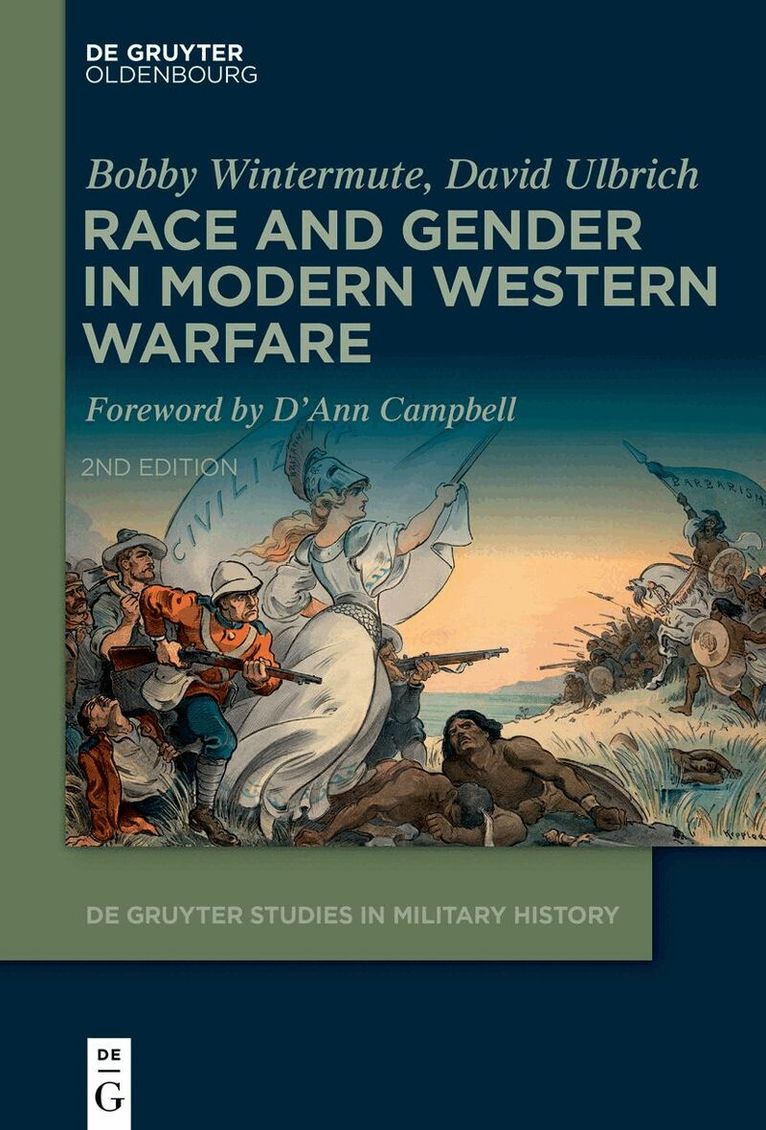
Race and Gender in Modern Western Warfare
Av Bobby Wintermute, David Ulbrich
Inbunden, 2026
2070 kr
Lägg i varukorg
The second edition of Race and Gender in Modern Western Warfare includes updated materials on the World Wars, the Cold War, and the Global War on Terror. Of particular interest are the additional perspectives and experiences of non-white, non-American, and non-Europeans that help give agency to …
From Far East to Asia Pacific
Great Powers and Grand Strategy 1900–1954
Av Brian P. Farrell, S.R. Joey Long m. fl.
Häftad, 2024
318 kr
Lägg i varukorg
The years 1900 to 1954 marked the transformation from an exotic, colonized "Far East" to a more autonomous, prominent "Asia Pacific". This anthology examines the grand strategies of great powers as they vied for influence and ultimately hegemony in the region. At the turn of the twentieth century, …