David Wessel – författare
Visar alla böcker från författaren David Wessel. Handla med fri frakt och snabb leverans.
11 produkter
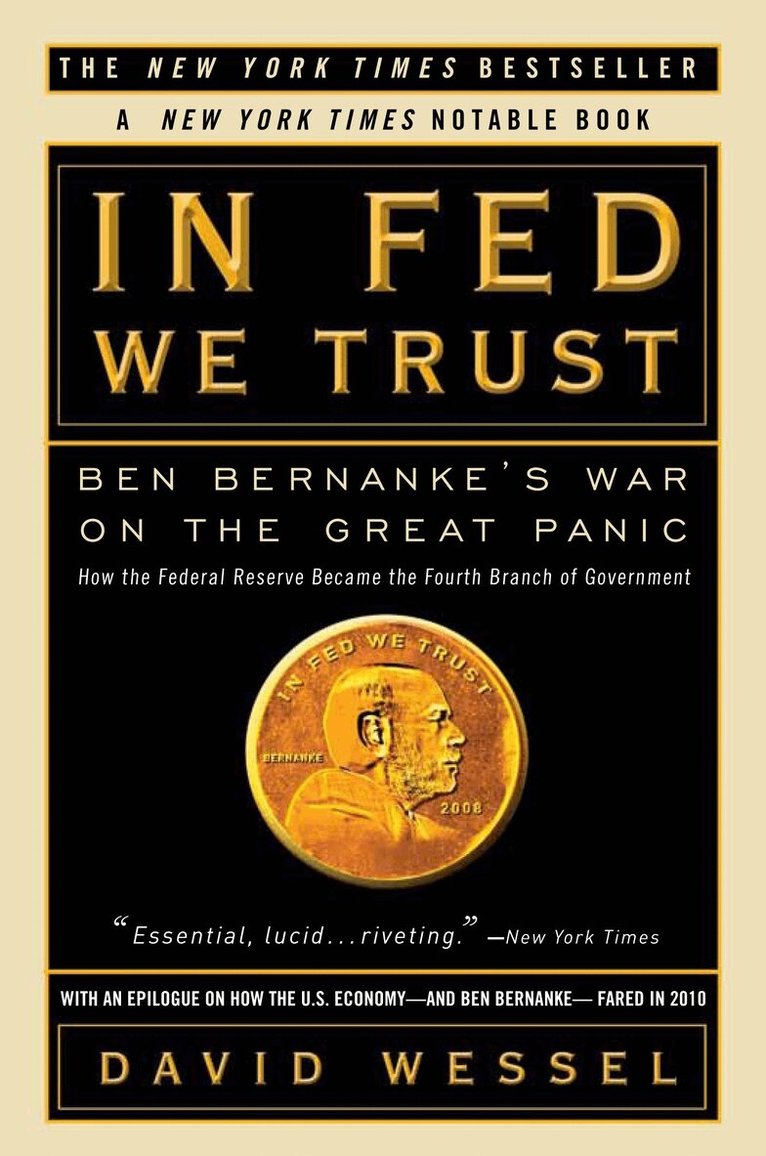
In FED We Trust
Ben Bernanke's War on the Great Panic
Av David Wessel
Häftad, 2010
215 kr
Lägg i varukorg
In FED We Trust
Ben Bernanke''s War on the Great Panic
Av David Wessel
E-bok, 2009
155 kr
Lägg i varukorg
“Whatever it takes” That was Federal Reserve Chairman Ben Bernanke’s vow as the worst financial panic in more than fifty years gripped the world and he struggled to avoid the once unthinkable: a repeat of the Great Depression. Brilliant but temperamentally cautious, Bernanke researched and wrote …
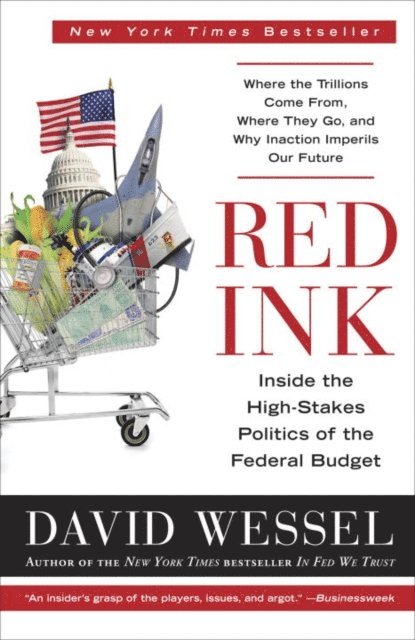
Red Ink
Inside the High-Stakes Politics of the Federal Budget
Av David Wessel
E-bok, 2012
121 kr
Lägg i varukorg
David Wessel, the Pulitzer-Prize-winning reporter, columnist, and bestselling author of In Fed We Trust , dissects the federal budget: a topic that is fiercely debated today in the halls of Congress and the media, and yet is misunderstood by the American public. Now a New York Times bestseller. In …
Red Ink: Inside the High-Stakes Politics of the Federal Budget
Av David Wessel
Häftad, 2013
193 kr
Lägg i varukorg
Central Banking after the Great Recession
Lessons Learned, Challenges Ahead
Av David Wessel
Häftad, 2014
240 kr
Lägg i varukorg
The global financial crisis is largely behind us, but the challenges it poses to the future stability of the world's economic system affects everyone from American families to Main Street businesses to Wall Street financial powerhouses. It has provoked controversy over the best way to reduce the …
Central Banking after the Great Recession
Lessons Learned, Challenges Ahead
Av David Wessel
E-bok, 2014
257 kr
Lägg i varukorg
The global financial crisis is largely behind us, but the challenges it poses to the future stability of the world's economic system affects everyone from American families to Main Street businesses to Wall Street financial powerhouses. It has provoked controversy over the best way to reduce the …
$13 Trillion Question
Managing the U.S. Government's Debt
Av David Wessel
Häftad, 2015
275 kr
Lägg i varukorg
The underexamined art and science of managing the federal government's huge debt.Everyone talks about the size of the U.S. national debt, now at $13 trillion and climbing, but few talk about how the U.S. Treasury does the borrowingeven though it is one of the world's largest borrowers. Everyone …
$13 Trillion Question
Managing the U.S. Government's Debt
Av David Wessel
E-bok, 2015
305 kr
Lägg i varukorg
The underexamined art and science of managing the federal government's huge debt. Everyone talks about the size of the U.S. national debt, now at $13 trillion and climbing, but few talk about how the U.S. Treasury does the borrowingeven though it is one of the world's largest borrowers. Everyone …
Global Goliaths
Multinational Corporations in the 21st Century Economy
Av James R. Hines, C. Fritz Foley m. fl.
Häftad, 2021
531 kr
Lägg i varukorg
How multinationals contribute, or don't, to global prosperityGlobalization and multinational corporations have long seemed partners in the enterprise of economic growth: globalization-led prosperity was the goal, and giant corporations spanning the globe would help achieve it. In recent years, …
Global Goliaths
Multinational Corporations in the 21st Century Economy
Av James R. Hines, C. Fritz Foley m. fl.
E-bok, 2021
561 kr
Lägg i varukorg
How multinationals contribute, or don''t, to global prosperity Globalization and multinational corporations have long seemed partners in the enterprise of economic growth: globalization-led prosperity was the goal, and giant corporations spanning the globe would help achieve it. In recent years, …
Only the Rich Can Play
How Washington Works in the New Gilded Age
Av David Wessel
Inbunden, 2021
217 kr
Lägg i varukorg
David Wessel's incredible tale of how Washington works-and why the rich keep getting richer-starts when a Silicon Valley entrepreneur concocts an idea that will save money on his taxes and spins it as a way to ostensibly help poor people. He organizes and pays for an effective lobbying effort that …