Deborah G. Johnson – författare
Visar alla böcker från författaren Deborah G. Johnson. Handla med fri frakt och snabb leverans.
6 produkter
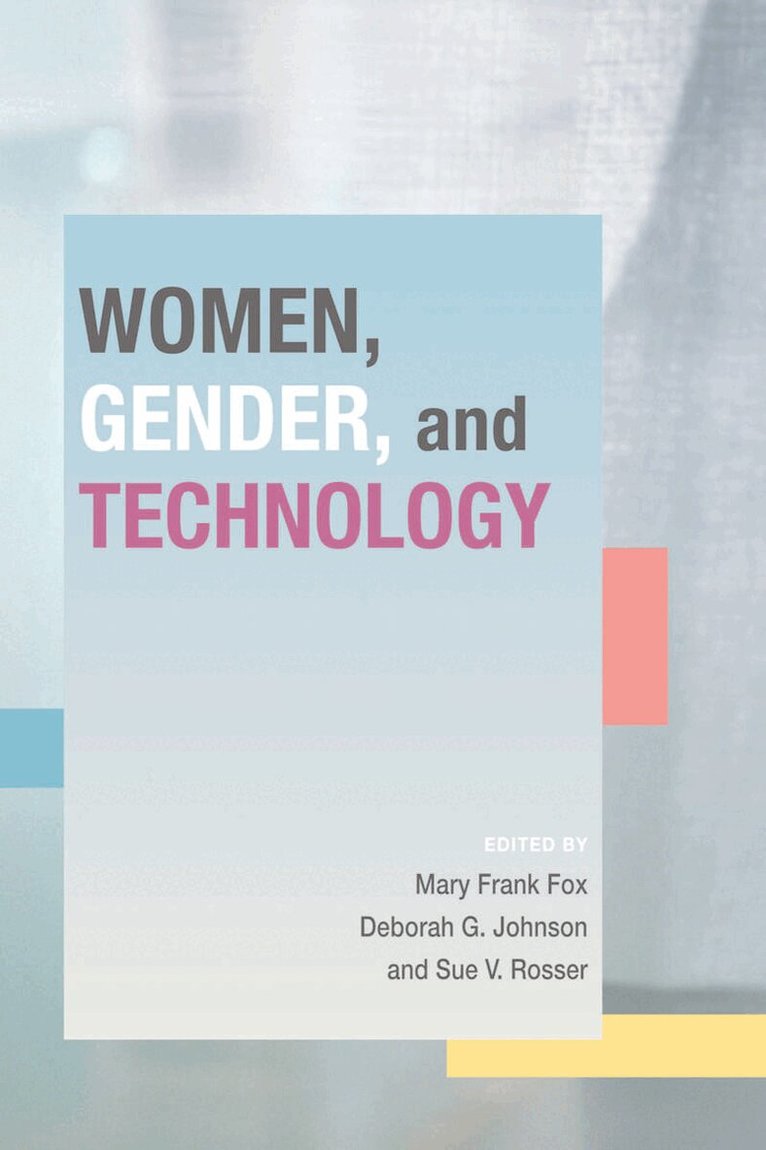
Women, Gender, and Technology
Av Mary Frank Fox, Deborah G. Johnson m. fl.
E-bok, 2024
568 kr
Lägg i varukorg
An interdisciplinary investigation of the co-creation of gender and technology Each of the ten chapters in Women, Gender, and Technology explores a different aspect of how gender and technology work--and are at work--in particular domains, including film narratives, reproductive technologies, …
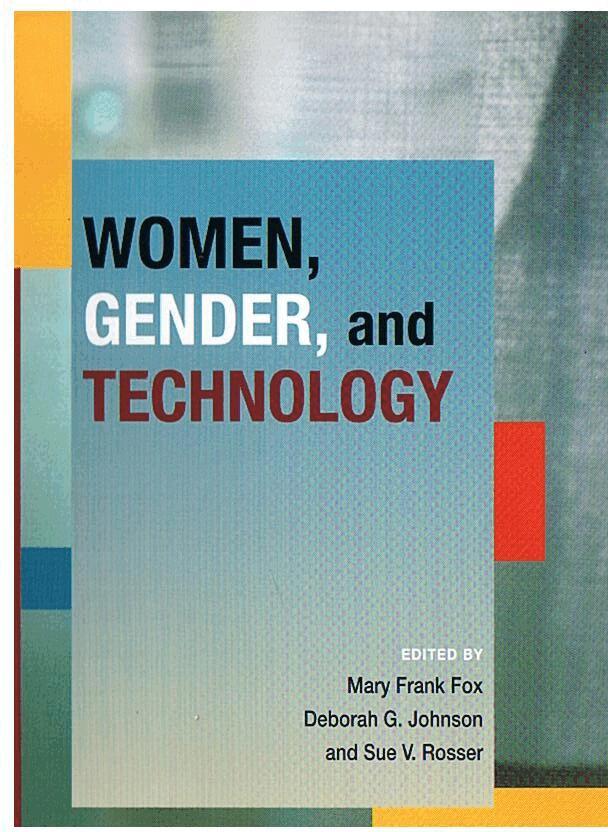
Women, Gender, and Technology
Av Mary Frank Fox, Deborah G. Johnson m. fl.
Häftad, 2006
343 kr
Lägg i varukorg
An interdisciplinary investigation of the co-creation of gender and technologyEach of the ten chapters in Women, Gender, and Technology explores a different aspect of how gender and technology work--and are at work--in particular domains, including film narratives, reproductive technologies, …
Engineering Ethics
Contemporary and Enduring Debates
Häftad, 2020
232 kr
Lägg i varukorg
An engaging, accessible survey of the ethical issues faced by engineers, designed for studentsThe first engineering ethics textbook to use debates as the framework for presenting engineering ethics topics, this engaging, accessible survey explores the most difficult and controversial issues that …
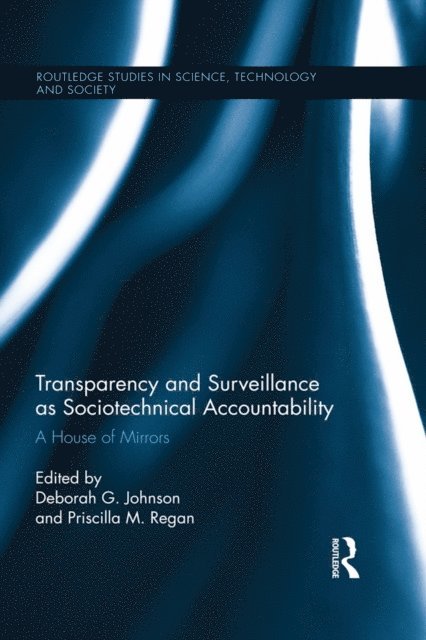
Transparency and Surveillance as Sociotechnical Accountability
A House of Mirrors
Av Deborah G. Johnson, Priscilla M. Regan
Inbunden, 2014
2504 kr
Lägg i varukorg
Surveillance and transparency are both significant and increasingly pervasive activities in neoliberal societies. Surveillance is taken up as a means to achieving security and efficiency; transparency is seen as a mechanism for ensuring compliance or promoting informed consumerism and informed …
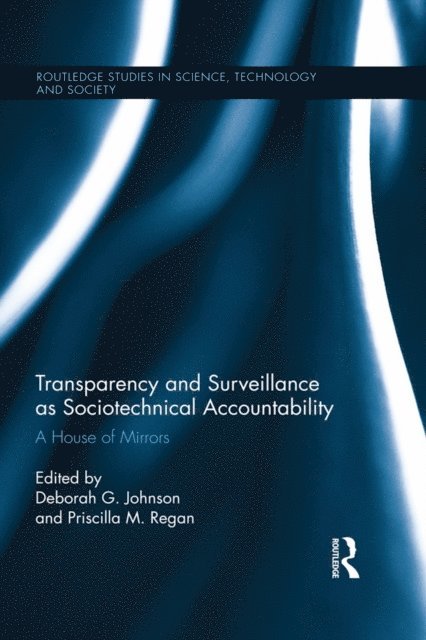
Transparency and Surveillance as Sociotechnical Accountability
A House of Mirrors
Av Priscilla M. Regan, Deborah G. Johnson
E-bok, 2014
805 kr
Lägg i varukorg
Surveillance and transparency are both significant and increasingly pervasive activities in neoliberal societies. Surveillance is taken up as a means to achieving security and efficiency; transparency is seen as a mechanism for ensuring compliance or promoting informed consumerism and informed …
Transparency and Surveillance as Sociotechnical Accountability
A House of Mirrors
Av Priscilla M. Regan, Deborah G. Johnson
E-bok, 2014
831 kr
Lägg i varukorg
Surveillance and transparency are both significant and increasingly pervasive activities in neoliberal societies. Surveillance is taken up as a means to achieving security and efficiency; transparency is seen as a mechanism for ensuring compliance or promoting informed consumerism and informed …