Deborah Gray White - Böcker
Visar alla böcker från författaren Deborah Gray White. Handla med fri frakt och snabb leverans.
12 produkter
12 produkter
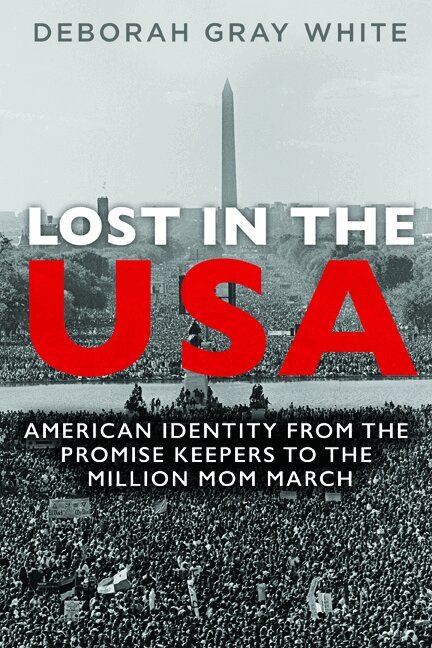
Lost in the USA
American Identity from the Promise Keepers to the Million Mom March
Inbunden, Engelska, 2017
1 192 kr
Skickas inom 7-10 vardagar
Remembered as an era of peace and prosperity, turn-of-the-millennium America was also a time of mass protest. But the political demands of the marchers seemed secondary to an urgent desire for renewal and restoration felt by people from all walks of life. Drawing on thousands of personal testimonies, Deborah Gray White explores how Americans sought better ways of living in, and dealing with, a rapidly changing world. From the Million Man, Million Woman, and Million Mom Marches to the Promise Keepers and LGBT protests, White reveals a people lost in their own country. Mass gatherings offered a chance to bond with like-minded others against a relentless tide of loneliness and isolation. By participating, individuals opened a door to self-discovery that energized their quests for order, autonomy, personal meaning, and fellowship in a society that seemed hostile to such deeper human needs. Moving forward in time, White also shows what marchers found out about themselves and those gathered around them. The result is an eye-opening reconsideration of a defining time in contemporary America.
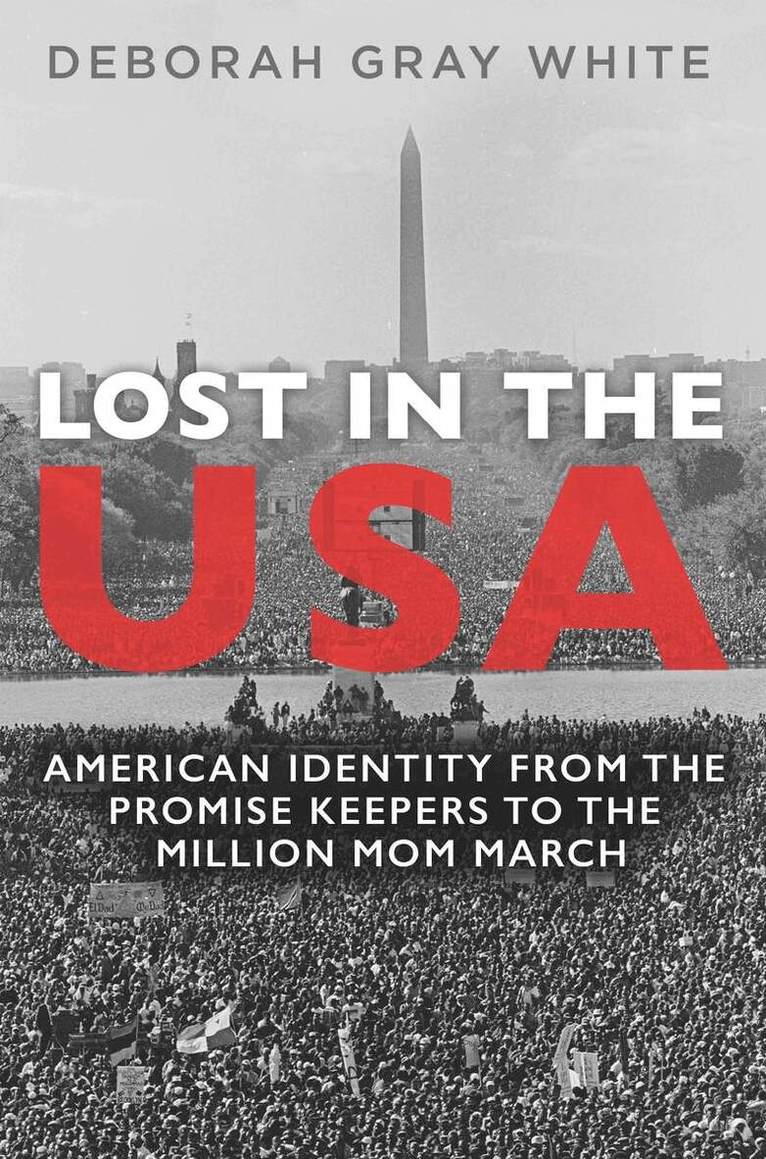
Lost in the USA
American Identity from the Promise Keepers to the Million Mom March
Häftad, Engelska, 2017
263 kr
Skickas inom 7-10 vardagar
Remembered as an era of peace and prosperity, turn-of-the-millennium America was also a time of mass protest. But the political demands of the marchers seemed secondary to an urgent desire for renewal and restoration felt by people from all walks of life. Drawing on thousands of personal testimonies, Deborah Gray White explores how Americans sought better ways of living in, and dealing with, a rapidly changing world. From the Million Man, Million Woman, and Million Mom Marches to the Promise Keepers and LGBT protests, White reveals a people lost in their own country. Mass gatherings offered a chance to bond with like-minded others against a relentless tide of loneliness and isolation. By participating, individuals opened a door to self-discovery that energized their quests for order, autonomy, personal meaning, and fellowship in a society that seemed hostile to such deeper human needs. Moving forward in time, White also shows what marchers found out about themselves and those gathered around them. The result is an eye-opening reconsideration of a defining time in contemporary America.
240 kr
Skickas inom 3-6 vardagar
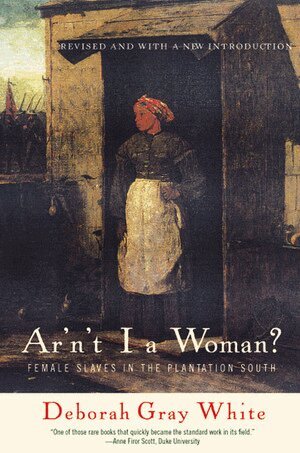
Living with the dual burdens of racism and sexism, slave women in the plantation South assumed roles within the family and community that contrasted sharply with traditional female roles in the larger American society.This revised edition of Ar'n't I a Woman? reviews and updates the scholarship on slave women and the slave family, exploring new ways of understanding the intersection of race and gender and comparing the myths that stereotyped female slaves with the realities of their lives. Above all, this groundbreaking study shows us how black women experienced freedom in the Reconstruction South—their heroic struggle to gain their rights, hold their families together, resist economic and sexual oppression, and maintain their sense of womanhood against all odds.Winner of the Letitia Woods Brown Memorial Book Prize awarded by the Association of Black Women Historians.
294 kr
Skickas inom 5-8 vardagar
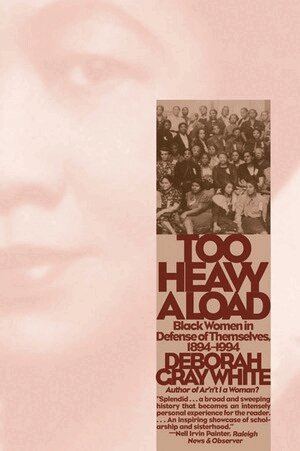
Too Heavy a Load celebrates this century's rich history of black women defending themselves, from Ida B. Wells to Anita Hill. Although most prominently a history of the century-long struggle against racism and male chauvinism, Deborah Gray White also movingly illuminates black women's painful struggle to hold their racial and gender identities intact while feeling the inexorable pull of the agendas of white women and black men. Finally, it tells the larger and lamentable story of how Americans began this century measuring racial progress by the status of black women but gradually came to focus on the status of black men-the masculinization of America's racial consciousness. Writing with the same magisterial eye for historical detail as in her best-selling Ar'n't I a Woman, Deborah Gray White has given us a moving and definitive history of struggle and freedom. "Splendid . . . a broad and sweeping history that becomes an intensely personal experience for the reader. . . . An inspiring showcase of scholarship and sistership." - Nell Irvin Painter, Raleigh News & Observer
431 kr
Skickas inom 10-15 vardagar
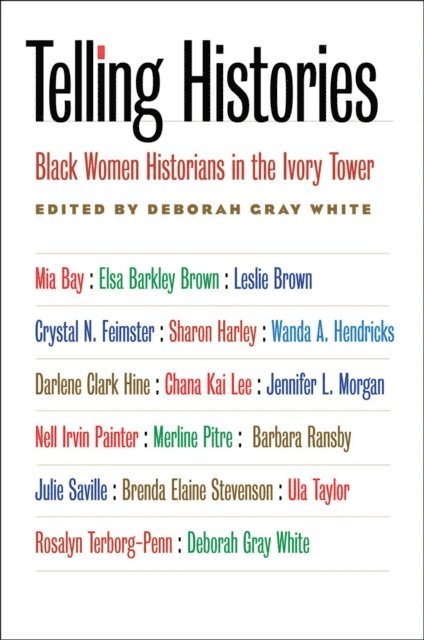
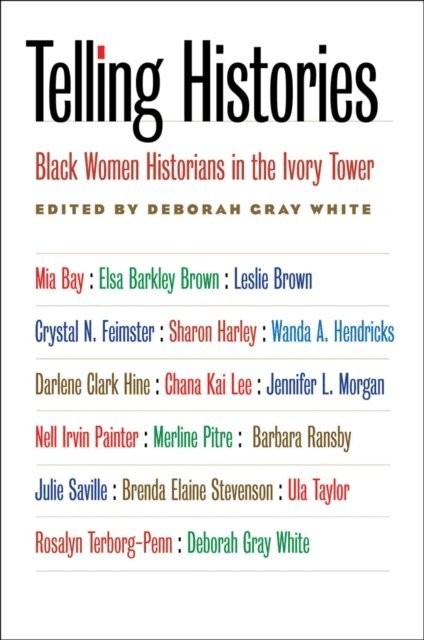
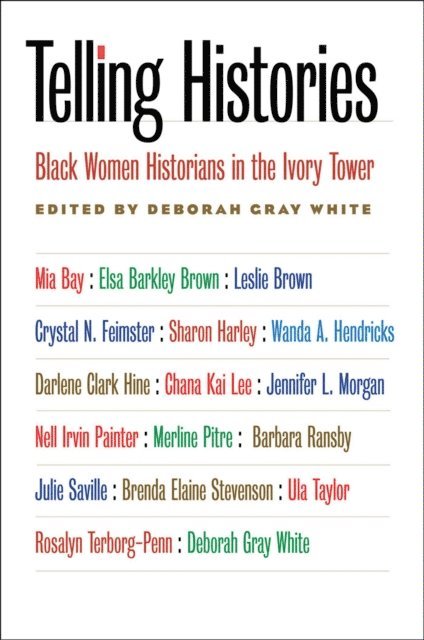
The field of black women's history gained recognition as a legitimate field of study late in the twentieth century. Collecting stories that are both deeply personal and powerfully political, ""Telling Histories"" compiles seventeen personal narratives by leading black women historians at various stages in their careers. Their essays illuminate how - first as graduate students and then as professional historians - they entered and navigated the realm of higher education, a world concerned with and dominated by whites and men. In distinct voices and from different vantage points, the personal histories revealed here also tell the story of the struggle to establish a new scholarly field.Black women, alleged by affirmative-action supporters and opponents to be ""twofers,"" recount how they have confronted racism, sexism, and homophobia on college campuses. They explore how the personal and the political intersect in historical research and writing and in the academy. Organized by the years the contributors earned their Ph.D.'s, these essays follow the black women who entered the field of history during and after the civil rights and black power movements, endured the turbulent 1970s, and opened up the field of black women's history in the 1980s. By comparing the experiences of older and younger generations, this collection makes visible the benefits and drawbacks of the institutionalization of African American and African American women's history. ""Telling Histories"" captures the voices of these pioneers, intimately and publicly.
310 kr
Skickas inom 11-20 vardagar
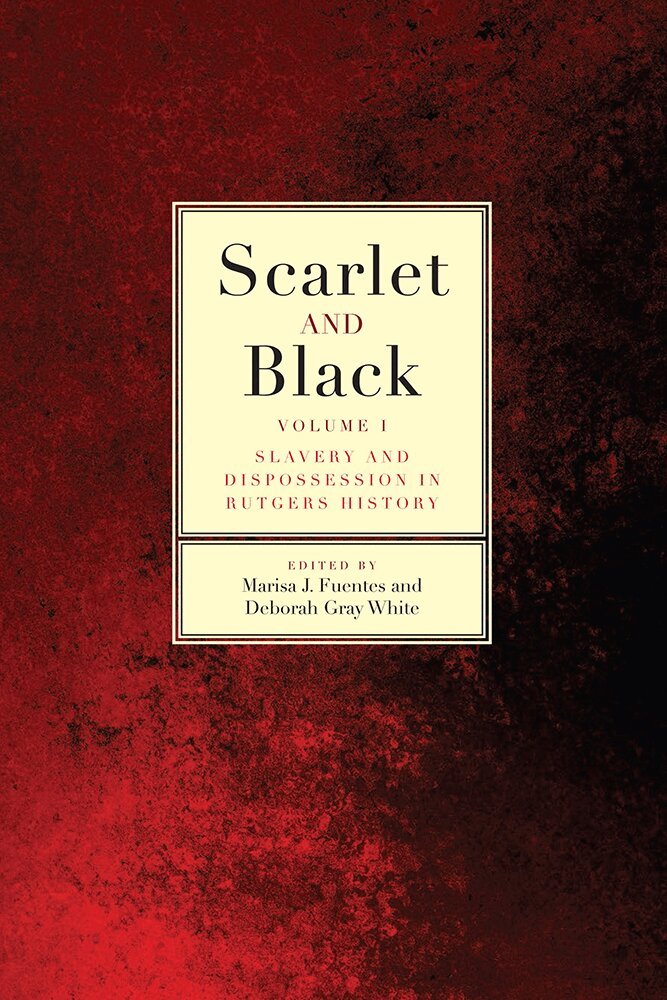
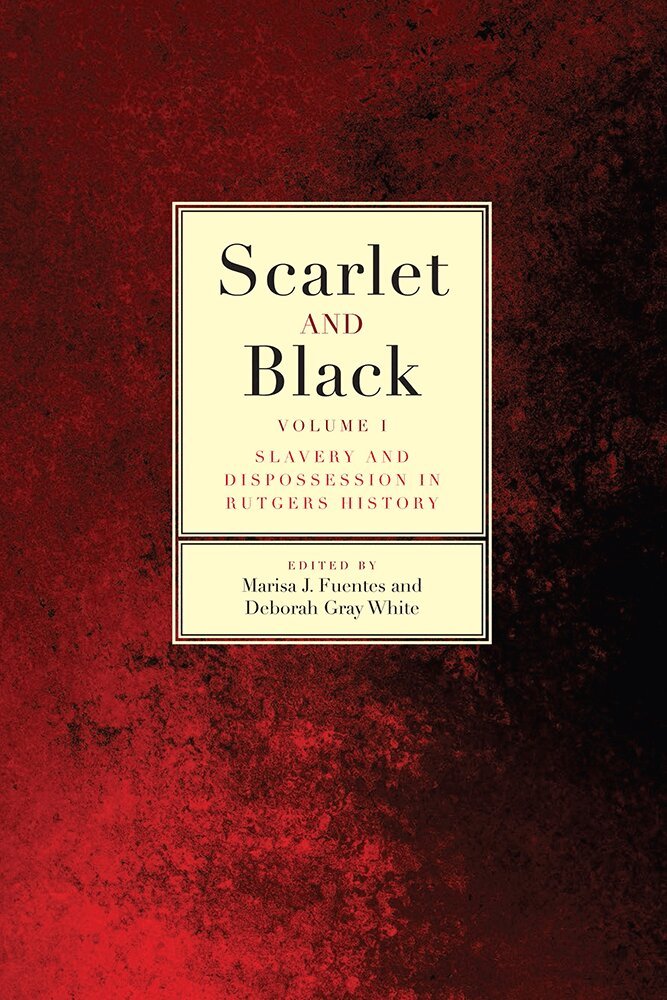
The 250th anniversary of the founding of Rutgers University is a perfect moment for the Rutgers community to reconcile its past, and acknowledge its role in the enslavement and debasement of African Americans and the disfranchisement and elimination of Native American people and culture.Scarlet and Black documents the history of Rutgers’s connection to slavery, which was neither casual nor accidental-nor unusual. Like most early American colleges, Rutgers depended on slaves to build its campuses and serve its students and faculty; it depended on the sale of black people to fund its very existence. Men like John Henry Livingston, (Rutgers president from 1810–1824), the Reverend Philip Milledoler, (president of Rutgers from 1824–1840), Henry Rutgers, (trustee after whom the college is named), and Theodore Frelinghuysen, (Rutgers’s seventh president), were among the most ardent anti-abolitionists in the mid-Atlantic.Scarlet and black are the colors Rutgers University uses to represent itself to the nation and world. They are the colors the athletes compete in, the graduates and administrators wear on celebratory occasions, and the colors that distinguish Rutgers from every other university in the United States. This book, however, uses these colors to signify something else: the blood that was spilled on the banks of the Raritan River by those dispossessed of their land and the bodies that labored unpaid and in bondage so that Rutgers could be built and sustained. The contributors to this volume offer this history as a usable one-not to tear down or weaken this very renowned, robust, and growing institution-but to strengthen it and help direct its course for the future.The work of the Committee on Enslaved and Disenfranchised Population in Rutgers History.Visit the project's website at http://scarletandblack.rutgers.edu
2 570 kr
Skickas inom 3-6 vardagar
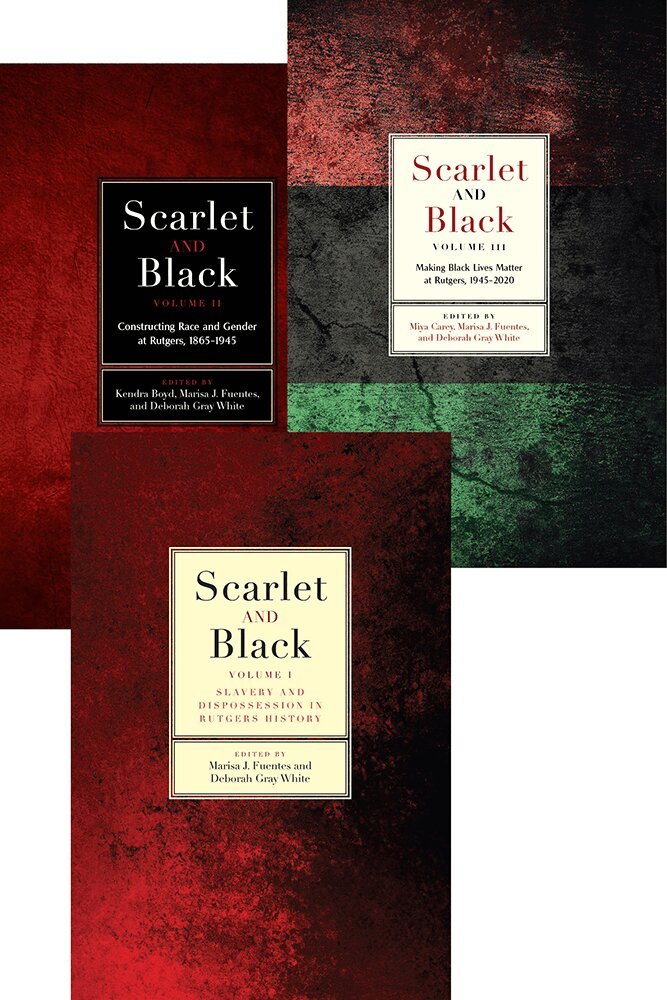
Scarlet and Black, Volume Two
Constructing Race and Gender at Rutgers, 1865-1945
Häftad, Engelska, 2020
317 kr
Skickas inom 7-10 vardagar
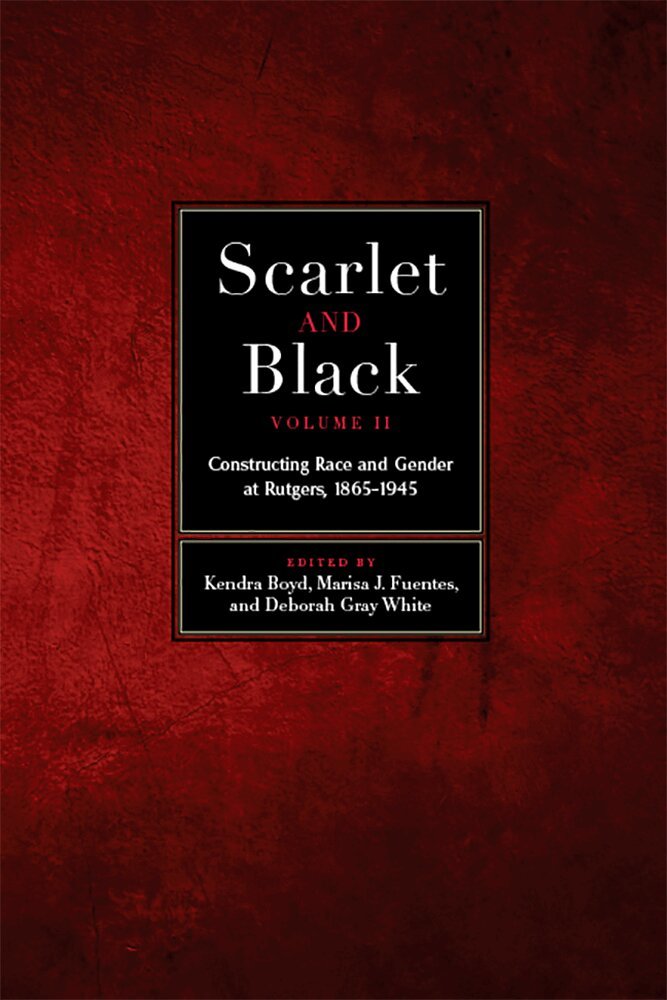
The 250th anniversary of the founding of Rutgers University is a perfect moment for the Rutgers community to reconcile its past, and acknowledge its role in the enslavement and debasement of African Americans and the disfranchisement and elimination of Native American people and culture. Scarlet and Black, Volume 2, continues to document the history of Rutgers’s connection to slavery, which was neither casual nor accidental-nor unusual. Like most early American colleges, Rutgers depended on slaves to build its campuses and serve its students and faculty; it depended on the sale of black people to fund its very existence. This second of a planned three volumes continues the work of the Committee on Enslaved and Disenfranchised Population in Rutgers History. This latest volume includes: an introduction to the period studied (from the end of the Civil War through WWII) by Deborah Gray White; a study of the first black students at Rutgers and New Brunswick Theological Seminary; an analysis of African-American life in the City of New Brunswick during the period; and profiles of the earliest black women to matriculate at Douglass College.To learn more about the work of the Committee on Enslaved and Disenfranchised Population in Rutgers History, visit the project's website at http://scarletandblack.rutgers.edu
Scarlet and Black, Volume Two
Constructing Race and Gender at Rutgers, 1865-1945
Inbunden, Engelska, 2020
586 kr
Skickas inom 7-10 vardagar
The 250th anniversary of the founding of Rutgers University is a perfect moment for the Rutgers community to reconcile its past, and acknowledge its role in the enslavement and debasement of African Americans and the disfranchisement and elimination of Native American people and culture. Scarlet and Black, Volume 2, continues to document the history of Rutgers’s connection to slavery, which was neither casual nor accidental-nor unusual. Like most early American colleges, Rutgers depended on slaves to build its campuses and serve its students and faculty; it depended on the sale of black people to fund its very existence. This second of a planned three volumes continues the work of the Committee on Enslaved and Disenfranchised Population in Rutgers History. This latest volume includes: an introduction to the period studied (from the end of the Civil War through WWII) by Deborah Gray White; a study of the first black students at Rutgers and New Brunswick Theological Seminary; an analysis of African-American life in the City of New Brunswick during the period; and profiles of the earliest black women to matriculate at Douglass College.To learn more about the work of the Committee on Enslaved and Disenfranchised Population in Rutgers History, visit the project's website at http://scarletandblack.rutgers.edu
Scarlet and Black, Volume Three
Making Black Lives Matter at Rutgers, 1945-2020
Häftad, Engelska, 2021
398 kr
Skickas inom 11-20 vardagar
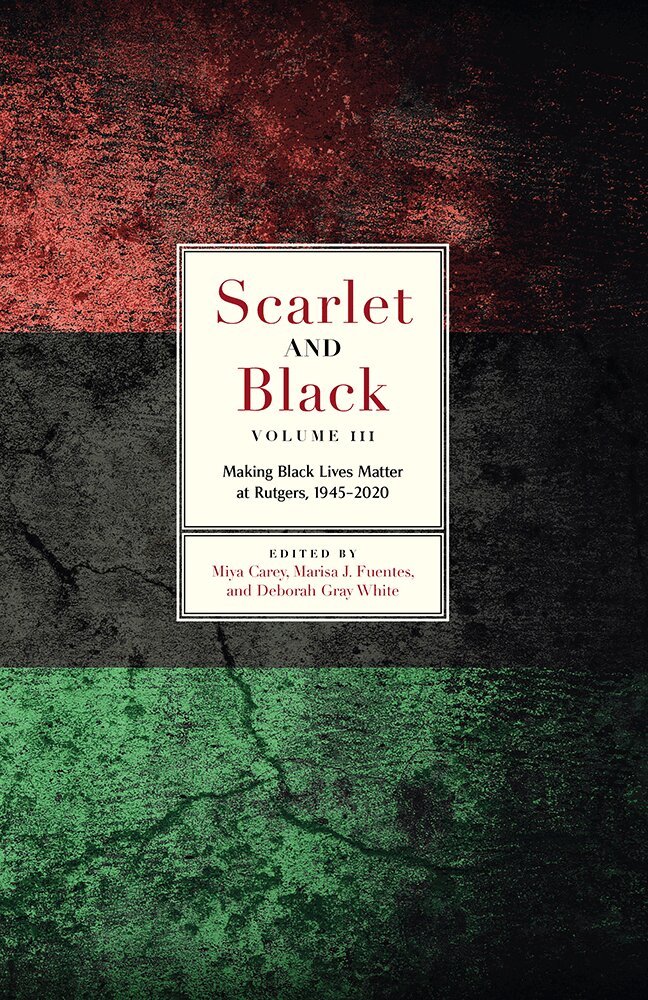
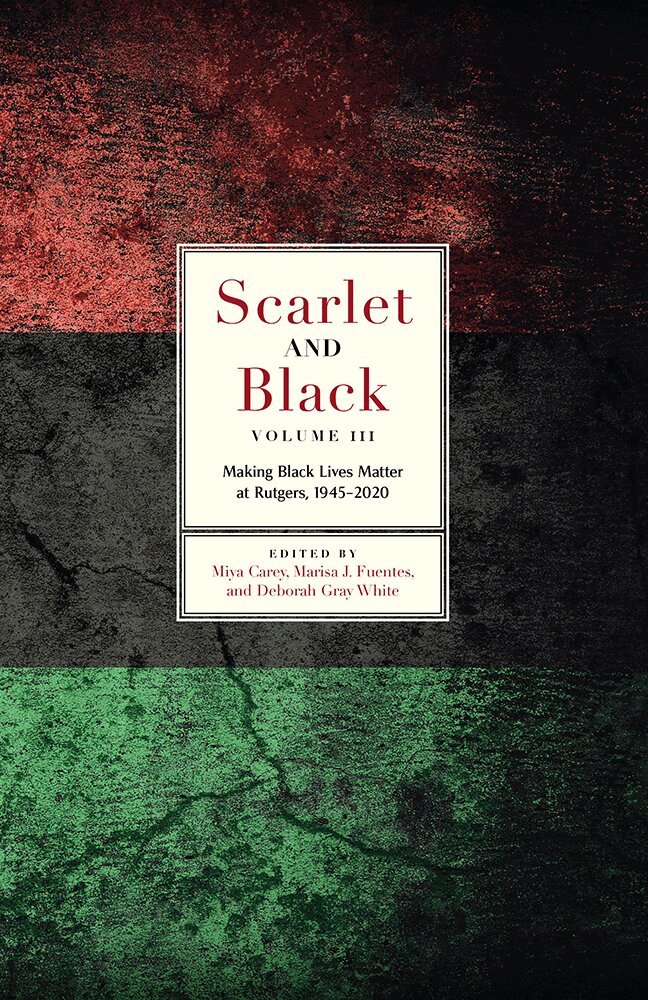
The 250th anniversary of the founding of Rutgers University is a perfect moment for the Rutgers community to reconcile its past, and acknowledge its role in the enslavement and debasement of African Americans and the disfranchisement and elimination of Native American people and culture. Scarlet and Black, Volume Three, concludes this groundbreaking documentation of the history of Rutgers’s connection to slavery, which was neither casual nor accidental—nor unusual. Like most early American colleges, Rutgers depended on slaves to build its campuses and serve its students and faculty; it depended on the sale of black people to fund its very existence. This final of three volumes concludes the work of the Committee on Enslaved and Disenfranchised Population in Rutgers History. This latest volume includes essays about Black and Puerto Rican students' experiences; the development of the Black Unity League; the Conklin Hall takeover; the divestment movement against South African apartheid; anti-racism struggles during the 1990s; and the Don Imus controversy and the 2007 Scarlet Knights women's basketball team. To learn more about the work of the Committee on Enslaved and Disenfranchised Population in Rutgers History, visit the project's website at http://scarletandblack.rutgers.edu.
694 kr
Skickas inom 7-10 vardagar
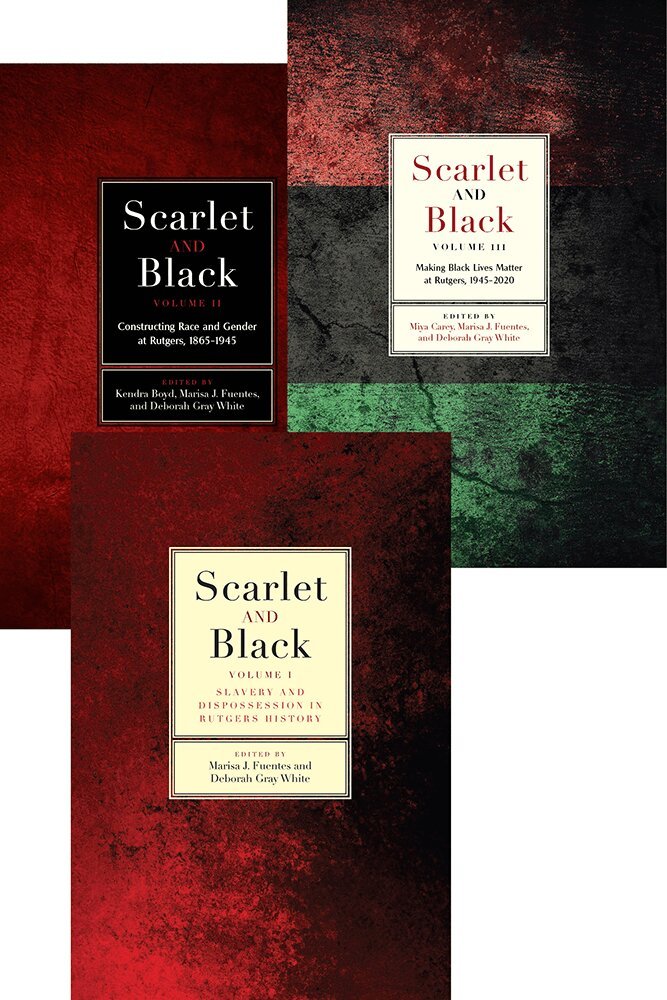
The 250th anniversary of the founding of Rutgers University is a perfect moment for the Rutgers community to reconcile its past, and acknowledge its role in the enslavement and debasement of African Americans and the disfranchisement and elimination of Native American people and culture.Scarlet and Black, Volume One documents the history of Rutgers’s connection to slavery, which was neither casual nor accidental-nor unusual. Like most early American colleges, Rutgers depended on slaves to build its campuses and serve its students and faculty; it depended on the sale of black people to fund its very existence. Scarlet and Black, Volume Two continues the work of the Committee on Enslaved and Disenfranchised Population in Rutgers History. This latest volume includes an introduction to the period from the end of the Civil War through WWII, a study of the first black students at Rutgers and New Brunswick Theological Seminary, and profiles of the earliest black women to matriculate at Douglass College.Scarlet and Black, Volume Three concludes this groundbreaking documentation and includes essays about Black and Puerto Rican students' experiences; the development of the Black Unity League; the Conklin Hall takeover; the divestment movement against South African apartheid; anti-racism struggles during the 1990s; and the Don Imus controversy and the 2007 Scarlet Knights women's basketball team.Scarlet and black are the colors Rutgers University uses to represent itself to the nation and world. They are the colors the athletes compete in, the graduates and administrators wear on celebratory occasions, and the colors that distinguish Rutgers from every other university in the United States. This body of work, however, uses these colors to signify something else: the blood that was spilled on the banks of the Raritan River by those dispossessed of their land and the bodies that labored unpaid and in bondage so that Rutgers could be built and sustained. The contributors to these volumes offer this history as a usable one-not to tear down or weaken this very renowned, robust, and growing institution-but to strengthen it and help direct its course for the future.To learn more about the work of the Committee on Enslaved and Disenfranchised Population in Rutgers History, visit the project's website at http://scarletandblack.rutgers.edu.
1 623 kr
Skickas inom 7-10 vardagar
The 250th anniversary of the founding of Rutgers University is a perfect moment for the Rutgers community to reconcile its past, and acknowledge its role in the enslavement and debasement of African Americans and the disfranchisement and elimination of Native American people and culture.Scarlet and Black, Volume One documents the history of Rutgers’s connection to slavery, which was neither casual nor accidental-nor unusual. Like most early American colleges, Rutgers depended on slaves to build its campuses and serve its students and faculty; it depended on the sale of black people to fund its very existence. Scarlet and Black, Volume Two continues the work of the Committee on Enslaved and Disenfranchised Population in Rutgers History. This latest volume includes an introduction to the period from the end of the Civil War through WWII, a study of the first black students at Rutgers and New Brunswick Theological Seminary, and profiles of the earliest black women to matriculate at Douglass College.Scarlet and Black, Volume Three concludes this groundbreaking documentation and includes essays about Black and Puerto Rican students' experiences; the development of the Black Unity League; the Conklin Hall takeover; the divestment movement against South African apartheid; anti-racism struggles during the 1990s; and the Don Imus controversy and the 2007 Scarlet Knights women's basketball team.Scarlet and black are the colors Rutgers University uses to represent itself to the nation and world. They are the colors the athletes compete in, the graduates and administrators wear on celebratory occasions, and the colors that distinguish Rutgers from every other university in the United States. This body of work, however, uses these colors to signify something else: the blood that was spilled on the banks of the Raritan River by those dispossessed of their land and the bodies that labored unpaid and in bondage so that Rutgers could be built and sustained. The contributors to these volumes offer this history as a usable one-not to tear down or weaken this very renowned, robust, and growing institution-but to strengthen it and help direct its course for the future.To learn more about the work of the Committee on Enslaved and Disenfranchised Population in Rutgers History, visit the project's website at http://scarletandblack.rutgers.edu.