Marisa J. Fuentes - Böcker
Visar alla böcker från författaren Marisa J. Fuentes. Handla med fri frakt och snabb leverans.
8 produkter
8 produkter
317 kr
Skickas inom 7-10 vardagar
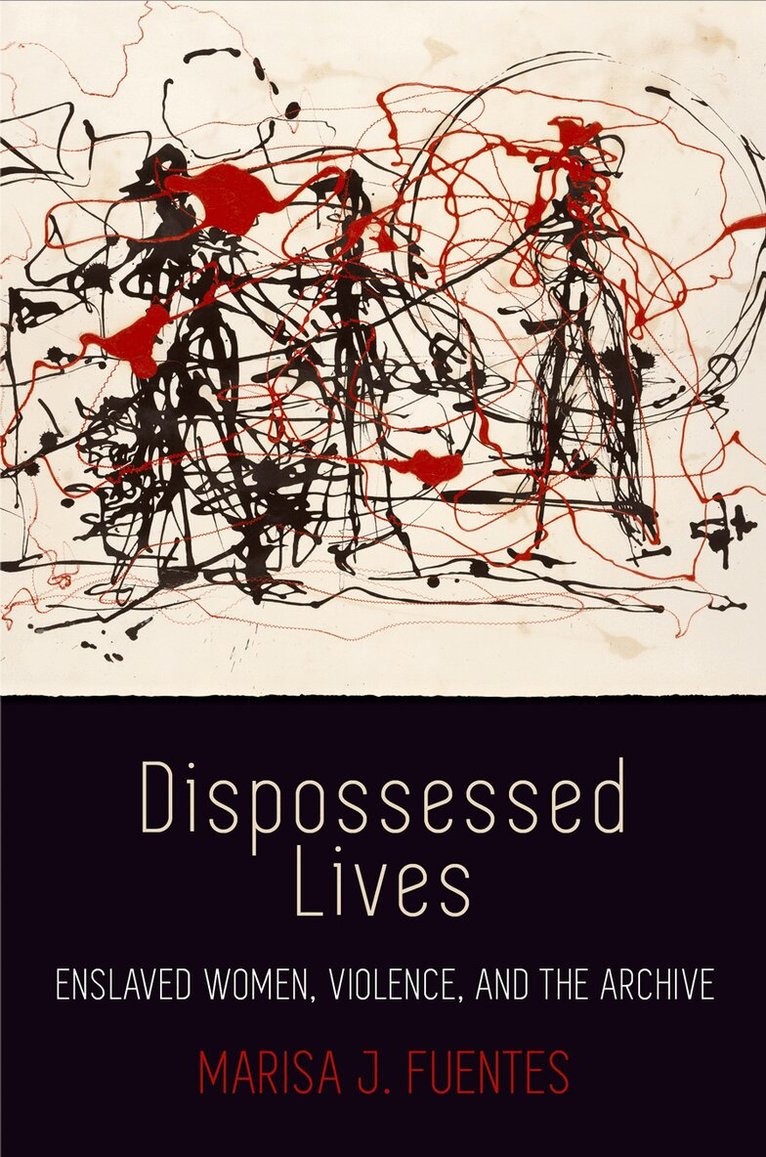
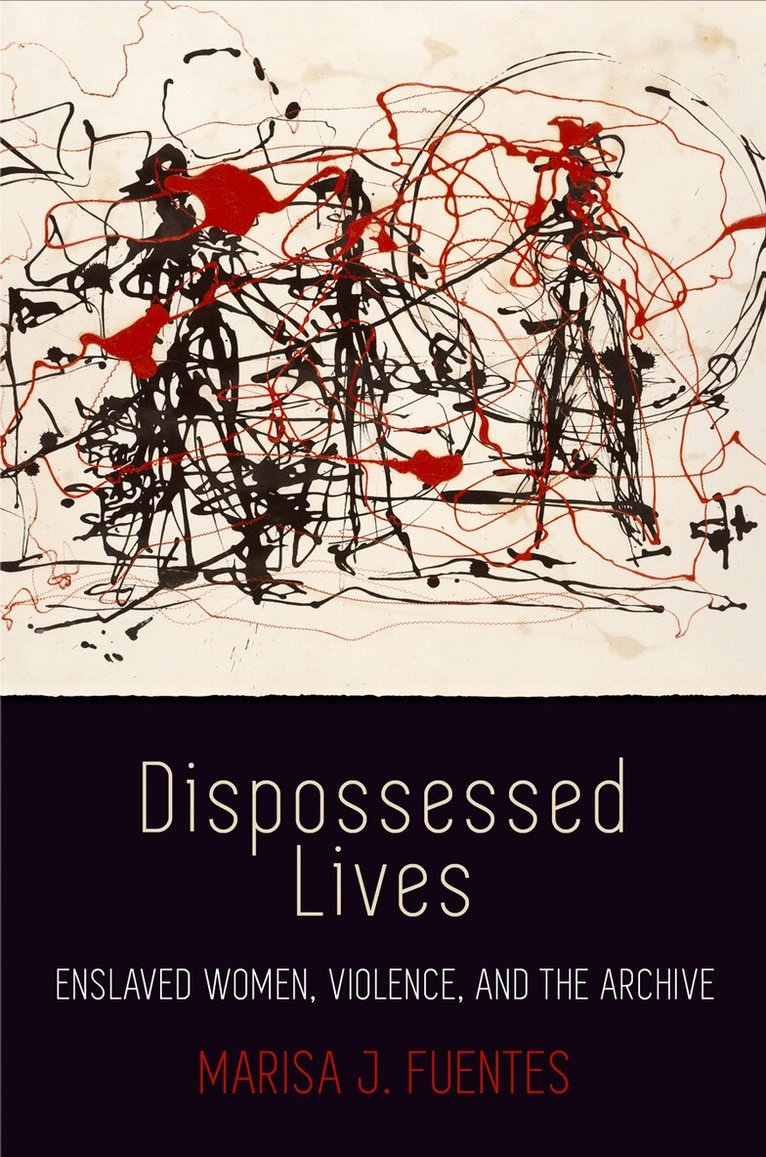
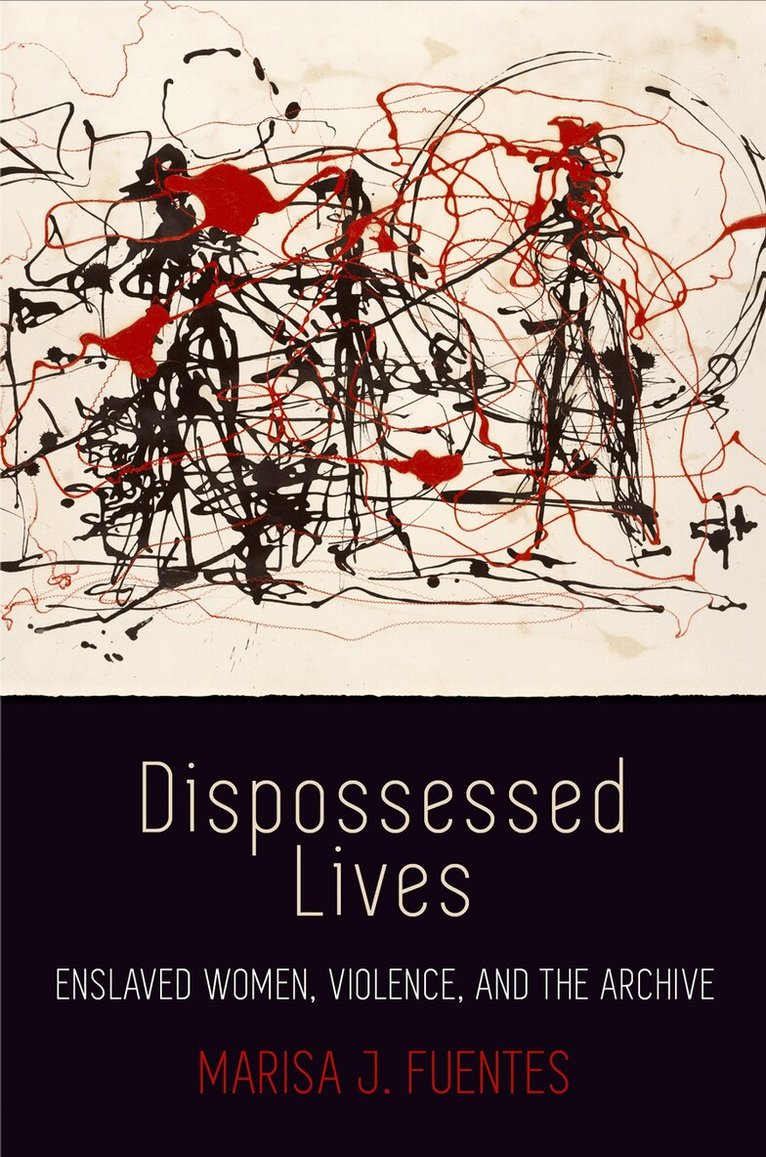
In the eighteenth century, Bridgetown, Barbados, was heavily populated by both enslaved and free women. Marisa J. Fuentes creates a portrait of urban Caribbean slavery in this colonial town from the perspective of these women whose stories appear only briefly in historical records. Fuentes takes us through the streets of Bridgetown with an enslaved runaway; inside a brothel run by a freed woman of color; in the midst of a white urban household in sexual chaos; to the gallows where enslaved people were executed; and within violent scenes of enslaved women's punishments. In the process, Fuentes interrogates the archive and its historical production to expose the ongoing effects of white colonial power that constrain what can be known about these women.Combining fragmentary sources with interdisciplinary methodologies that include black feminist theory and critical studies of history and slavery, Dispossessed Lives demonstrates how the construction of the archive marked enslaved women's bodies, in life and in death. By vividly recounting enslaved life through the experiences of individual women and illuminating their conditions of confinement through the legal, sexual, and representational power wielded by slave owners, colonial authorities, and the archive, Fuentes challenges the way we write histories of vulnerable and often invisible subjects.
1 100 kr
Skickas inom 10-15 vardagar
In the eighteenth century, Bridgetown, Barbados, was heavily populated by both enslaved and free women. Marisa J. Fuentes creates a portrait of urban Caribbean slavery in this colonial town from the perspective of these women whose stories appear only briefly in historical records. Fuentes takes us through the streets of Bridgetown with an enslaved runaway; inside a brothel run by a freed woman of color; in the midst of a white urban household in sexual chaos; to the gallows where enslaved people were executed; and within violent scenes of enslaved women's punishments. In the process, Fuentes interrogates the archive and its historical production to expose the ongoing effects of white colonial power that constrain what can be known about these women.Combining fragmentary sources with interdisciplinary methodologies that include black feminist theory and critical studies of history and slavery, Dispossessed Lives demonstrates how the construction of the archive marked enslaved women's bodies, in life and in death. By vividly recounting enslaved life through the experiences of individual women and illuminating their conditions of confinement through the legal, sexual, and representational power wielded by slave owners, colonial authorities, and the archive, Fuentes challenges the way we write histories of vulnerable and often invisible subjects.
310 kr
Skickas inom 11-20 vardagar
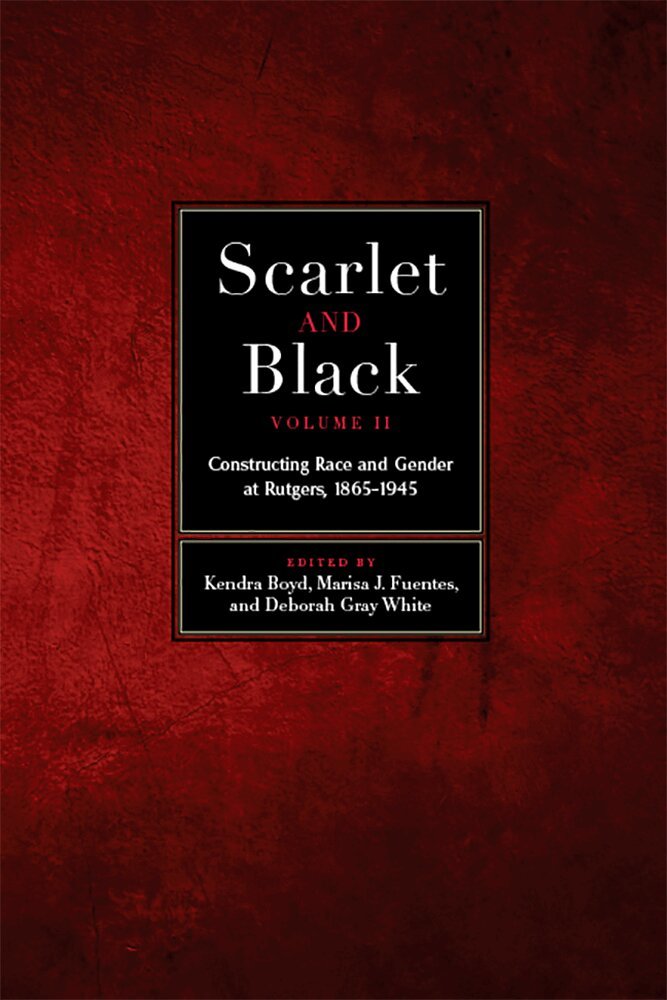
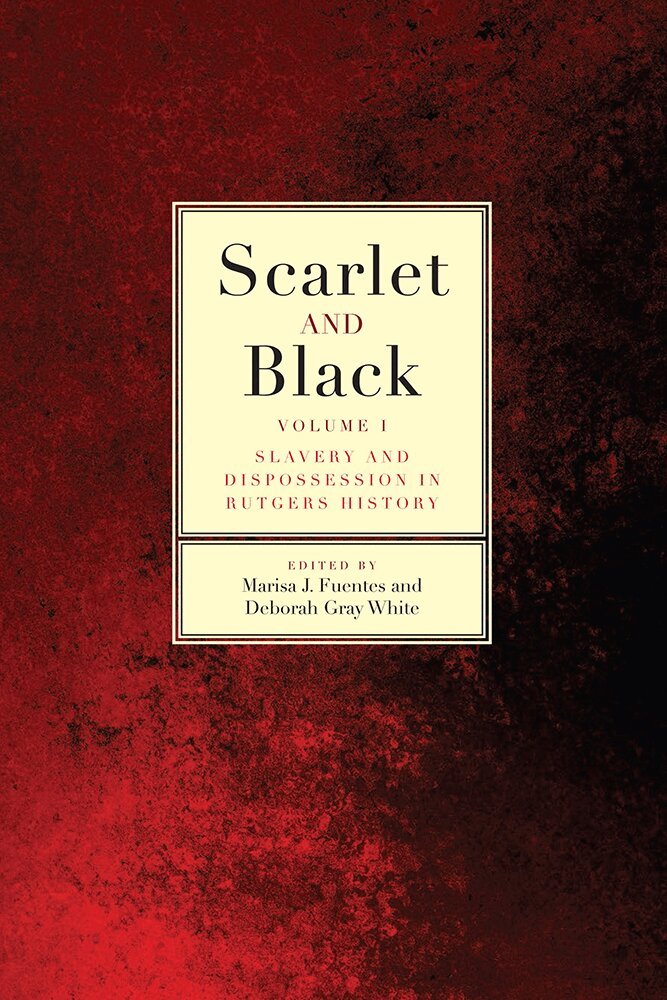
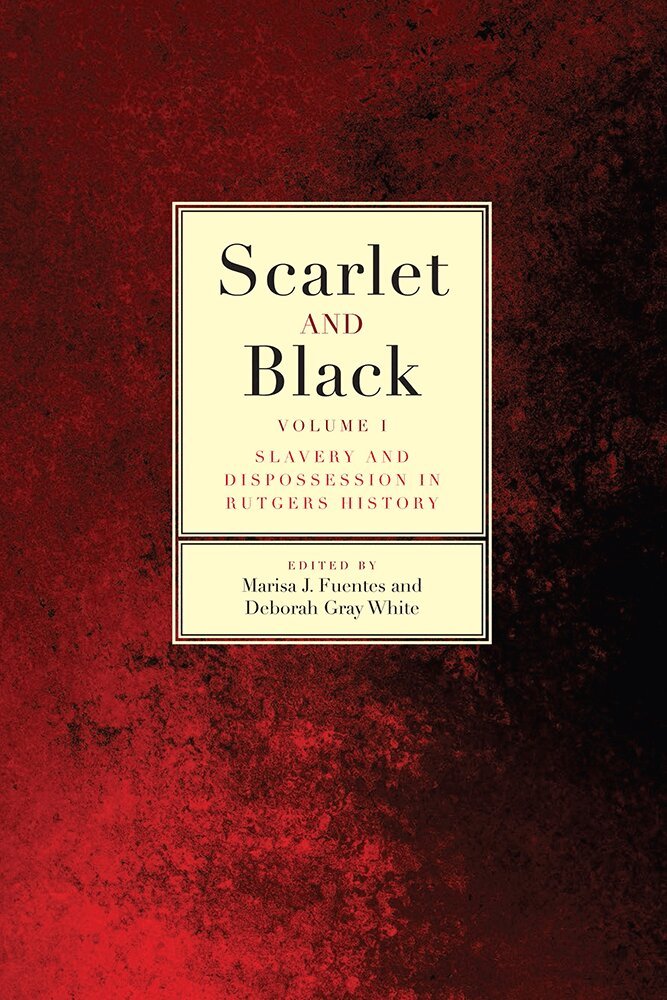
The 250th anniversary of the founding of Rutgers University is a perfect moment for the Rutgers community to reconcile its past, and acknowledge its role in the enslavement and debasement of African Americans and the disfranchisement and elimination of Native American people and culture.Scarlet and Black documents the history of Rutgers’s connection to slavery, which was neither casual nor accidental-nor unusual. Like most early American colleges, Rutgers depended on slaves to build its campuses and serve its students and faculty; it depended on the sale of black people to fund its very existence. Men like John Henry Livingston, (Rutgers president from 1810–1824), the Reverend Philip Milledoler, (president of Rutgers from 1824–1840), Henry Rutgers, (trustee after whom the college is named), and Theodore Frelinghuysen, (Rutgers’s seventh president), were among the most ardent anti-abolitionists in the mid-Atlantic.Scarlet and black are the colors Rutgers University uses to represent itself to the nation and world. They are the colors the athletes compete in, the graduates and administrators wear on celebratory occasions, and the colors that distinguish Rutgers from every other university in the United States. This book, however, uses these colors to signify something else: the blood that was spilled on the banks of the Raritan River by those dispossessed of their land and the bodies that labored unpaid and in bondage so that Rutgers could be built and sustained. The contributors to this volume offer this history as a usable one-not to tear down or weaken this very renowned, robust, and growing institution-but to strengthen it and help direct its course for the future.The work of the Committee on Enslaved and Disenfranchised Population in Rutgers History.Visit the project's website at http://scarletandblack.rutgers.edu
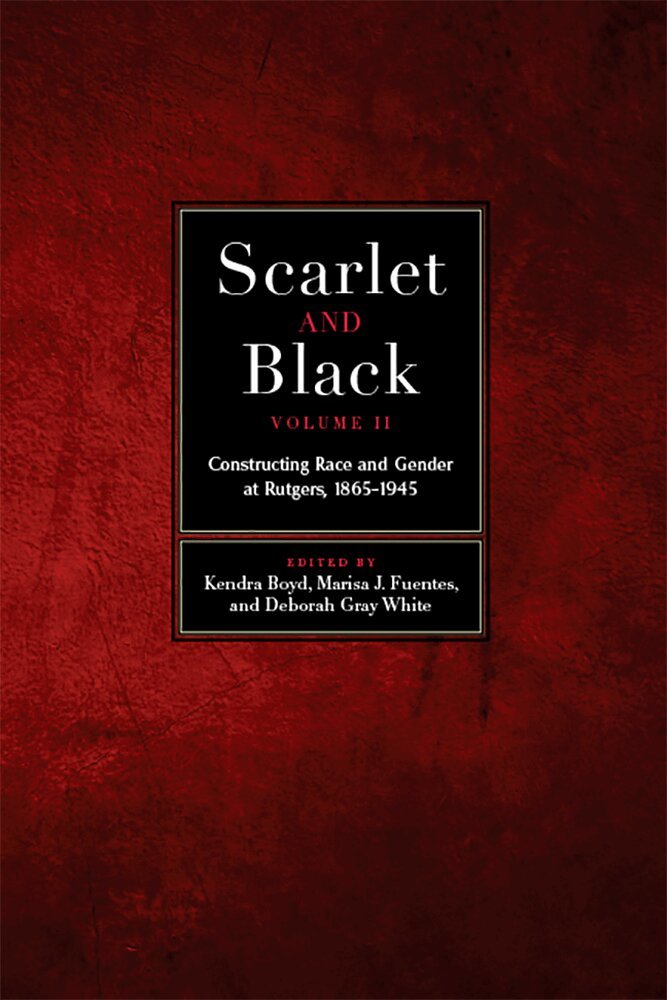
Scarlet and Black, Volume Two
Constructing Race and Gender at Rutgers, 1865-1945
Häftad, Engelska, 2020
317 kr
Skickas inom 7-10 vardagar
The 250th anniversary of the founding of Rutgers University is a perfect moment for the Rutgers community to reconcile its past, and acknowledge its role in the enslavement and debasement of African Americans and the disfranchisement and elimination of Native American people and culture. Scarlet and Black, Volume 2, continues to document the history of Rutgers’s connection to slavery, which was neither casual nor accidental-nor unusual. Like most early American colleges, Rutgers depended on slaves to build its campuses and serve its students and faculty; it depended on the sale of black people to fund its very existence. This second of a planned three volumes continues the work of the Committee on Enslaved and Disenfranchised Population in Rutgers History. This latest volume includes: an introduction to the period studied (from the end of the Civil War through WWII) by Deborah Gray White; a study of the first black students at Rutgers and New Brunswick Theological Seminary; an analysis of African-American life in the City of New Brunswick during the period; and profiles of the earliest black women to matriculate at Douglass College.To learn more about the work of the Committee on Enslaved and Disenfranchised Population in Rutgers History, visit the project's website at http://scarletandblack.rutgers.edu
Scarlet and Black, Volume Two
Constructing Race and Gender at Rutgers, 1865-1945
Inbunden, Engelska, 2020
586 kr
Skickas inom 7-10 vardagar
The 250th anniversary of the founding of Rutgers University is a perfect moment for the Rutgers community to reconcile its past, and acknowledge its role in the enslavement and debasement of African Americans and the disfranchisement and elimination of Native American people and culture. Scarlet and Black, Volume 2, continues to document the history of Rutgers’s connection to slavery, which was neither casual nor accidental-nor unusual. Like most early American colleges, Rutgers depended on slaves to build its campuses and serve its students and faculty; it depended on the sale of black people to fund its very existence. This second of a planned three volumes continues the work of the Committee on Enslaved and Disenfranchised Population in Rutgers History. This latest volume includes: an introduction to the period studied (from the end of the Civil War through WWII) by Deborah Gray White; a study of the first black students at Rutgers and New Brunswick Theological Seminary; an analysis of African-American life in the City of New Brunswick during the period; and profiles of the earliest black women to matriculate at Douglass College.To learn more about the work of the Committee on Enslaved and Disenfranchised Population in Rutgers History, visit the project's website at http://scarletandblack.rutgers.edu
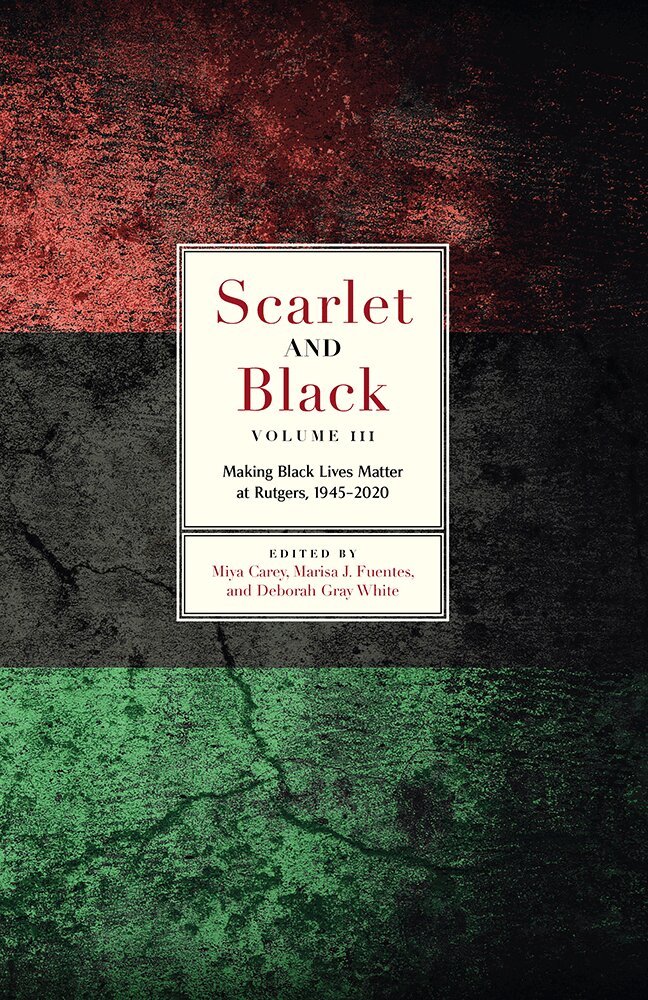
Scarlet and Black, Volume Three
Making Black Lives Matter at Rutgers, 1945-2020
Häftad, Engelska, 2021
398 kr
Skickas inom 11-20 vardagar
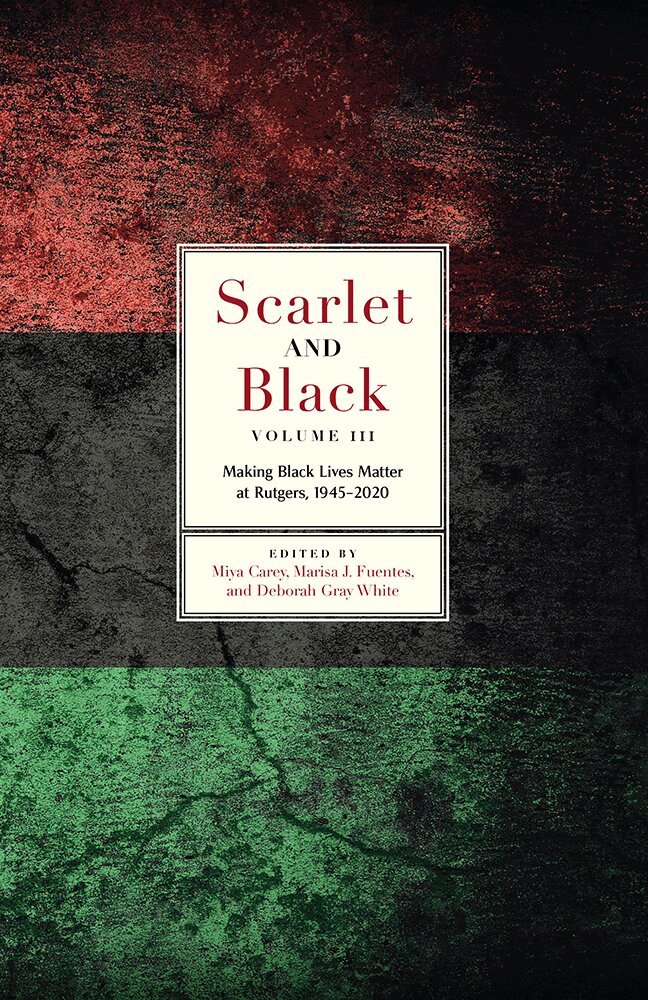
The 250th anniversary of the founding of Rutgers University is a perfect moment for the Rutgers community to reconcile its past, and acknowledge its role in the enslavement and debasement of African Americans and the disfranchisement and elimination of Native American people and culture. Scarlet and Black, Volume Three, concludes this groundbreaking documentation of the history of Rutgers’s connection to slavery, which was neither casual nor accidental—nor unusual. Like most early American colleges, Rutgers depended on slaves to build its campuses and serve its students and faculty; it depended on the sale of black people to fund its very existence. This final of three volumes concludes the work of the Committee on Enslaved and Disenfranchised Population in Rutgers History. This latest volume includes essays about Black and Puerto Rican students' experiences; the development of the Black Unity League; the Conklin Hall takeover; the divestment movement against South African apartheid; anti-racism struggles during the 1990s; and the Don Imus controversy and the 2007 Scarlet Knights women's basketball team. To learn more about the work of the Committee on Enslaved and Disenfranchised Population in Rutgers History, visit the project's website at http://scarletandblack.rutgers.edu.
694 kr
Skickas inom 7-10 vardagar
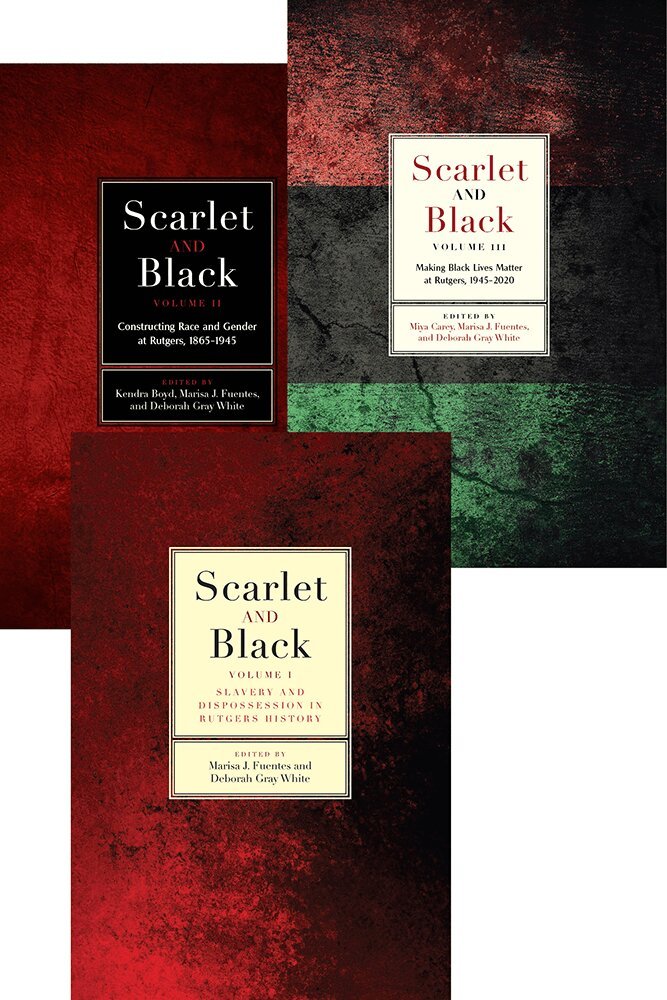
The 250th anniversary of the founding of Rutgers University is a perfect moment for the Rutgers community to reconcile its past, and acknowledge its role in the enslavement and debasement of African Americans and the disfranchisement and elimination of Native American people and culture.Scarlet and Black, Volume One documents the history of Rutgers’s connection to slavery, which was neither casual nor accidental-nor unusual. Like most early American colleges, Rutgers depended on slaves to build its campuses and serve its students and faculty; it depended on the sale of black people to fund its very existence. Scarlet and Black, Volume Two continues the work of the Committee on Enslaved and Disenfranchised Population in Rutgers History. This latest volume includes an introduction to the period from the end of the Civil War through WWII, a study of the first black students at Rutgers and New Brunswick Theological Seminary, and profiles of the earliest black women to matriculate at Douglass College.Scarlet and Black, Volume Three concludes this groundbreaking documentation and includes essays about Black and Puerto Rican students' experiences; the development of the Black Unity League; the Conklin Hall takeover; the divestment movement against South African apartheid; anti-racism struggles during the 1990s; and the Don Imus controversy and the 2007 Scarlet Knights women's basketball team.Scarlet and black are the colors Rutgers University uses to represent itself to the nation and world. They are the colors the athletes compete in, the graduates and administrators wear on celebratory occasions, and the colors that distinguish Rutgers from every other university in the United States. This body of work, however, uses these colors to signify something else: the blood that was spilled on the banks of the Raritan River by those dispossessed of their land and the bodies that labored unpaid and in bondage so that Rutgers could be built and sustained. The contributors to these volumes offer this history as a usable one-not to tear down or weaken this very renowned, robust, and growing institution-but to strengthen it and help direct its course for the future.To learn more about the work of the Committee on Enslaved and Disenfranchised Population in Rutgers History, visit the project's website at http://scarletandblack.rutgers.edu.
1 623 kr
Skickas inom 7-10 vardagar
The 250th anniversary of the founding of Rutgers University is a perfect moment for the Rutgers community to reconcile its past, and acknowledge its role in the enslavement and debasement of African Americans and the disfranchisement and elimination of Native American people and culture.Scarlet and Black, Volume One documents the history of Rutgers’s connection to slavery, which was neither casual nor accidental-nor unusual. Like most early American colleges, Rutgers depended on slaves to build its campuses and serve its students and faculty; it depended on the sale of black people to fund its very existence. Scarlet and Black, Volume Two continues the work of the Committee on Enslaved and Disenfranchised Population in Rutgers History. This latest volume includes an introduction to the period from the end of the Civil War through WWII, a study of the first black students at Rutgers and New Brunswick Theological Seminary, and profiles of the earliest black women to matriculate at Douglass College.Scarlet and Black, Volume Three concludes this groundbreaking documentation and includes essays about Black and Puerto Rican students' experiences; the development of the Black Unity League; the Conklin Hall takeover; the divestment movement against South African apartheid; anti-racism struggles during the 1990s; and the Don Imus controversy and the 2007 Scarlet Knights women's basketball team.Scarlet and black are the colors Rutgers University uses to represent itself to the nation and world. They are the colors the athletes compete in, the graduates and administrators wear on celebratory occasions, and the colors that distinguish Rutgers from every other university in the United States. This body of work, however, uses these colors to signify something else: the blood that was spilled on the banks of the Raritan River by those dispossessed of their land and the bodies that labored unpaid and in bondage so that Rutgers could be built and sustained. The contributors to these volumes offer this history as a usable one-not to tear down or weaken this very renowned, robust, and growing institution-but to strengthen it and help direct its course for the future.To learn more about the work of the Committee on Enslaved and Disenfranchised Population in Rutgers History, visit the project's website at http://scarletandblack.rutgers.edu.