Deborah J. Brown – författare
Visar alla böcker från författaren Deborah J. Brown. Handla med fri frakt och snabb leverans.
4 produkter
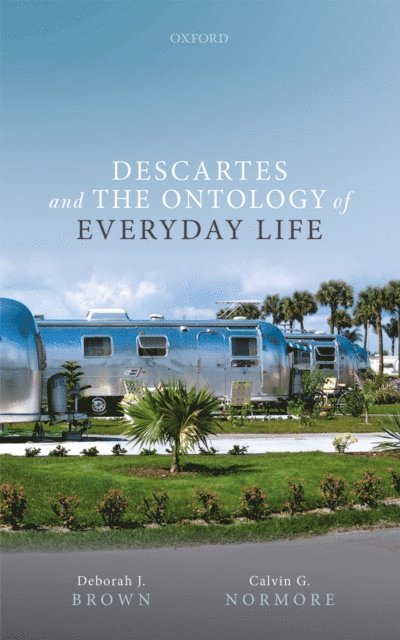
Descartes and the Ontology of Everyday Life
Av Calvin G. Normore, Deborah J. Brown
E-bok, 2019
1229 kr
Lägg i varukorg
The seventeenth century was a period of extraordinary invention, discovery and revolutions in scientific, social and political orders. It was a time of expansive automation, biological discovery, rapid advances in medical knowledge, of animal trials and a questioning of the boundaries between …
Descartes and the Ontology of Everyday Life
Av Deborah J. Brown, Calvin G. Normore
Inbunden, 2019
1775 kr
Lägg i varukorg
The seventeenth century was a period of extraordinary invention, discovery and revolutions in scientific, social and political orders. It was a time of expansive automation, biological discovery, rapid advances in medical knowledge, of animal trials and a questioning of the boundaries between …
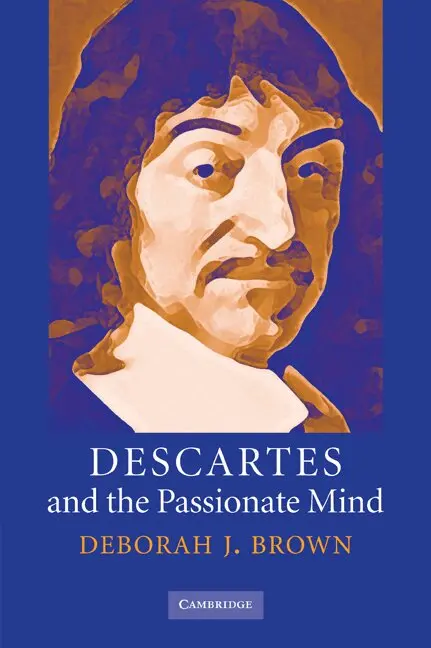
Descartes and the Passionate Mind
Häftad, 2008
732 kr
Lägg i varukorg
Descartes is often accused of having fragmented the human being into two independent substances, mind and body, with no clear strategy for explaining the apparent unity of human experience. Deborah Brown argues that, contrary to this view, Descartes did in fact have a conception of a single, …
Descartes and the Passionate Mind
Inbunden, 2006
1593 kr
Lägg i varukorg
Descartes is often accused of having fragmented the human being into two independent substances, mind and body, with no clear strategy for explaining the apparent unity of human experience. Deborah Brown argues that, contrary to this view, Descartes did in fact have a conception of a single, …