Demetres P. Tryphonopoulos - Böcker
Visar alla böcker från författaren Demetres P. Tryphonopoulos. Handla med fri frakt och snabb leverans.
7 produkter
7 produkter
1 071 kr
Skickas inom 10-15 vardagar
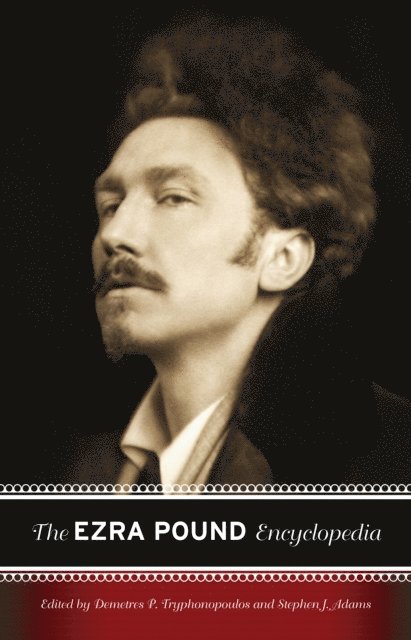
Ezra Pound forever changed the course of poetry. The author of a vast body of literature, his enormous range of references and use of multiple languages make him one of the most obscure authors and—because of his Fascism, anti-Semitism, and questionable sanity—one of the most controversial. This encyclopedia is a concise yet comprehensive guide to his life and writings. Included are more than 250 alphabetically arranged entries on such topics as Arabic history, Chinese translation, dance, Hilda Doolittle, Egyptian literature, Robert Frost, and Pound's publications. The entries are written by roughly 100 expert contributors and cite works for further reading.Ezra Pound forever changed the course of poetry. His vast body of poetry and critical works make him one of the 20th century's most prolific writers, and his influence has shaped later poets, great and small. His enormous range of references, deliberate obscurity, and use of multiple languages make him one of the most difficult authors and— because of his Fascism, anti-Semitism, and questionable sanity—one of the most controversial figures in American literary history. This encyclopedia is a concise yet comprehensive guide to his life and writings.
315 kr
Skickas inom 10-15 vardagar
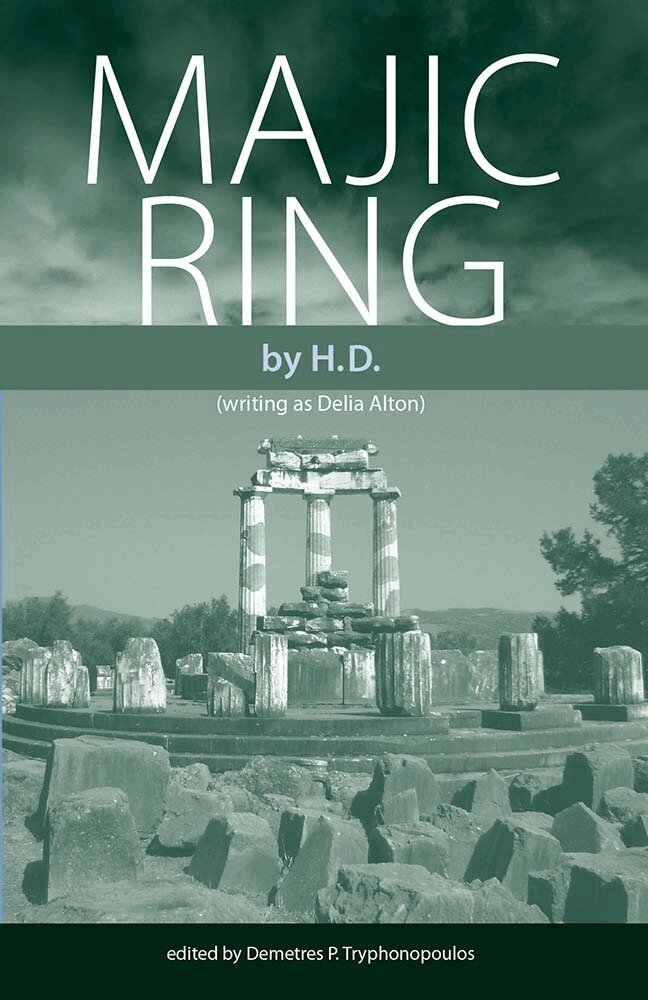
Set during the World War II air raids in London, H.D.'s fascinating and visionary novel, Majic Ring, documents her spiritualist activities during this time.
499 kr
Skickas inom 10-15 vardagar
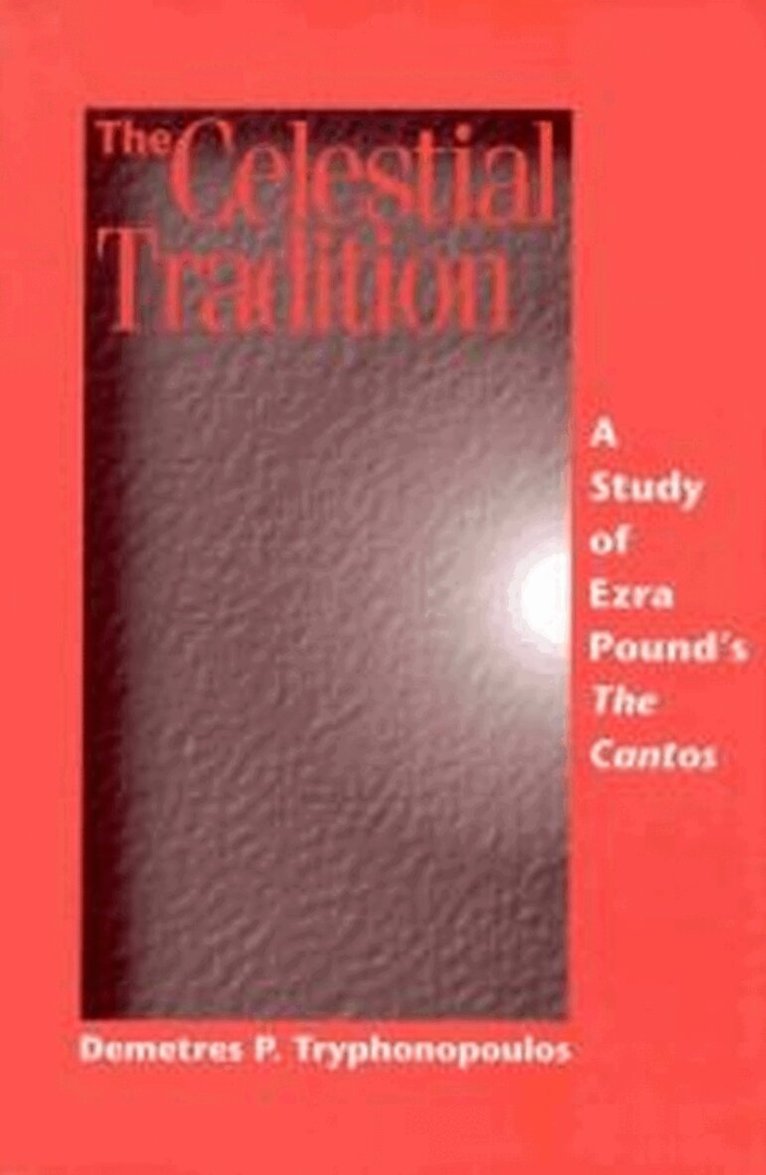
Despite the painstaking work of Pound scholars, the mythos of The Cantos has yet to be properly understood - primarily because until now its occult sources have not been examined sufficiently. Drawing upon archival as well as recently published material, this study traces Pound's intimate engagement with specific occultists (W.B. Yeats, Allen Upward, Alfred Orage, and G.R.S. Mead) and their ideas. The author argues that speculative occultism was a major factor in the evolution of Pound's extraordinary aesthetic and religious sensibility, much noticed in Pound criticism. The discussion falls into two sections. The first section details Pound's interest in particular occult movements. It describes the tradition of Hellenistic occultism from Eleusis to the present, and establishes that Pound's contact with the occult began at least as early as his undergraduate years and that he came to London already primed on the occult. Many of his London acquaintances were unquestionably occultists. The second section outlines a tripartite schema for The Cantos (katabasis/dromena/epopteia) which, in turn, is applied to the poem. It is argued here that The Cantos is structured on the model of a initiation rather than a journey, and that the poem does not so much describe an initiation rite as enact one for the reader. In exploring and attempting to understand Pounds' occultism and its implications to his [Pounds'] oeuvre, Tryphonopoulos sheds new light upon one of the great works of modern Western literature.
477 kr
Skickas inom 7-10 vardagar
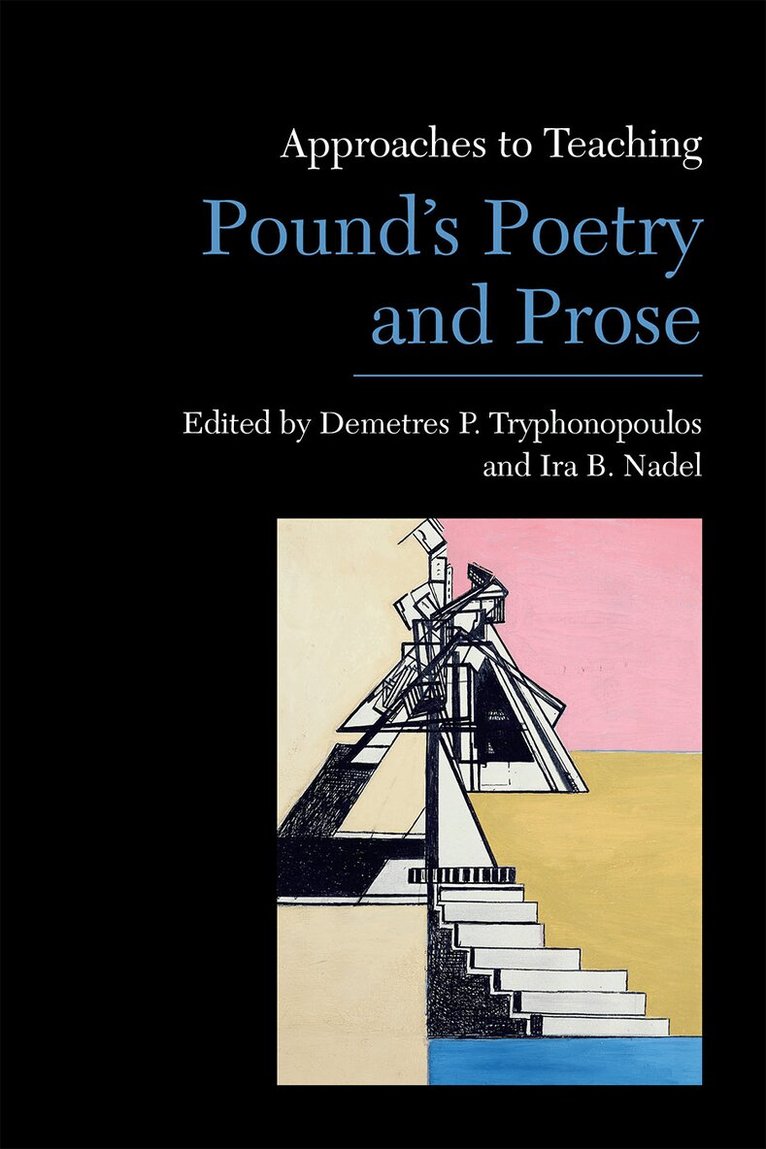
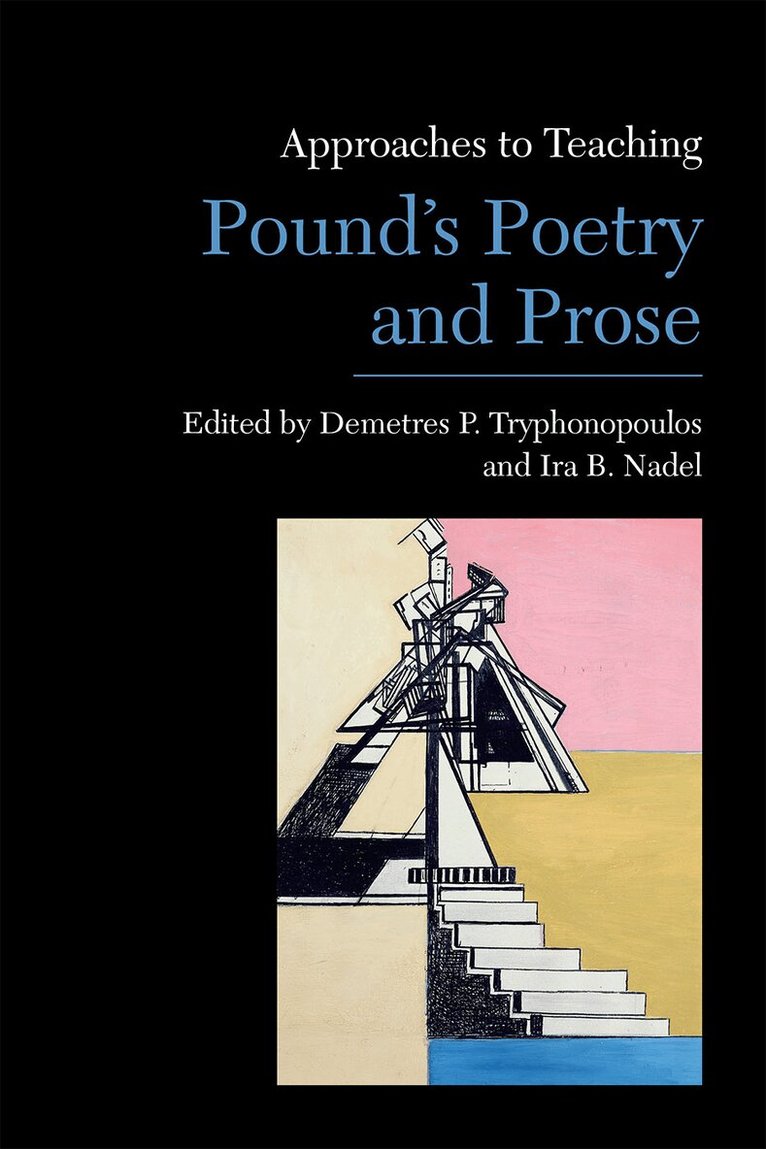
Known for his maxim "make it new," Ezra Pound played a principal role in shaping the modernist movement as a poet, translator, and literary critic. Yet readers grapple with his poetry's complex structures and layered allusions and his known fascism, anti-Semitism, and misogyny. This volume offers strategies for guiding students toward the rewards of Pound's works while embracing the challenges they pose.The first section, "Materials," catalogs the print and digital editions of Pound's works, evaluates numerous secondary sources, and provides a history of Pound's critical contexts. The essays in the second section, "Approaches," address Pound's aesthetics, persona, beliefs about economics, fascination with Asian culture, classical source materials, contributions to literary movements, and poetic techniques.
1 097 kr
Skickas inom 7-10 vardagar
Known for his maxim "make it new," Ezra Pound played a principal role in shaping the modernist movement as a poet, translator, and literary critic. Yet readers grapple with his poetry's complex structures and layered allusions and his known fascism, anti-Semitism, and misogyny. This volume offers strategies for guiding students toward the rewards of Pound's works while embracing the challenges they pose.The first section, "Materials," catalogs the print and digital editions of Pound's works, evaluates numerous secondary sources, and provides a history of Pound's critical contexts. The essays in the second section, "Approaches," address Pound's aesthetics, persona, beliefs about economics, fascination with Asian culture, classical source materials, contributions to literary movements, and poetic techniques.
1 097 kr
Skickas inom 7-10 vardagar
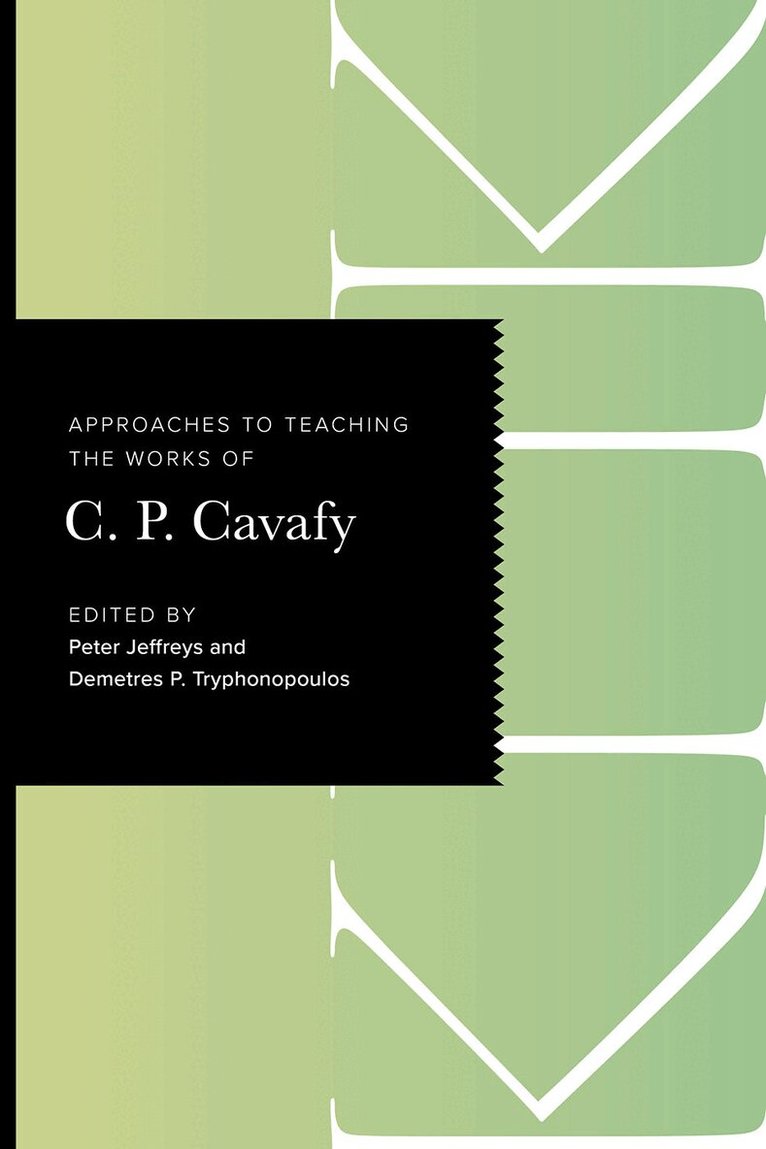
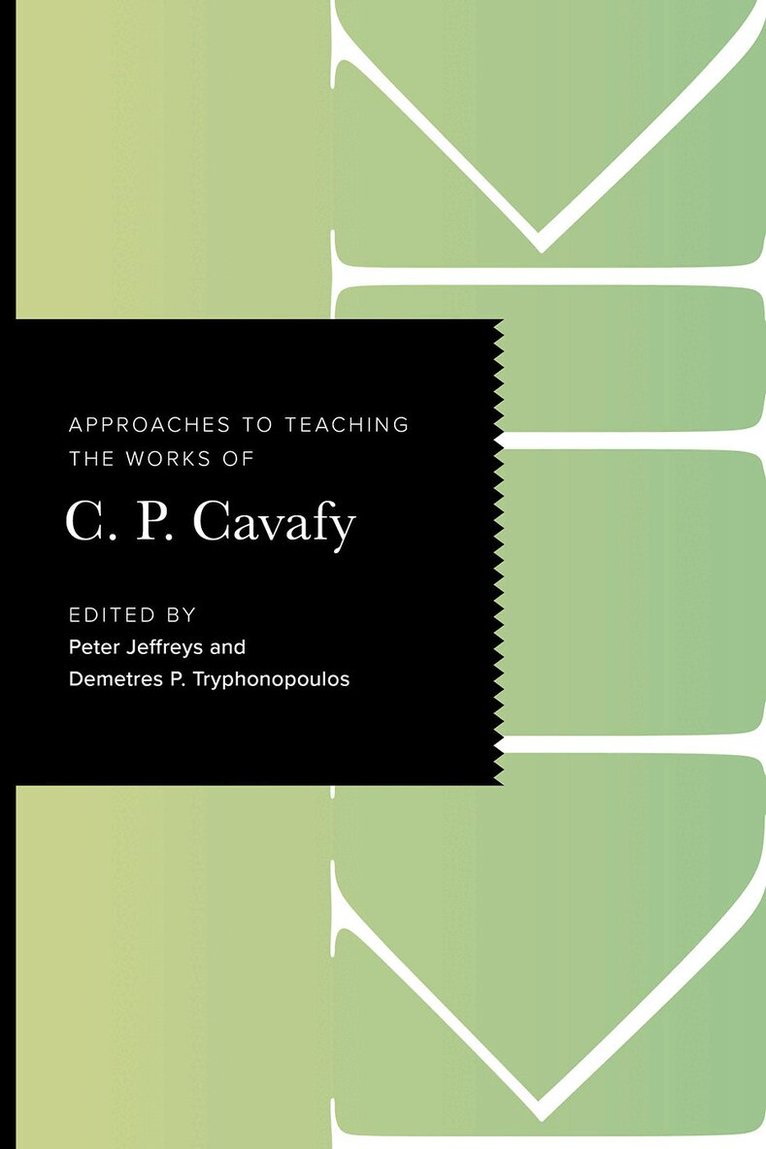
A gay poet-historian writing from and about the edges of empiresKnown as a preeminent poet of queer male desire, C. P. Cavafy lived most of his life as part of the Greek minority community in Alexandria, Egypt. He was inspired by the possibilities offered by peripheries, whether sexual, geographic, or historical. Volumes of his poems, widely translated into English, give anglophone readers access to his distinctive mixture of irony and tenderness, directness and subtlety.This volume will help instructors introduce students to Cavafy's works and explore them from many angles with the help of the extensive archives now available. Essays address teaching Cavafy both as a poetic historian of the Hellenistic, Roman, and Byzantine worlds and through the lens of postcoloniality. They also explore how he interpreted classical Greek works and how his work has been interpreted by composers, poets, and readers within and beyond Greece and the Greek diaspora.This volume contains discussion of the following texts: Charles Baudelaire's The Flowers of Evil; Anne Carson's If Not, Winter; C. P. Cavafy's essay "Give Back the Elgin Marbles"; Cavafy's poems "Caesarion," "For Ammonis, Who Died at 29, in 610 A.D.," "The God Abandons Anthony," "The Horses of Achilles," "In the Year 200 B.C.," "Ithaca," "Julian Noticing Negligence," "King Claudius," "27 June 1906, 2 p.m.," "Waiting for the Barbarians," and "Walls"; Mark Doty's My Alexandria; Lawrence Durrell's Alexandria Quartet; E. M. Forster's Pharos and Pharillon and Alexandria; Edward Gibbon's The Decline and Fall of the Roman Empire; Mahmud Tahir Haqqi's The Maiden of Dinshway; Homer's Iliad; Edwar al-Kharrat's Girls of Alexandria and City of Saffron; Robert Liddell's Unreal City; Ibrahim Abdel Meguld's No One Sleeps in Alexandria; Plutarch's Life of Caesar; and Shakespeare's Hamlet and Julius Caesar. The volume also contains discussion of the following musical compositions: Constantine Koukias's The Barbarians, Ron McFarland's String Quartet No. 2 (Windows), and Dimitris Papadimitriou's C. P. Cavafy: An Alexandrian Writing on an Alexandrian. The volume discusses these artworks: Gustave Moreau's The Apparition and Jacob and the Angel, Dante Gabriel Rossetti's The Blessed Damozel and A Sea-Spell, and James McNeill Whistler's Nocturne in Blue and Silver.
477 kr
Skickas inom 7-10 vardagar
A gay poet-historian writing from and about the edges of empiresKnown as a preeminent poet of queer male desire, C. P. Cavafy lived most of his life as part of the Greek minority community in Alexandria, Egypt. He was inspired by the possibilities offered by peripheries, whether sexual, geographic, or historical. Volumes of his poems, widely translated into English, give anglophone readers access to his distinctive mixture of irony and tenderness, directness and subtlety.This volume will help instructors introduce students to Cavafy's works and explore them from many angles with the help of the extensive archives now available. Essays address teaching Cavafy both as a poetic historian of the Hellenistic, Roman, and Byzantine worlds and through the lens of postcoloniality. They also explore how he interpreted classical Greek works and how his work has been interpreted by composers, poets, and readers within and beyond Greece and the Greek diaspora.This volume contains discussion of the following texts: Charles Baudelaire's The Flowers of Evil; Anne Carson's If Not, Winter; C. P. Cavafy's essay "Give Back the Elgin Marbles"; Cavafy's poems "Caesarion," "For Ammonis, Who Died at 29, in 610 A.D.," "The God Abandons Anthony," "The Horses of Achilles," "In the Year 200 B.C.," "Ithaca," "Julian Noticing Negligence," "King Claudius," "27 June 1906, 2 p.m.," "Waiting for the Barbarians," and "Walls"; Mark Doty's My Alexandria; Lawrence Durrell's Alexandria Quartet; E. M. Forster's Pharos and Pharillon and Alexandria; Edward Gibbon's The Decline and Fall of the Roman Empire; Mahmud Tahir Haqqi's The Maiden of Dinshway; Homer's Iliad; Edwar al-Kharrat's Girls of Alexandria and City of Saffron; Robert Liddell's Unreal City; Ibrahim Abdel Meguld's No One Sleeps in Alexandria; Plutarch's Life of Caesar; and Shakespeare's Hamlet and Julius Caesar. The volume also contains discussion of the following musical compositions: Constantine Koukias's The Barbarians, Ron McFarland's String Quartet No. 2 (Windows), and Dimitris Papadimitriou's C. P. Cavafy: An Alexandrian Writing on an Alexandrian. The volume discusses these artworks: Gustave Moreau's The Apparition and Jacob and the Angel, Dante Gabriel Rossetti's The Blessed Damozel and A Sea-Spell, and James McNeill Whistler's Nocturne in Blue and Silver.