Dennis Danielson – författare
Visar alla böcker från författaren Dennis Danielson. Handla med fri frakt och snabb leverans.
10 produkter
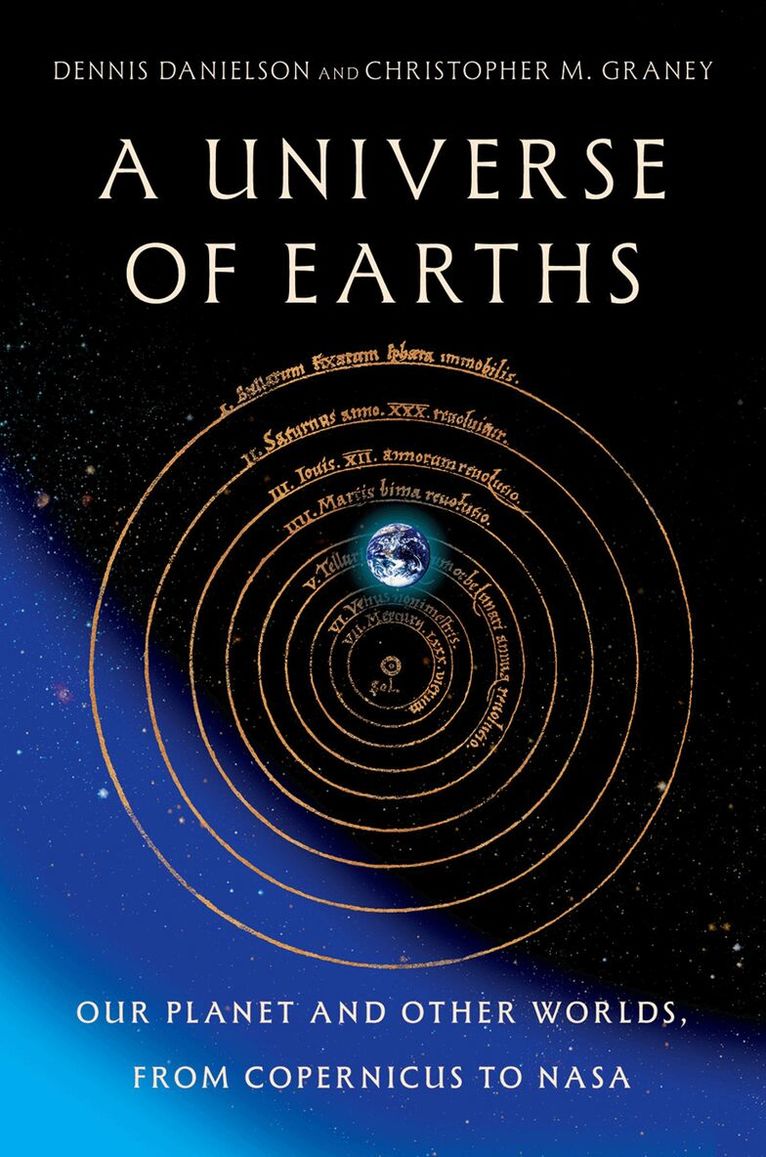
A Universe of Earths
Our Planet and Other Worlds, from Copernicus to NASA
Av Dennis Danielson, Christopher M. Graney
Inbunden, 2026
323 kr
Lägg i varukorg
Planet Earth has been a familiar concept for a mere fraction of recorded history. Until about the mid-1600s, most humans thought of Earth as immobile, likely either dim or simply invisible from the Moon or anywhere else in the heavens, and not (like the planets) participating in what Galileo called …
Universe of Earths
Our Planet and Other Worlds, from Copernicus to NASA
Av Christopher M. Graney, Dennis Danielson
E-bok, 2025
313 kr
Lägg i varukorg
Planet Earth has been a familiar concept for a mere fraction of recorded history. Until about the mid-1600s, most humans thought of Earth as immobile, likely either dim or simply invisible from the Moon or anywhere else in the heavens, and not (like the planets) participating in what Galileo called …
Universe of Earths
Our Planet and Other Worlds, from Copernicus to NASA
Av Christopher M. Graney, Dennis Danielson
E-bok, 2025
313 kr
Lägg i varukorg
Planet Earth has been a familiar concept for a mere fraction of recorded history. Until about the mid-1600s, most humans thought of Earth as immobile, likely either dim or simply invisible from the Moon or anywhere else in the heavens, and not (like the planets) participating in what Galileo called …
The Cambridge Companion to Milton
Häftad, 1999
617 kr
Lägg i varukorg
An accessible, helpful guide for any student of Milton, whether undergraduate or graduate, introducing readers to the scope of Milton's work, the richness of its historical relations, and the range of current approaches to it. This second edition contains several new and revised essays, reflecting …
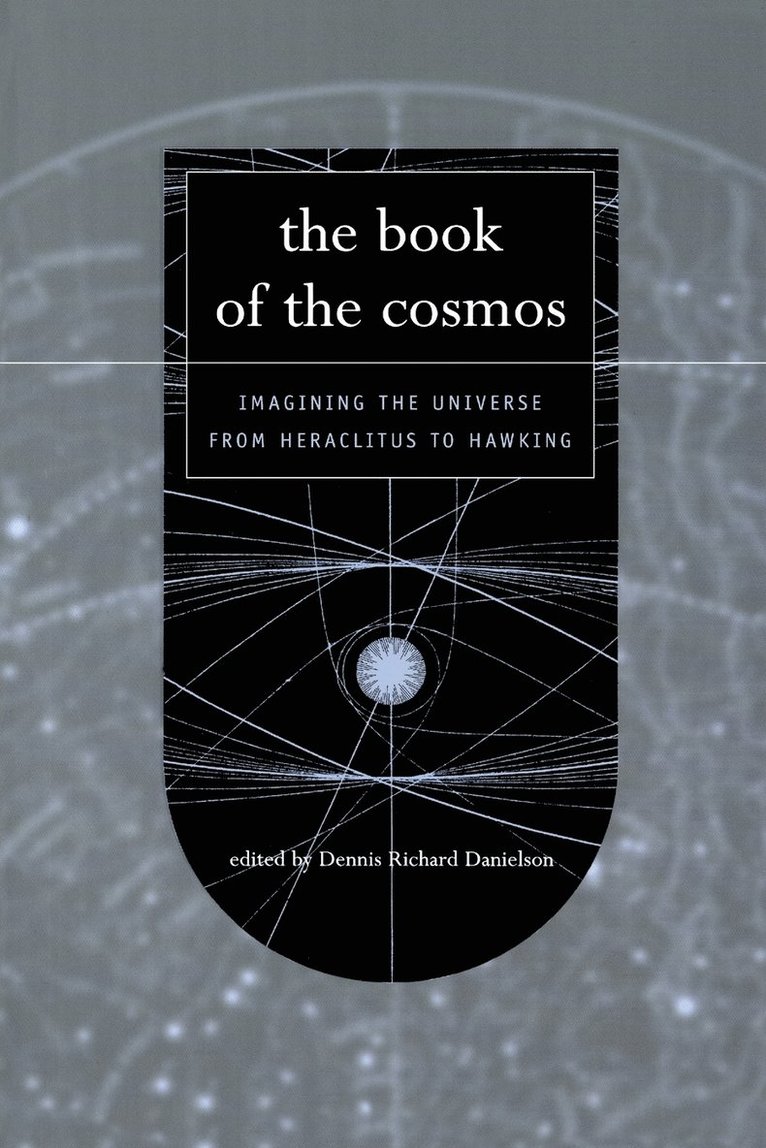
Book Of The Cosmos
Imagining The Universe From Heraclitus To Hawking
Häftad, 2001
372 kr
Lägg i varukorg
What is the cosmos? How did it come into being? How are we related to it, and what is our place in it? The Book of the Cosmos assembles for the first time in one volume the great minds of the Western world who have considered these questions from biblical times to the present. It is a book of many …
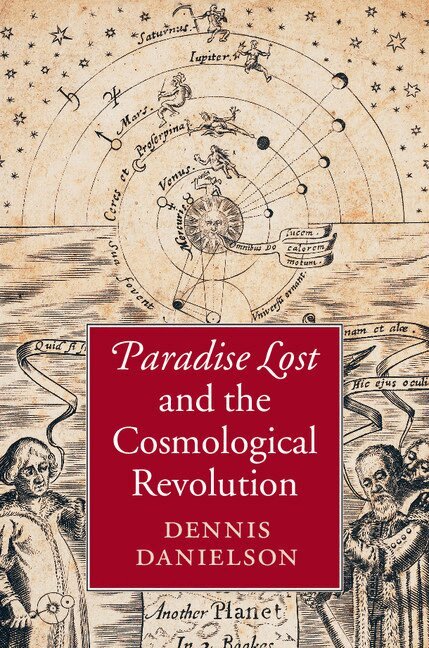
Paradise Lost and the Cosmological Revolution
Inbunden, 2014
1872 kr
Lägg i varukorg
This volume brings John Milton's Paradise Lost into dialogue with the challenges of cosmology and the world of Galileo, whom Milton met and admired: a universe encompassing space travel, an earth that participates vibrantly in the cosmic dance, and stars that are 'world[s] / Of destined …
Cambridge Companion to Milton
E-bok, 1999
587 kr
Lägg i varukorg
An accessible, helpful guide for any student of Milton, whether undergraduate or graduate, introducing readers to the scope of Milton''s work, the richness of its historical relations, and the range of current approaches to it. This second edition contains several new and revised essays, reflecting …
Cambridge Companion to Milton
E-bok, 1999
600 kr
Lägg i varukorg
An accessible, helpful guide for any student of Milton, whether undergraduate or graduate, introducing readers to the scope of Milton''s work, the richness of its historical relations, and the range of current approaches to it. This second edition contains several new and revised essays, reflecting …
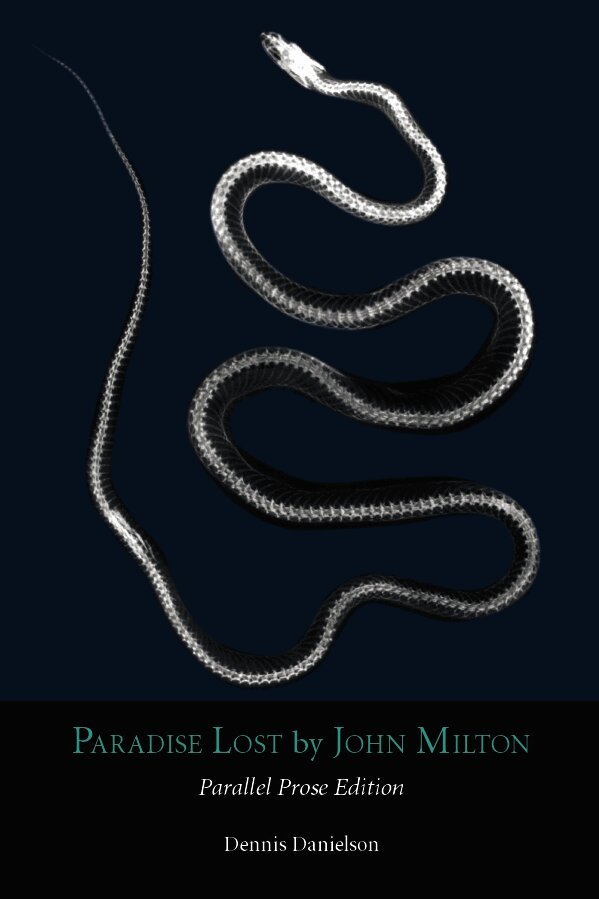
Paradise Lost
Parallel Prose Edition
Av John Milton, Dennis Danielson
Häftad, 2012
539 kr
Lägg i varukorg
John Milton’s epic story of cosmic rebellion and the beginning of human history has long been considered one of the greatest and most gripping narratives ever written in English. Yet its intensely poetic language, now-antiquated syntax and vocabulary, and dense allusions to mythical and Biblical …