Diana Tuite - Böcker
Visar alla böcker från författaren Diana Tuite. Handla med fri frakt och snabb leverans.
2 produkter
2 produkter
406 kr
Skickas inom 7-10 vardagar
Since Alex Katz first painted the Paul Taylor in 1959, he has invited dancers to model for him. Dance, according to the artist, belongs to the same long tradition of gestures as painting. This publication is the first to examine the many decades of Katz s work for the stage, including the ways that he introduced tenets of postwar painting into theatre and dance aesthetics. I d never seen anything like it, Katz recalls of his first encounter with the work of dancer and choreographer Paul Taylor. The two partnered on fifteen productions for which Katz innovated with flat lighting, humorous obstacles, and framing mechanisms. His involvement with Paul Taylor led to collaborations with other companies including Yoshiko Chuma, Laura Dean, William Dunas, and Parsons. Among Katz s most celebrated sets is the ensemble of cutouts he created for Kenneth Koch s 1961 production, George Washington Crossing the Delaware. Katz heightened the absurdity of the Revolutionary War-inspired play with Pop-adjacent figures and props. This publication brings together paintings, sketches, costumes, photographs, film stills, and ephemera. Newly-commissioned essays, unpublished materials, and major paintings will provide an overview of Katz s working relationships with individual choreographers and shed new light on avant-garde collaborations in New York between the 1960s and 80s.
426 kr
Skickas inom 7-10 vardagar
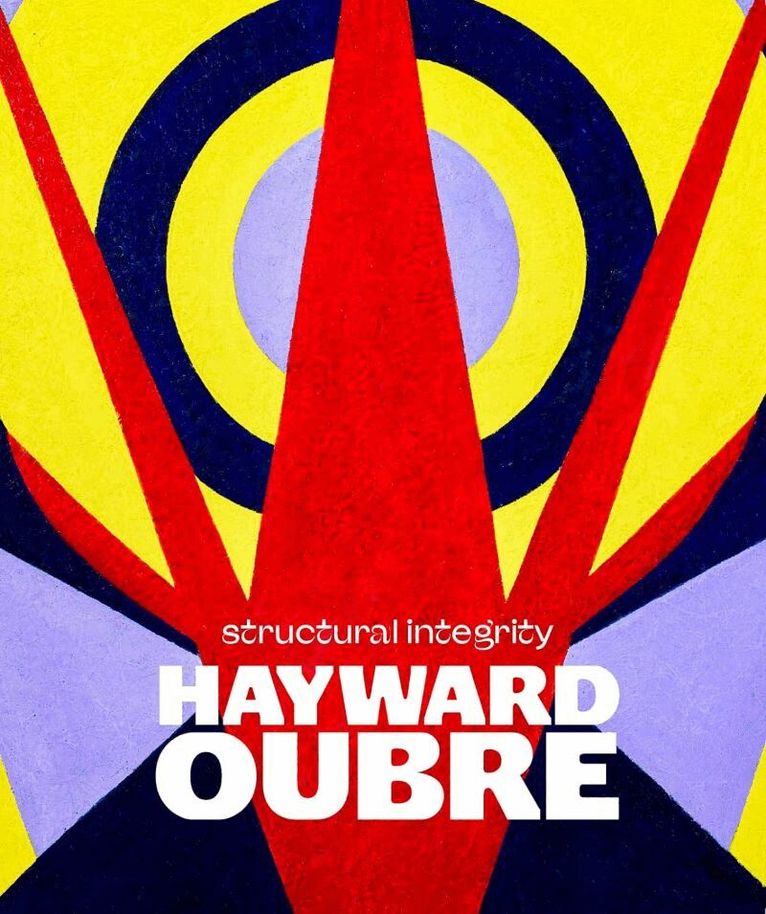
Best known for his wire sculptures, Hayward L. Oubre, Jr. (1916–2006), was an important Black American artist and educator, who has until now received little attention from scholars and museums. He created sculptures, paintings, and prints that tested the bounds of each of these mediums. These works share a previously untold history of American modernism rooted in the South. Academically-trained, Oubre worked with an everyday material—wire coat hangers—that led some early critics to associate his sculpture with folk art, despite wire rising to prominence as a material for modernist sculptors in this period.While making his art he also trained a subsequent generation of artists through his teaching, first at Alabama State College (now Alabama State University), from 1949 to 1965, and then at Winston-Salem State University, from 1965 to 1981, both Historically Black Colleges and Universities. Within Oubre’s story is a history of Alabama art shaping American art that has never been written. This new volume, and its accompanying exhibition, will begin to tell this story, laying the foundation for future projects on the work of Black artists in Alabama and the South.