Diane E. Goldstein - Böcker
Visar alla böcker från författaren Diane E. Goldstein. Handla med fri frakt och snabb leverans.
5 produkter
5 produkter
257 kr
Skickas inom 7-10 vardagar
As part of this multilayered conversation about stigma, this volume discusses the relationship between the stigmatized individual and our role as researchers. Here we address our own perspectives as researchers struggling with stigma issues and tellability, as well as scholarly reflexive concerns dealing with what can't be said when working with stigmatized groups or topics. The disciplinary focus of folklore positions us well to concentrate on the vernacular experience of the stigmatized, but it also propels us toward analysis of the performance of stigma, the process of stigmatization, and the political representation of stigmatized populations. These perspectives come to the fore in this book, as does the multilayered nature of stigma—its ability to reproduce, overlap, and spread, not just in terms of replication but also in terms of the ethnographer's ability to apprehend it and her ability to research and write about it.
Soul of a Folklorist
Historical Moments, Political Representation, and the Weight of Social Responsibility
Inbunden, Engelska, 2026
1 059 kr
Skickas inom 7-10 vardagar
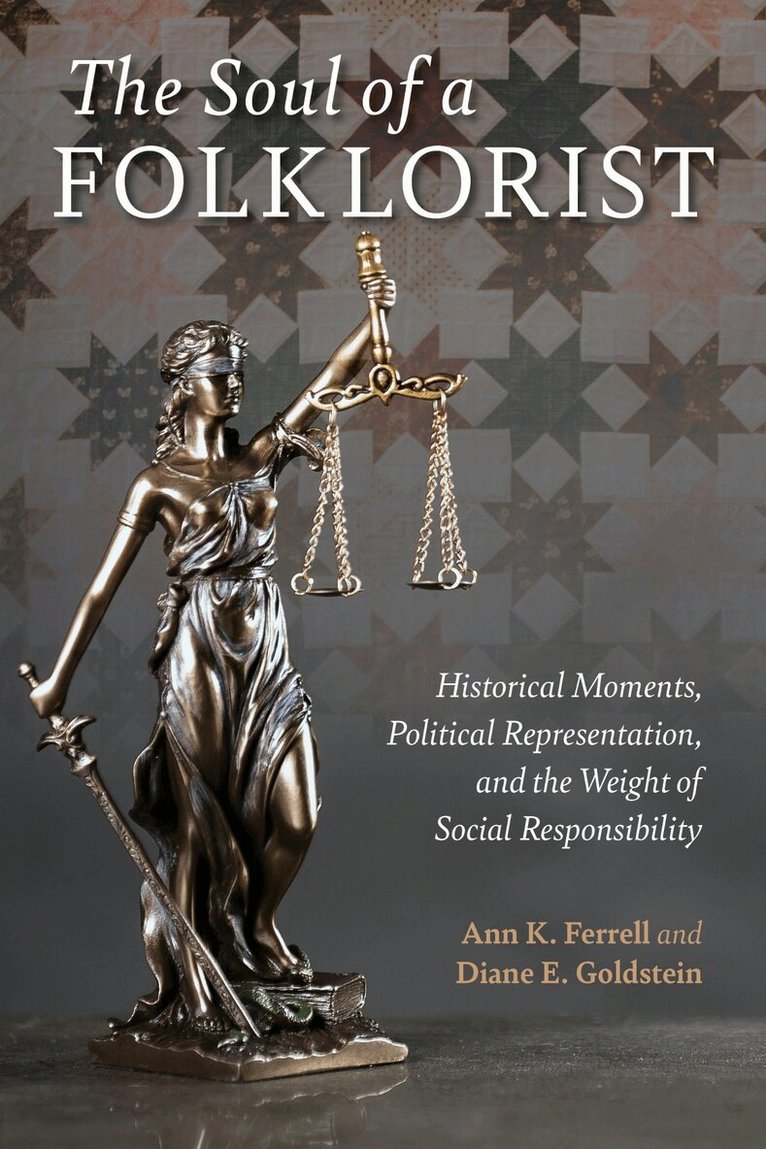
In the 1960s, '70s, and '80s, the US saw a growing awareness of representational politics following the civil rights, women's, gay and lesbian, anti-war, and environmental justice movements, and, like most fields, folklore became increasingly cognizant of these cultural and political shifts. The Soul of a Folklorist chronicles the growing pains folklorists felt as the field engaged in these new and different ways of thinking about expressive culture, inequality, and political representation.Grounded in primary sources including archival documents and interviews with members of the field, authors Ann K. Ferrell and Diane E. Goldstein examine the discussions that arose during this period among folklore scholars. Some folklorists explored progressive social change initiatives as part of their professional work, while others questioned the scholarly appropriateness of applied or political engagement, at times challenging this professional engagement in contemporary political issues. In a series of case studies from the 1970s and '80s, Ferrell and Goldstein explore how folklorists navigated questions about inequities that existed within the field and the potential adverse effects of those inequities on what and whom they studied, the push and pull of scholarly and public folklore work, the location of the line between research and advocacy as well as the wisdom of crossing that line, and the nature of our responsibility, as individual folklorists and as a field, to those we study and the communities in which we live and work.The Soul of a Folklorist examines how, as folklorists moved toward a perspective that increasingly explored the responsibility of presentation and representation of gender, race, class, and other areas of inequities, the discipline gradually came to understand both the power of its own subject and structures of subordination within the field.
Soul of a Folklorist
Historical Moments, Political Representation, and the Weight of Social Responsibility
Häftad, Engelska, 2026
473 kr
Skickas
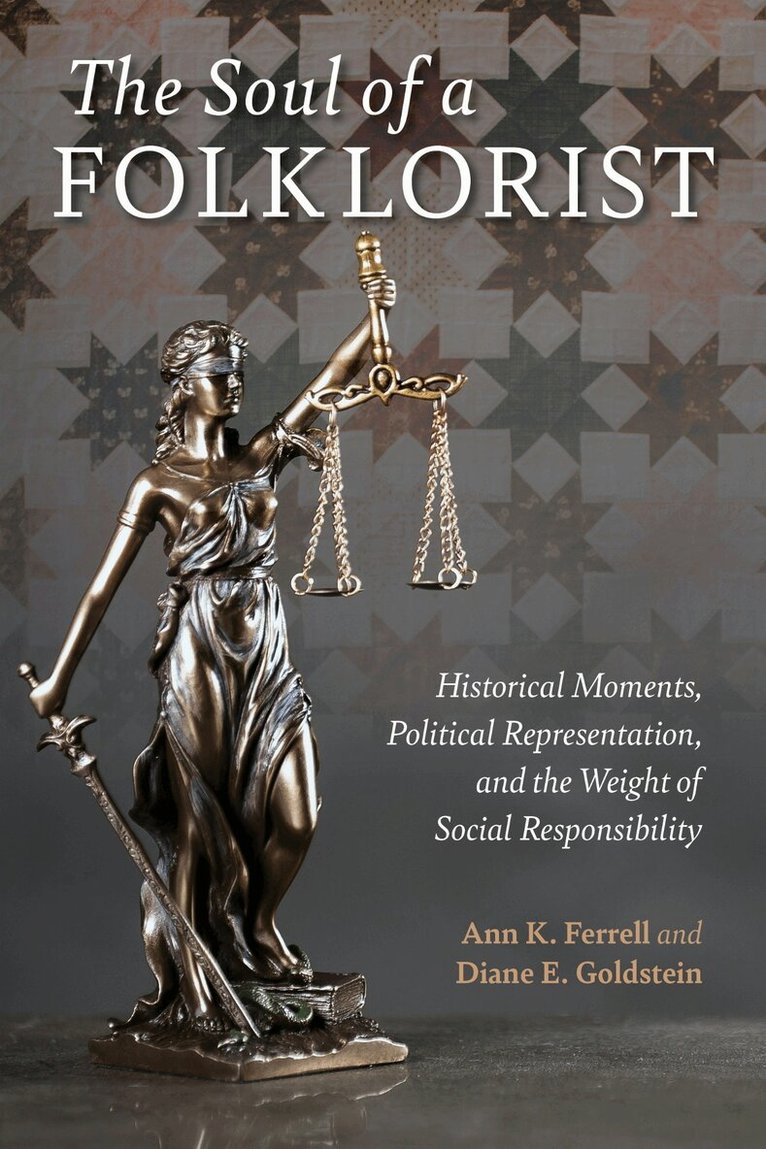
In the 1960s, '70s, and '80s, the US saw a growing awareness of representational politics following the civil rights, women's, gay and lesbian, anti-war, and environmental justice movements, and, like most fields, folklore became increasingly cognizant of these cultural and political shifts. The Soul of a Folklorist chronicles the growing pains folklorists felt as the field engaged in these new and different ways of thinking about expressive culture, inequality, and political representation.Grounded in primary sources including archival documents and interviews with members of the field, authors Ann K. Ferrell and Diane E. Goldstein examine the discussions that arose during this period among folklore scholars. Some folklorists explored progressive social change initiatives as part of their professional work, while others questioned the scholarly appropriateness of applied or political engagement, at times challenging this professional engagement in contemporary political issues. In a series of case studies from the 1970s and '80s, Ferrell and Goldstein explore how folklorists navigated questions about inequities that existed within the field and the potential adverse effects of those inequities on what and whom they studied, the push and pull of scholarly and public folklore work, the location of the line between research and advocacy as well as the wisdom of crossing that line, and the nature of our responsibility, as individual folklorists and as a field, to those we study and the communities in which we live and work.The Soul of a Folklorist examines how, as folklorists moved toward a perspective that increasingly explored the responsibility of presentation and representation of gender, race, class, and other areas of inequities, the discipline gradually came to understand both the power of its own subject and structures of subordination within the field.
1 052 kr
Skickas inom 5-8 vardagar
Vernacular responses have been crucial for communities seeking creative ways to cope with the coronavirus pandemic. With most people locked down and separated from the normal ebb and flow of life for an extended period of time, COVID-19 inspired community and creativity, adaptation and flexibility, traditional knowledge, resistance, and dynamism. Removing people from assumed norms and daily lives, the pandemic provided a moment of insight into the nature of vernacular culture as it was used, abused, celebrated, critiqued, and discarded. In Behind the Mask, contributors from the USA, the UK, and Scandinavia emphasize the choices that individual people and communities made during the COVID pandemic, prioritizing the everyday lives of people enduring this health crisis. Despite vernacular’s potential nod to dominant or external culture, it is the strong connection to the local that grounds the vernacular within the experiential context that it occupies. Exploring the nature and shape of vernacular responses to the ongoing public health crisis, Behind the Mask documents processes that are otherwise likely to be forgotten. Including different ethnographic presents, contributors capture moments during the pandemic rather than upon reflection, making the work important to students and scholars of folklore and ethnology, as well as general readers interested in the COVID pandemic.
386 kr
Tillfälligt slut
Vernacular responses have been crucial for communities seeking creative ways to cope with the coronavirus pandemic. With most people locked down and separated from the normal ebb and flow of life for an extended period of time, COVID-19 inspired community and creativity, adaptation and flexibility, traditional knowledge, resistance, and dynamism. Removing people from assumed norms and daily lives, the pandemic provided a moment of insight into the nature of vernacular culture as it was used, abused, celebrated, critiqued, and discarded. In Behind the Mask, contributors from the USA, the UK, and Scandinavia emphasize the choices that individual people and communities made during the COVID pandemic, prioritizing the everyday lives of people enduring this health crisis. Despite vernacular’s potential nod to dominant or external culture, it is the strong connection to the local that grounds the vernacular within the experiential context that it occupies. Exploring the nature and shape of vernacular responses to the ongoing public health crisis, Behind the Mask documents processes that are otherwise likely to be forgotten. Including different ethnographic presents, contributors capture moments during the pandemic rather than upon reflection, making the work important to students and scholars of folklore and ethnology, as well as general readers interested in the COVID pandemic.