Diane Rubenstein – författare
Visar alla böcker från författaren Diane Rubenstein. Handla med fri frakt och snabb leverans.
9 produkter
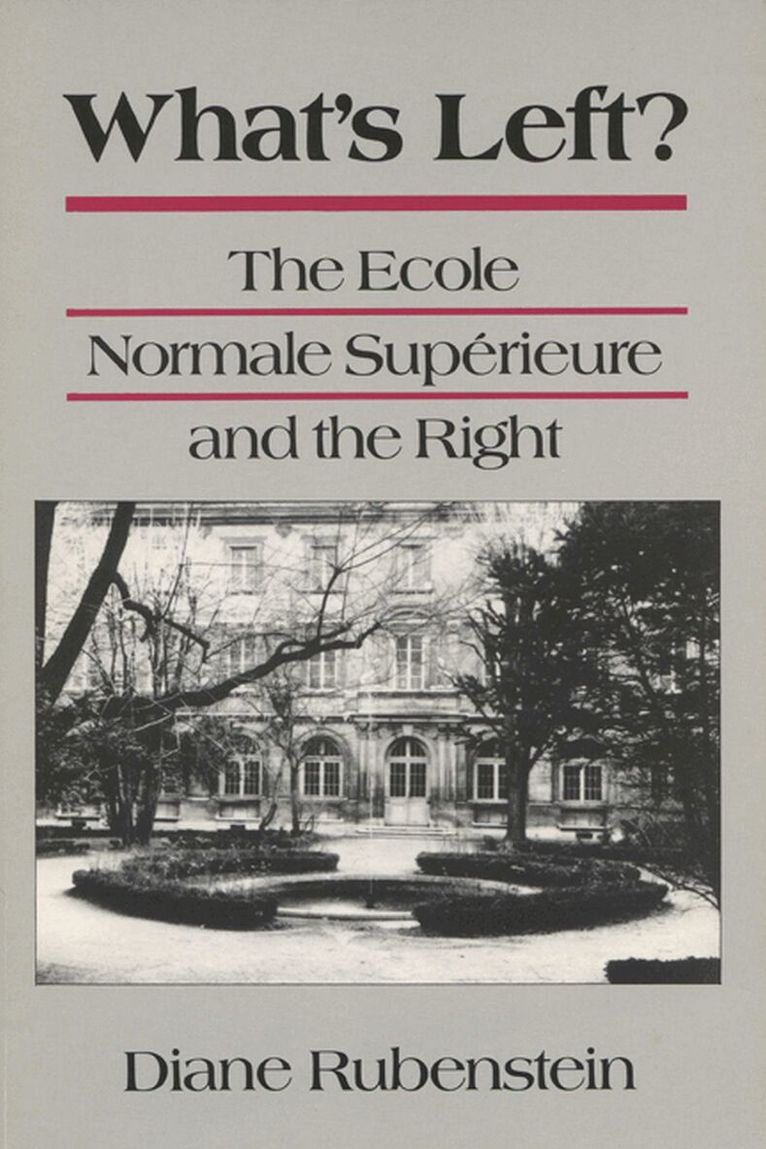
What's Left?
The Ecole Normale Superieure and the Right
Häftad, 1991
252 kr
Lägg i varukorg
In this study, the author connects pedagogical and literary institutions to issues of writing, political position and power. She suggests that the leftist caricature of the Ecole Normale Superieure (ENS), the training ground for French intellectuals, is inaccurate because it represses the role of …
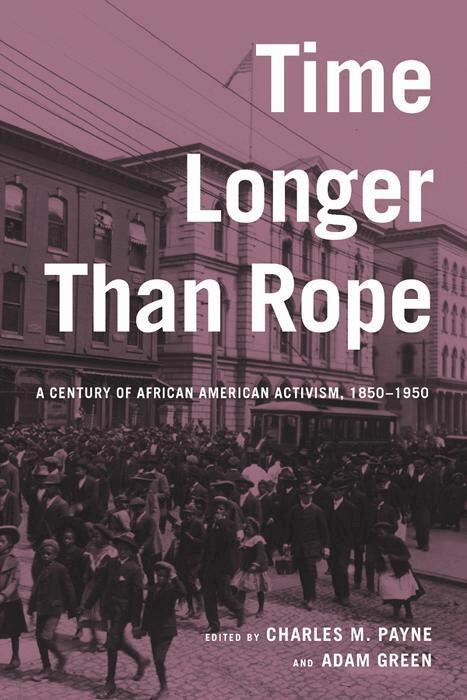
Time Longer Than Rope
A Century of African American Activism, 1850-1950
Av Diane Rubenstein, Charles M. Payne m. fl.
Inbunden, 2003
994 kr
Lägg i varukorg
The story of the civil rights movement is well-known, popularized by both the media and the academy. Yet the version of the story recounted time and again by both history books and PBS documentaries is a simplified one, reduced to an inspirational but ultimately facile narrative framed around Dr. …
This Is not a President
Sense, Nonsense, and the American Political Imaginary
Inbunden, 2008
965 kr
Lägg i varukorg
Read The Chronicle of Higher Ed Author InterviewIn This Is Not a President, Diane Rubenstein looks at the postmodern presidency — from Reagan and George H. W. Bush, through the current administration, and including Hillary. Focusing on those seemingly inexplicable gaps or blind spots in recent …
This Is not a President
Sense, Nonsense, and the American Political Imaginary
Häftad, 2008
425 kr
Lägg i varukorg
Read The Chronicle of Higher Ed Author InterviewIn This Is Not a President, Diane Rubenstein looks at the postmodern presidency — from Reagan and George H. W. Bush, through the current administration, and including Hillary. Focusing on those seemingly inexplicable gaps or blind spots in recent …
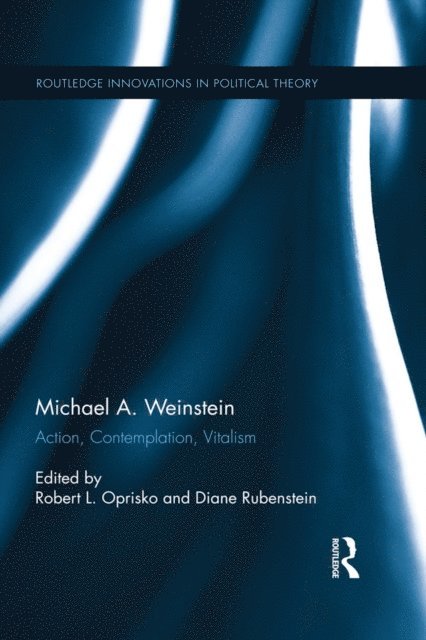
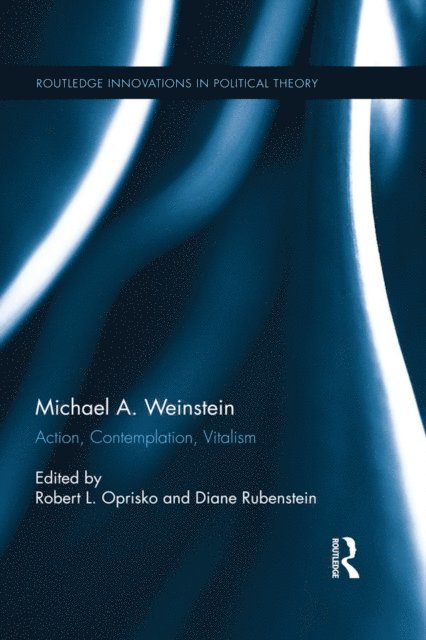
Michael A. Weinstein
Action, Contemplation, Vitalism
Av Robert L. Oprisko, Diane Rubenstein
Inbunden, 2014
2504 kr
Lägg i varukorg
This book is a major reassessment of Michael Weinstein’s political philosophy. It situates his singular contribution, designated as "critical vitalism," in the context of both canonical American and contemporary continental theory. Weinstein is presented as a philosopher of life and as an American …
Michael A. Weinstein
Action, Contemplation, Vitalism
Av Robert L. Oprisko, Diane Rubenstein
Häftad, 2016
617 kr
Lägg i varukorg
This book is a major reassessment of Michael Weinstein’s political philosophy. It situates his singular contribution, designated as "critical vitalism," in the context of both canonical American and contemporary continental theory. Weinstein is presented as a philosopher of life and as an American …
Michael A. Weinstein
Action, Contemplation, Vitalism
Av Diane Rubenstein, Robert L. Oprisko
E-bok, 2014
727 kr
Lägg i varukorg
This book is a major reassessment of Michael Weinstein’s political philosophy. It situates his singular contribution, designated as "critical vitalism," in the context of both canonical American and contemporary continental theory. Weinstein is presented as a philosopher of life and as an …
Michael A. Weinstein
Action, Contemplation, Vitalism
Av Diane Rubenstein, Robert L. Oprisko
E-bok, 2014
727 kr
Lägg i varukorg
This book is a major reassessment of Michael Weinstein’s political philosophy. It situates his singular contribution, designated as "critical vitalism," in the context of both canonical American and contemporary continental theory. Weinstein is presented as a philosopher of life and as an …
What's Left?
The Ecole Normale Superieure and the Right
Inbunden, 1992
523 kr
Tillfälligt slut
In this study, the author connects pedagogical and literary institutions to issues of writing, political position and power. She suggests that the leftist caricature of the Ecole Normale Superieure (ENS), the training ground for French intellectuals, is inaccurate because it represses the role of …