Dianne Guenin-Lelle - Böcker
Visar alla böcker från författaren Dianne Guenin-Lelle. Handla med fri frakt och snabb leverans.
3 produkter
3 produkter
921 kr
Skickas inom 5-8 vardagar
Ronney Mourad and Dianne Guenin-Lelle provide here the first English translation of the Prison Narratives written by the seventeenth-century French mystic and Quietist, Jeanne Guyon (1648-1717). Guyon was a fascinating figure in the court of Louis XIV and, although she was marginalized and ignored by French historians for two centuries after her death, she became a major figure in the development of transatlantic Protestant spirituality in the eighteenth century. Guyon's narrative describes her confinement between 1695 and 1703 in various prisons, including the dreaded Bastille. It also maps, in moving and unforgettable detail, the political and religious hegemony that sought to destroy her reputation and erase her from history. Guyon kept the text private and it remained undiscovered for almost three centuries until an archival version was found and published in 1992 under the title Récits de Captivité (Prison Narratives). This translation is not only the first to appear in English, but opens with a comprehensive introduction that represents the most detailed examination of the Prison Narratives presently available in English or French.
1 211 kr
Skickas inom 10-15 vardagar
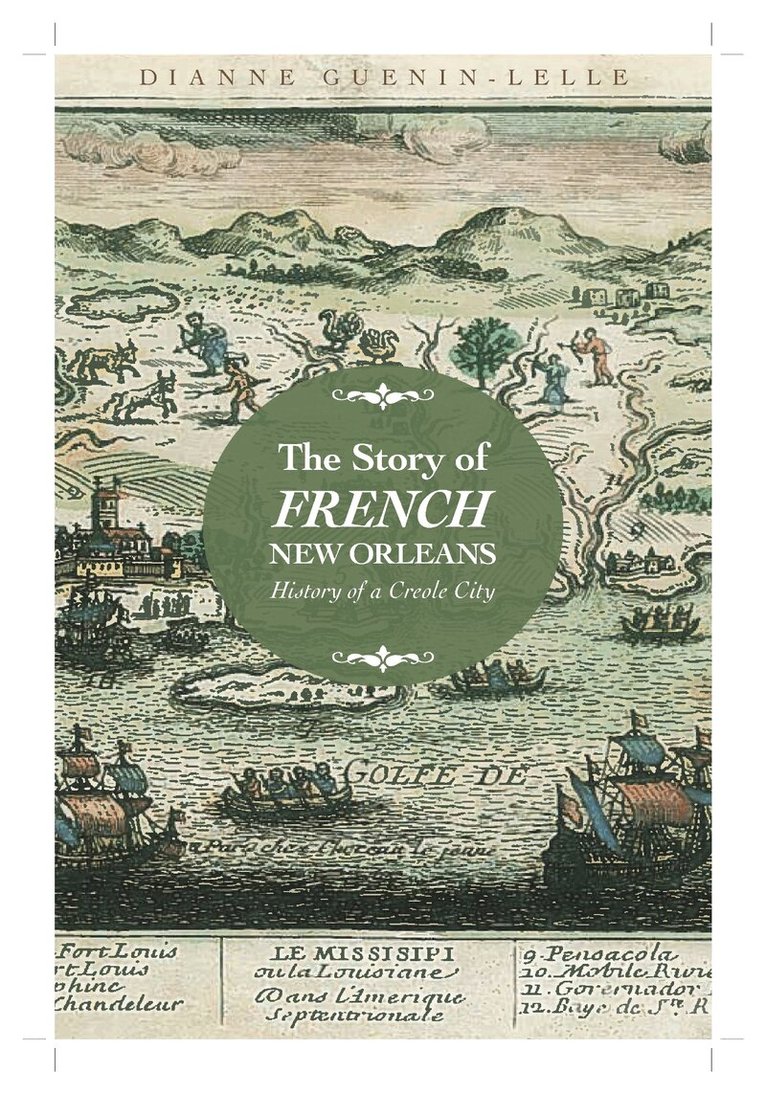
What is it about the city of New Orleans? History, location, and culture continue to link it to France while distancing it culturally and symbolically from the United States. This book explores the traces of French language, history, and artistic expression that have been present there over the last three hundred years. This volume focuses on the French, Spanish, and American colonial periods to understand the imprint that French socio-cultural dynamic left on the Crescent City.The migration of Acadians to New Orleans at the time the city became a Spanish dominion and the arrival of Haitian refugees when the city became an American territory oddly reinforced its Francophone identity. However, in the process of establishing itself as an urban space in the Antebellum South, the culture of New Orleans became a liability for New Orleans elite after the Louisiana Purchase.New Orleans and the Caribbean share numerous historical, cultural, and linguistic connections. The book analyzes these connections and the shared process of creolization occurring in New Orleans and throughout the Caribbean Basin. It suggests ""French"" New Orleans might be understood as a trope for unscripted ""original"" Creole social and cultural elements. Since being Creole came to connote African descent, the study suggests that an association with France in the minds of whites allowed for a less racially-bound and contested social order within the United States.
267 kr
Skickas inom 10-15 vardagar
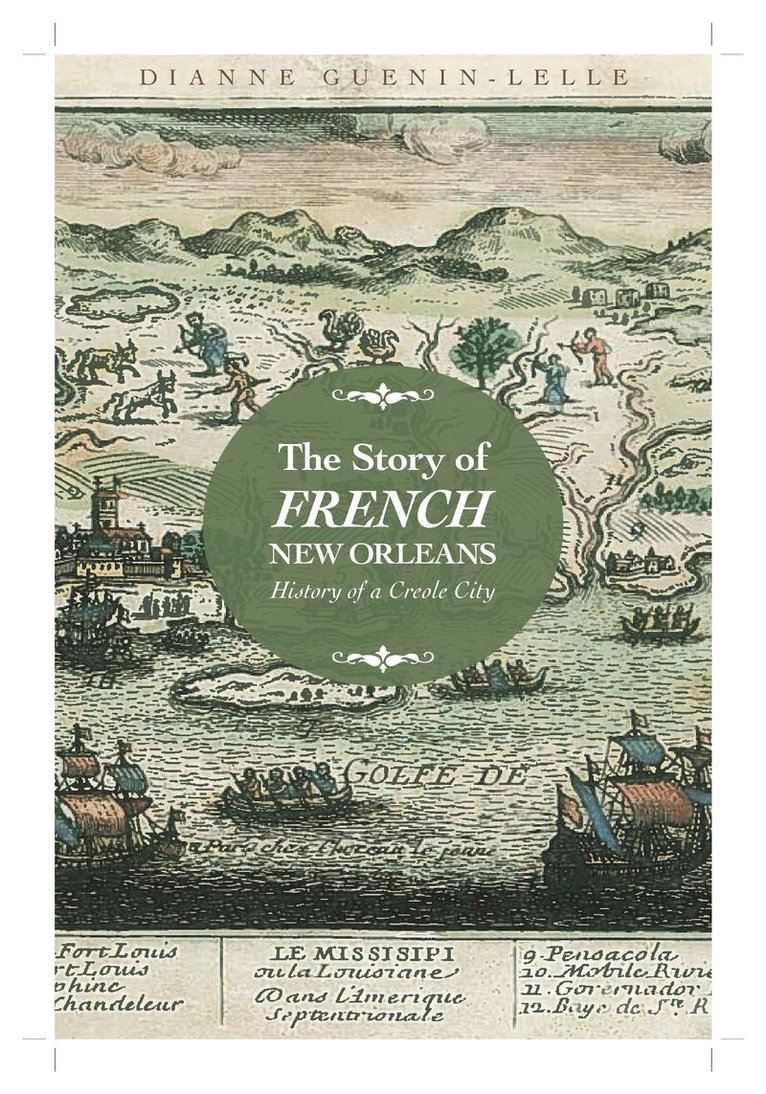
What is it about the city of New Orleans? History, location, and culture continue to link it to France while distancing it culturally and symbolically from the United States. This book explores the traces of French language, history, and artistic expression that have been present there over the last three hundred years. This volume focuses on the French, Spanish, and American colonial periods to understand the imprint that French sociocultural dynamic left on the Crescent City.The migration of Acadians to New Orleans at the time the city became a Spanish dominion and the arrival of Haitian refugees when the city became an American territory oddly reinforced its Francophone identity. However, in the process of establishing itself as an urban space in the antebellum South, the culture of New Orleans became a liability for New Orleans elite after the Louisiana Purchase.New Orleans and the Caribbean share numerous historical, cultural, and linguistic connections. The book analyzes these connections and the shared process of creolization occurring in New Orleans and throughout the Caribbean Basin. It suggests ""French"" New Orleans might be understood as a trope for unscripted ""original"" Creole social and cultural elements. Since being Creole came to connote African descent, the study suggests that an association with France in the minds of whites allowed for a less racially bound and contested social order within the United States.