Ronney Mourad - Böcker
Visar alla böcker från författaren Ronney Mourad. Handla med fri frakt och snabb leverans.
3 produkter
3 produkter
921 kr
Skickas inom 5-8 vardagar
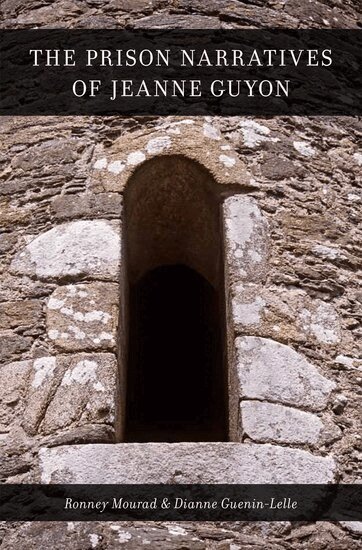
Ronney Mourad and Dianne Guenin-Lelle provide here the first English translation of the Prison Narratives written by the seventeenth-century French mystic and Quietist, Jeanne Guyon (1648-1717). Guyon was a fascinating figure in the court of Louis XIV and, although she was marginalized and ignored by French historians for two centuries after her death, she became a major figure in the development of transatlantic Protestant spirituality in the eighteenth century. Guyon's narrative describes her confinement between 1695 and 1703 in various prisons, including the dreaded Bastille. It also maps, in moving and unforgettable detail, the political and religious hegemony that sought to destroy her reputation and erase her from history. Guyon kept the text private and it remained undiscovered for almost three centuries until an archival version was found and published in 1992 under the title Récits de Captivité (Prison Narratives). This translation is not only the first to appear in English, but opens with a comprehensive introduction that represents the most detailed examination of the Prison Narratives presently available in English or French.
1 009 kr
Skickas inom 10-15 vardagar
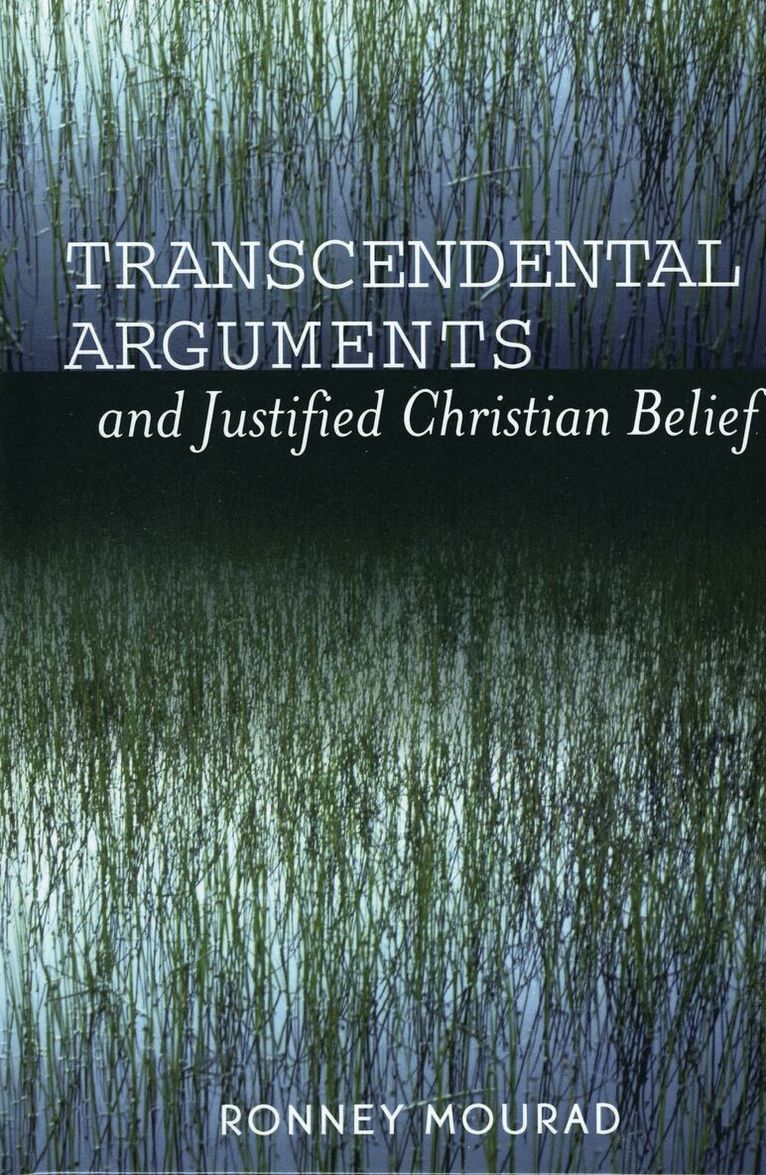
Transcendental Arguments and Justified Christian Belief offers an extended discussion of the characteristics of transcendental arguments and the philosophical objections that have been leveled against them. Author Ronney Mourad provides a comprehensive review of the recent philosophical literature concerning the definition and possibility of transcendental arguments and defends original positions on these issues.One function of transcendental arguments is to identify beliefs or propositions implied by any possible act of assertion. Anyone who denies the conclusions of a sound transcendental argument, defined in this way, simultaneously implies the truth of those conclusions by asserting the denial. Therefore, a sound transcendental argument produces conclusions that are distinctively universal and resistant to criticism. This book also applies transcendental argumentation to epistemological questions in Christian theology. Can Christians justify their religious beliefs? Do they even need to try? The work of Karl-Otto Apel and Franklin Gamwell serves as the starting point for the development of a transcendentally grounded conception of epistemic justification. The final chapters argue, in conversation with Schubert Ogden and Alvin Plantinga, that the obligations of epistemic justification revealed by transcendental arguments bear several implications for theological method.
608 kr
Skickas inom 10-15 vardagar
Transcendental Arguments and Justified Christian Belief offers an extended discussion of the characteristics of transcendental arguments and the philosophical objections that have been leveled against them. Author Ronney Mourad provides a comprehensive review of the recent philosophical literature concerning the definition and possibility of transcendental arguments and defends original positions on these issues.One function of transcendental arguments is to identify beliefs or propositions implied by any possible act of assertion. Anyone who denies the conclusions of a sound transcendental argument, defined in this way, simultaneously implies the truth of those conclusions by asserting the denial. Therefore, a sound transcendental argument produces conclusions that are distinctively universal and resistant to criticism. This book also applies transcendental argumentation to epistemological questions in Christian theology. Can Christians justify their religious beliefs? Do they even need to try? The work of Karl-Otto Apel and Franklin Gamwell serves as the starting point for the development of a transcendentally grounded conception of epistemic justification. The final chapters argue, in conversation with Schubert Ogden and Alvin Plantinga, that the obligations of epistemic justification revealed by transcendental arguments bear several implications for theological method.