Dilip Ratha – författare
Visar alla böcker från författaren Dilip Ratha. Handla med fri frakt och snabb leverans.
9 produkter
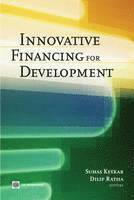
Innovative Financing for Development
Häftad, 2008
355 kr
Lägg i varukorg
Developing countries need additional, cross-border capital channeled into their private sectors to generate employment and growth, reduce poverty, and meet the other Millennium Development Goals. Innovative financing mechanisms are necessary to make this happen. ""Innovative Financing for …
Diaspora for Development in Africa
Häftad, 2011
413 kr
Lägg i varukorg
The diaspora of developing countries can be a potent force for development, through remittances, but more importantly, through promotion of trade, investment, knowledge and technology transfers. The book aims to consolidate research and evidence on these issues with a view to formulating policies …
Migrant Remittance Flows
Findings from a Global Survey of Central Banks
Av Dilip Ratha, Jacqueline Irving m. fl.
Häftad, 2010
181 kr
Lägg i varukorg
Migrant remittances provide the most tangible link between migration and development, having significant potential to reduce poverty and spur socioeconomic development. Drawing on the findings from responses to a survey conducted in 2008-09 from 114 central banks worldwide (of which 33 are in …
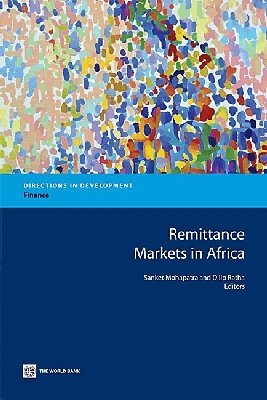
Remittance Markets in Africa
Av Sanket Mohapatra, Dilip Ratha
Häftad, 2011
471 kr
Lägg i varukorg
Remittances sent by African migrants have become an important source of external finance for countries in the Sub-Saharan African region. In many African countries, these flows are larger than foreign direct investment and portfolio debt and equity flows. In some cases, they are similar in size to …
Migration and Remittances During the Global Financial Crisis and Beyond
Av Ibrahim Sirkeci, Jeffrey H. Cohen m. fl.
Häftad, 2012
458 kr
Lägg i varukorg
During the 2008 financial crisis, the possible changes in remittance-sending behavior and potential avenues to alleviate a probable decline in remittance flows became concerns. This book brings together a wide array of studies from around the world focusing on the recent trends in remittance flows. …
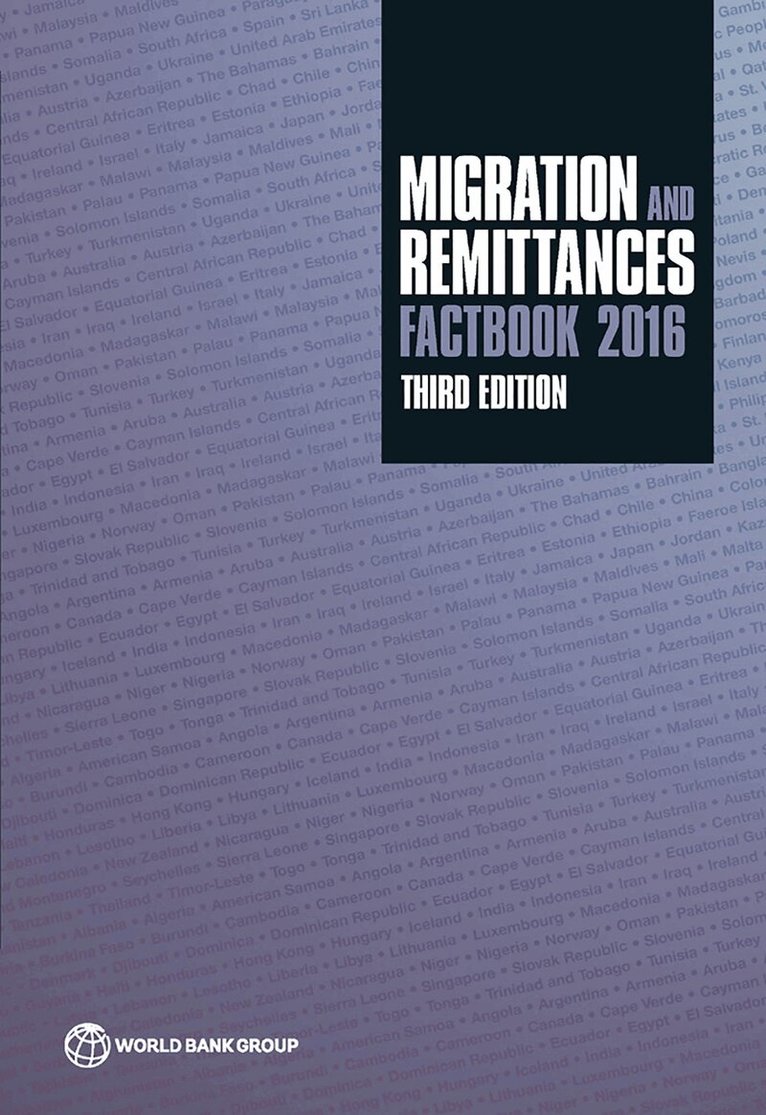
Migration and Remittances Factbook 2016
Third Edition
Av Dilip Ratha, Christian Eigen-Zucchi m. fl.
Häftad, 2016
458 kr
Lägg i varukorg
Remittances remain a key source of funds for developing countries, far exceeding official development assistance and even foreign direct investment. Remittances have proved to be more stable than private debt and portfolio equity flows, and less volatile than official aid flows, and their annual …
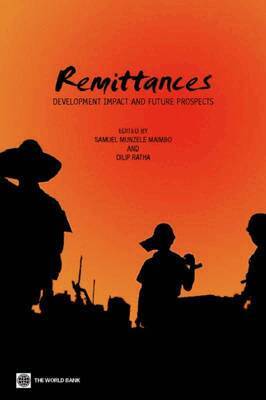
Remittances
Development Impact and Future Prospects
Av Samuel Munzele Maimbo, Dilip Ratha
Häftad, 2005
352 kr
Tillfälligt slut
The publication of this book is especially important for because our economy depends to a large extent on the remittances of overseas workers. We are particularly interested in the new technologies cited by the authors. These technologies would reduce the cost of remitting money to recipient …
Migration and Remittances Factbook 2008
Av Dilip Ratha
Häftad, 2008
342 kr
Tillfälligt slut
Contains statistical snapshots for 195 countries and 13 regional and income groups. This book features more than 200 tables, each focused on one country, region, or income group, to explore immigration, emigration and skilled emigration, and inward and outward remittance flows.
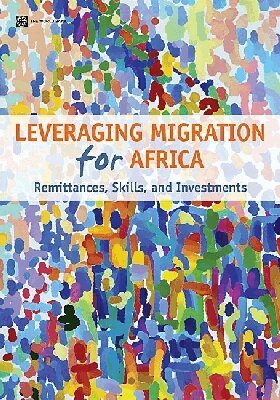
Leveraging Migration for Africa
Remittances, Skills, and Investments
Av Dilip Ratha, Sanket Mohapatra m. fl.
Häftad, 2011
453 kr
Tillfälligt slut