Dina Iordanova – författare
Visar alla böcker från författaren Dina Iordanova. Handla med fri frakt och snabb leverans.
8 produkter
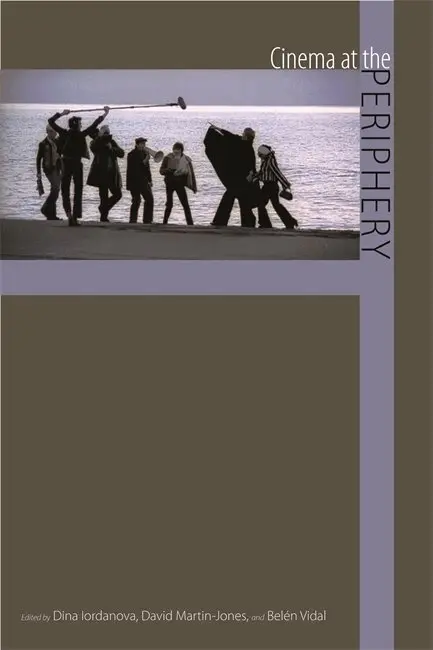
Cinema at the Periphery
Av Dina Iordanova, David Martin-Jones m. fl.
Häftad, 2010
368 kr
Lägg i varukorg
This title highlights the industries, markets, identities, and histories that distinguish cinema beyond the traditional hubs of mainstream Western cinema. From Iceland to Iran, from Singapore to Scotland, a growing intellectual and cultural wave of production is taking cinema beyond the borders of …
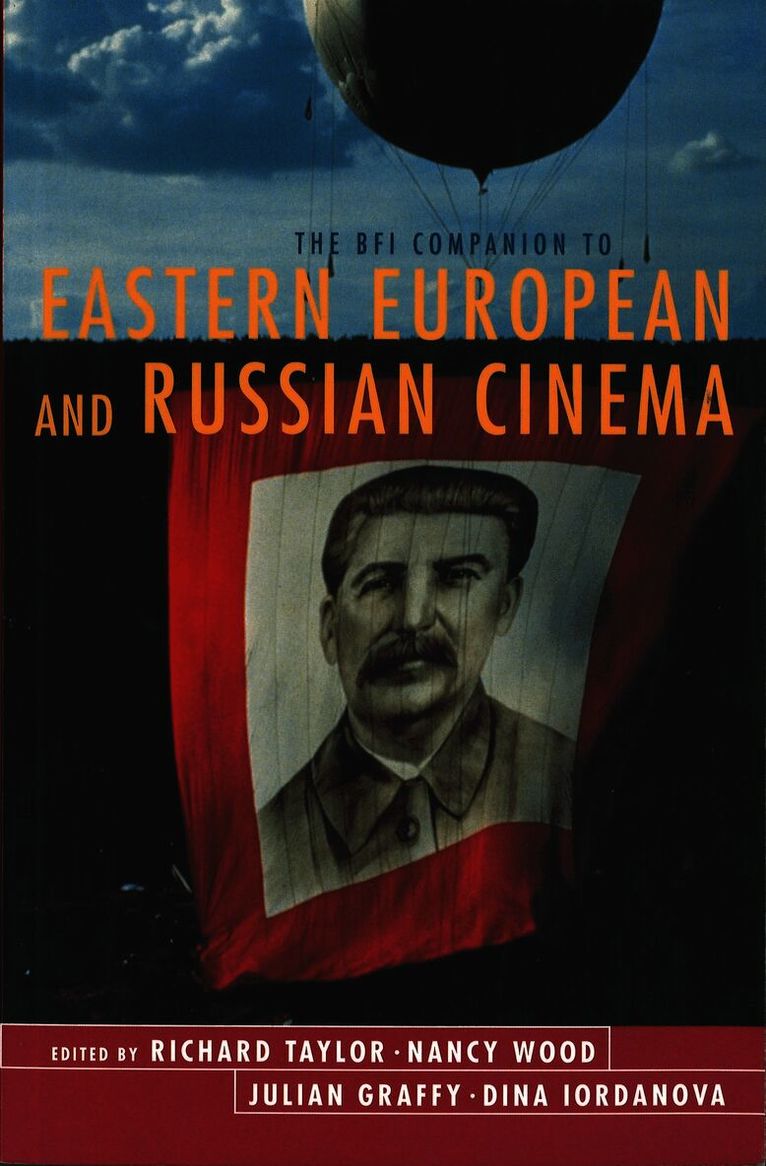
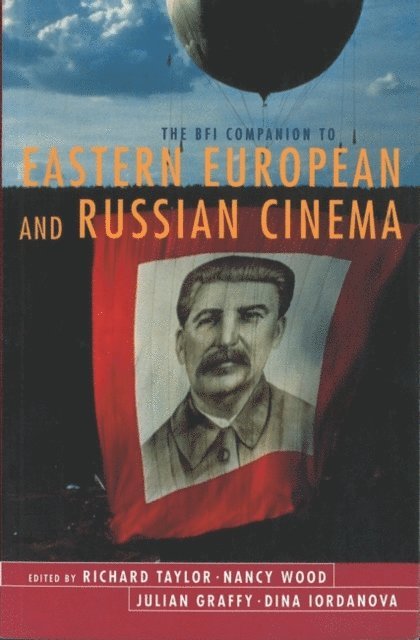
BFI Companion to Eastern European and Russian Cinema
Av Richard Taylor, Nancy Wood m. fl.
Häftad, 2000
528 kr
Lägg i varukorg
This work maps the rich, varied cinema of Eastern Europe, Russia and the former USSR. Over 200 entries cover a variety of topics spanning a century of endeavour and turbulent history from Czech animation to Soviet montage, from the silent cinemas dating back to World War I through to the varied …
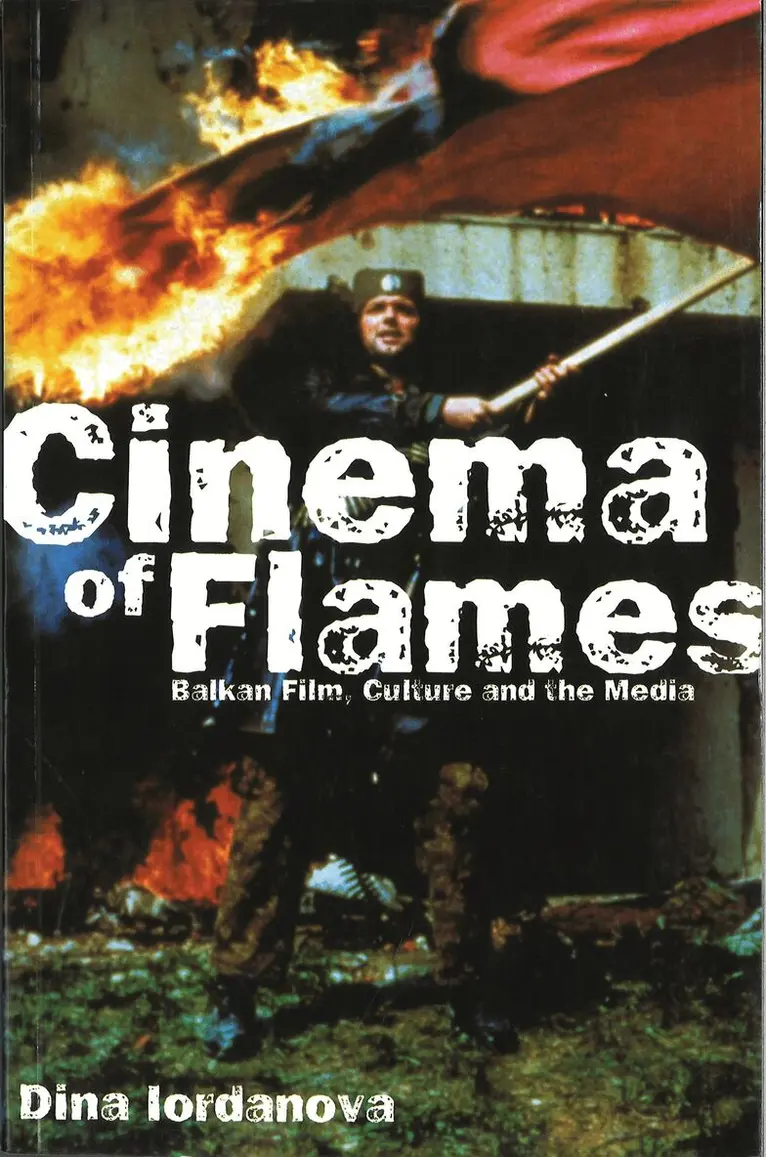
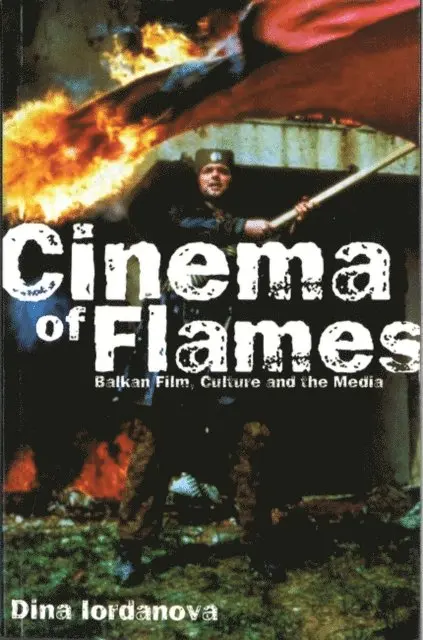
Cinema of Flames
Balkan Film, Culture and the Media
Häftad, 2001
545 kr
Lägg i varukorg
First study of cinema, media and the Balkan wars; Wide-ranging view of politics and culture of the region; The break-up of Yugoslavia triggered a truly international film-making project. Underground, Ulysses' Gaze, Before the Rain, Pretty Village, Pretty Flame and Welcome to Sarajevo were amongst a …
Emir Kusturica
Häftad, 2002
518 kr
Lägg i varukorg
With no less than two Golden Palms from Cannes and scores of other top awards, Bosnian-born Emir Kusturica is one of the most decorated and celebrated film directors in the world. Films such as Time of the Gypsies (1989) and Underground (1995) have captivated audiences with their extraordinary …
Cinema of Flames
Balkan Film, Culture and the Media
E-bok, 2019
629 kr
Lägg i varukorg
First study of cinema, media and the Balkan wars; Wide-ranging view of politics and culture of the region; The break-up of Yugoslavia triggered a truly international film-making project. Underground, Ulysses'' Gaze, Before the Rain, Pretty Village, Pretty Flame and Welcome to Sarajevo were amongst …
Cinema of Flames
Balkan Film, Culture and the Media
E-bok, 2019
629 kr
Lägg i varukorg
First study of cinema, media and the Balkan wars; Wide-ranging view of politics and culture of the region; The break-up of Yugoslavia triggered a truly international film-making project. Underground, Ulysses'' Gaze, Before the Rain, Pretty Village, Pretty Flame and Welcome to Sarajevo were amongst …
BFI Companion to Eastern European and Russian Cinema
Av Richard Taylor, Nancy Wood m. fl.
E-bok, 2019
579 kr
Lägg i varukorg
This work maps the rich, varied cinema of Eastern Europe, Russia and the former USSR. Over 200 entries cover a variety of topics spanning a century of endeavour and turbulent history from Czech animation to Soviet montage, from the silent cinemas dating back to World War I through to the varied …
BFI Companion to Eastern European and Russian Cinema
Av Richard Taylor, Nancy Wood m. fl.
E-bok, 2019
579 kr
Lägg i varukorg
This work maps the rich, varied cinema of Eastern Europe, Russia and the former USSR. Over 200 entries cover a variety of topics spanning a century of endeavour and turbulent history from Czech animation to Soviet montage, from the silent cinemas dating back to World War I through to the varied …