Dirk de Bock – författare
Visar alla böcker från författaren Dirk de Bock. Handla med fri frakt och snabb leverans.
32 produkter
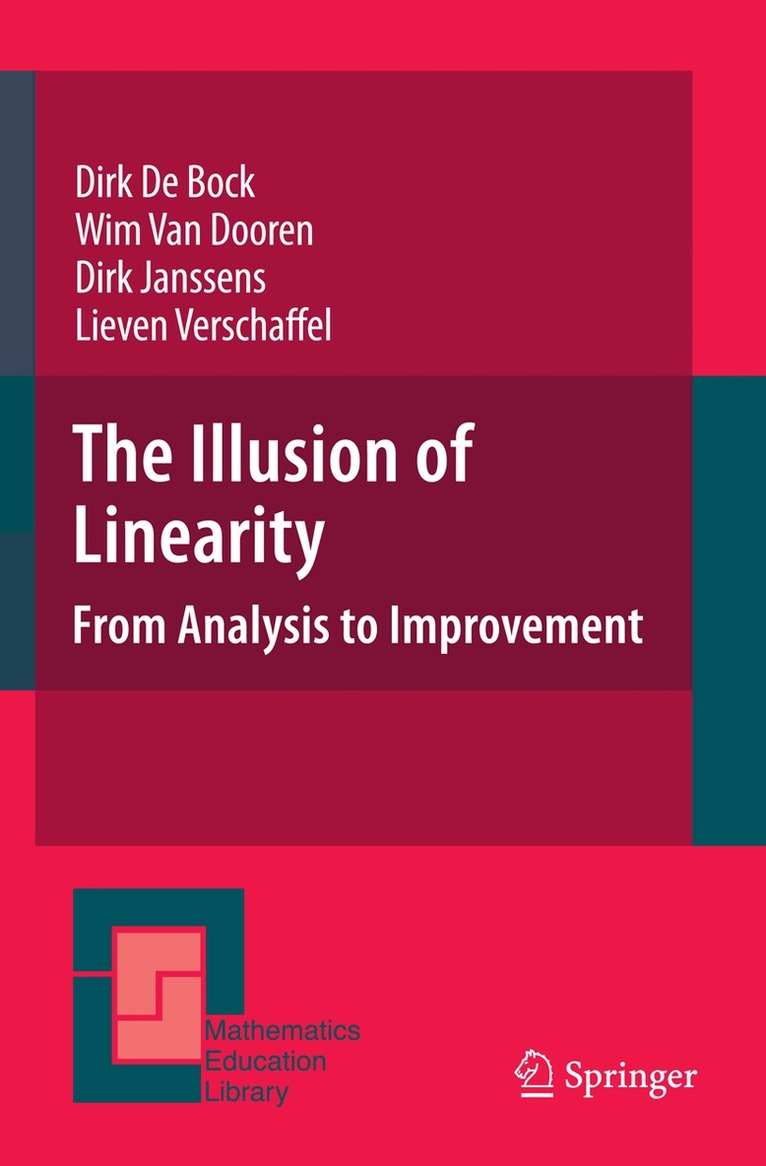
Illusion of Linearity
From Analysis to Improvement
Av Dirk de Bock, Wim van Dooren m. fl.
Inbunden, 2007
1094 kr
Lägg i varukorg
Linear or proportional relationships are a major topic in mathematics education. However, recent research has shown that secondary school students strongly tend to apply the linear model also in situations wherein it is not applicable. This overgeneralization of linearity is sometimes referred to …
Illusion of Linearity
From Analysis to Improvement
Av Lieven Verschaffel, Dirk Janssens m. fl.
E-bok, 2007
1459 kr
Lägg i varukorg
Linear or proportional relationships are a major topic in mathematics education. However, recent research has shown that secondary school students strongly tend to apply the linear model also in situations wherein it is not applicable. This overgeneralization of linearity is sometimes referred to …
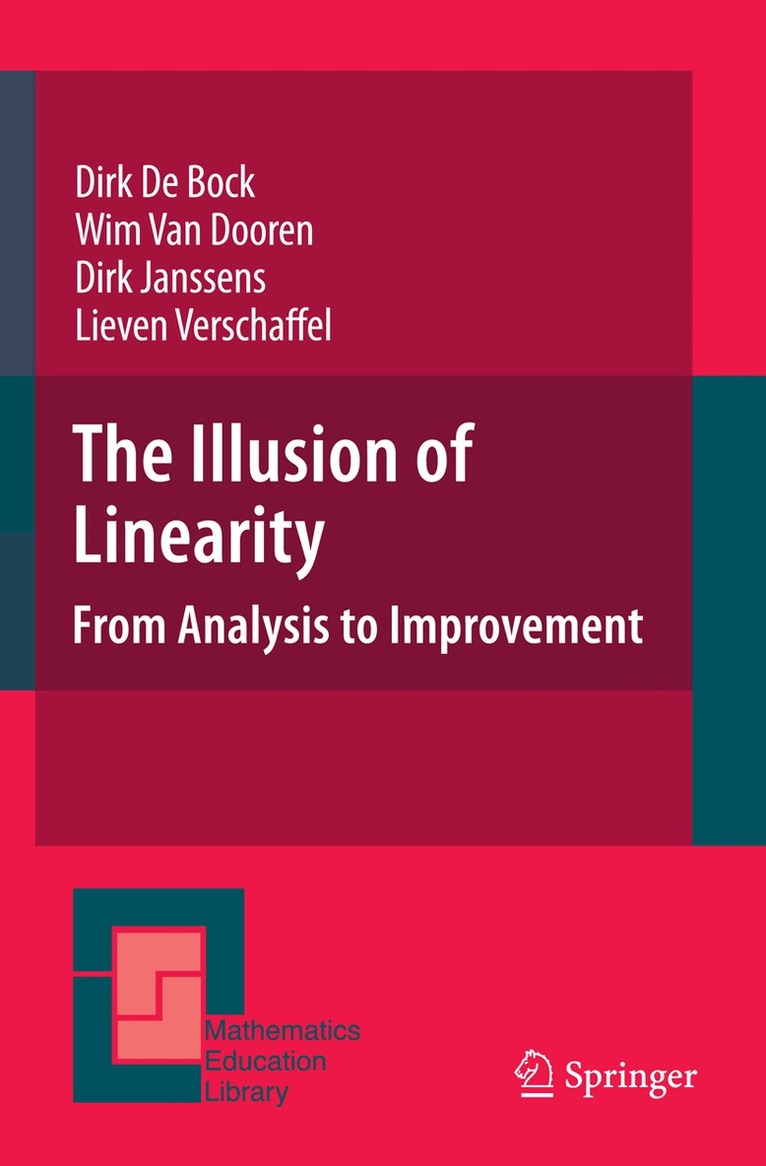
Illusion of Linearity
From Analysis to Improvement
Av Dirk de Bock, Wim van Dooren m. fl.
Häftad, 2010
1094 kr
Lägg i varukorg
Linear or proportional relationships are a major topic in mathematics education. However, recent research has shown that secondary school students strongly tend to apply the linear model also in situations wherein it is not applicable. This overgeneralization of linearity is sometimes referred to …
Inside Me...
Av Dirk De Bock
E-bok, 2012
90 kr
Lägg i varukorg
Number three Inside Me is looking at you, it comes as no surprise to me. Im glad to be able to show you more of my stuff, hope youll like this little book as well. I still use the same old patterns, same way of writing. I feel good with the arrangements of my poems, only the ideas are new, …
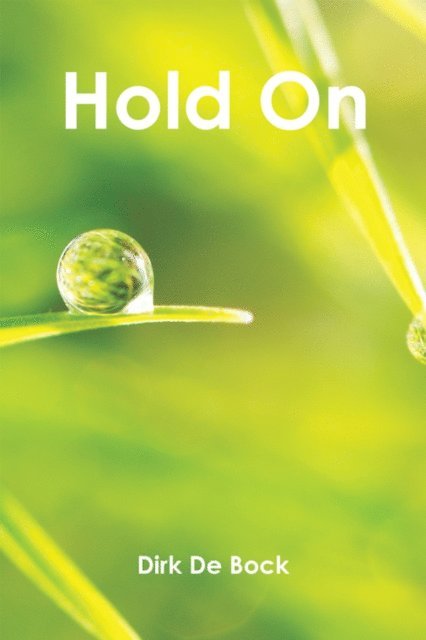
Hold On
Av Dirk De Bock
E-bok, 2016
46 kr
Lägg i varukorg
I have to say that I feel lucky being able to write such beautiful material. The magic is that when I start writing a new poem, it grows on me. The more I get into this poem, the easier it becomes. Thoughts start coming without even thinking about it. At least thats how it feels, and this feeling …
Never Give Up
Av Dirk De Bock
E-bok, 2017
76 kr
Lägg i varukorg
Ive always thought that Hold On would be my last book. Certainly after a vicious attack in 2008 that destroyed my life for many years. The writing was difficult, I couldnt concentrate, didnt do much writing for several years, due to these injuries and the struggle with my health. So I started to …
Nothing Alone
Av Dirk De Bock
E-bok, 2021
74 kr
Lägg i varukorg
After writing and publishing 5 books in the last 5 years, not mentioning the writing of previous 4 ones over several decades, one starts to believe that it's going well. In fact, it s certainly not that I need to complain, even though I must admit for this ninth book, ideas didn t pop-up just like …
What If
Av Dirk De Bock
E-bok, 2011
76 kr
Lägg i varukorg
The writing went on for many years, of some I was very pleased and I also accepted that not every poem that I wrote could be a good as the other.Once in awhile an incident or a happy event or a drama give me inspiration, or something that happened to myself or that I ve seen or heard. Writing a …
Champaign No Pain
Av Dirk De Bock
E-bok, 2022
76 kr
Lägg i varukorg
Tenth Book - Champaign No PainTen books, can you imagine! For me, it s more than a dream who becomes reality. I feel happy with this accomplishment and I certainly hope that you, my faithful readers, will also enjoy this newest book. In my opinion, every book is getting better, every time again. I …
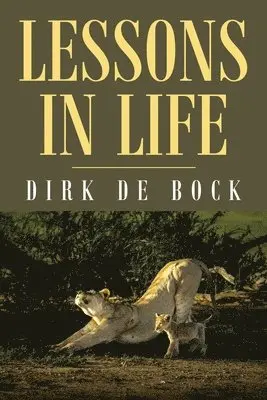
Lessons In Life
Av Dirk De Bock
E-bok, 2025
76 kr
Lägg i varukorg
After ten comes eleven and that is just what this new book is, my eleventh book ‘Lessons In Life’.Still gathering lots of inspiration in my head and so yes, sometimes I write down those new pieces.These new pieces lead to new poems, which still make very happy. As much as I am still very much …
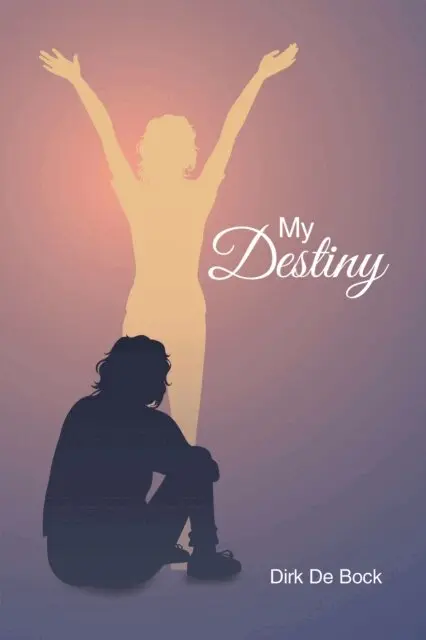
My Destiny
Av Dirk De Bock
E-bok, 2025
88 kr
Lägg i varukorg
My new and twelfth book is called 'My Destiny', as you can see. Inspiration didn't stop and so the writing goes on. Another book with 50 new poems. Maybe you aren t much surprised anymore on how I keep doing that, but honestly, I still am. I keep seeing it as a blessing from God, to still be able …
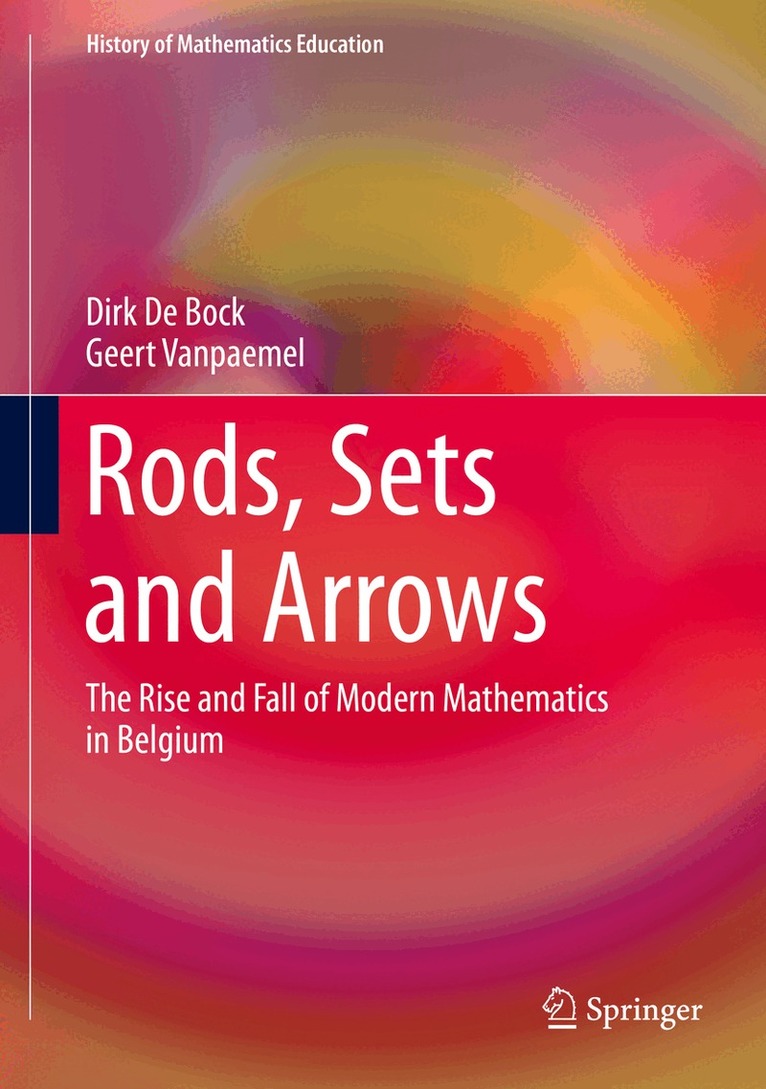
Rods, Sets and Arrows
The Rise and Fall of Modern Mathematics in Belgium
Av Dirk De Bock, Geert Vanpaemel
Inbunden, 2019
1528 kr
Lägg i varukorg
For anyone interested in the history and effects of the introduction of so-called “Modern Mathematics” (or “Mathématique Moderne,” or “New Mathematics,” etc.) this book, by Dirk De Bock and Geert Vanpaemel, is essential reading. The two authors are experienced and highly qualified Belgian scholars …
Rods, Sets and Arrows
The Rise and Fall of Modern Mathematics in Belgium
Av Geert Vanpaemel, Dirk De Bock
E-bok, 2019
1906 kr
Lägg i varukorg
For anyone interested in the history and effects of the introduction of so-called “Modern Mathematics” (or “Mathématique Moderne,” or “New Mathematics,” etc.) this book, by Dirk De Bock and Geert Vanpaemel, is essential reading. The two authors are experienced and highly qualified Belgian scholars …
Rods, Sets and Arrows
The Rise and Fall of Modern Mathematics in Belgium
Av Dirk De Bock, Geert Vanpaemel
Häftad, 2020
1528 kr
Lägg i varukorg
For anyone interested in the history and effects of the introduction of so-called “Modern Mathematics” (or “Mathématique Moderne,” or “New Mathematics,” etc.) this book, by Dirk De Bock and Geert Vanpaemel, is essential reading. The two authors are experienced and highly qualified Belgian scholars …
Modern Mathematics
An International Movement?
Av Dirk De Bock
Inbunden, 2023
1746 kr
Lägg i varukorg
The international New Math developments between about 1950 through 1980, are regarded by many mathematics educators and education historians as the most historically important development in curricula of the twentieth century. It attracted the attention of local and international politicians, of …
Modern Mathematics
An International Movement?
Av Dirk De Bock
E-bok, 2023
2224 kr
Lägg i varukorg
The international New Math developments between about 1950 through 1980, are regarded by many mathematics educators and education historians as the most historically important development in curricula of the twentieth century. It attracted the attention of local and international politicians, of …