Dmitry Degtev - Böcker
Visar alla böcker från författaren Dmitry Degtev. Handla med fri frakt och snabb leverans.
9 produkter
9 produkter
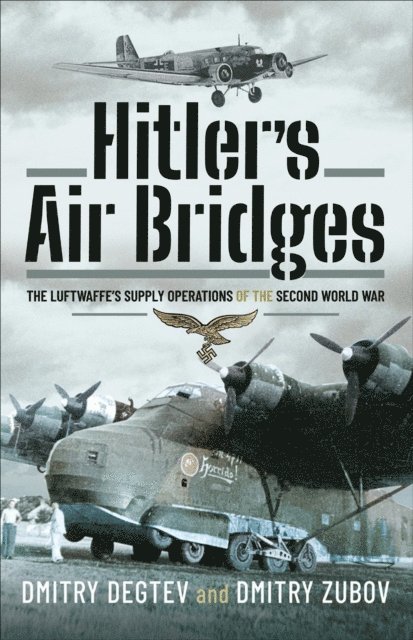
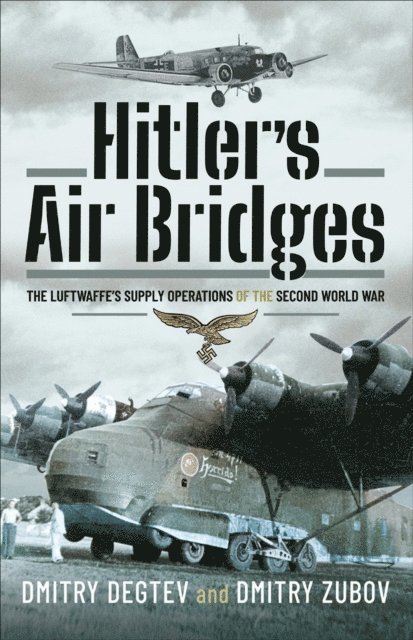
Hitler's Air Bridges
The Luftwaffe's Supply Operations of the Second World War
Inbunden, Engelska, 2022
266 kr
Skickas
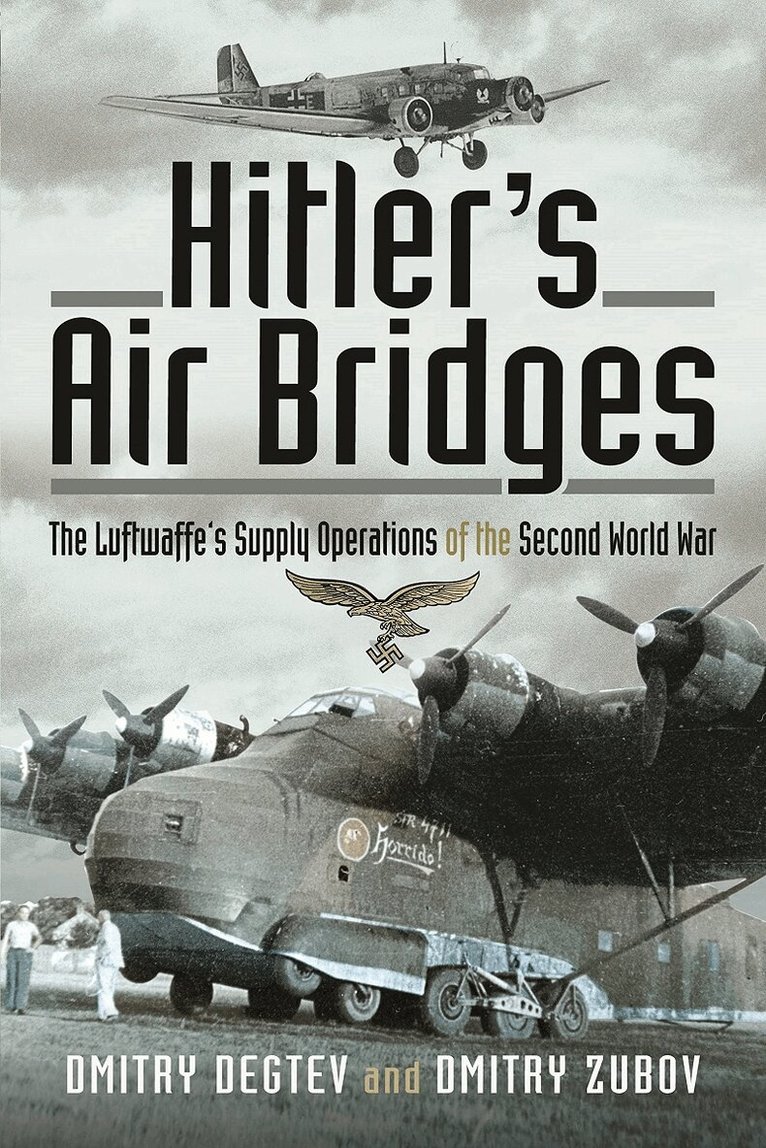
Much has been written about the famous fighters and bombers of the Luftwaffe which proved so successful in the invasion of Poland, the Battle of France, the Battle of Britain and in the early operations in Eastern Europe. Little attention, however, has been focused on the Luftwaffe's transport aircraft which played a vital role in supplying German forces in every theatre.In early May 1940, the battle of Norway was nearing its climax, but General Eduard Dietl's 3rd J ger division was blocked by the Allies in the Narvik area. Only the Luftwaffe could provide effective assistance to the encircled troops. The special purpose groups KGr.zbV107 and KGr.zbV108 were ordered to supply the division by air. Transports delivered ammunition, food, and even boots for German sailors who found themselves on land.This was the first of a number of occasions in which the Luftwaffe's transport Gruppen, often equipped with the slow, but reliable Junkers 52, created an air bridge' to supply troops cut off or surrounded by the enemy. The transport Gruppen had previously been involved in supporting the advance of German forces during the Polish campaign, this being followed by the capture of Denmark, The Netherlands, Belgium, and Greece.During Operation Barbarossa, German troops were dispersed over the vast expanses of Russia. It was a country without roads where the normal supply by trucks and trains to the troops was difficult and sometimes impossible. Often, it was only the Luftwaffe's transport aircraft that kept the Germans fighting.But with Hitler's insistence that there should be no retreat despite the overwhelming strength of the Soviet forces, his Germans armies found themselves surrounded and the Luftwaffe had to create air bridges to supply the beleaguered troops. Nowhere was this more evident than the Battle of Stalingrad, Goring having convinced Hitler that the Luftwaffe was capable of keeping the Sixth Army supplied.As the war increasingly turned against the Third Reich, air bridges were vital in supporting and maintaining its garrisons in places such as Demyansk, Holm, Korsun, Budapest, Breslau, and many others. Hitler's Air Bridges presents the story of the Luftwaffe's transport Gruppen more extensively and in greater detail than ever before.
Hitler's Collapse in the East
A New Analysis of the Catastrophic Campaigns of 1944
Inbunden, Engelska, 2025
432 kr
Skickas inom 3-6 vardagar
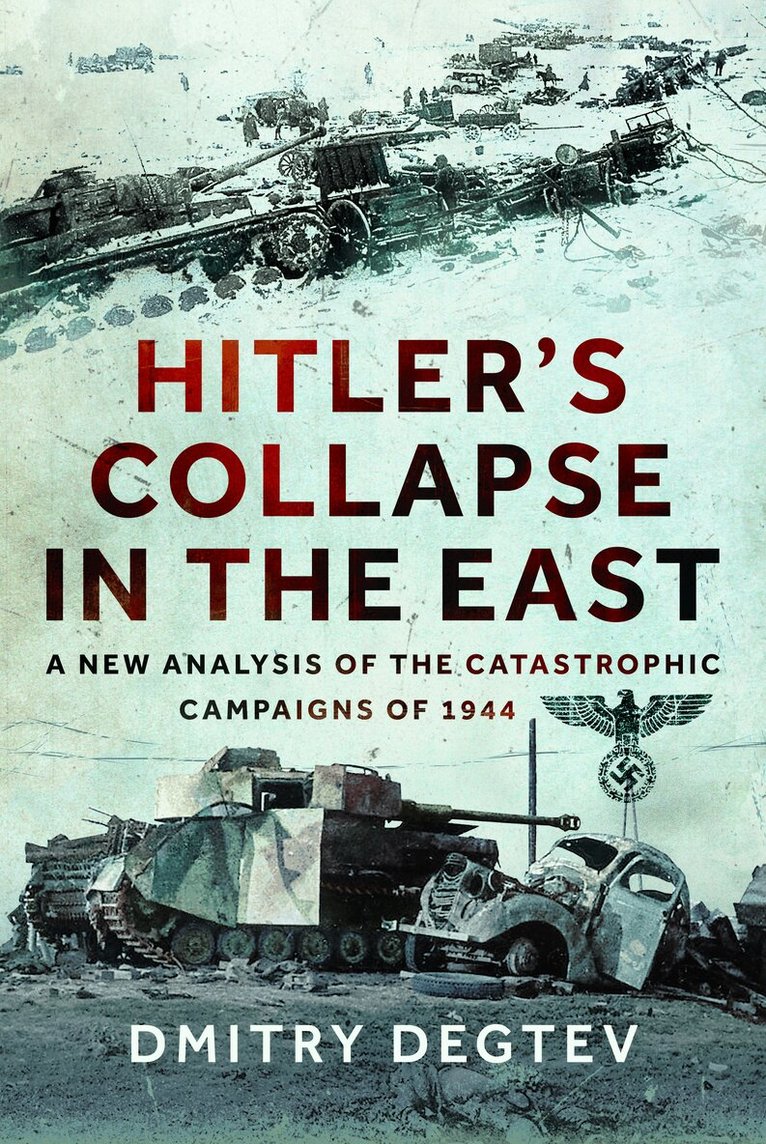
When 1944 began, the Third Reich’s position on the Eastern Front still seemed promising. Despite a series of major defeats at Kursk, Smolensk and on the Dnieper, the Germans still held vast swathes of Russian territory. Hitler declared that the conquered space would allow him to keep the Red Army away from the borders of Germany for a long time.However, such optimism was soon to be swept away. In January, the Soviets launched a powerful offensive in the northern sector, and then they repeatedly attacked the Germans in Ukraine, Crimea, Belarus, and the Baltic States. Then, on 22 June 1944, Stalin unleashed Operation Bagration, a massive offensive from which the German forces would never recover. Hitler’s answer was to prohibit his generals from any retreat.This made operations easier for the Russians and led to the German divisions being encircled and trapped in pockets, most of which had to be supplied by air. Endless crisis situations forced the Wehrmacht to transfer its divisions from one sector of the front to another. Then the weakened sections of the defence collapsed, provoking more and more catastrophic defeats.The disaster that the German army experienced was on a scale never seen before in warfare. More than 70 percent of the divisions engaged were defeated, destroyed or captured. In nine months, the front had stretched from 500 miles to over 1,000 miles.But all these victories came at a price. The Red Army experienced several severe crises of its own, sustaining heavy losses. The Soviet command also committed strategic blunders. It overestimated its forces and reduced its effectiveness by dispersing its resources too widely. It also suffered from the constant interference of Stalin which often meant the real objectives of the campaign were lost and the Red Army was drawn into senseless costly battles. These events, and the participation of Soviet troops in them, are analyzed in detail in this truly ground-breaking book.
235 kr
Skickas
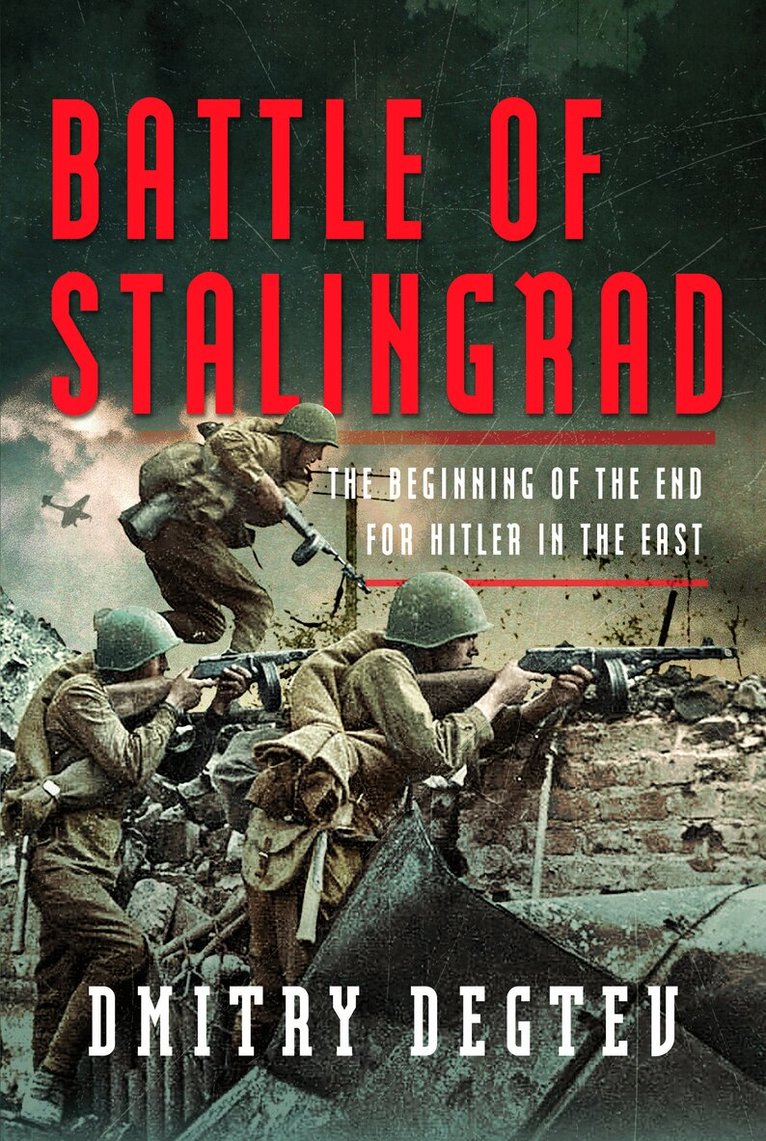
The Battle of Stalingrad was the bloodiest battle of the Second World War. An estimated 2 million individuals, military as well as civilian, became casualties in a savage struggle which lasted for more than five months.Stalingrad’s strategic position on the River Volga in southern Russia meant that whoever controlled the city controlled access to the oil fields of the Caucasus. Without that oil, the Germans were ultimately destined to fail on all fronts. The Battle of Stalingrad was, therefore, arguably, the most important conflict of the entire war. Yet, the author argues that both Hitler and Stalin lost sight of the real objectives of the campaign, with the capture of Stalingrad becoming seen as the end in itself. Stalingrad was not specified as a particular objective of the Germans in the original plan of Operation _Blau_. But when the defenders of Stalingrad unexpectedly stood in the way of the Germans, it became the focal point of the German effort.Hitler and his generals were naively sure that after the capture of Stalingrad, victory in the war was a certainty. Stalin and his generals thought that since the Wehrmacht stubbornly fought over the city’s ruins, regardless of the losses it suffered, it meant that the Germans knew more about its importance than they did, and so were determined to hold it at all costs. In fact, the strategic importance of Stalingrad was greatly exaggerated.The scale of the German operation to seize the Caucasus was immense, with an operation stretching for 1,500,00 kilometres (approximately equal to the distance between Berlin and Moscow). This involved laying routes for tank and infantry divisions through areas of virtual desert where there was an almost complete absence of railways and highways. No consideration was given to the needs of troops in fuel, ammunition, food or even water. At the same time, the unrealistic plan to capture the Caucasus did not provide any alternative options in case the main operation failed, which it was doomed to do.As for the Soviets, frightened and broken by the military disasters near Kerch and Kharkov, when entire armies were captured, Stalin authorized the retreat of the Red Army to the Volga, which turned into a stampede. But then the Soviet leader abruptly changed his mind and issued the famous order ‘Not a step back!’ While historians state that this order inspired the Soviet troops to resist and strengthened discipline, it in fact led to an increase in the number of defectors and collaborators.This ground-breaking study of the Battle of Stalingrad is a highly graphic chronicle of the fighting, shown from two sides, written by a Russian historian using much material previously unpublished in the West. It details the efforts of all branches of the armed forces; tanks, artillery, infantry, aviation and, for the first time, the important contribution of the Russian river flotilla.
163 kr
Kommande
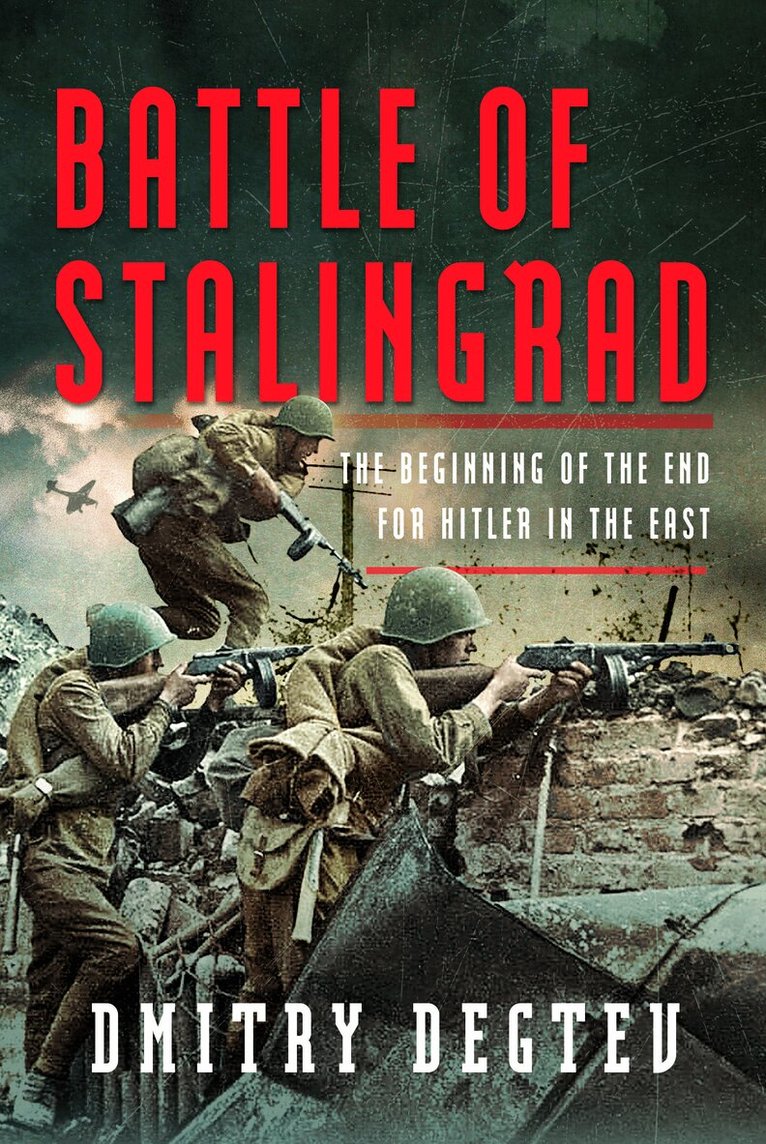
The Battle of Stalingrad was the bloodiest battle of the Second World War. An estimated 2 million individuals, military as well as civilian, became casualties in a savage struggle which lasted for more than five months. Stalingrad’s strategic position on the River Volga in southern Russia meant that whoever controlled the city controlled access to the oil fields of the Caucasus. Without that oil, the Germans were ultimately destined to fail on all fronts. The Battle of Stalingrad was, therefore, arguably, the most important conflict of the entire war. Yet, the author argues that both Hitler and Stalin lost sight of the real objectives of the campaign, with the capture of Stalingrad becoming seen as the end in itself.Stalingrad was not specified as a particular objective of the Germans in the original plan of Operation Blau. But when the defenders of Stalingrad unexpectedly stood in the way of the Germans, it became the focal point of the German effort. Hitler and his generals were naively sure that after the capture of Stalingrad, victory in the war was a certainty. Stalin and his generals thought that since the Wehrmacht stubbornly fought over the city’s ruins, regardless of the losses it suffered, it meant that the Germans knew more about its importance than they did, and so were determined to hold it at all costs. The scale of the German operation to seize the Caucasus was immense, with an operation stretching for 1,500,00 kilometres (approximately equal to the distance between Berlin and Moscow).This involved laying routes for tank and infantry divisions through areas of virtual desert where there was an almost complete absence of railways and highways. No consideration was given to the needs of troops in fuel, ammunition, food or even water. At the same time, the unrealistic plan to capture the Caucasus did not provide any alternative options in case the main operation failed, which it was doomed to do. As for the Soviets, frightened and broken by the military disasters near Kerch and Kharkov, when entire armies were captured, Stalin authorized the retreat of the Red Army to the Volga, which turned into a chaotic escape. But then the Soviet leader abruptly changed his mind and issued the famous order ‘Not a step back!’This ground-breaking study of the Battle of Stalingrad is a highly graphic chronicle of the fighting, shown from two sides, written by a Russian historian using much material previously unpublished in the West. It details the efforts of all branches of the armed forces; tanks, artillery, infantry, aviation and, for the first time, the important contribution of the Russian river flotilla.
266 kr
Skickas
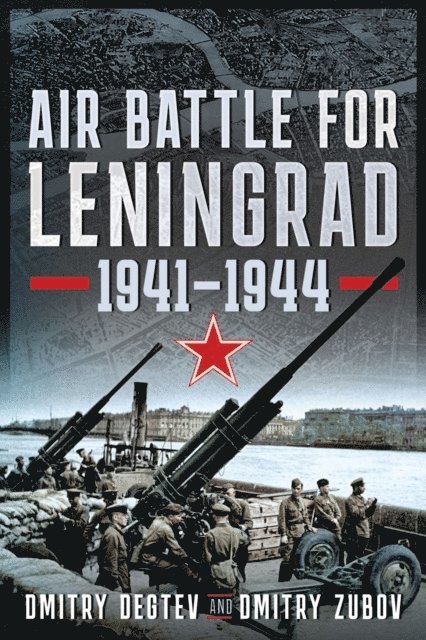
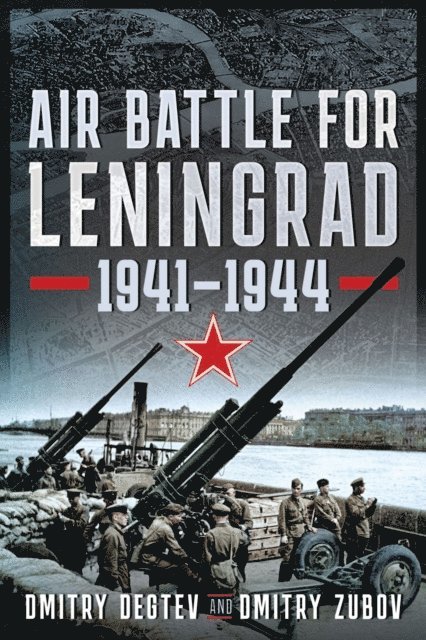
The Siege of Leningrad was one of the most brutal battles of the Second World War. The second largest and most populous city in the Soviet Union, Leningrad, now St. Petersburg, was one of the three priority targets of the German invasion, Operation Barbarossa. A total of 333 large military factories were concentrated in Leningrad and, accordingly, 565,000 workers lived there, producing tanks, aircraft, artillery and warships.On 10 July 1941, German tank divisions, having broken through the front south of the city of Pskov, reached the town of Luga. From there, Hitler's forces had just over 110 miles to go to Leningrad. Meanwhile, the city was feverishly preparing for defence. Stalin's deputies, Zhdanov and Voroshilov, planned to use the entire combat-ready population of Leningrad for that purpose.Believing that the city would soon be captured by the Germans, Stalin ordered the immediate evacuation of military factories and skilled workers from Leningrad to the East. Before the city was completely blockaded, most of the valuable equipment had been removed. However, the remaining civilian population, including about 400,000 children, were left to their fate.In early September 1941, German divisions supported by the Luftwaffe's VIII Fliegerkorps, captured the town of Shlisselburg. Leningrad was now cut off from the rest of the Soviet Union. Hitler believed that the city would soon echo to the sound of German jackboots.Leningrad, however, did not give up. In the autumn of 1941, the Wehrmacht did not have enough forces to take the city and for three long years the main means of fighting its defenders were the Luftwaffe and long-range artillery. In September 1941, when the systematic bombing and shelling began, many thousands of families tried to leave Leningrad, but nearly all of the escape routes were cut off. Food supplies in the city sharply decreased.In this book the authors explore the full story of the German and Soviet aerial battles in the Leningrad sector during the siege. There are devastating details of the bombing of the starving population, numerous attempts by the Luftwaffe to destroy the Red Baltic Fleet, and air attacks against the Road of Life', along which vital food and ammunition were delivered to the city, and combats in the skies over Leningrad and its surroundings. Revealing what was happening in the air and on the ground, as well as in the German and Russian headquarters, the authors explain why, in spite of numerous successes, the Luftwaffe failed to help force the surrender of Leningrad.
U-2 Over the Soviet Union
America’s Famous Cold War Spy Plane from a Soviet Perspective
Inbunden, Engelska, 2025
266 kr
Skickas
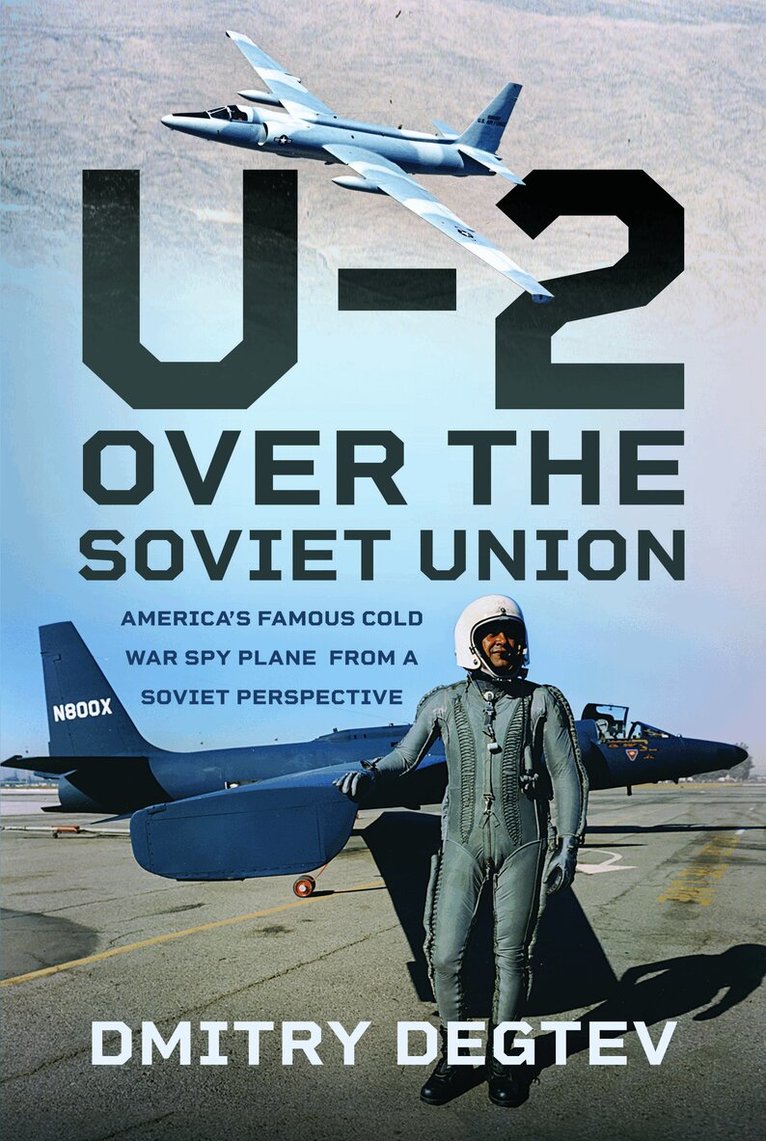
On 1 May 1960, a traditional military parade was held in Moscow. What stood it out from the previous ones, however, was the number of missiles, and in particular the ground-to-air anti-aircraft variants, that were present.There was perhaps nothing surprising in this dominance of missiles, for Nikita Khrushchev had already declared that the so-called Rocket Troops were to be the ‘main branch of the armed forces’. Not for nothing had the Politburo allocated huge sums of money and the best scientific minds to the on-going development of these weapons and units. In fact, there was no fly-past over the Red Square in 1960 as Khrushchev considered aircraft to be a ‘dying species’. From then on, it was being stated, military aviation would be assigned little more than an auxiliary role in the defence of the Soviet Bloc.Khrushchev’s assessment of the future of aircraft was seemingly confirmed by an incident that occurred more than 1,000km to the east of Moscow. For what the spectators and participants of the grand ‘rocket’ parade did not know was, that in one of the key events of the Cold War, an American high altitude reconnaissance Lockheed U-2 jet had, barely hours before, been shot down over the Urals by one of the types of missiles that were passing before them.Based on documents held in the CIA’s archives, declassified documents released by the Russian Ministry of Defence, and the memoirs of participants in the events in question, this book explores the true story of the preparation, implementation, and consequences of the U-2 reconnaissance flights over the Soviet Union, Eastern Europe and Cuba between 1956 and 1962. For the first time, the author reveals the military plans that were activated in the Eastern Bloc to combat the U-2 missions, and how the Soviets tried unsuccessfully to create a fighter-interceptor to operate in the stratosphere. This book also reveals which secret locations and objects were photographed by the U-2, including those which remained unidentified, and investigates where the secret centre of the Russian atomic project was actually located and whether the U-2 was able to find it. What was the true reliability and value of the information received from America’s U-2 operations?The reader will discover which objects were confiscated from Francis Gary Powers, the pilot of the U-2 brought down, following his capture, and why was he had been issued with women’s jewelry and watches before his fateful flight? The Soviet view of the incursions by Powers and his fellow U-2 pilots is laid bare – revealing just why the Powers’ name is as widely known in Russia as that of the cosmonaut Yuri Gagarin.
266 kr
Skickas
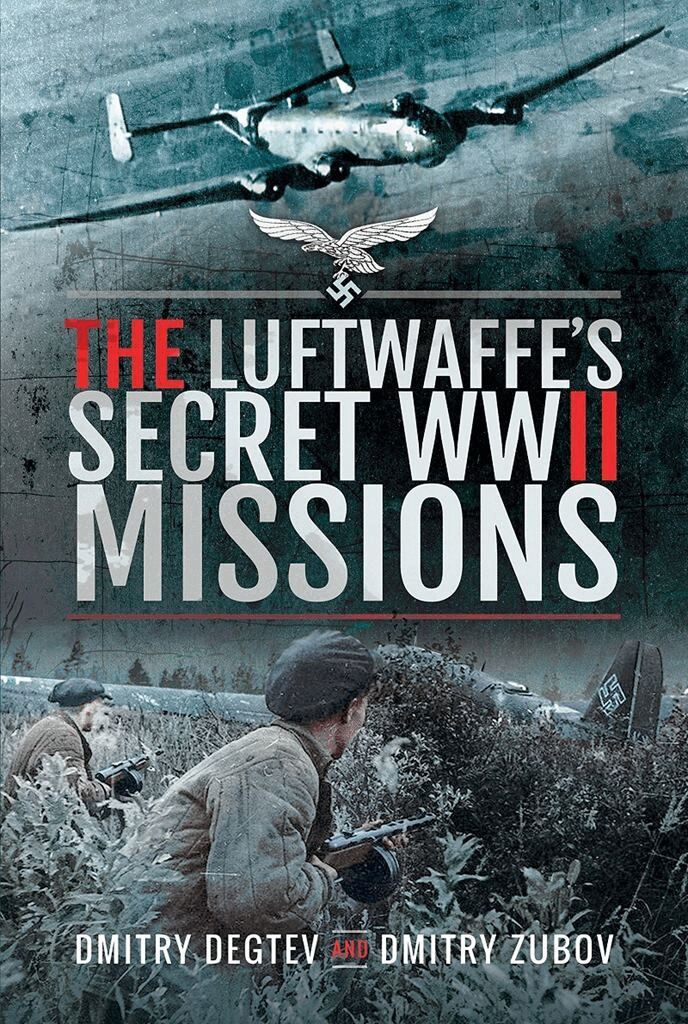
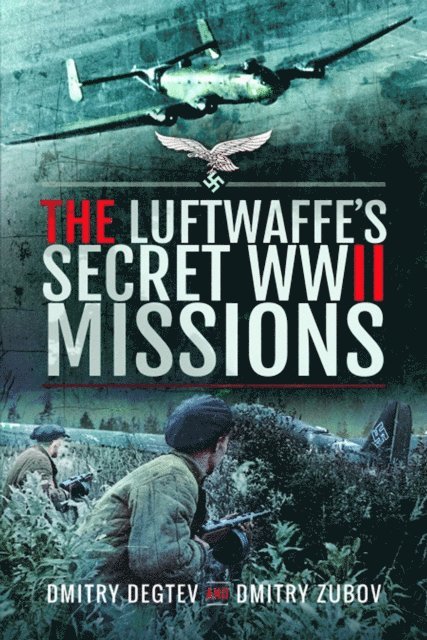
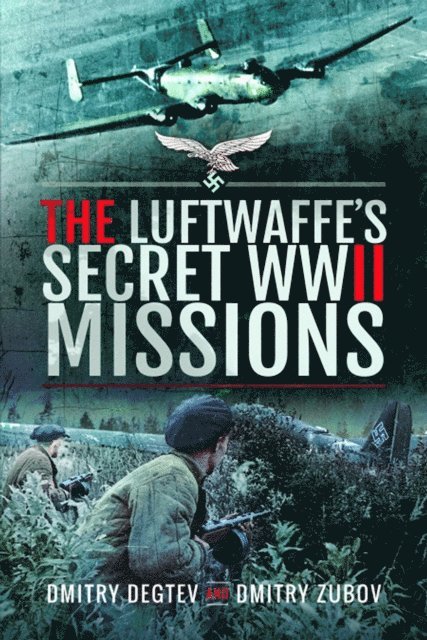
On the night of 14/15 August 1944, the roar of an unknown aircraft was heard over the dense forests to the south-east of Moscow. Flying past the Soviet capital, the aircraft turned towards a secret' landing site at Yegoryevsk on the outskirts of the city. But lying in wait were troops of Stalin's elite secret service, SMERSH.The troops turned on the landing lights and the aircraft, a German machine of some description, swept down to land. As the aircraft touched down, some of the SMERSH troops lost their nerve and opened fire prematurely. The German pilot responded quickly and managed to pull his aircraft up in time to brush over the top of the trees at the end of the clearing and disappear back into the dark Soviet sky.This was just one of many vivid episodes in the operational service of the Luftwaffe's special and secret units which engaged in the delivery of agents and saboteurs in the rear of the enemy throughout the Second World War - just on the Eastern Front but across Asia and Europe. The activities of the pilots and crews of these squadrons, even in the Luftwaffe itself, were closed and secret. Information on the operations and missions of these units was known only a limited number of people. It was common practice for the crew of one aircraft in these units to know nothing about the assignments of their fellow airmen. The area of activity of such units and aircraft covered the whole of Europe, North Africa, the Arctic circle, the Urals, the Caucasus, and Central Asia including Iran, Iraq, and Afghanistan. The Luftwaffe not only flew to these remote regions, but also created secret bases for their aircraft.Drawn from German and Russian sources, much of the latter only recently declassified, the authors expose for the very first time the Luftwaffe's secret operations and reveal the fate of many of the pilots, agents and saboteurs in a story as breathtakingly dramatic as any blockbuster novel.
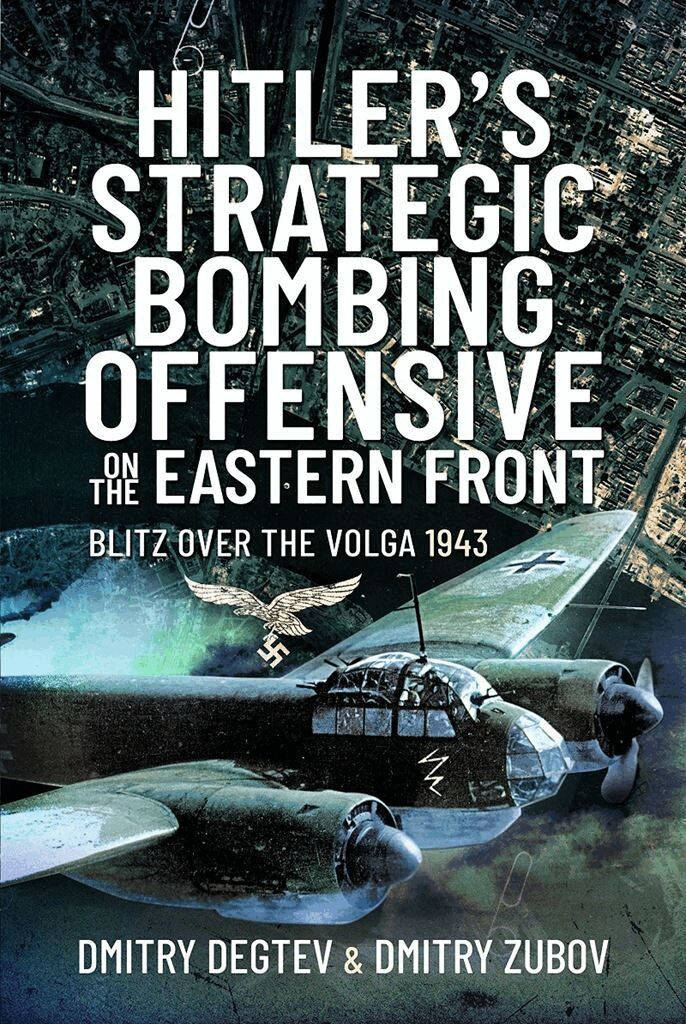
Hitler's Strategic Bombing Offensive on the Eastern Front
Blitz Over the Volga, 1943
Inbunden, Engelska, 2021
258 kr
Skickas
Germany was never able to match the power of the Allied air forces with their great four-engine bombers, the Lancasters, Liberators and Flying Fortresses. Indeed, many have ascribed the defeat of Germany in the Second World to its lack of a strategic bombing force. There were, though, two occasions when the Luftwaffe's twin-engine bombers undertook strategic objectives on a large scale. The first of these was the 'Blitz' of 1940-1941, in which the Luftwaffe attempted to wreck Britain's industrial and military capacity. The second was on the eve of Operation _Zitadelle_, a major offensive against Soviet forces in the Kursk salientHitler's objective was to replicate the successful Allied mass-bombing of German cities, the Luftwaffe being tasked with destroying the main tank and aircraft production facilities and fuel depots. Hitler saw this as the necessary prelude to weaken the Russians before the 'decisive' onslaught of _Zitadelle_.The aerial operation, _Carmen II_, lasted for a month and covered a huge target area from the Rybinsk reservoir to the Caspian Sea. For these complex and risky night missions, all the Ju-88 and ??-111 bombers available to Hitler in the East were employed..The authors have collected a huge amount of factual material, reconstructing all the details of this little-known campaign, which was the largest operation Luftwaffe on the Eastern front. This book opens a completely new page in the history of the German air war and provides a comprehensive investigation into the nature of the targets attacked, the degree of damage suffered by the Soviet military machine, and how this affected Operation _Zitadelle_. The descriptions of the dangerous missions carried out by Luftwaffe as part of this operation are presented in great detail and all these exclusive facts are complemented by a large number of unique photos and documents.
336 kr
Kommande
On the night of 14/15 August 1944, the roar of an unknown aircraft was heard over the dense forests to the south-east of Moscow. Flying past the Soviet capital, the aircraft turned towards a secret' landing site at Yegoryevsk on the outskirts of the city. But lying in wait were troops of Stalin's elite secret service, SMERSH.The troops turned on the landing lights and the aircraft, a German machine of some description, swept down to land. As the aircraft touched down, some of the SMERSH troops lost their nerve and opened fire prematurely. The German pilot responded quickly and managed to pull his aircraft up in time to brush over the top of the trees at the end of the clearing and disappear back into the dark Soviet sky.This was just one of many vivid episodes in the operational service of the Luftwaffe's special and secret units which engaged in the delivery of agents and saboteurs in the rear of the enemy throughout the Second World War -not just on the Eastern Front but across Asia and Europe. The activities of the pilots and crews of these squadrons, even in the Luftwaffe itself, were closed and secret. Information on the operations and missions of these units was known only a limited number of people. It was common practice for the crew of one aircraft in these units to know nothing about the assignments of their fellow airmen.The area of activity of such units and aircraft covered the whole of Europe, North Africa, the Arctic circle, the Urals, the Caucasus, and Central Asia including Iran, Iraq, and Afghanistan. The Luftwaffe not only flew to these remote regions, but also created secret bases for their aircraft.Drawn from German and Russian sources, much of the latter only recently declassified, the authors expose for the very first time the Luftwaffe's secret operations and reveal the fate of many of the pilots, agents and saboteurs in a story as breathtakingly dramatic as any blockbuster novel.