Dominic Lennard - Böcker
Visar alla böcker från författaren Dominic Lennard. Handla med fri frakt och snabb leverans.
6 produkter
6 produkter
399 kr
Tillfälligt slut
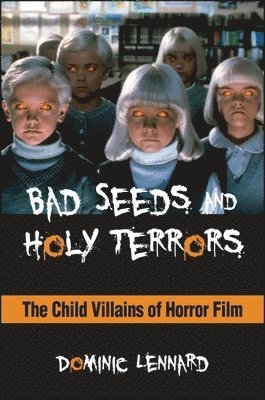
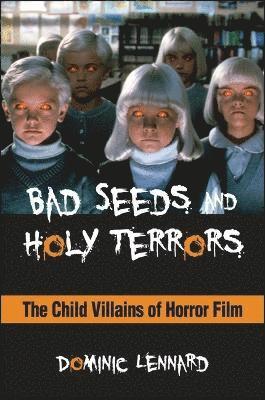
Examines the complexities and contradictions that arise when the monsters in the movies are children.Since the 1950s, children have provided some of horror's most effective and enduring villains, from dainty psychopath Rhoda Penmark of The Bad Seed (1956) and spectacularly possessed Regan MacNeil of The Exorcist (1973) to psychic ghost-girl Samara of The Ring (2002) and adopted terror Esther of Orphan (2009). Using a variety of critical approaches, including those of cinema studies, cultural studies, gender studies, and psychoanalysis, Bad Seeds and Holy Terrors offers the first full-length study of these child monsters. In doing so, the book highlights horror as a topic of analysis that is especially pertinent socially and politically, exposing the genre as a site of deep ambivalence toward-and even hatred of-children.
1 122 kr
Tillfälligt slut
Examines the complexities and contradictions that arise when the monsters in the movies are children.Since the 1950s, children have provided some of horror's most effective and enduring villains, from dainty psychopath Rhoda Penmark of The Bad Seed (1956) and spectacularly possessed Regan MacNeil of The Exorcist (1973) to psychic ghost-girl Samara of The Ring (2002) and adopted terror Esther of Orphan (2009). Using a variety of critical approaches, including those of cinema studies, cultural studies, gender studies, and psychoanalysis, Bad Seeds and Holy Terrors offers the first full-length study of these child monsters. In doing so, the book highlights horror as a topic of analysis that is especially pertinent socially and politically, exposing the genre as a site of deep ambivalence toward-and even hatred of-children.
566 kr
Skickas inom 3-6 vardagar
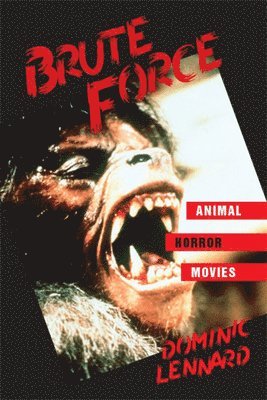
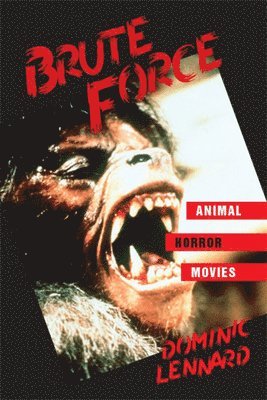
Considers how dangerous beasts in horror films illuminate the human-animal relationship.It's always been a wild world, with humans telling stories of killer animals as soon as they could tell stories at all. Movies are an especially popular vehicle for our fascination with fierce creatures. In Brute Force, Dominic Lennard takes a close look at a range of cinematic animal attackers, including killer gorillas, sharks, snakes, bears, wolves, spiders, and even a few dinosaurs. Lennard argues that animal horror is not so much a focused genre as it is an impulse, tapping into age-old fears of becoming prey. At the same time, these films expose conflicts and uncertainties in our current relationship with animals. Movies considered include King Kong, Jaws, The Grey, Them!, Arachnophobia, Jurassic Park, Snakes on a Plane, An American Werewolf in London, and many more. Drawing on insights from film studies, art history, cognitive science, and evolutionary psychology, Brute Force is an engaging critical exploration-and appreciation-of cinema's many bad beasts.
1 057 kr
Tillfälligt slut
Considers how dangerous beasts in horror films illuminate the human-animal relationship.It's always been a wild world, with humans telling stories of killer animals as soon as they could tell stories at all. Movies are an especially popular vehicle for our fascination with fierce creatures. In Brute Force, Dominic Lennard takes a close look at a range of cinematic animal attackers, including killer gorillas, sharks, snakes, bears, wolves, spiders, and even a few dinosaurs. Lennard argues that animal horror is not so much a focused genre as it is an impulse, tapping into age-old fears of becoming prey. At the same time, these films expose conflicts and uncertainties in our current relationship with animals. Movies considered include King Kong, Jaws, The Grey, Them!, Arachnophobia, Jurassic Park, Snakes on a Plane, An American Werewolf in London, and many more. Drawing on insights from film studies, art history, cognitive science, and evolutionary psychology, Brute Force is an engaging critical exploration-and appreciation-of cinema's many bad beasts.
2 150 kr
Skickas inom 3-6 vardagar
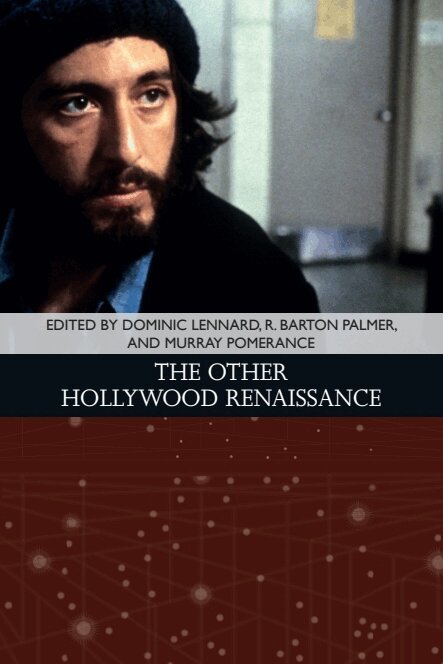
In the late 1960s, the collapse of the classic Hollywood studio system led in part, and for less than a decade, to a production trend heavily influenced by the international art cinema. Reflecting a new self-consciousness in the US about the national film patrimony, this period is known as the Hollywood Renaissance. However, critical study of the period is generally associated with its so-called principal auteurs, slighting a number of established and emerging directors who were responsible for many of the era’s most innovative and artistically successful releases.With contributions from leading film scholars, this book provides a revisionist account of this creative resurgence by discussing and memorializing twenty-four directors of note who have not yet been given a proper place in the larger history of the period. Including filmmakers such as Hal Ashby, John Frankenheimer, Mike Nichols, and Joan Micklin Silver, this more expansive approach to the auteurism of the late 1960s and 1970s seems not only appropriate but pressing — a necessary element of the re-evaluation of 'Hollywood' with which cinema studies has been preoccupied under the challenges posed by the emergence and flourishing of new media.
603 kr
Skickas inom 3-6 vardagar
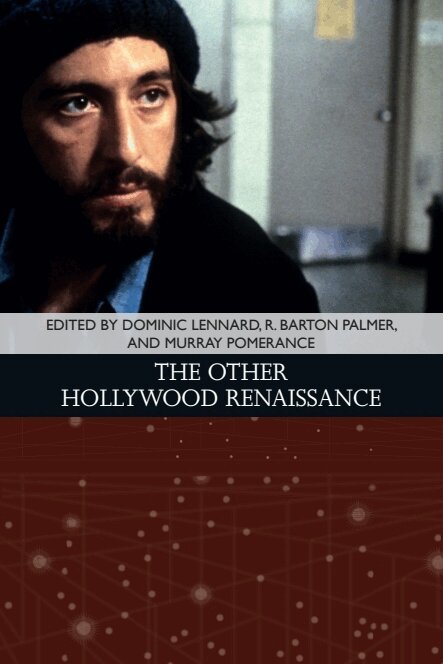
In the late 1960s, the collapse of the classic Hollywood studio system led in part, and for less than a decade, to a production trend heavily influenced by the international art cinema. Reflecting a new self-consciousness in the US about the national film patrimony, this period is known as the Hollywood Renaissance. However, critical study of the period is generally associated with its so-called principal auteurs, slighting a number of established and emerging directors who were responsible for many of the era's most innovative and artistically successful releases.With contributions from leading film scholars, this book provides a revisionist account of this creative resurgence by discussing and memorializing twenty-four directors of note who have not yet been given a proper place in the larger history of the period. Including filmmakers such as Hal Ashby, John Frankenheimer, Mike Nichols, and Joan Micklin Silver, this more expansive approach to the auteurism of the late 1960s and 1970s seems not only appropriate but pressing a necessary element of the re-evaluation of 'Hollywood' with which cinema studies has been preoccupied under the challenges posed by the emergence and flourishing of new media.