Don D. Fowler – författare
Visar alla böcker från författaren Don D. Fowler. Handla med fri frakt och snabb leverans.
8 produkter
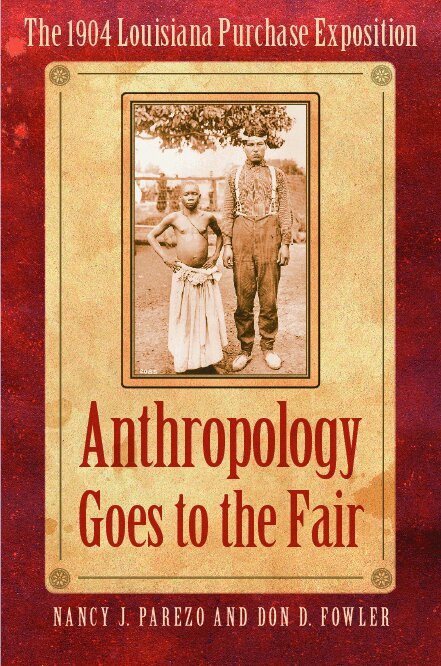
Anthropology Goes to the Fair
The 1904 Louisiana Purchase Exposition
Av Nancy J. Parezo, Don D. Fowler
Häftad, 2009
333 kr
Lägg i varukorg
World's fairs and industrial expositions constituted a phenomenally successful popular culture movement during the nineteenth and twentieth centuries. In addition to the newest technological innovations, each exposition showcased commercial and cultural exhibits, entertainment concessions, national …
Anthropology Goes to the Fair
The 1904 Louisiana Purchase Exposition
Av Nancy J. Parezo, Don D. Fowler
Inbunden, 2007
628 kr
Lägg i varukorg
World's fairs and industrial expositions constituted a phenomenally successful popular culture movement during the nineteenth and twentieth centuries. In addition to the newest technological innovations, each exposition showcased commercial and cultural exhibits, entertainment concessions, national …
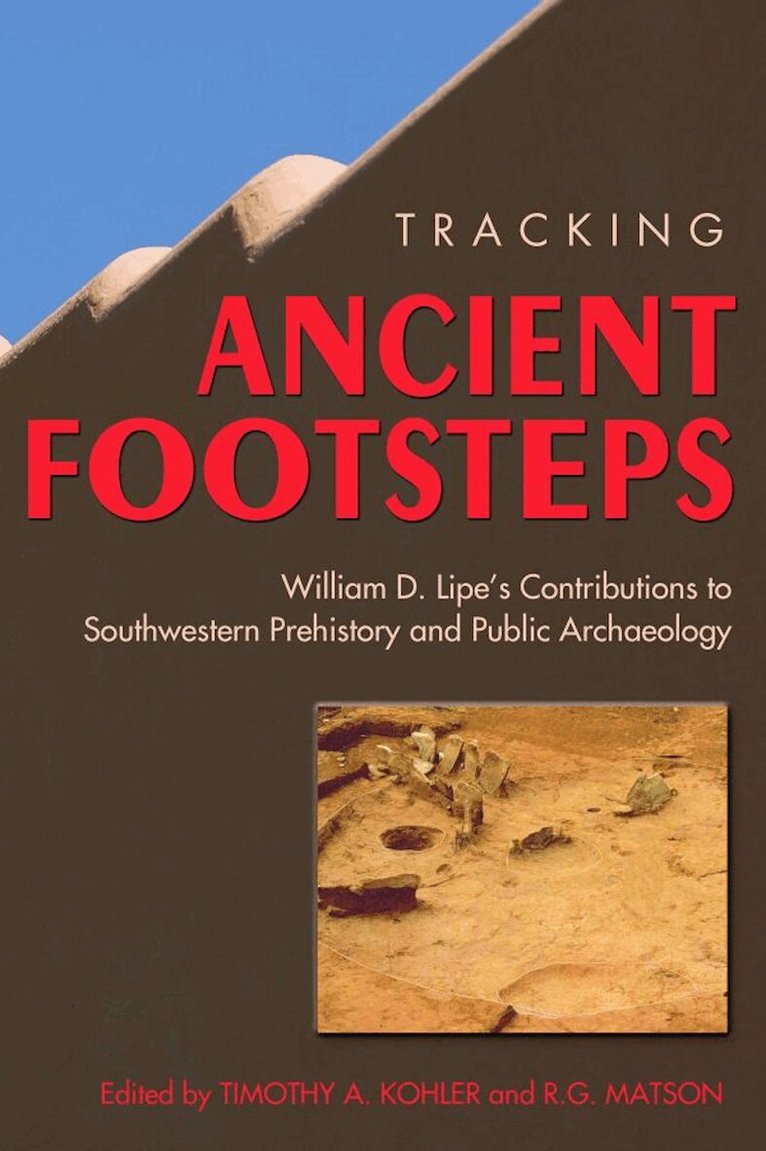
Tracking Ancient Footsteps
William D. Lipe's Contributions to Southwestern Prehistory and Public Archaeology
Av Don D. Fowler, Phil R. Geib m. fl.
Häftad, 2006
260 kr
Lägg i varukorg
Tracking Ancient Footsteps celebrates William D. Lipe's five-decade career in Southwestern and conservation archaeology. From the arid expanses of Glen Canyon, the Red Rock Plateau, and Cedar Mesa in Utah, to the relatively lush Dolores Valley and Mesa Verde regions of Colorado, Lipe participated …
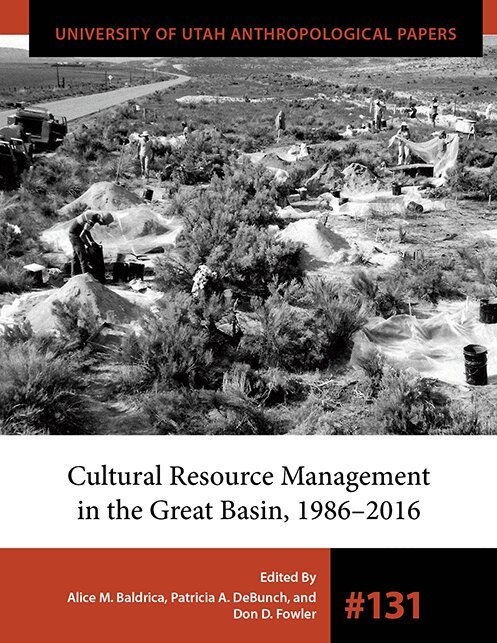
Cultural Resource Management in the Great Basin 1986–2016
Av Alice M. Baldrica, Patricia A. DeBunch m. fl.
Häftad, 2019
555 kr
Lägg i varukorg
Cultural Resource Management (CRM) refers to the discovery, evaluation, and preservation of culturally significant sites, focusing on but not limited to archaeological and historical sites of significance. CRM stems from the National Historic Preservation Act, passed in 1966. In 1986, …
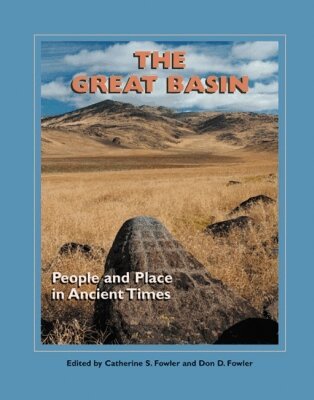
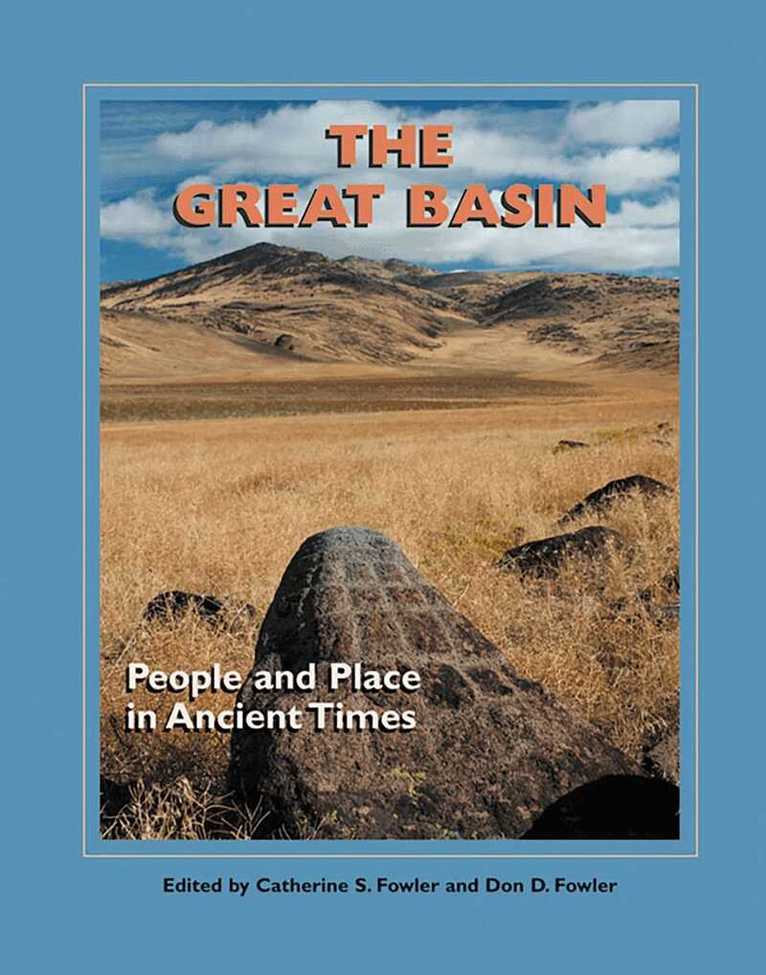
Great Basin
People and Place in Ancient Times
Av SAR Press, Catherine S. Fowler m. fl.
Inbunden, 2008
349 kr
Lägg i varukorg
This book is about a place, the Great Basin of western North America, and about the lifeways of Native American people who lived there during the past 13,000 years. The authors highlight the ingenious solutions people devised to sustain themselves in a difficult environment. The Great Basin is a …
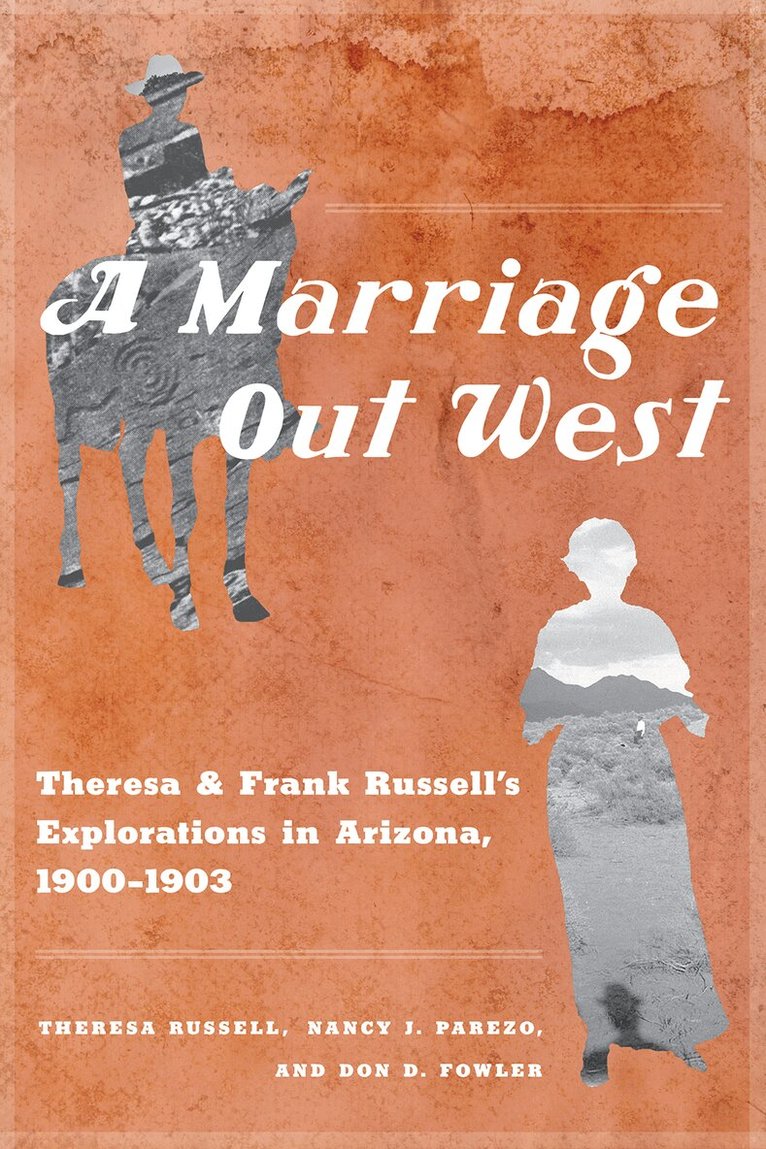
Marriage Out West
Theresa and Frank Russell's Explorations in Arizona, 1900-1903
Av Theresa Russell, Nancy J. Parezo m. fl.
Häftad, 2020
396 kr
Tillfälligt slut
A Marriage Out West is an intimate biographical account of two fascinating figures of twentieth-century archaeology. Frances Theresa Peet Russell, an educator, married Harvard anthropologist Frank Russell in June 1900. They left immediately on a busman's honeymoon to the Southwest. Their goal was …
Glen Canyon Archaeological Survey
Part II
Häftad, 2019
338 kr
Tillfälligt slut
Contains the archaeological survey of the Kaiparowits Plateau by James Gunnerson, the Glen Canyon main stem survey by Don Fowler, and the San Juan triangle survey by Ted Weller reports.
Great Basin
People and Place in Ancient Times
Av SAR Press, Catherine S. Fowler m. fl.
Häftad, 2008
329 kr
Tillfälligt slut
This book is about a place, the Great Basin of western North America, and about the lifeways of Native American people who lived there during the past 13,000 years. The authors highlight the ingenious solutions people devised to sustain themselves in a difficult environment. The Great Basin is a …