Nancy J. Parezo - Böcker
Visar alla böcker från författaren Nancy J. Parezo. Handla med fri frakt och snabb leverans.
5 produkter
5 produkter
314 kr
Skickas inom 10-15 vardagar
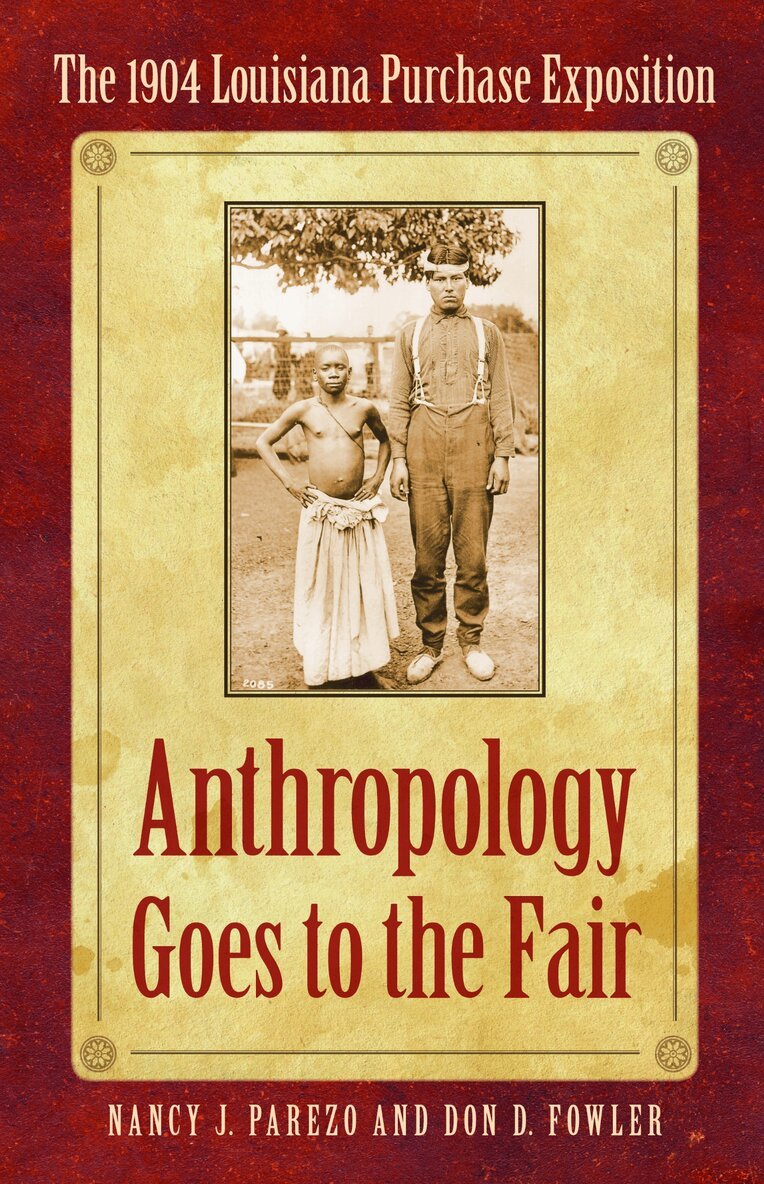
World's fairs and industrial expositions constituted a phenomenally successful popular culture movement during the nineteenth and twentieth centuries. In addition to the newest technological innovations, each exposition showcased commercial and cultural exhibits, entertainment concessions, national and corporate displays of wealth, and indigenous peoples from the colonial empires of the host country. As scientists claiming specialized knowledge about indigenous peoples, especially American Indians, anthropologists used expositions to promote their quest for professional status and authority. Anthropology Goes to the Fair takes readers through the 1904 Louisiana Purchase Exposition to see how anthropology, as conceptualized by W J McGee, the first president of the American Anthropological Association, showcased itself through programs, static displays, and living exhibits for millions of people "to show each half of the world how the other half lives." More than two thousand Native peoples negotiated and portrayed their own agendas on this world stage. The reader will see how anthropology itself was changed in the process.
314 kr
Skickas inom 10-15 vardagar
The writings of the American West have long dealt with masculine ideals. Well into the twentieth century, what little attention was afforded to women typically reflected prescribed or stereotyped roles, and the work of women scholars received less attention than that of men. And yet the early twentieth century saw a host of pioneering scholars who would not be ignored, erased, or marginalized. The ten women intellectuals showcased in this volume were pioneers in the writing of Indian-centered history, ethnology, and folklore that incorporated the insights, voices, and perspectives of American Indians. These authors not only produced significant works that are still useful to modern-day scholars; they also pioneered research methods and theoretical concepts that helped lay the foundation for the new scholarship on western history, American Indian studies, and ethnohistory. Noted scholars have provided individual biographies describing the struggles and contributions these foremothers made to the creation of late twentieth-century scholarship: Annie Heloise Abel, Gertrude Simmons Bonnin (Zitkala-Ša), Angie Debo, Ella Cara Deloria, Isabel T. Kelly, Marjorie Ferguson Lambert, Dorothea Cross Leighton, Alice Marriott, Mari Sandoz, and Ruth Underhill.
594 kr
Skickas inom 10-15 vardagar
World's fairs and industrial expositions constituted a phenomenally successful popular culture movement during the nineteenth and twentieth centuries. In addition to the newest technological innovations, each exposition showcased commercial and cultural exhibits, entertainment concessions, national and corporate displays of wealth, and indigenous peoples from the colonial empires of the host country. As scientists claiming specialized knowledge about indigenous peoples, especially American Indians, anthropologists used expositions to promote their quest for professional status and authority. Anthropology Goes to the Fair takes readers through the 1904 Louisiana Purchase Exposition to see how anthropology, as conceptualized by W J McGee, the first president of the American Anthropological Association, showcased itself through programs, static displays, and living exhibits for millions of people "to show each half of the world how the other half lives." More than two thousand Native peoples negotiated and portrayed their own agendas on this world stage. The reader will see how anthropology itself was changed in the process.
427 kr
Skickas inom 7-10 vardagar
305 kr
Skickas inom 11-20 vardagar
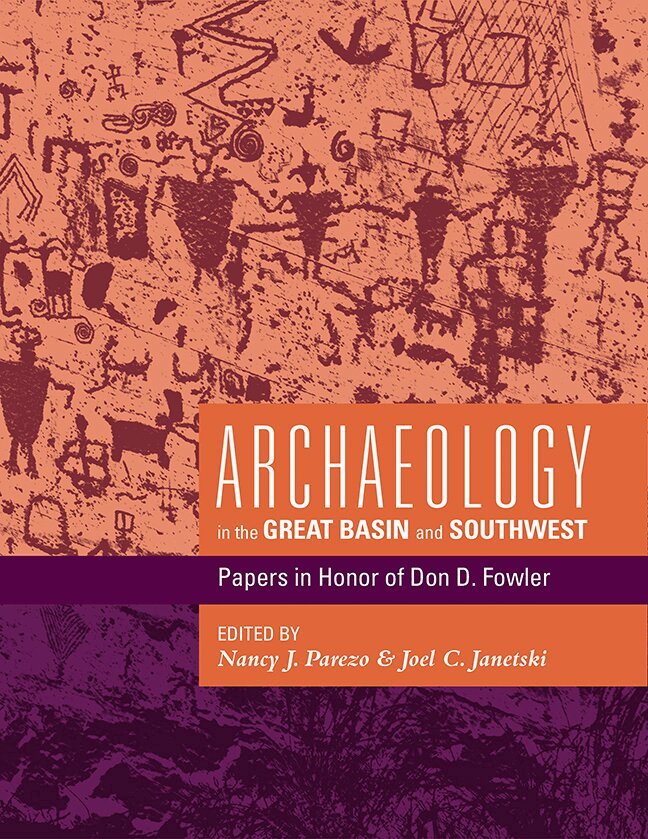
Archaeology in the Great Basin and Southwest is a compilation of papers by friends and colleagues that honour Don D. Fowler. The volume encompasses the breadth and depth of Fowler’s work in archaeology and sister disciplines with original scholarship on the human past of the arid west. Included are theoretical, methodological, and empirical papers that synthesize and present fresh perspectives on Great Basin and Southwest archaeology and cover a sweep of topics from Paleoindian research to collaboration with Native Americans. Fowler has continually reminded scholars that to understand the past we must know how the local and specific is regionally and transculturally contextualized, how what we know came to be recognised, studied, and interpreted—in short, how the past still affects the present—and how regional and topical archaeology is part of a disciplinary endeavour that is as concerned with rigorous and inclusive knowledge production as it is with site description and cultural syntheses.Readers will learn about the nature of archaeological careers, how archaeology has been conceptualized and conducted, the strengths and limitations of past and present approaches, and the institution building and political processes in which archaeologists engage. Contributors posit new thoughts designed to stimulate new lines of research and reflect on the state of our current knowledge about a wealth of topics. Each paper asks four questions about what Great Basin and southwestern archaeologists currently know: Where have we been? Where are we now? What do we still need to learn? Where are we going? This comprehensive volume will be of interest to those practicing or teaching archaeology and to students seeking to understand the intricacies of Great Basin and Southwest archaeology.