Don Walker – författare
Visar alla böcker från författaren Don Walker. Handla med fri frakt och snabb leverans.
12 produkter
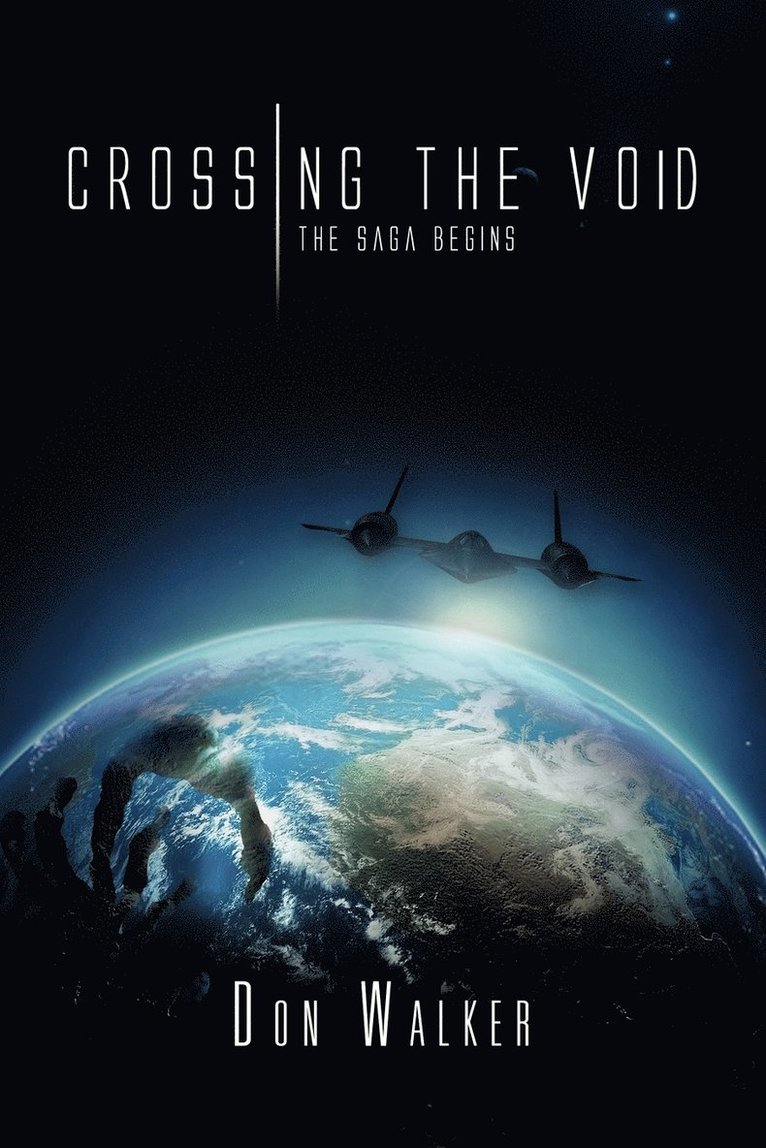
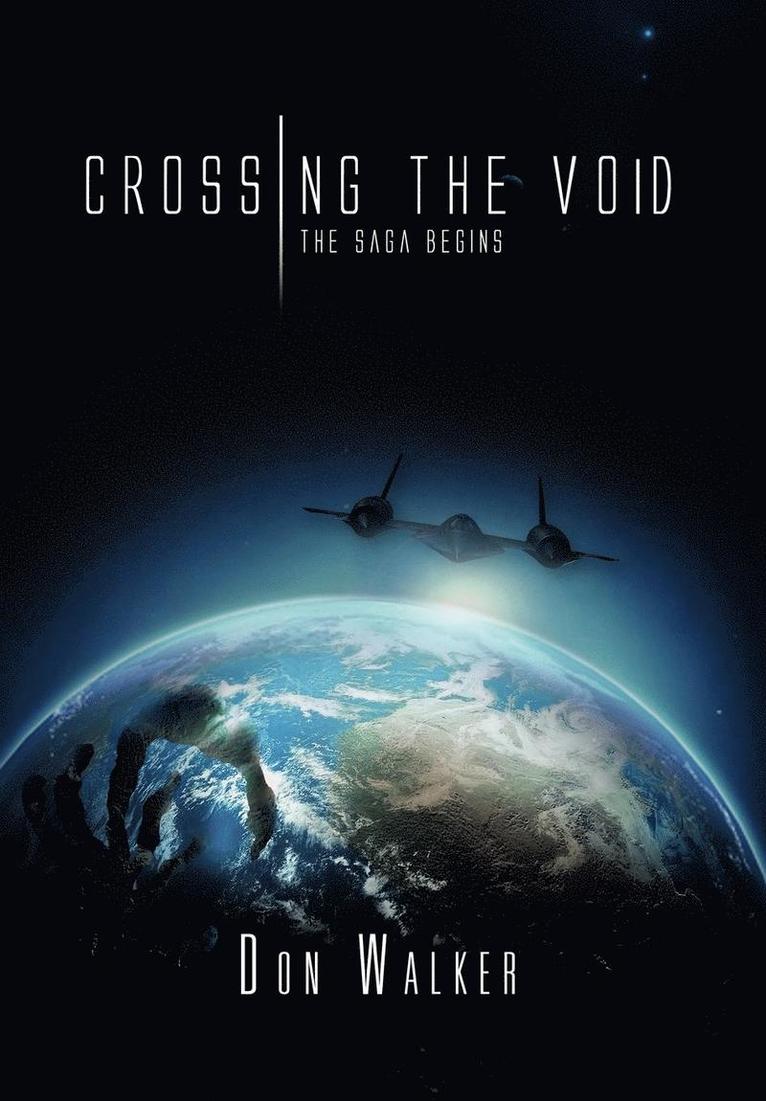
CROSSING THE VOID
THE SAGA BEGINS
Av Don Walker
E-bok, 2011
153 kr
Lägg i varukorg
The Earth is almost dead. The only hope humanity has rests with two giant starships that are speeding across the galaxy. The starships are captained by two captains that have had a dislike for each other since their first encounter. They are headed to the only planet found that would support life …
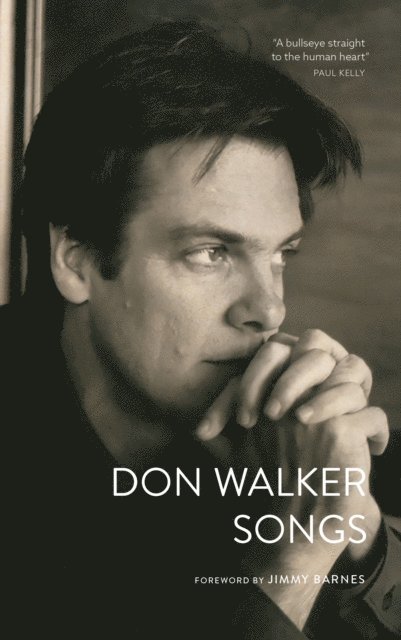
Songs
Av Don Walker
E-bok, 2019
230 kr
Lägg i varukorg
Don Walker is widely considered one of Australia’s greatest songwriters. For over forty years – from Cold Chisel and Tex, Don & Charlie to his solo work – he has written songs that capture what it is to be Australian. Collected here, for the first time, are lyrics from his extensive career: from …
New Churchyard
From Moorfields marsh to Bethlem burial ground, Brokers Row and Liverpool Street
Av Robert Hartlewith, Niamh Carty m. fl.
Häftad, 2018
150 kr
Lägg i varukorg
Modern Liverpool Street was once on the margins of London: the story of its development – from the medieval marsh of Moorfields to municipal, non-parochial, burial ground and later suburb – is illustrated by archaeological investigations undertaken as part of the Crossrail Central development. …
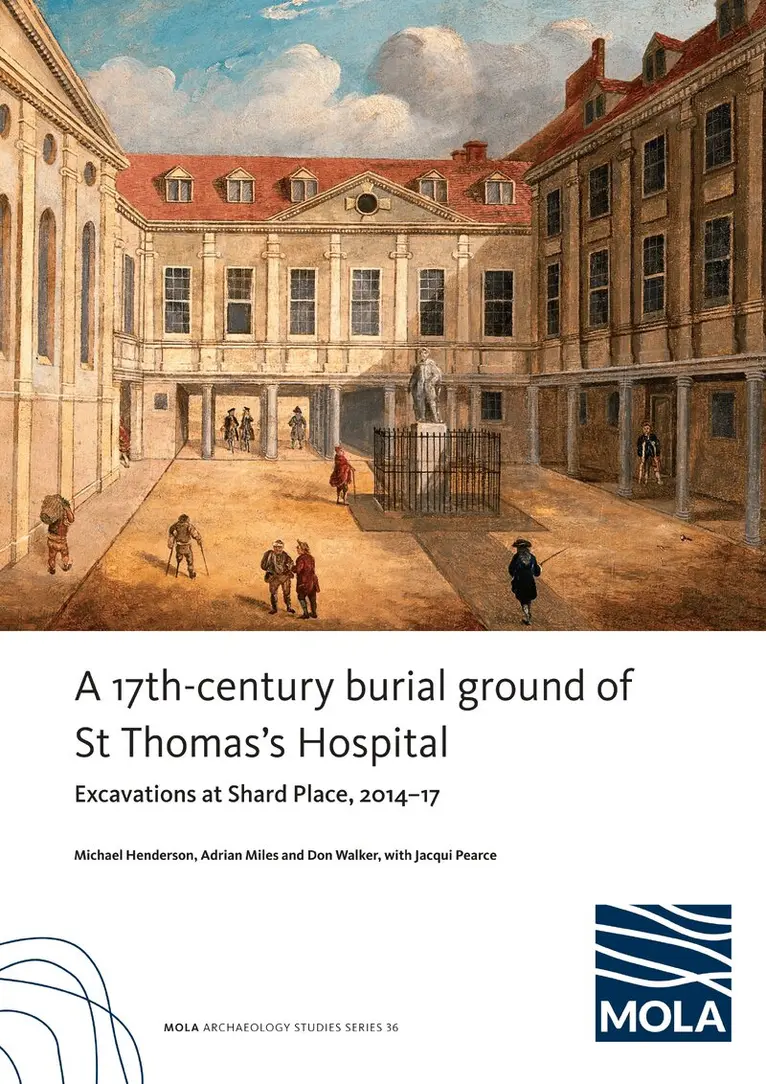
A 17th-century burial ground of St Thomas’s Hospital, Southwark
Excavations at Shard Place, 2014–17
Av Michael Henderson, Adrian Miles m. fl.
Häftad, 2025
221 kr
Lägg i varukorg
Archaeological excavations at Shard Place, Southwark, by Museum of London Archaeology (MOLA) revealed evidence of funerary activity associated with old St Thomas’s Hospital. The discovery of 811 inhumations, dating from the 17th to early 18th century exposed the intensive nature of burial activity …
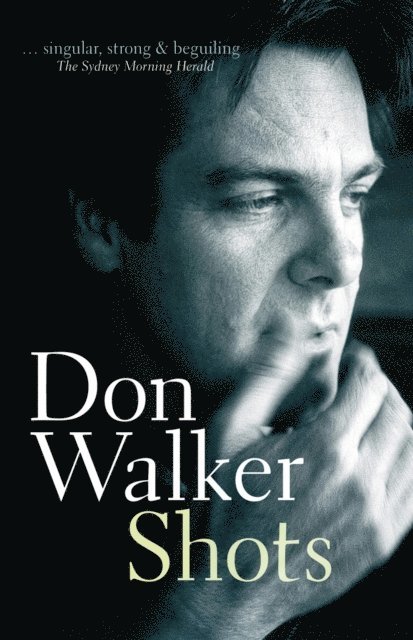
Shots
Av Don Walker
E-bok, 2019
234 kr
Lägg i varukorg
This extraordinary memoir begins with Don Walker''s early life in rural Australia and goes up to the late ''80s. In mesmerising prose, Walker evokes childhood and youth, wild times in the ''70s, life on the road and in Kings Cross, music-making and much more. Shots is a stunningly original book, a …