Donald G. Stein – författare
Visar alla böcker från författaren Donald G. Stein. Handla med fri frakt och snabb leverans.
5 produkter
5 produkter
Inbunden, Engelska, 2004
383 kr
Skickas inom 5-8 vardagar
Universities were once ivory towers where scholarship and teaching reigned supreme, or so we tell ourselves. Whether they were ever as pure as we think, it is certainly the case that they are pure no longer. Administrators look to patents as they seek money by commercializing faculty discoveries; they pour money into sports with the expectation that these spectacles will somehow bring in revenue; they sign contracts with soda and fast-food companies, legitimizing the dominance of a single brand on campus; and they charge for distance learning courses that they market widely. In this volume, edited by Donald G. Stein, university presidents and others in higher education leadership positions comment on the many connections between business and scholarship when intellectual property and learning is treated as a marketable commodity. Some contributors write about the benefits of these connections in providing much needed resources. Others emphasize that the thirst for profits may bias the type of research that is carried out and the quality of that research. They fear for the future of basic research if faculty are in search of immediate payoffs.The majority of the contributors acknowledge that commercialization is the current reality and has progressed too far to return to the “good old days.” They propose guidelines for students and professors to govern commercial activities. Such guidelines can increase the likelihood that quality, openness, and collegiality will remain core academic values.
Häftad, Engelska, 2011
562 kr
Skickas inom 10-15 vardagar
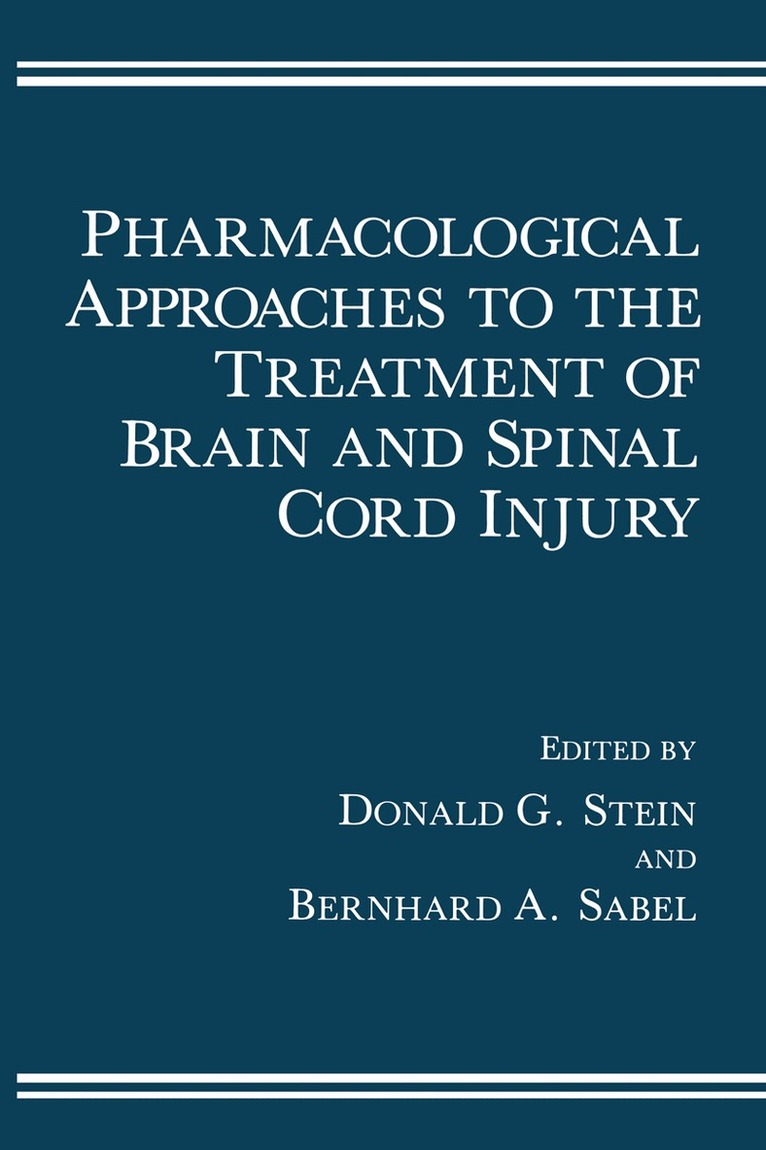
Although there are over 400,000 people each year in the United States alone who suffer from traumatic injury to the central nervous system (CNS), no phar macological treatment is currently available. Considering the enormity of the problem in terms of human tragedy as well as the economic burden to families and societies alike, it is surprising that so little effort is being made to develop treatments for these disorders. Although no one can become inured to the victims of brain or spinal cord injuries, one reason that insufficient time and effort have been devoted to research on recovery is that it is a generally held medical belief that nervous system injuries are simply not amenable to treatment. At best, current therapies are aimed at providing symptomatic relief or focus on re habilitative measures and the teaching of alternative behavioral strategies to help patients cope with their impairments, with only marginal results in many cases. Only within the last decade have neuroscientists begun to make serious inroads into understanding and examining the inherent "plasticity" found in the adult CNS. Ten years or so ago, very few researchers or clinicians would have thought that damaged central neurons could sprout new terminals or that intact nerve fibers in a damaged pathway could proliferate to replace inputs from neurons that died as a result of injury.
Häftad, Engelska, 2012
562 kr
Skickas inom 10-15 vardagar
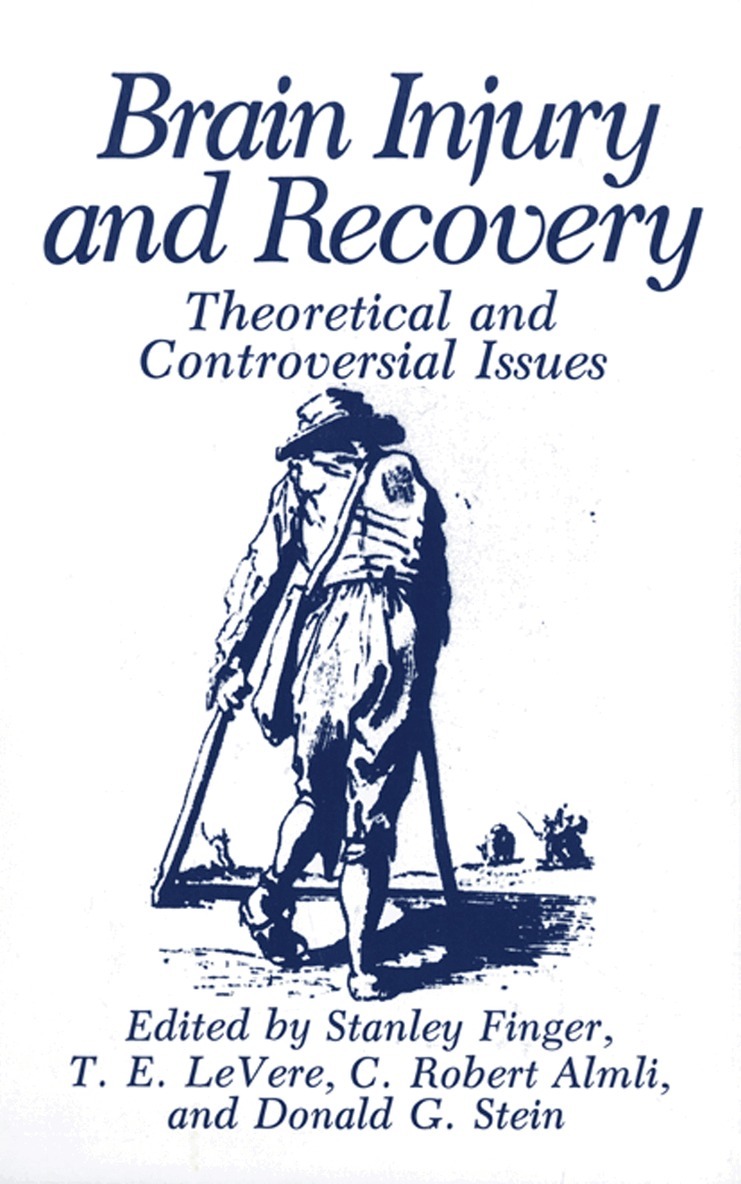
The idea for the present volume grew from discussions that the four of us had among ourselves and with our colleagues at recent scientific meetings. All of us were impressed by the wealth of empirical data that was being generated by investigators interested in brain damage and recovery from both behavioral and biological orientations. Nevertheless, we were concerned about the relative paucity of attempts to evaluate the data provided by new technologies in more than a narrow context or to present new theories or reexamine time-honored ideas in the light of new findings. We recognized that science is guided by new technologies, by hard data, and by theories and ideas. Yet we were forced to conclude that, although investi gators were often anxious to publicize new methods and empirical fmdings, the same could not be said about broad hypotheses, underlying concepts, or in ferences and speculations that extended beyond the empirical data. Not only were many scientists not formally discussing the broad implications of their data, but, when stimulating ideas were presented, they were more likely to be heard in the halls or over a meal than in organized sessions at scientific meetings.
E-bok
PDF, Engelska, 2012734 kr
Läs direkt efter köp
Although there are over 400,000 people each year in the United States alone who suffer from traumatic injury to the central nervous system (CNS), no phar macological treatment is currently available. Considering the enormity of the problem in terms of human tragedy as well as the economic burden to families and societies alike, it is surprising that so little effort is being made to develop treatments for these disorders. Although no one can become inured to the victims of brain or spinal cord injuries, one reason that insufficient time and effort have been devoted to research on recovery is that it is a generally held medical belief that nervous system injuries are simply not amenable to treatment. At best, current therapies are aimed at providing symptomatic relief or focus on re habilitative measures and the teaching of alternative behavioral strategies to help patients cope with their impairments, with only marginal results in many cases. Only within the last decade have neuroscientists begun to make serious inroads into understanding and examining the inherent "plasticity" found in the adult CNS. Ten years or so ago, very few researchers or clinicians would have thought that damaged central neurons could sprout new terminals or that intact nerve fibers in a damaged pathway could proliferate to replace inputs from neurons that died as a result of injury.
E-bok
PDF, Engelska, 2012734 kr
Läs direkt efter köp
The idea for the present volume grew from discussions that the four of us had among ourselves and with our colleagues at recent scientific meetings. All of us were impressed by the wealth of empirical data that was being generated by investigators interested in brain damage and recovery from both behavioral and biological orientations. Nevertheless, we were concerned about the relative paucity of attempts to evaluate the data provided by new technologies in more than a narrow context or to present new theories or reexamine time-honored ideas in the light of new findings. We recognized that science is guided by new technologies, by hard data, and by theories and ideas. Yet we were forced to conclude that, although investi gators were often anxious to publicize new methods and empirical fmdings, the same could not be said about broad hypotheses, underlying concepts, or in ferences and speculations that extended beyond the empirical data. Not only were many scientists not formally discussing the broad implications of their data, but, when stimulating ideas were presented, they were more likely to be heard in the halls or over a meal than in organized sessions at scientific meetings.