Doris Y. Kadish – författare
Visar alla böcker från författaren Doris Y. Kadish. Handla med fri frakt och snabb leverans.
7 produkter
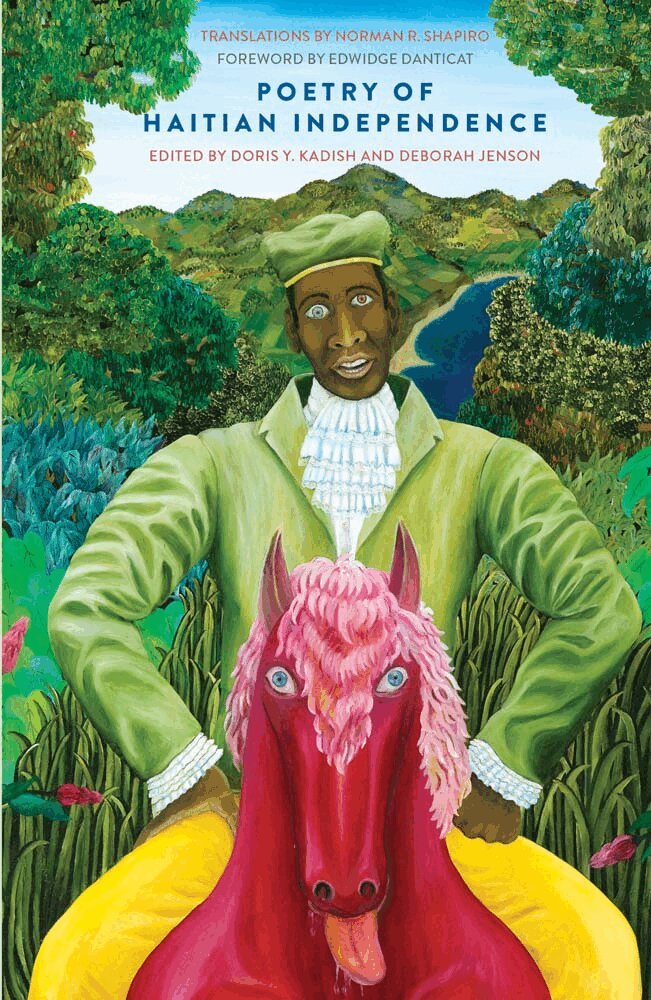
Poetry of Haitian Independence
Av Doris Y. Kadish, Deborah Jenson
Inbunden, 2015
1134 kr
Lägg i varukorg
At the turn of the nineteenth century, Haiti became the first and only modern country born from a slave revolt. During the first decades of Haitian independence, a wealth of original poetry was created by the inhabitants of the former French Caribbean island colony and published in Haitian …
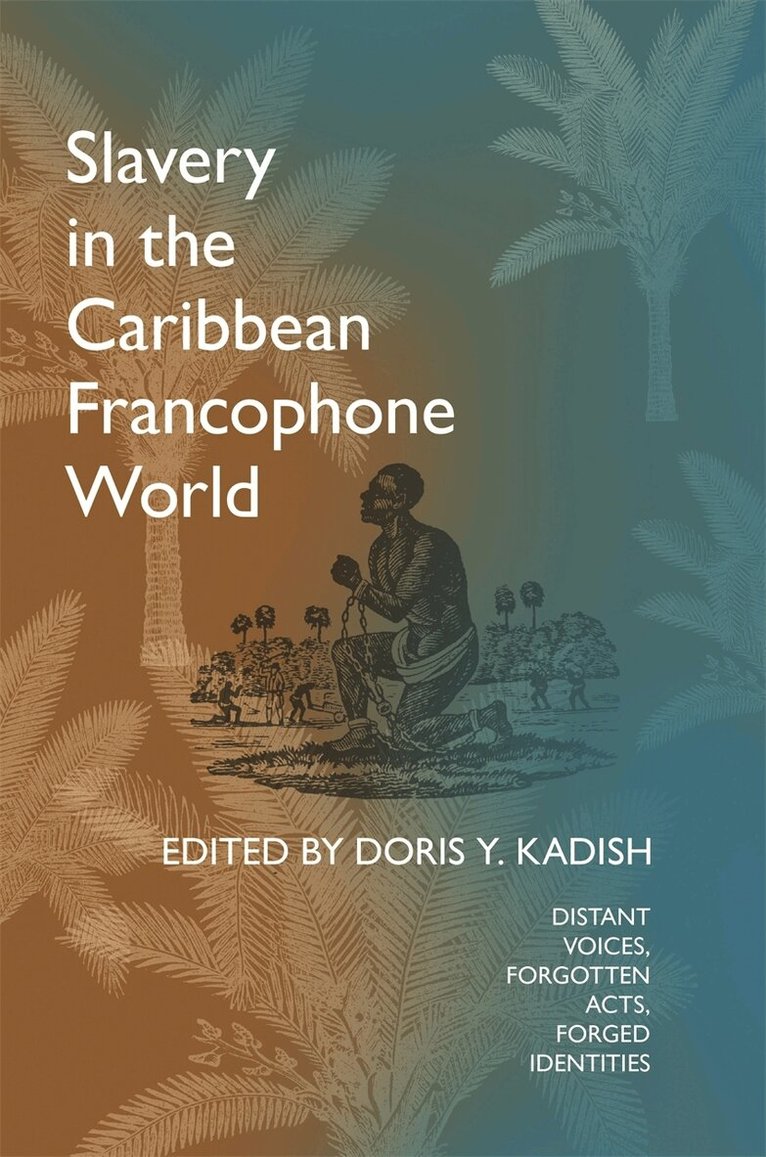
Slavery in the Caribbean Francophone World
Distant Voices, Forgotten Acts, Forged Identities
Häftad, 2016
477 kr
Lägg i varukorg
Twelve scholars representing a variety of academic fields contribute to this study of slavery in the French Caribbean colonies, which ranges historically from the 1770s to Haiti's declaration of independent statehood in 1804. Including essays on the impact of colonial slavery on France, the United …
Translating Slavery, Volume 1
Gender and Race in French Abolitionist Writing, 1780-1830
Av Francoise Massareier-Kenney, Doris Y. Kadish
E-bok, 2008
464 kr
Lägg i varukorg
A new, revised, and expanded edition of a translation studies classic Translating Slavery explores the complex interrelationships that exist between translation, gender, and race by focusing on antislavery writing by or about French women in the French revolutionary period. Now in a two-volume …
Translating Slavery, Volume 1
Gender and Race in French Abolitionist Writing, 1780-1830
Av Francoise Massareier-Kenney, Doris Y. Kadish
E-bok, 2008
464 kr
Lägg i varukorg
A new, revised, and expanded edition of a translation studies classic Translating Slavery explores the complex interrelationships that exist between translation, gender, and race by focusing on antislavery writing by or about French women in the French revolutionary period. Now in a two-volume …
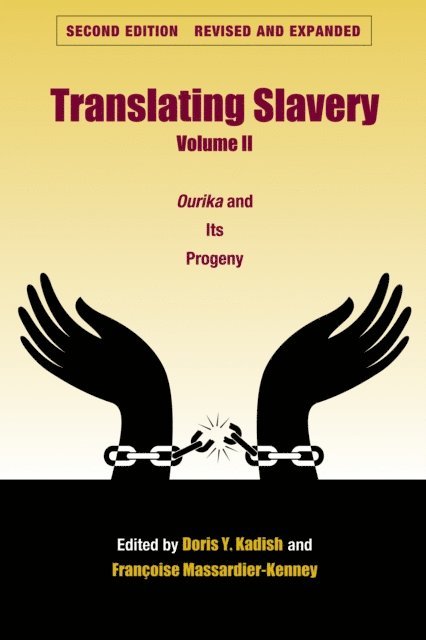
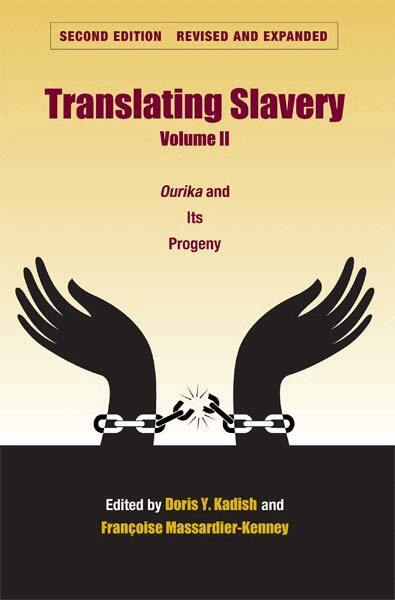
Translating Slavery, Volume 2
Ourika and Its Progeny
Av Francoise Massardier-Kenney, Doris Y. Kadish
E-bok, 2010
334 kr
Lägg i varukorg
The second volume of this revised and expanded edition of Translating Slavery Translating Slavery explores the complex interrelationships that exist between translation, gender, and race by focusing on antislavery writing by or about French women in the French revolutionary period. Now in two …
Translating Slavery, Volume 2
Ourika and Its Progeny
Av Francoise Massardier-Kenney, Doris Y. Kadish
E-bok, 2010
334 kr
Lägg i varukorg
The second volume of this revised and expanded edition of Translating Slavery Translating Slavery explores the complex interrelationships that exist between translation, gender, and race by focusing on antislavery writing by or about French women in the French revolutionary period. Now in two …
Translating Slavery V. 2; Ourika and Its Progeny
Av The Kent State University Press, Doris Y. Kadish m. fl.
Häftad, 2010
338 kr
Tillfälligt slut
Translating Slavery explores the complex interrelationships that exist between translation, gender, and race by focusing on antislavery writing by or about French women in the French revolutionary period. Now in a two-volume collection, Translating Slavery closely examines what happens when …