Douglas Dow - Böcker
Visar alla böcker från författaren Douglas Dow. Handla med fri frakt och snabb leverans.
2 produkter
2 produkter
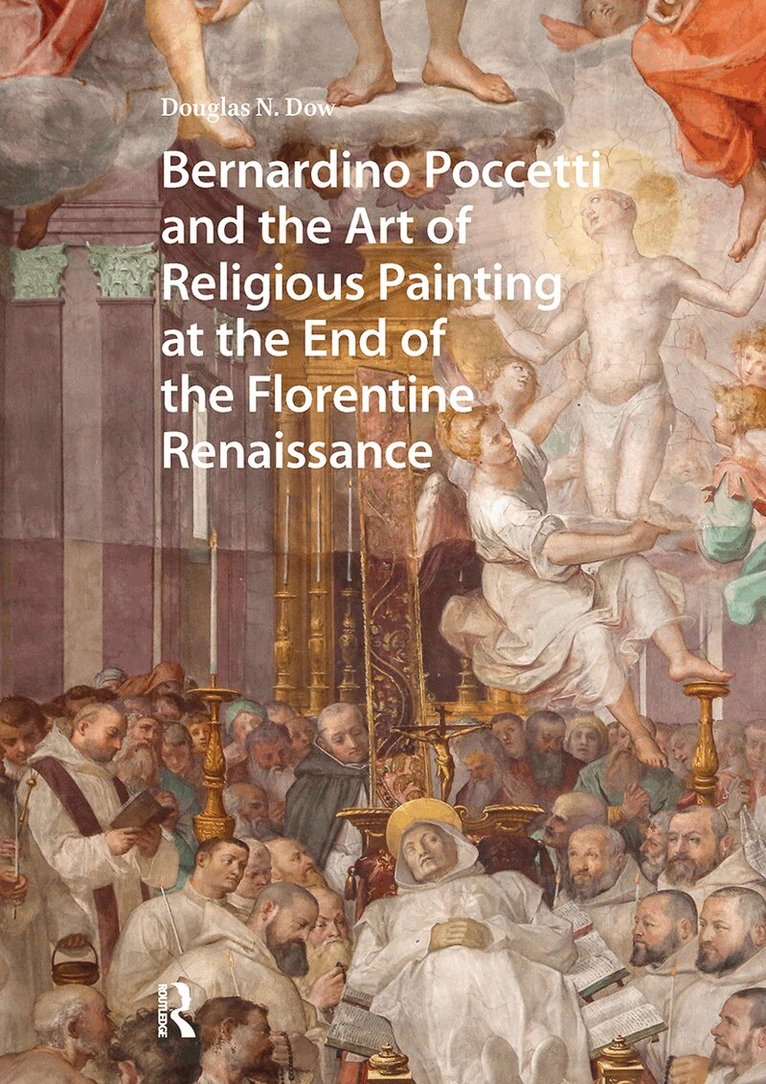
Bernardino Poccetti and the Art of Religious Painting at the End of the Florentine Renaissance
Häftad, Engelska, 2025
651 kr
Skickas inom 10-15 vardagar
By almost any measure Bernardino Barbatelli, called Poccetti, was a successful and sought after painter in late sixteenth-century Florence, but his works have remained largely overlooked. This study situates representative examples of his religious painting within their respective contexts to demonstrate how Poccetti and his patrons negotiated the increasingly fraught terrain of sacred painting in the period of religious reform. These case studies demonstrate how patrons ranging from the Dominicans to the Carthusians to prominent Florentine patricians relied on Poccetti’s skill in creating compelling narratives that reflected current concerns within the Catholic world. In the process, Poccetti invoked an august Florentine tradition of fresco painting, shaping it to better address the demands placed on religious imagery at the end of the Renaissance.
Del 49 - Visual and Material Culture, 1300-1700
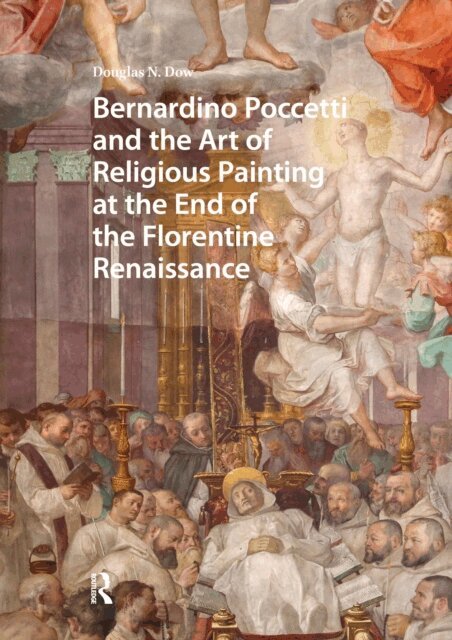
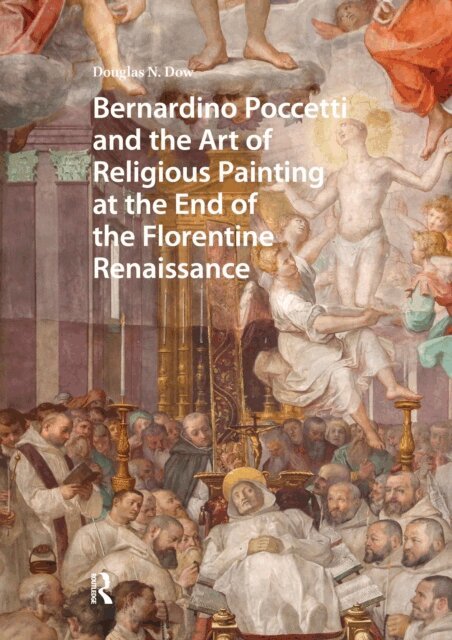
Bernardino Poccetti and the Art of Religious Painting at the End of the Florentine Renaissance
Inbunden, Engelska, 2023
2 167 kr
Skickas inom 10-15 vardagar
By almost any measure Bernardino Barbatelli, called Poccetti, was a successful and sought after painter in late sixteenth-century Florence, but his works have remained largely overlooked. This study situates representative examples of his religious painting within their respective contexts to demonstrate how Poccetti and his patrons negotiated the increasingly fraught terrain of sacred painting in the period of religious reform. These case studies demonstrate how patrons ranging from the Dominicans to the Carthusians to prominent Florentine patricians relied on Poccetti’s skill in creating compelling narratives that reflected current concerns within the Catholic world. In the process, Poccetti invoked an august Florentine tradition of fresco painting, shaping it to better address the demands placed on religious imagery at the end of the Renaissance.