Douglas Irvin-Erickson - Böcker
Visar alla böcker från författaren Douglas Irvin-Erickson. Handla med fri frakt och snabb leverans.
9 produkter
9 produkter
1 161 kr
Skickas inom 5-8 vardagar
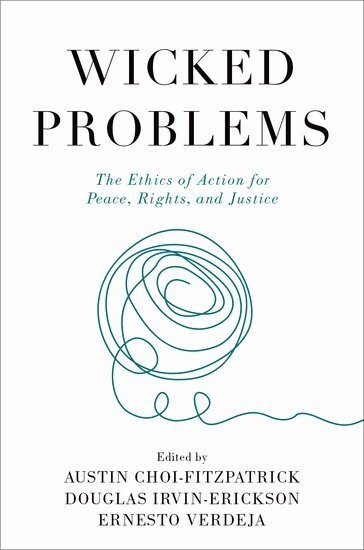
The ethics of changemaking and peacebuilding may appear straightforward: advance dignity, promote well-being, minimize suffering. Sounds simple, right? Actually acting ethically when it really matters is rarely straightforward. If someone engaged in change-oriented work sets out to "do good," how should we prioritize and evaluate whose good counts? And, how ought we act once we have decided whose good counts? Practitioners frequently confront dilemmas where dire situations may demand some form of response, but each of the options may have undesirable consequences of one form or another. Dilemmas are not merely ordinary problems, they are wicked problems: that is to say, they are defined by circumstances that only allow for suboptimal outcomes and are based on profound and sometimes troubling trade-offs.Wicked Problems argues that the field of peacebuilding and conflict transformation needs a stronger and more practical sense of its ethical obligations. For example, it argues against posing false binaries between domestic and international issues and against viewing violence and conflict as equivalents. It holds strategic nonviolence up to critical scrutiny and shows that "do no harm" approaches may in fact do harm. The contributors include scholars, scholar practitioners in the field, and activists on the streets, and the chapters cover the role of violence in conflict; conflict and violence prevention and resolution; humanitarianism; community organizing and racial justice; social movements; human rights advocacy; transitional justice; political reconciliation; and peace education and pedagogy, among other topics. Drawing on the lived experiences and expertise of activists, educators, and researchers, Wicked Problems equips readers to ask--and answer--difficult questions about social change work.
334 kr
Skickas
The ethics of changemaking and peacebuilding may appear straightforward: advance dignity, promote well-being, minimize suffering. Sounds simple, right? Actually acting ethically when it really matters is rarely straightforward. If someone engaged in change-oriented work sets out to "do good," how should we prioritize and evaluate whose good counts? And, how ought we act once we have decided whose good counts? Practitioners frequently confront dilemmas where dire situations may demand some form of response, but each of the options may have undesirable consequences of one form or another. Dilemmas are not merely ordinary problems, they are wicked problems: that is to say, they are defined by circumstances that only allow for suboptimal outcomes and are based on profound and sometimes troubling trade-offs.Wicked Problems argues that the field of peacebuilding and conflict transformation needs a stronger and more practical sense of its ethical obligations. For example, it argues against posing false binaries between domestic and international issues and against viewing violence and conflict as equivalents. It holds strategic nonviolence up to critical scrutiny and shows that "do no harm" approaches may in fact do harm. The contributors include scholars, scholar practitioners in the field, and activists on the streets, and the chapters cover the role of violence in conflict; conflict and violence prevention and resolution; humanitarianism; community organizing and racial justice; social movements; human rights advocacy; transitional justice; political reconciliation; and peace education and pedagogy, among other topics. Drawing on the lived experiences and expertise of activists, educators, and researchers, Wicked Problems equips readers to ask--and answer--difficult questions about social change work.
835 kr
Skickas inom 10-15 vardagar
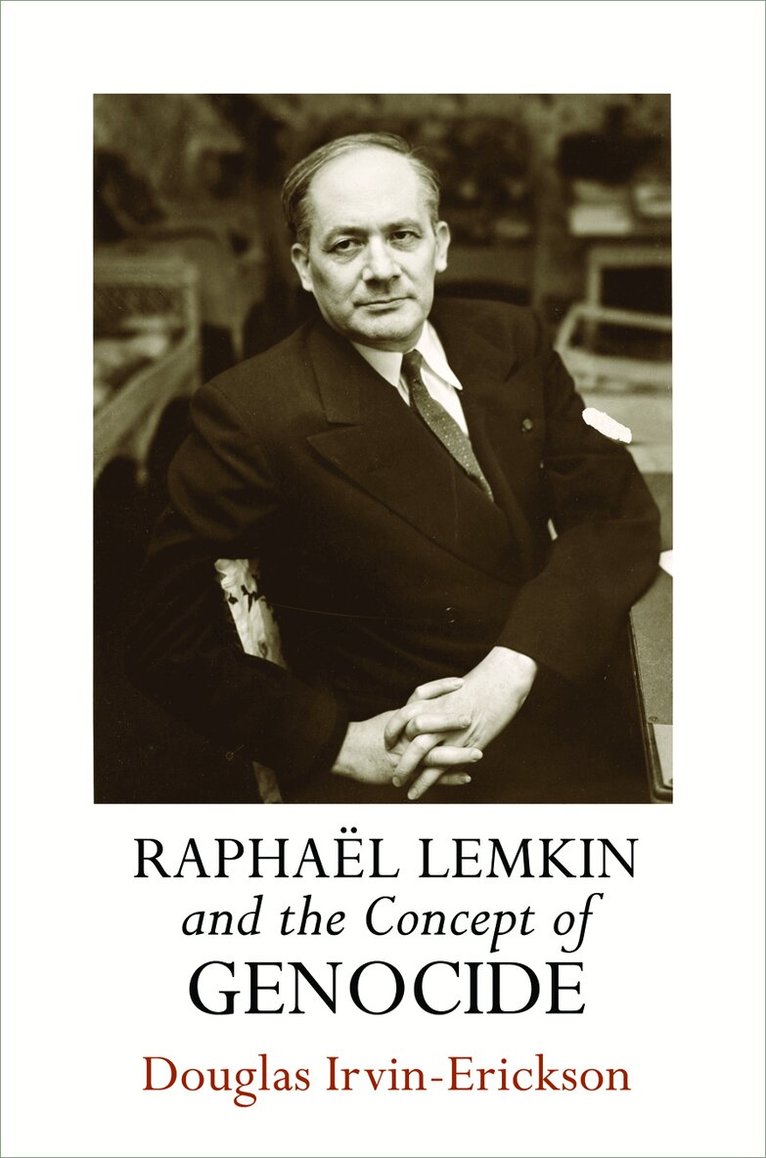
RaphaËl Lemkin (1900-1959) coined the word "genocide" in the winter of 1942 and led a movement in the United Nations to outlaw the crime, setting his sights on reimagining human rights institutions and humanitarian law after World War II. After the UN adopted the Convention on the Prevention and Punishment of the Crime of Genocide in 1948, Lemkin slipped into obscurity, and within a few short years many of the same governments that had agreed to outlaw genocide and draft a Universal Declaration of Human Rights tried to undermine these principles.This intellectual biography of one of the twentieth century's most influential theorists and human rights figures sheds new light on the origins of the concept and word "genocide," contextualizing Lemkin's intellectual development in interwar Poland and exploring the evolving connection between his philosophical writings, juridical works, and politics over the following decades. The book presents Lemkin's childhood experience of anti-Jewish violence in imperial Russia; his youthful arguments to expand the laws of war to protect people from their own governments; his early scholarship on Soviet criminal law and nationalities violence; his work in the 1930s to advance a rights-based approach to international law; his efforts in the 1940s to outlaw genocide; and his forays in the 1950s into a social-scientific and historical study of genocide, which he left unfinished.Revealing what the word "genocide" meant to people in the wake of World War II-as the USSR and Western powers sought to undermine the Genocide Convention at the UN, while delegations from small states and former colonies became the strongest supporters of Lemkin's law-RaphaËl Lemkin and the Concept of Genocide examines how the meaning of genocide changed over the decades and highlights the relevance of Lemkin's thought to our own time.
1 391 kr
Skickas inom 5-8 vardagar
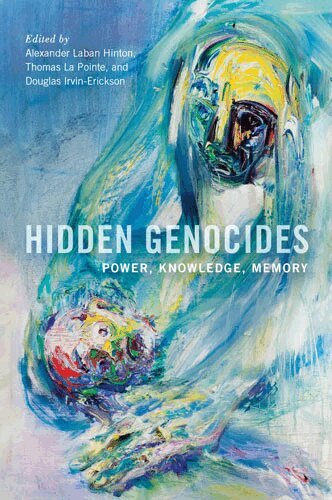
Why are some genocides prominently remembered while others are ignored, hidden, or denied? Consider the Turkish campaign denying the Armenian genocide, followed by the Armenian movement to recognize the violence. Similar movements are building to acknowledge other genocides that have long remained out of sight in the media, such as those against the Circassians, Greeks, Assyrians, the indigenous peoples in the Americas and Australia, and the violence that was the precursor to and the aftermath of the Holocaust.The contributors to this collection look at these cases and others from a variety of perspectives. These essays cover the extent to which our biases, our ways of knowing, our patterns of definition, our assumptions about truth, and our processes of remembering and forgetting as well as the characteristics of generational transmission, the structures of power and state ideology, and diaspora have played a role in hiding some events and not others. Noteworthy among the collection’s coverage is whether the trade in African slaves was a form of genocide and a discussion not only of Hutus brutalizing Tutsi victims in Rwanda, but of the execution of moderate Hutus as well.Hidden Genocides is a significant contribution in terms of both descriptive narratives and interpretations to the emerging subfield of critical genocide studies.Contributors: Daniel Feierstein, Donna-Lee Frieze, Krista Hegburg, Alexander Laban Hinton, Adam Jones, A. Dirk Moses, Chris M. Nunpa, Walter Richmond, Hannibal Travis, and Elisa von Joeden-Forgey
422 kr
Skickas inom 5-8 vardagar
Why are some genocides prominently remembered while others are ignored, hidden, or denied? Consider the Turkish campaign denying the Armenian genocide, followed by the Armenian movement to recognize the violence. Similar movements are building to acknowledge other genocides that have long remained out of sight in the media, such as those against the Circassians, Greeks, Assyrians, the indigenous peoples in the Americas and Australia, and the violence that was the precursor to and the aftermath of the Holocaust.The contributors to this collection look at these cases and others from a variety of perspectives. These essays cover the extent to which our biases, our ways of knowing, our patterns of definition, our assumptions about truth, and our processes of remembering and forgetting as well as the characteristics of generational transmission, the structures of power and state ideology, and diaspora have played a role in hiding some events and not others. Noteworthy among the collection’s coverage is whether the trade in African slaves was a form of genocide and a discussion not only of Hutus brutalizing Tutsi victims in Rwanda, but of the execution of moderate Hutus as well.Hidden Genocides is a significant contribution in terms of both descriptive narratives and interpretations to the emerging subfield of critical genocide studies.Contributors: Daniel Feierstein, Donna-Lee Frieze, Krista Hegburg, Alexander Laban Hinton, Adam Jones, A. Dirk Moses, Chris M. Nunpa, Walter Richmond, Hannibal Travis, and Elisa von Joeden-Forgey
1 175 kr
Skickas inom 10-15 vardagar
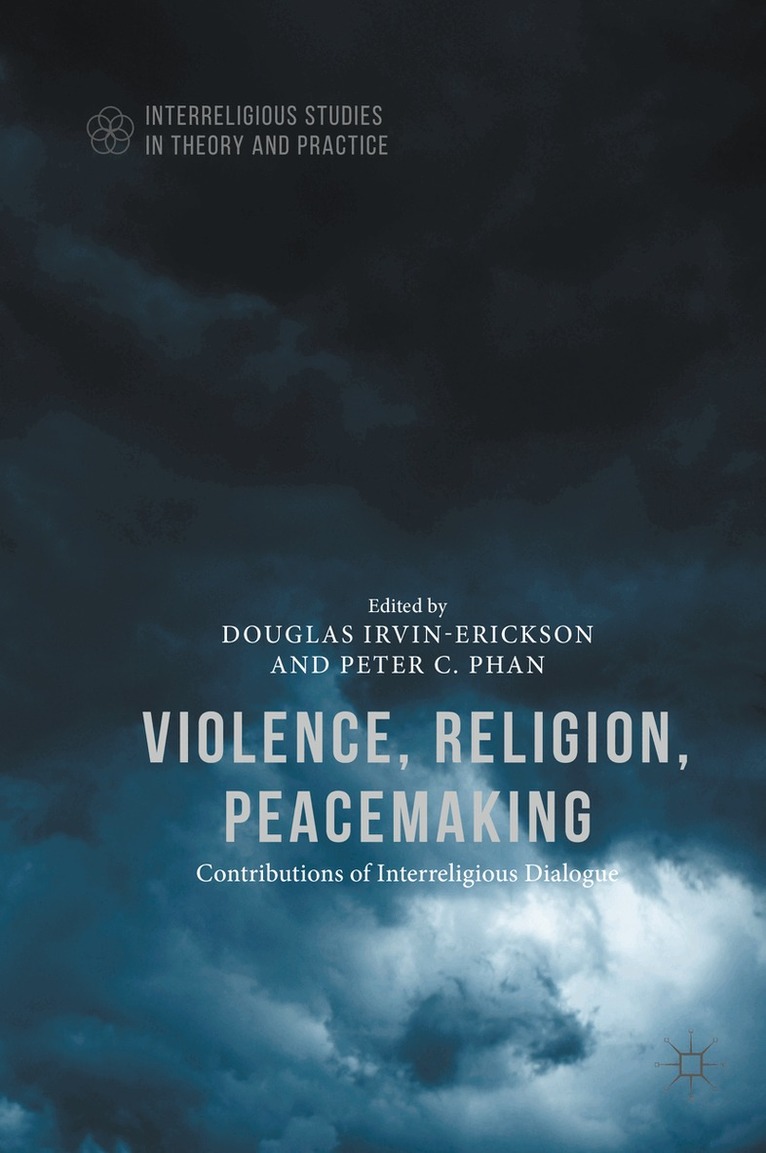
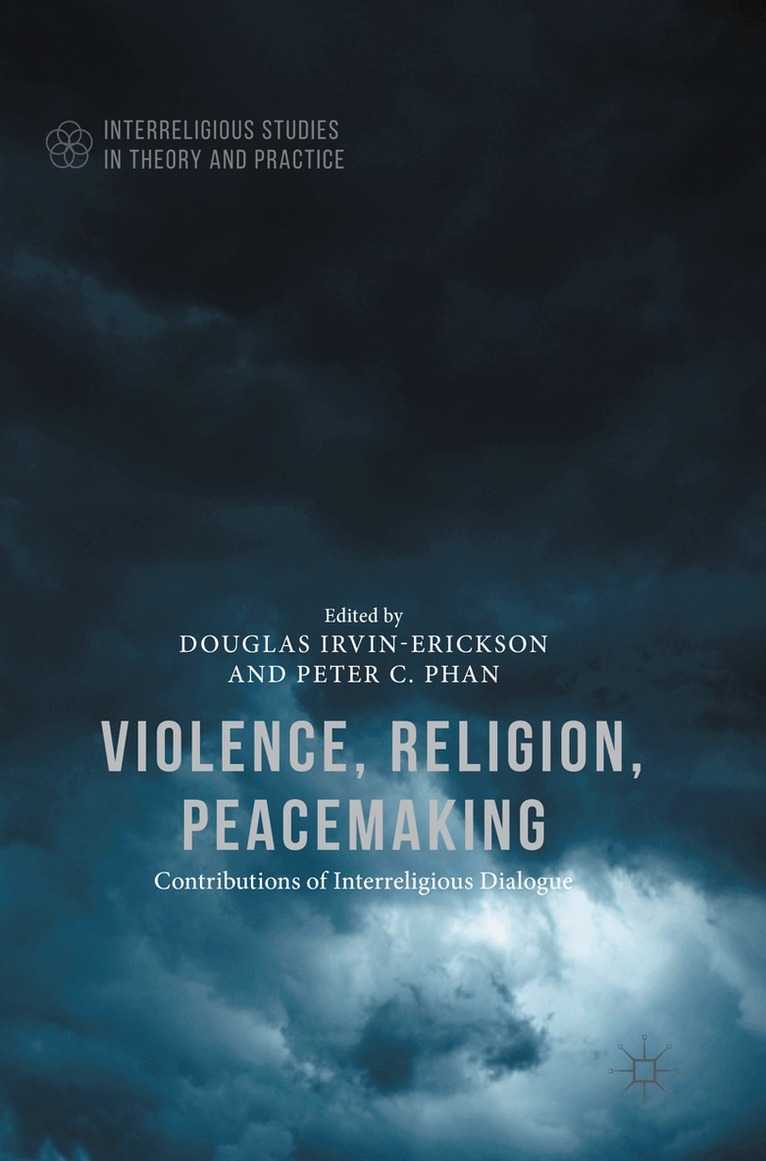
This volume explores how religious leaders can contribute to cultures of peace around the world. Connecting the theory and practice of religious peacebuilding to illuminate key challenges facing interreligious dialogue and interreligious peace work, the volume is explicitly interreligious, intercultural, and global in perspective.
1 175 kr
Skickas inom 10-15 vardagar
This volume explores how religious leaders can contribute to cultures of peace around the world. Connecting the theory and practice of religious peacebuilding to illuminate key challenges facing interreligious dialogue and interreligious peace work, the volume is explicitly interreligious, intercultural, and global in perspective.
1 572 kr
Skickas inom 10-15 vardagar
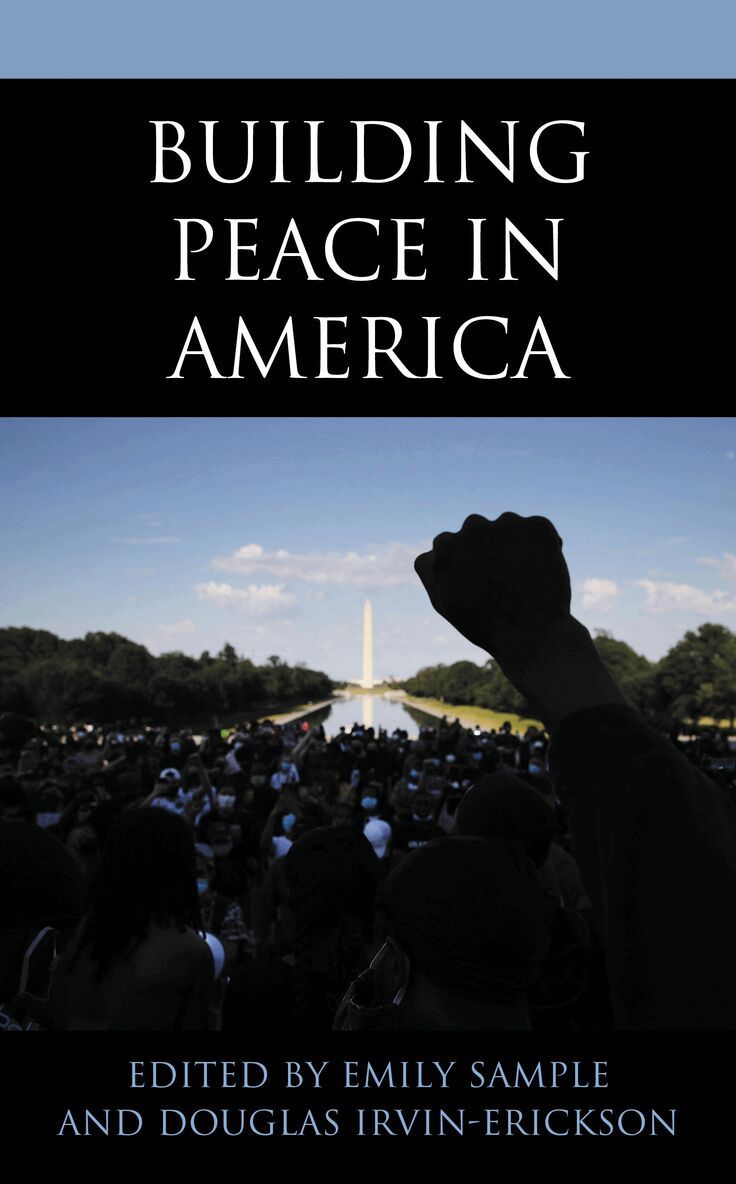
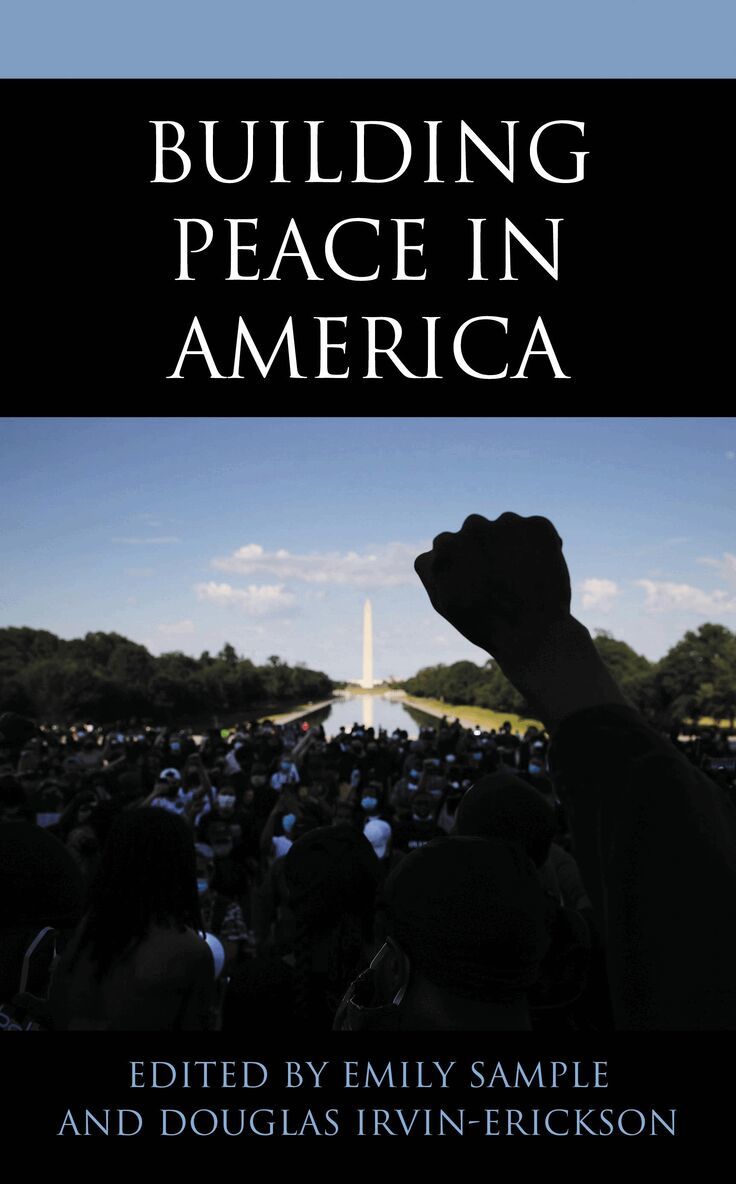
America may not be at war, but it is not at peace. Recent public and political rhetoric have revealed the escalation of a pervasive and dangerous “us versus them” ideology in the United States. This powerful book is motivated by the contributors’ recognition of continuing structural violence and injustice, which are linked to long-standing systems of racism, social marginalization, xenophobia, poverty, and inequality in all forms. Calls to restore America’s greatness are just the most recent iteration of dehumanizing language against minority communities. The violation of the civil and human rights of vulnerable groups presents a serious threat to American democracy. These deeply rooted and systemic inequities have no easy solutions, and the destructive nature of today’s conflicts in America threaten to impede efforts to build peace, promote justice, and inspire constructive social change.Acknowledging the complexity of building peace in the United States, this volume represents the first step in envisioning a more just, peaceful country—from the grassroots to the highest levels of leadership. The editors have brought together a diverse group of scholars, conflict resolution practitioners, civil society leaders, community peacebuilders, and faith leaders who are committed to pro-social change. Collectively, they examine how best to understand the current issues, deescalate destructive public rhetoric, undermine the “us versus them” polarity, and support those currently working for positive change. Together, the contributors share experiences and perspectives on the past, present, and future of peacebuilding; develop a vision for how we can collectively respond in our communities, campuses, and congregations; and catalyze action during this pivotal moment in America.
541 kr
Skickas inom 10-15 vardagar
America may not be at war, but it is not at peace. Recent public and political rhetoric have revealed the escalation of a pervasive and dangerous “us versus them” ideology in the United States. This powerful book is motivated by the contributors’ recognition of continuing structural violence and injustice, which are linked to long-standing systems of racism, social marginalization, xenophobia, poverty, and inequality in all forms. Calls to restore America’s greatness are just the most recent iteration of dehumanizing language against minority communities. The violation of the civil and human rights of vulnerable groups presents a serious threat to American democracy. These deeply rooted and systemic inequities have no easy solutions, and the destructive nature of today’s conflicts in America threaten to impede efforts to build peace, promote justice, and inspire constructive social change.Acknowledging the complexity of building peace in the United States, this volume represents the first step in envisioning a more just, peaceful country—from the grassroots to the highest levels of leadership. The editors have brought together a diverse group of scholars, conflict resolution practitioners, civil society leaders, community peacebuilders, and faith leaders who are committed to pro-social change. Collectively, they examine how best to understand the current issues, deescalate destructive public rhetoric, undermine the “us versus them” polarity, and support those currently working for positive change. Together, the contributors share experiences and perspectives on the past, present, and future of peacebuilding; develop a vision for how we can collectively respond in our communities, campuses, and congregations; and catalyze action during this pivotal moment in America.