drea brown – författare
Visar alla böcker från författaren drea brown. Handla med fri frakt och snabb leverans.
3 produkter
3 produkter
779 kr
Skickas inom 7-10 vardagar
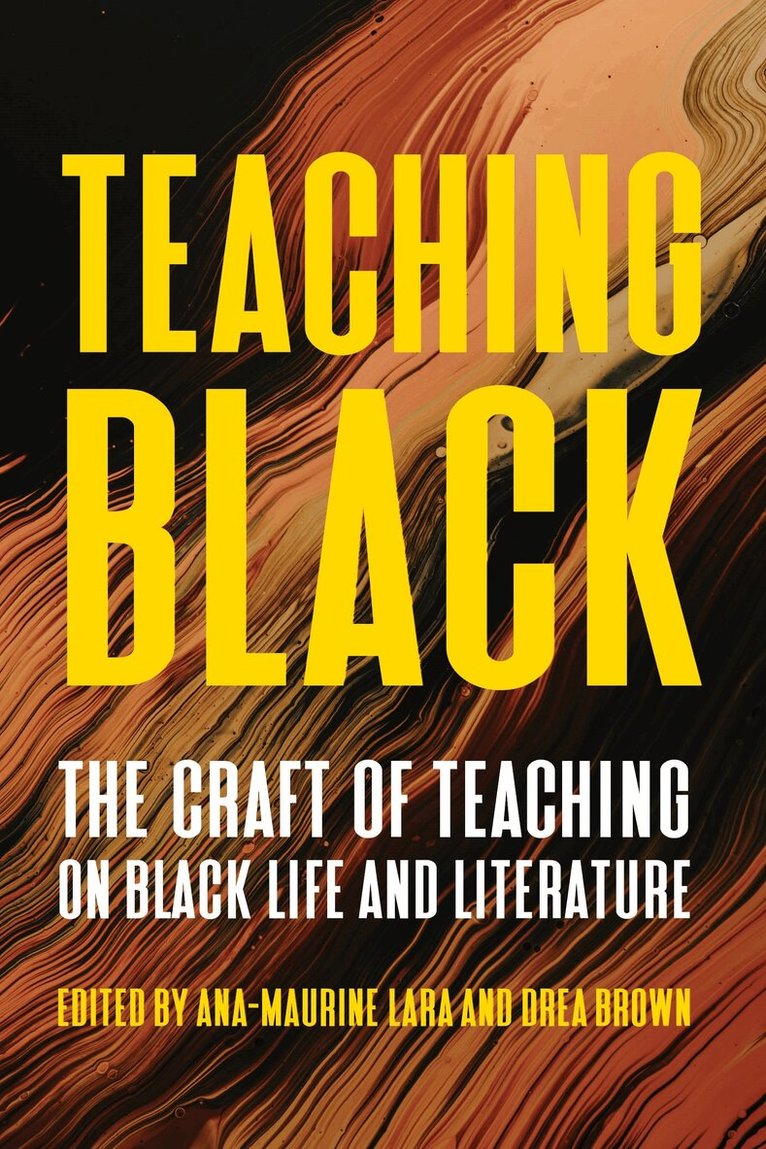
Teaching Black: The Craft of Teaching Black Life and Literature presents the experiences and voices of Black creative writers who are also teachers. The authors presented here write and teach across a variety of genres and at numerous intersections, including writers of poetry, fiction, experimental fiction, playwriting, and also from creative writers who are engaged in literary studies and criticism. Contributors from this book provide practical advice, engage with historical and theoretical questions about teaching in classrooms, workshops, and community settings. Teaching Black is for teachers and students of literature and craft in high schools, colleges, community settings, and workshops. This book is an invaluable tool for teachers, practitioners, presses, organizational leaders, and change agents who are interested in providing access to, and incorporating Black literature and conversations on Black literary craft into their own work.
1 206 kr
Skickas inom 7-10 vardagar
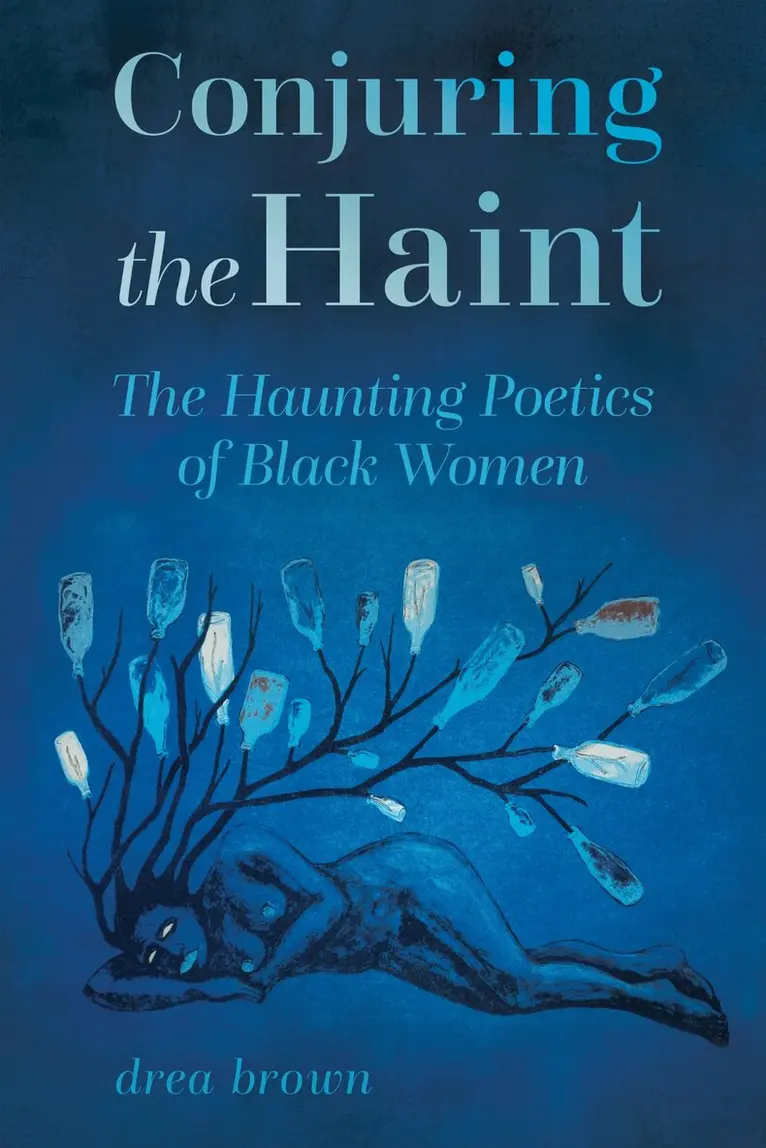
What does it mean to live as a ghost, to live with ghosts, and how might ghosts lead to a path of healing and reimagining? Through an investigation of the intimate relationship between haunting and grief, Conjuring the Haint: The Haunting Poetics of Black Women posits that for Black women, haunting is both a condition and a strategy in lived experiences and literary productions.Looking at the poetry of Phillis Wheatley, Lucille Clifton, Ntozake Shange, Lyrae Van Clief-Stefanon, and Claudia Rankine, Conjuring the Haint explores primary stereotypes of Black women. They are aligned with unruly incarnations of the haint, probing the eerie similarities between this specter and one-dimensional imaginings of Black womanhood, examining how this haintliness manifests in Black women’s elegies, the poetry of grief. Disrupting a tradition of consolation and poetic succession, Black women’s elegies rework the genre by wrestling with multiple forms of death: physical, social, and spiritual. These elegies aim both to lay to rest and to resurrect. Black women poets are then repositioned as conjurers who, through the spirit work of poetry, reckon with haints as complex figures of despair and repair.Each chapter explores the paradox of haints, as evidence of injury and loss and as a pathway to knowledge articulated by various incarnations—the hag, the banshee, and the vengeful revenant. Chapters place these against pervasive images of Mammy, Jezebel, and Sapphire. Through a pairing and dismantling of these ill-fitting myths, Conjuring the Haint refigures haints as a means of recognition and self-possession, a manifestation of the ancestral and divine.
357 kr
Skickas inom 7-10 vardagar
What does it mean to live as a ghost, to live with ghosts, and how might ghosts lead to a path of healing and reimagining? Through an investigation of the intimate relationship between haunting and grief, Conjuring the Haint: The Haunting Poetics of Black Women posits that for Black women, haunting is both a condition and a strategy in lived experiences and literary productions.Looking at the poetry of Phillis Wheatley, Lucille Clifton, Ntozake Shange, Lyrae Van Clief-Stefanon, and Claudia Rankine, Conjuring the Haint explores primary stereotypes of Black women. They are aligned with unruly incarnations of the haint, probing the eerie similarities between this specter and one-dimensional imaginings of Black womanhood, examining how this haintliness manifests in Black women’s elegies, the poetry of grief. Disrupting a tradition of consolation and poetic succession, Black women’s elegies rework the genre by wrestling with multiple forms of death: physical, social, and spiritual. These elegies aim both to lay to rest and to resurrect. Black women poets are then repositioned as conjurers who, through the spirit work of poetry, reckon with haints as complex figures of despair and repair.Each chapter explores the paradox of haints, as evidence of injury and loss and as a pathway to knowledge articulated by various incarnations—the hag, the banshee, and the vengeful revenant. Chapters place these against pervasive images of Mammy, Jezebel, and Sapphire. Through a pairing and dismantling of these ill-fitting myths, Conjuring the Haint refigures haints as a means of recognition and self-possession, a manifestation of the ancestral and divine.