D.T. Potts – författare
Visar alla böcker från författaren D.T. Potts. Handla med fri frakt och snabb leverans.
6 produkter
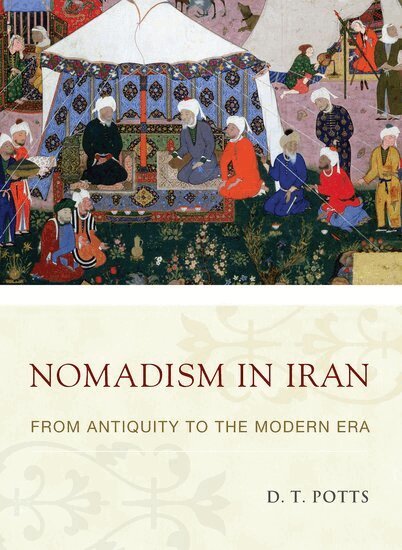
Nomadism in Iran
From Antiquity to the Modern Era
Av D.T. Potts
Häftad, 2016
1216 kr
Lägg i varukorg
The classic images of Iranian nomads in circulation today and in years past suggest that Western awareness of nomadism is a phenomenon of considerable antiquity. Though nomadism has certainly been a key feature of Iranian history, it has not been in the way most modern archaeologists have envisaged …
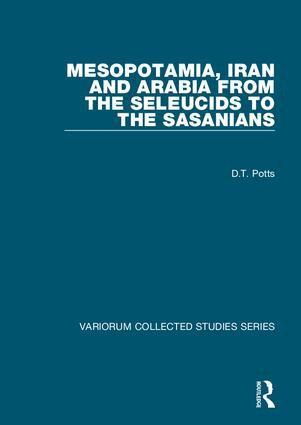
Mesopotamia, Iran and Arabia from the Seleucids to the Sasanians
Av D.T. Potts
Inbunden, 2010
2578 kr
Lägg i varukorg
This volume focuses on the period between the conquest of the Achaemenid empire by Alexander the Great and the advent of Islam, dominated in the central regions of the Near East by the Seleucid, the Parthian and the finally the Sasanian dynasties. Historiographically speaking, these periods have …
Albert Houtum Schindler: A Remarkable Polymath in Late-Qajar Iran
Av D.T. Potts
E-bok, 2023
537 kr
Lägg i varukorg
Widely regarded in his lifetime as the greatest living authority on all things Iranian , across an enormous range of disciplines, Albert Houtum Schindler lived and worked in Iran from 1868 to 1911. All who either met or corresponded with him came away praising his encyclopaedic knowledge and …
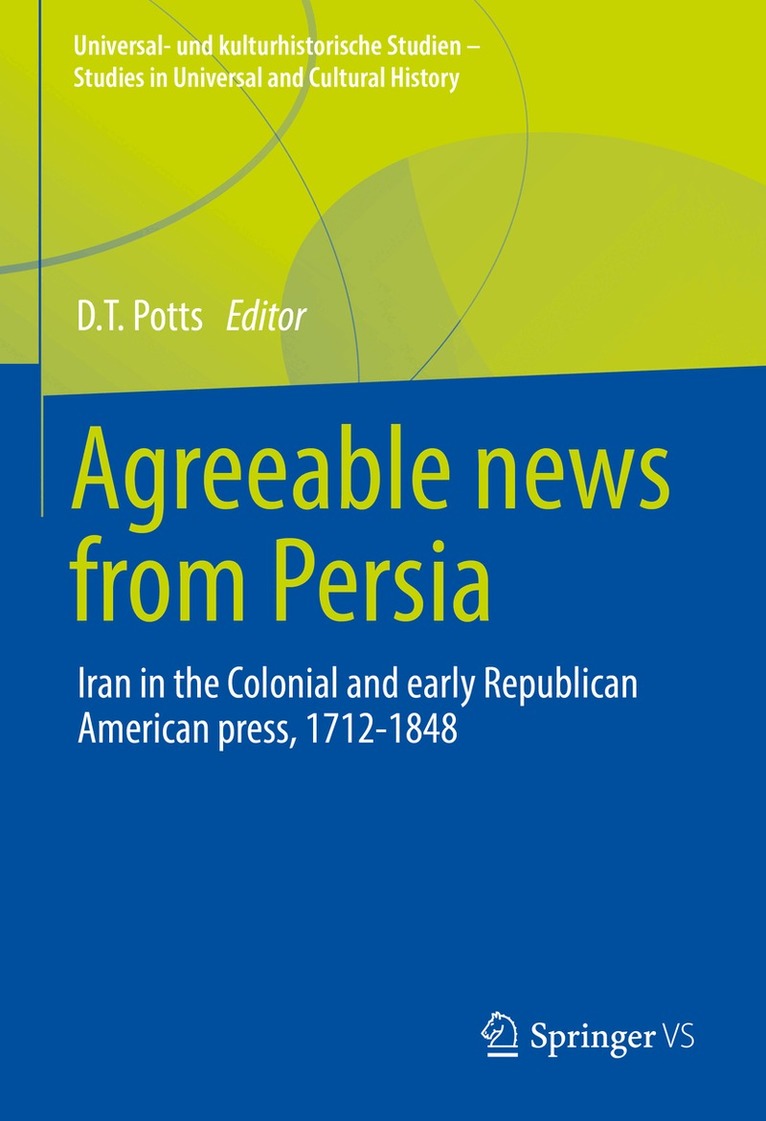
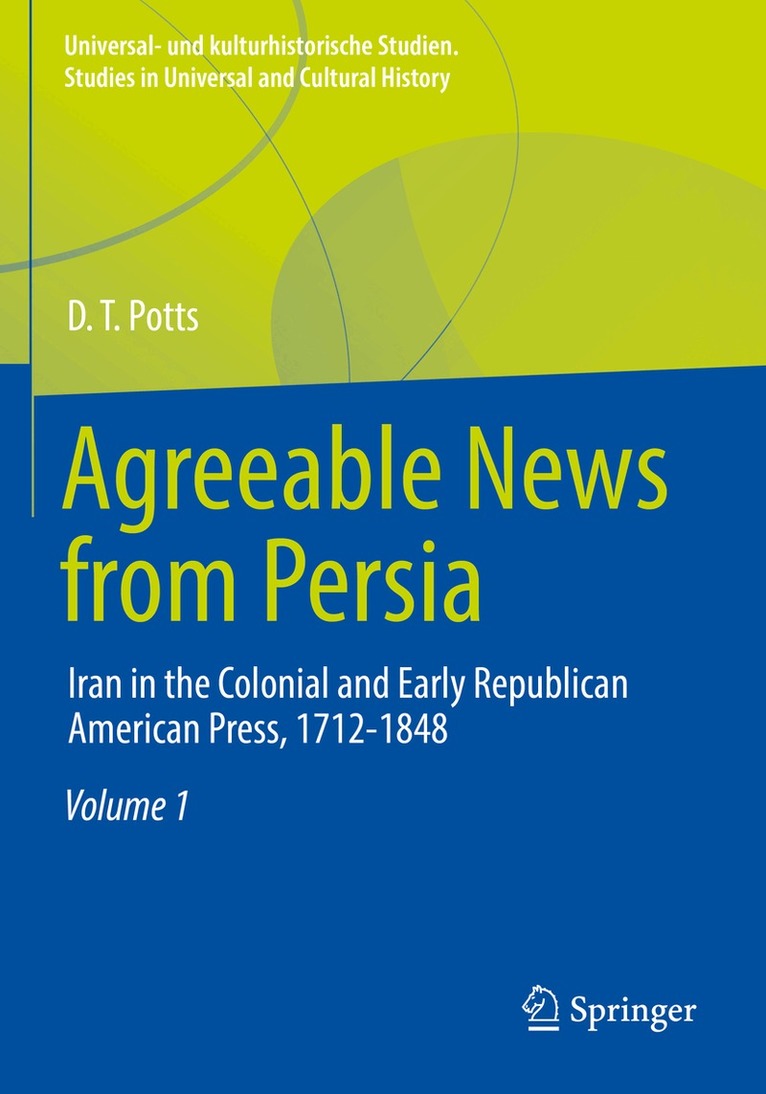
Agreeable News from Persia
Iran in the Colonial and Early Republican American Press, 1712-1848
Av D.T. Potts
2022
2916 kr
Lägg i varukorg
Eighteenth and nineteenth century European, British and American newspapers constitute a rich and largely untapped source of contemporary, often eyewitness accounts of historical events and opinions concerning Iran from the late Safavid (1712) through the Qajar (c. 1797-1920) period. This study …
Agreeable News from Persia
Iran in the Colonial and Early Republican American Press, 1712-1848
Av D.T. Potts
E-bok, 2022
3348 kr
Lägg i varukorg
Eighteenth and nineteenth century European, British and American newspapers constitute a rich and largely untapped source of contemporary, often eyewitness accounts of historical events and opinions concerning Iran from the late Safavid (1712) through the Qajar (c. 1797-1920) period. This study …
Agreeable News from Persia
Iran in the Colonial and Early Republican American Press, 1712-1848
Av D.T. Potts
2023
2916 kr
Lägg i varukorg
Eighteenth and nineteenth century European, British and American newspapers constitute a rich and largely untapped source of contemporary, often eyewitness accounts of historical events and opinions concerning Iran from the late Safavid (1712) through the Qajar (c. 1797-1920) period. This study …