E. Jane Burns - Böcker
Visar alla böcker från författaren E. Jane Burns. Handla med fri frakt och snabb leverans.
6 produkter
6 produkter
453 kr
Skickas inom 10-15 vardagar
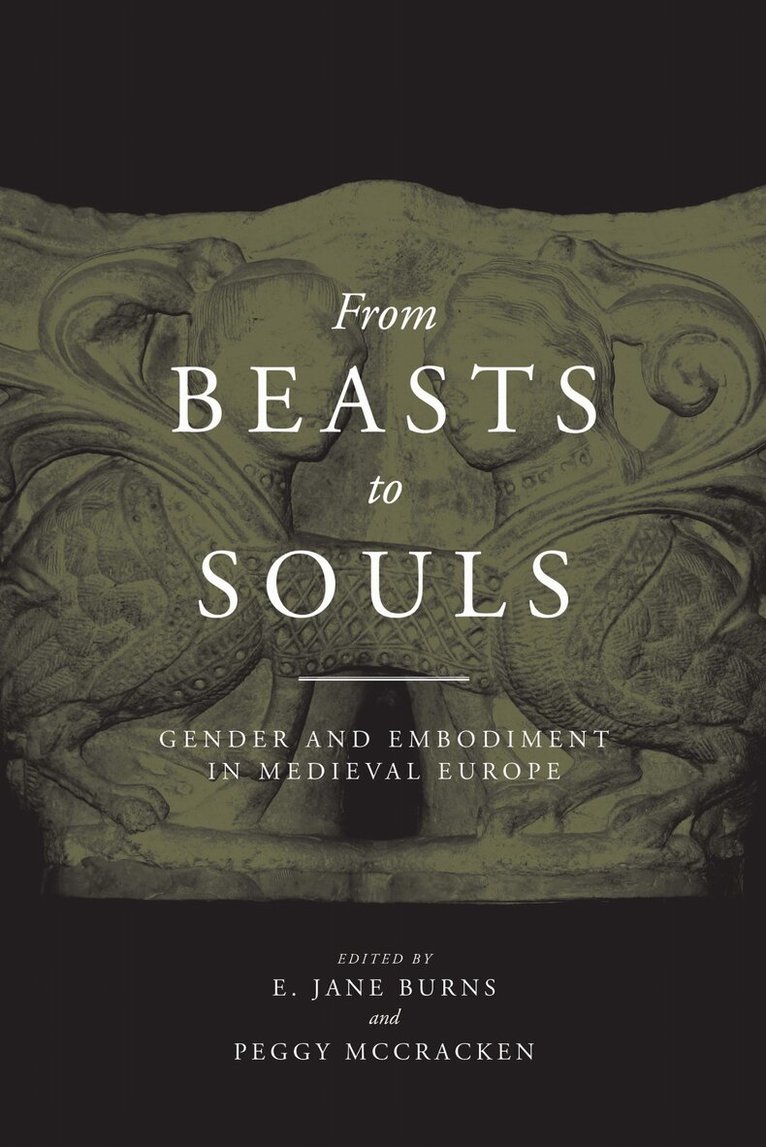
The Middle Ages provides a particularly rich trove of hybrid creatures, semi-human beings, and composite bodies: we need only consider manuscript pages and stone capitals in Romanesque churches to picture the myriad figures incorporating both human and animal elements that allow movement between, and even confusion of, components of each realm.From Beasts to Souls: Gender and Embodiment in Medieval Europe raises the issues of species and gender in tandem, asking readers to consider more fully what happens to gender in medieval representations of nonhuman embodiment. The contributors reflect on the gender of stones and the soul, of worms and dragons, showing that medieval cultural artifacts, whether literary, historical, or visual, do not limit questions of gender to predictable forms of human or semi-human embodiment. By expanding what counts as "the body" in medieval cultural studies, the essays shift our understanding of gendered embodiment and articulate new perspectives on its range, functions, and effects on a broader theoretical spectrum. Drawing on depictions of differently bodied creatures in the Middle Ages, they dislodge and reconfigure long-standing views of the body as always human and the human body as merely male and female. The essays address a number of cultural contexts and academic disciplines: from French and English literature to objects of Germanic and Netherlandish material culture, from theological debates to literary concerns with the soul. They engage with issues of gender and embodiment located in stones, skeletons, and snake tails, swan-knights, and werewolves, along with a host of other unexpected places in a thought-provoking addition to somatic cultural history.
361 kr
Skickas inom 10-15 vardagar
Contemporary feminist readers have argued that old French literary representations of women-from the excessively beautiful lady of courtly romance to the lascivious shrew of fabliau and farce-are the products of misogynous male imagination and fantasy.In Bodytalk, E. Jane Burns contends that female protagonists in medieval texts authored by men can be heard to talk back against the stereotyped and codified roles that their fictive anatomy is designed to convey. She investigates key moments in which the words of these medieval "women" dissent from and significantly restructure the conceptions of female sexuality, wifely obedience, courtly love, and adultery that are so often used to define and delimit femininity in the French Middle Ages. Burns provides the feminist reader of medieval literature with a strategy for reinterpreting the female body in its stereotyped, fetishized, and fantasized for. Arguing that the gendered body mattters in our reading of female protagonists, she shows how women characters can rewrite, through their attributed speech, the narratives that define and contain them.Bodytalk is an incisive, polemical, sophisticated, and often witty book about the gender issues that are raised by the very presence of female characters in male-authored texts. It brings recent feminist theory to bear upon the discussion of medieval texts, and contributes significantly to current feminist criticism by offering historically specific accounts of some of the founding moments of western conceptions of love, desire, and sexuality.A volume in the New Cultural Studies series.
378 kr
Skickas inom 10-15 vardagar
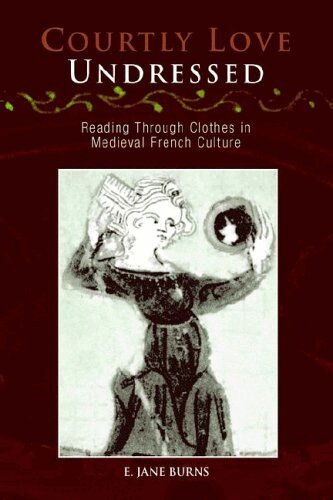
Clothing was used in the Middle Ages to mark religious, military, and chivalric orders, lepers, and prostitutes. The ostentatious display of luxury dress more specifically served as a means of self-definition for members of the ruling elite and the courtly lovers among them. In Courtly Love Undressed, E. Jane Burns unfolds the rich display of costly garments worn by amorous partners in literary texts and other cultural documents in the French High Middle Ages.Burns "reads through clothes" in lyric, romance, and didactic literary works, vernacular sermons, and sumptuary laws to show how courtly attire is used to negotiate desire, sexuality, and symbolic space as well as social class. Reading through clothes reveals that the expression of female desire, so often effaced in courtly lyric and romance, can be registered in the poetic deployment of fabric and adornment, and that gender is often configured along a sartorial continuum, rather than in terms of naturally derived categories of woman and man. The symbolic identification of the court itself as a hybrid crossing place between Europe and the East also emerges through Burns's reading of literary allusions to the trade, travel, and pilgrimage that brought luxury cloth to France.
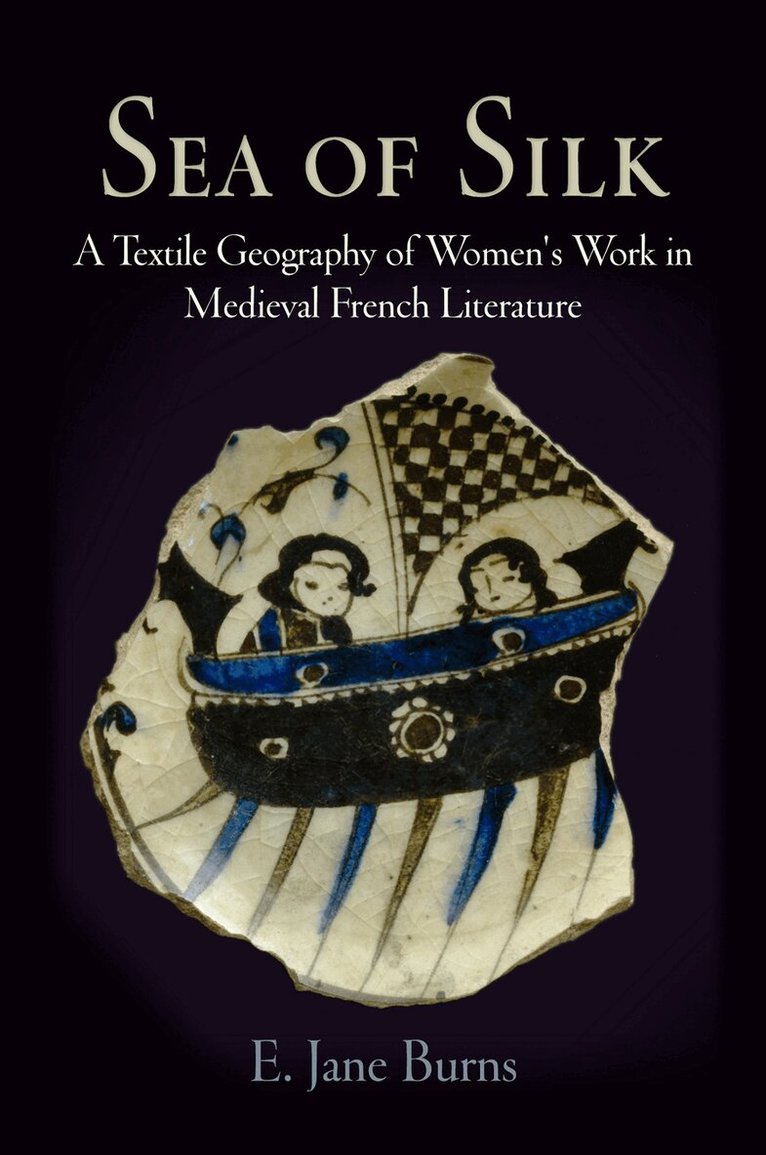
Sea of Silk
A Textile Geography of Women's Work in Medieval French Literature
Inbunden, Engelska, 2009
867 kr
Skickas inom 10-15 vardagar
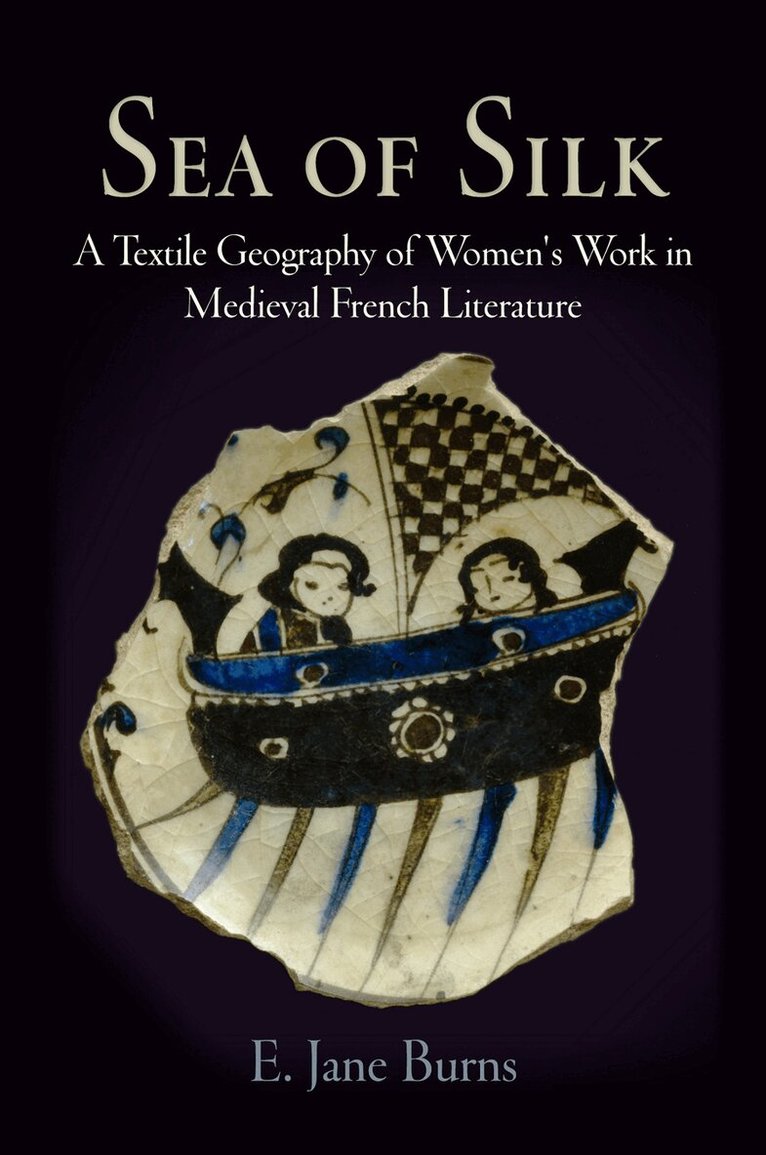
The story of silk is an old and familiar one, a tale involving mercantile travel and commercial exchange along the broad land mass that connects ancient China to the west and extending eventually to sites on the eastern Mediterranean and along sea routes to India. But if we shift our focus from economic histories that chart the exchange of silk along Asian and Mediterranean trade routes to medieval literary depictions of silk, a strikingly different picture comes into view. In Old French literary texts from the twelfth and thirteenth centuries, emphasis falls on production rather than trade and on female protagonists who make, decorate, and handle silk.Sea of Silk maps a textile geography of silk work done by these fictional women. Situated in northern France and across the medieval Mediterranean, from Saint-Denis to Constantinople, from North Africa to Muslim Spain, and even from the fantasy realm of Arthurian romance to the historical silkworks of the Norman kings in Palermo, these medieval heroines provide important glimpses of distant economic and cultural geographies. E. Jane Burns argues, in brief, that literary portraits of medieval heroines who produce and decorate silk cloth or otherwise manipulate items of silk outline a metaphorical geography that includes France as an important cultural player in the silk economics of the Mediterranean.Within this literary sea of silk, female protagonists who "work" silk in a variety of ways often deploy it successfully as a social and cultural currency that enables them to traverse religious and political barriers while also crossing lines of gender and class.
Medieval Fabrications
Dress, Textiles, Clothwork, and Other Cultural Imaginings
Inbunden, Engelska, 2005
1 096 kr
Skickas inom 10-15 vardagar
The varied cultural functions of dress, textiles, and clothwork are used in this collection of essays to examine long-standing assumptions about the Middle Ages.
Medieval Fabrications
Dress, Textiles, Clothwork, and Other Cultural Imaginings
Häftad, Engelska, 2005
1 205 kr
Skickas inom 10-15 vardagar
The varied cultural functions of dress, textiles, and clothwork are used in this collection of essays to examine long-standing assumptions about the Middle Ages.