
Ed Brandon – författare
Visar alla böcker från författaren Ed Brandon. Handla med fri frakt och snabb leverans.
2 produkter
2 produkter
182 kr
Skickas
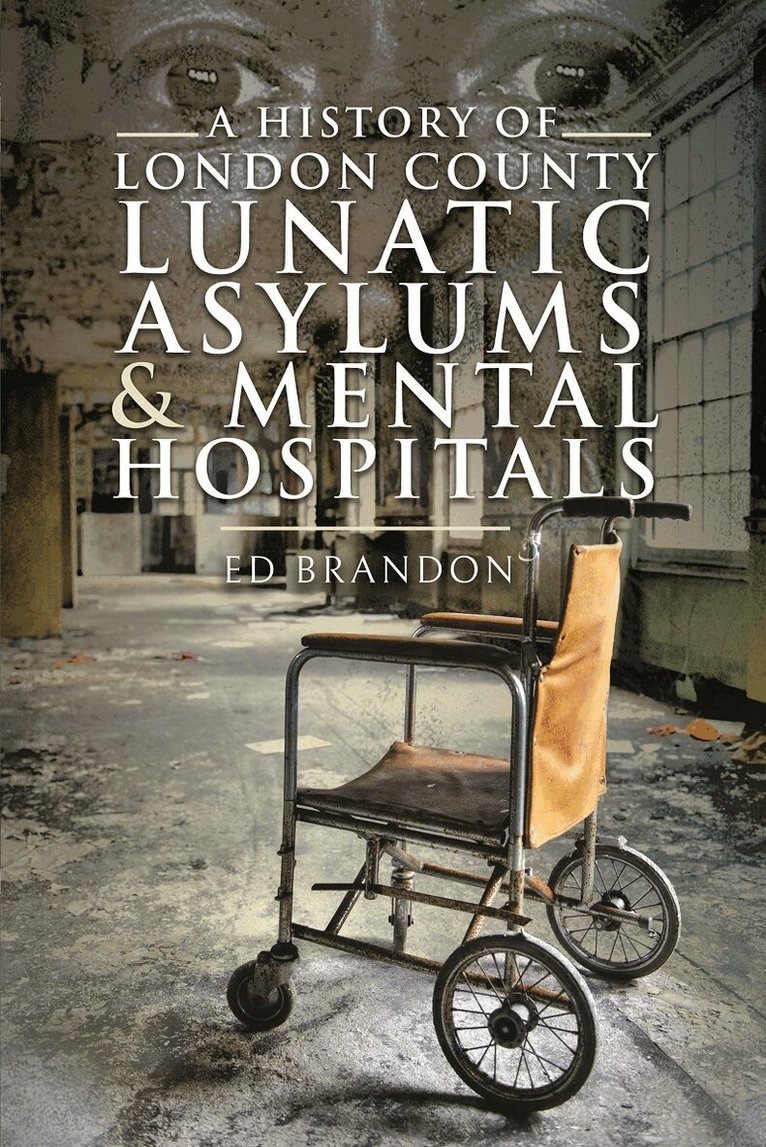
From the Middle-Ages onwards, London's notorious Bedlam lunatic hospital saw the city's mad' locked away in dank cells, neglected and abused and without any real cure and little comfort. The unprecedented growth of the metropolis after the Industrial Revolution saw a perceived epidemic' of madness take hold, with county asylums' seen by those in power as the most humane or cost-effective way to offer the mass confinement and treatment believed necessary.The county of Middlesex - to which London once belonged - would build and open three huge county asylums from 1831, and when London became its own county in 1889 it would adopt all three and go on to build or run another eight such immense institutions. Each operated much like a self-contained town; home to thousands and often incorporating its own railway, laundries, farms, gardens, kitchens, ballroom, sports pitches, surgeries, wards, cells, chapel, mortuary, and more, in order to ensure the patients never needed to leave the asylum's grounds.Between them, at their peak London's eleven county asylums were home to around 25,000 patients and thousands more staff, and dominated the physical landscape as well as the public imagination from the 1830s right up to the 1990s. Several gained a legacy which lasted even beyond their closure, as their hulking, abandoned forms sat in overgrown sites around London, refusing to be forgotten and continuing to attract the attention of those with both curious and nefarious motives.Hanwell (St Bernard's), Colney Hatch (Friern), Banstead, Cane Hill, Claybury, Bexley, Manor, Horton, St Ebba's, Long Grove, and West Park went from being known as county lunatic asylums' to mental hospitals' and beyond. Reflecting on both the positive and negative aspects of their long and storied histories from their planning and construction to the treatments and regimes adopted at each, the lives of patients and staff through to their use during wartime, and the modernisation and changes of the 20th century, this book documents their stories from their opening up to their eventual closure, abandonment, redevelopment, or destruction.
188 kr
Skickas
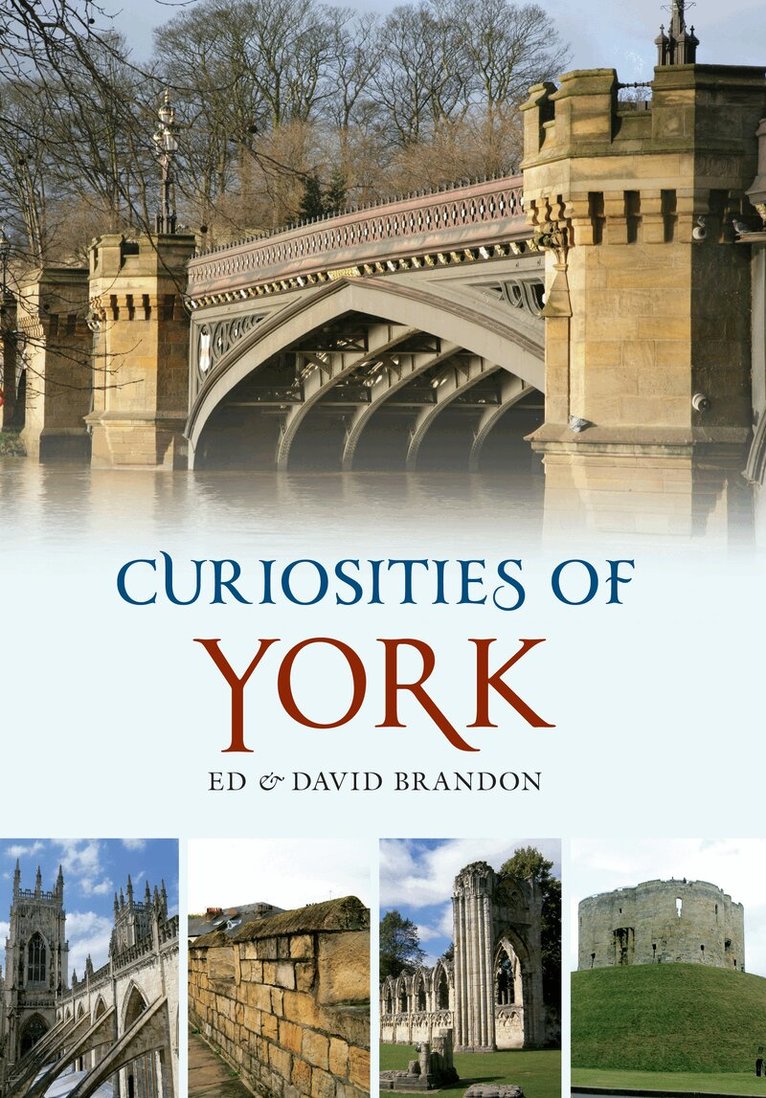
York, founded by the Romans as Eboracum, the capital of Britannia Inferior, is considered one of Europe's best-loved cities. It boasts a wealth of ancient buildings and historic associations. But although the city has a number of attractions of terrific significance, Curiosities of York concentrates on the street furniture and oddities that are easily overlooked when perambulating around its streets. A discursive and idiosyncratic A to Z, the book will introduce residents - and maybe a few locals - to such local secrets as York's labyrinth of snickelways, its twenty medieval churches, and its innumerable public houses. Father-and-son team David and Ed Brandon tour the bar walls, looking for ghosts and unusual street names, and on the way they run into Minerva, Frankie Howerd and the Devil himself. They tell the stories of York's best-known malefactors Dick Turpin and Guy Fawkes, and explore the legacy of rival railway men George Leeman and George Hudson. York is almost 2,000 years old, so no single history can hope to be exhaustive, but Curiosities of York is nevertheless brimming with unexpected treasures. Illustrated with a selection of artful black-and-white photographs, it offers a new perspective on a beloved city.