Edward G. Ballard – författare
Visar alla böcker från författaren Edward G. Ballard. Handla med fri frakt och snabb leverans.
24 produkter
Symposium on Kant
Av Edward G. Ballard, Richard L. Barber m. fl.
Häftad, 1964
552 kr
Lägg i varukorg
HE past does not change; it cannot, for what has happened T cannot be undone. Yet how are we to understand what has happened? Our perspective on it lies in the present, and is subject to continual change. These changes, made in the light of our new knowledge and new experience, call for fresh …
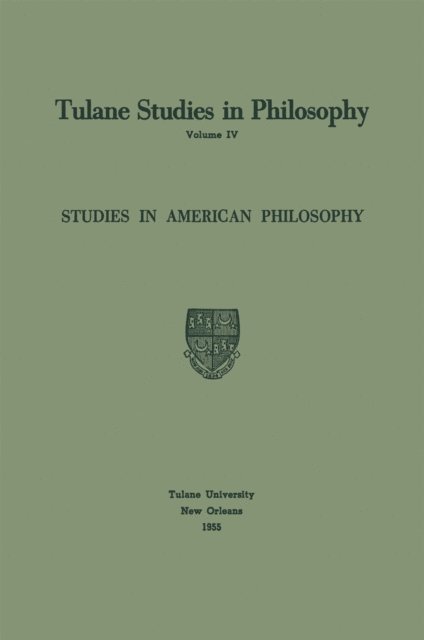
Studies in American Philosophy
Av Edward G. Ballard, James K. Feibleman m. fl.
Häftad, 1967
552 kr
Lägg i varukorg
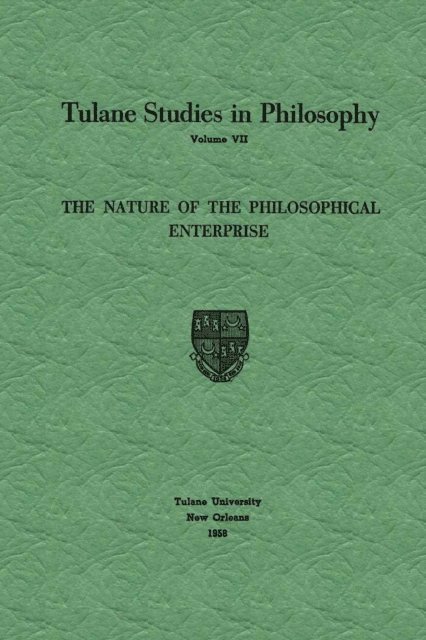
Nature of the Philosophical Enterprise
Av Edward G. Ballard, Richard L. Barber m. fl.
Häftad, 1958
552 kr
Lägg i varukorg
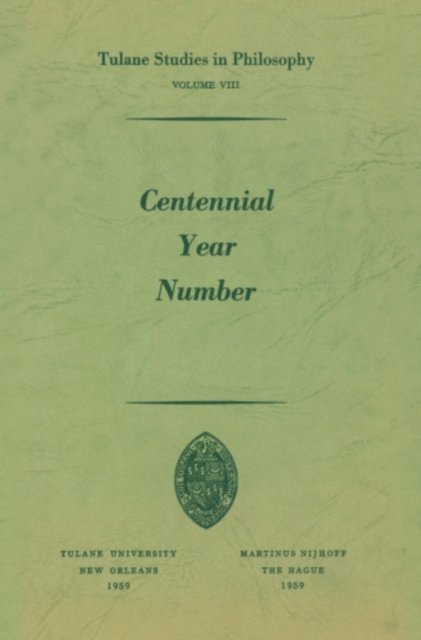
Centennial Year Number
Av James K. Feibleman, Paul G. Morrison m. fl.
Häftad, 1959
1098 kr
Lägg i varukorg
The year 1959 has been called The Centennial Year in view of the anniversary of the publication of The Origin of SPecies and the centenary of the births of many who later contributed much to the philosophy of the recent past, such as Samuel Alexander, Henri Bergson, John Dewey and Edmund Husser!' …
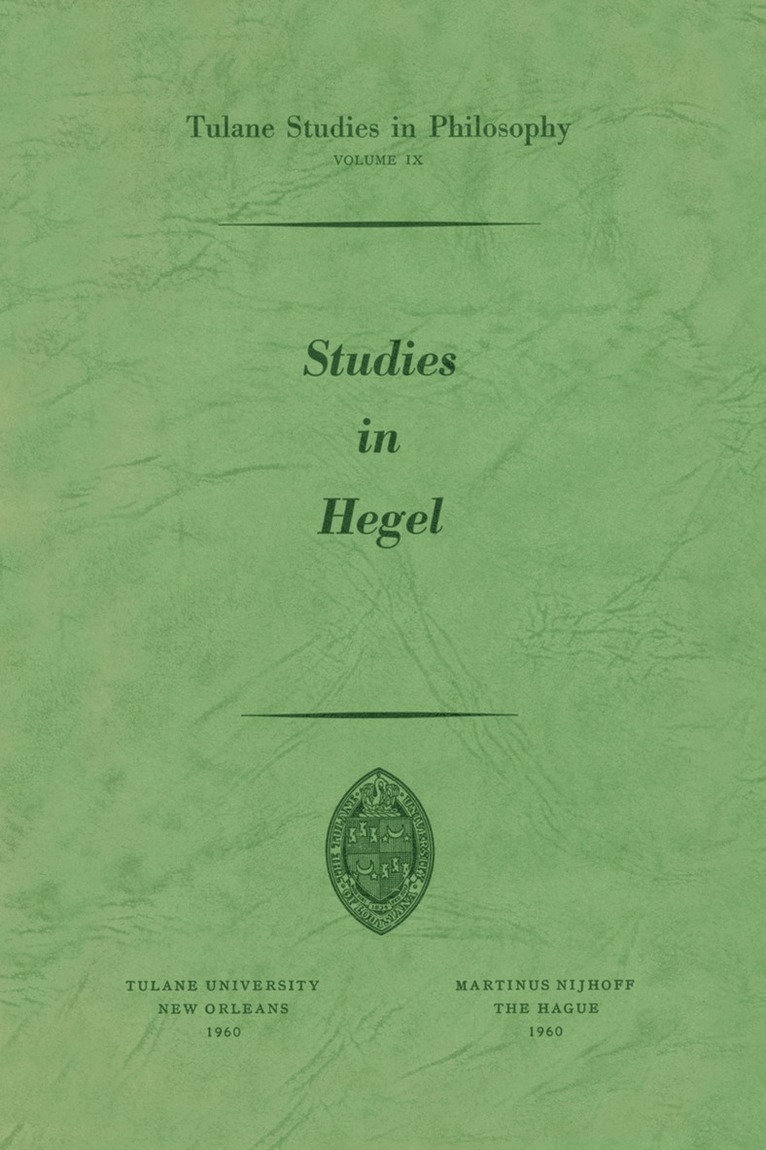
Studies in Hegel
Reprint 1960
Av Alan B. Brinkley, James K. Feibleman m. fl.
Häftad, 1969
1098 kr
Lägg i varukorg
Studies in Whitehead’s Philosophy
Av Edward G. Ballard, Alan B. Brinkley m. fl.
Häftad, 1971
552 kr
Lägg i varukorg
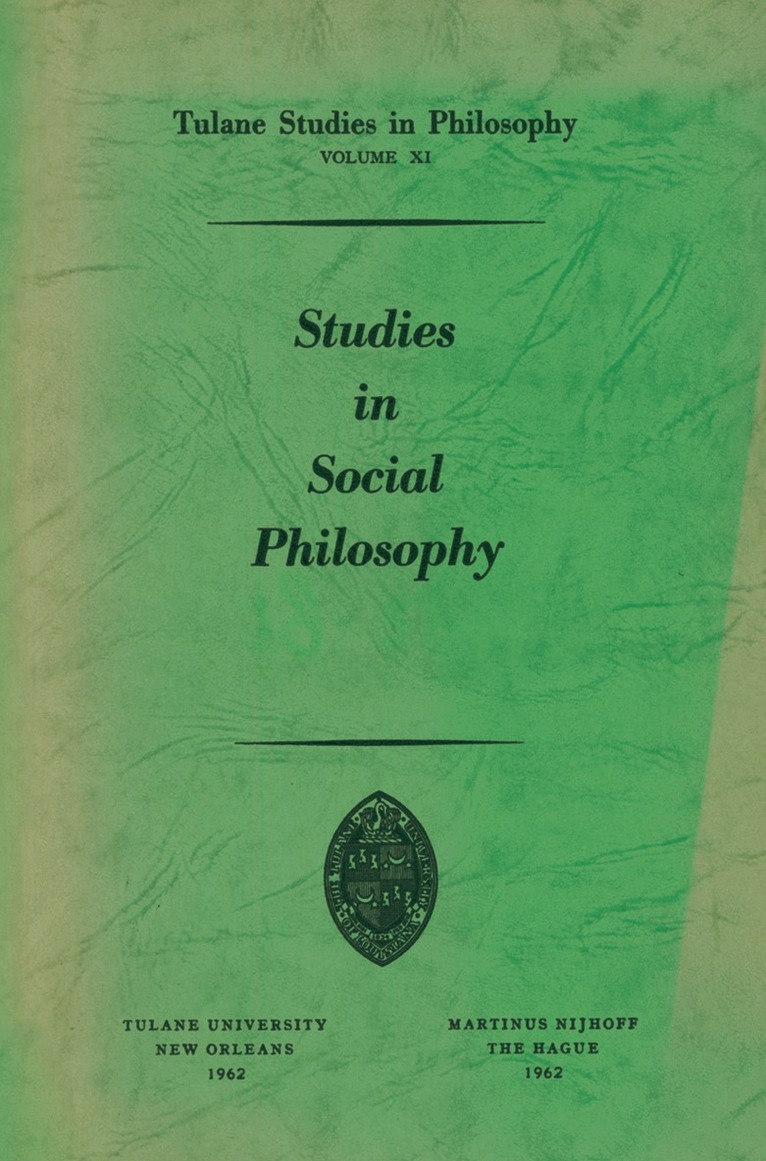
Studies in Social Philosophy
Av Edward G. Ballard, James K. Feibleman m. fl.
Häftad, 1962
1098 kr
Lägg i varukorg
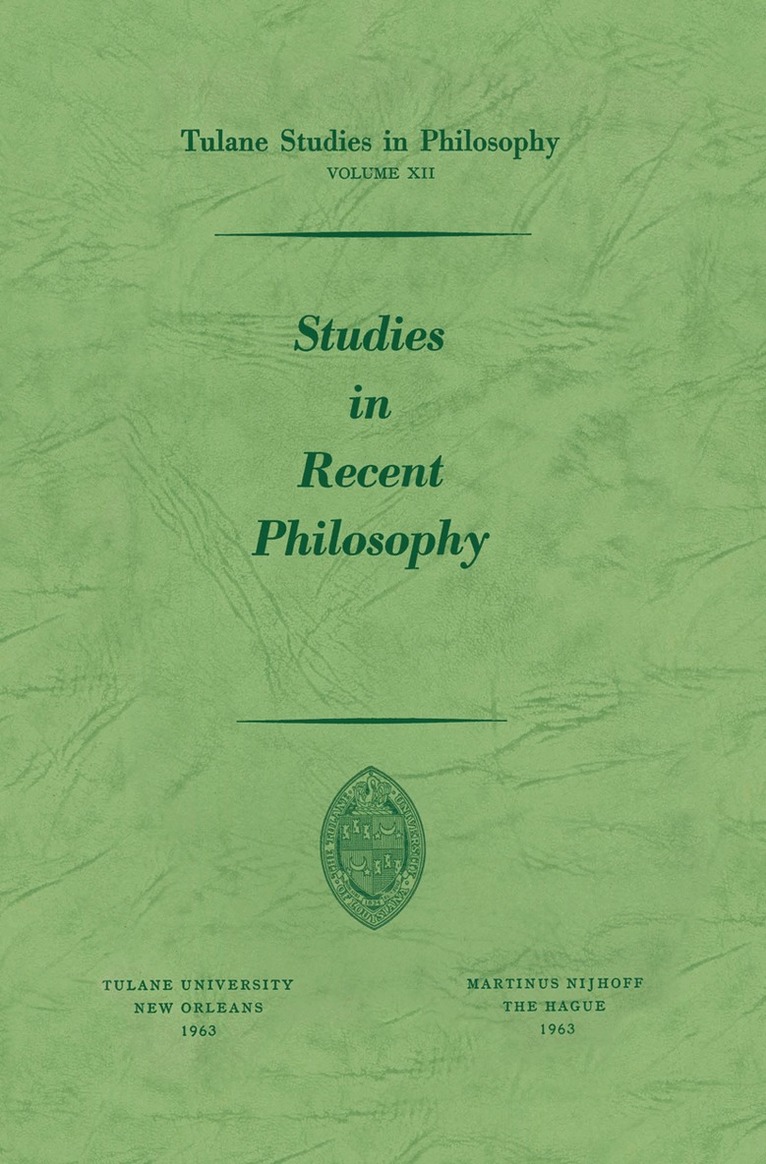
Studies in Recent Philosophy
Av Andrew J. Reck, Harold N. Lee m. fl.
Häftad, 1963
552 kr
Lägg i varukorg
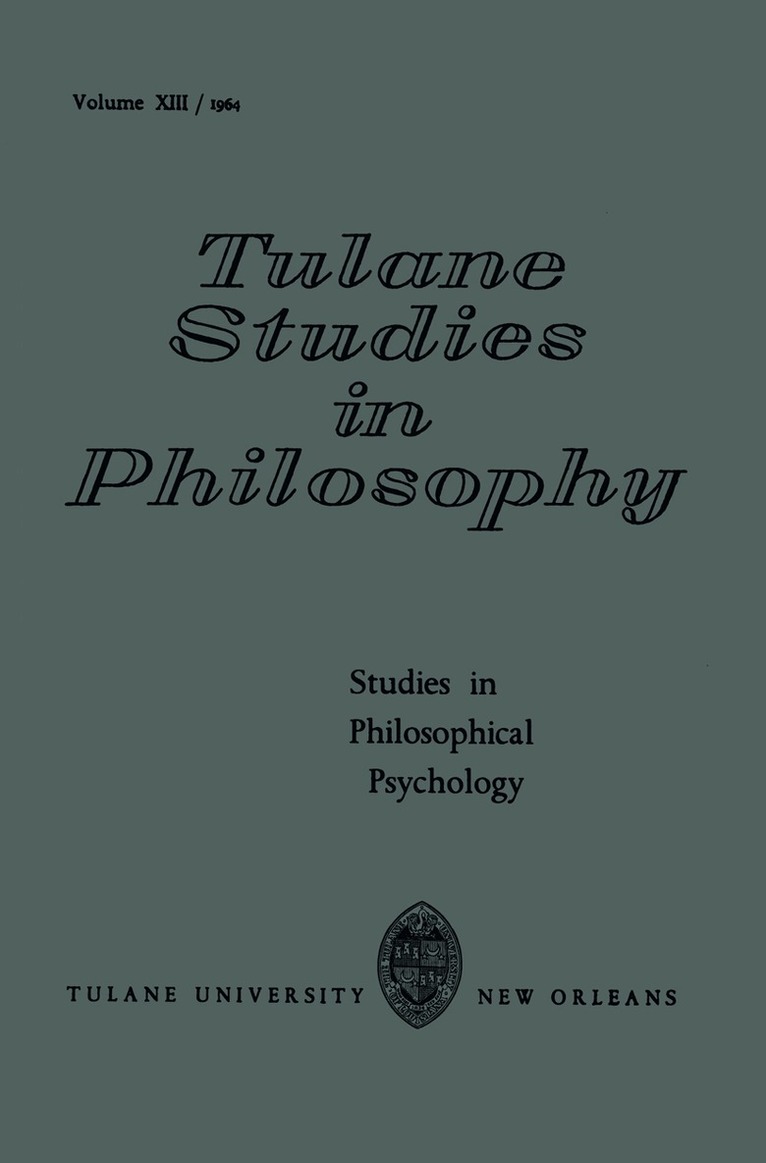
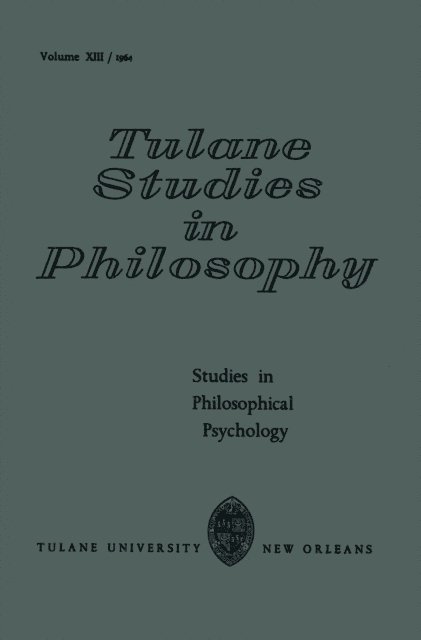
Studies in Philosophical Psychology
Av James K. Feibleman, Harold N. Lee m. fl.
Häftad, 1964
552 kr
Lägg i varukorg
Studies in Hegel
Reprint 1960
Av Edward G. Ballard, Robert C. Whittemore m. fl.
E-bok, 2012
1413 kr
Lägg i varukorg
Studies in Recent Philosophy
Av Edward G. Ballard, James K. Feibleman m. fl.
E-bok, 2012
734 kr
Lägg i varukorg
Studies in Social Philosophy
Av Robert C. Whittemore, Andrew J. Reck m. fl.
E-bok, 2012
1459 kr
Lägg i varukorg
Centennial Year Number
Av Robert C. Whittemore, Carl H. Hamburg m. fl.
E-bok, 2012
1459 kr
Lägg i varukorg
The year 1959 has been called The Centennial Year in view of the anniversary of the publication of The Origin of SPecies and the centenary of the births of many who later contributed much to the philosophy of the recent past, such as Samuel Alexander, Henri Bergson, John Dewey and Edmund Husser!'' …
Symposium on Kant
Av Robert Whittemore, Louise Nisbet Roberts m. fl.
E-bok, 2013
734 kr
Lägg i varukorg
HE past does not change; it cannot, for what has happened T cannot be undone. Yet how are we to understand what has happened? Our perspective on it lies in the present, and is subject to continual change. These changes, made in the light of our new knowledge and new experience, call for fresh …
Nature of the Philosophical Enterprise
Av Robert C. Whittemore, Louise Nisbet Roberts m. fl.
E-bok, 2012
734 kr
Lägg i varukorg
Studies in Philosophical Psychology
Av Andrew J. Reck, Robert C. Whittemore m. fl.
E-bok, 2012
734 kr
Lägg i varukorg
Studies in Whitehead's Philosophy
Av Robert C. Whittemore, Andrew J. Reck m. fl.
E-bok, 2012
710 kr
Lägg i varukorg
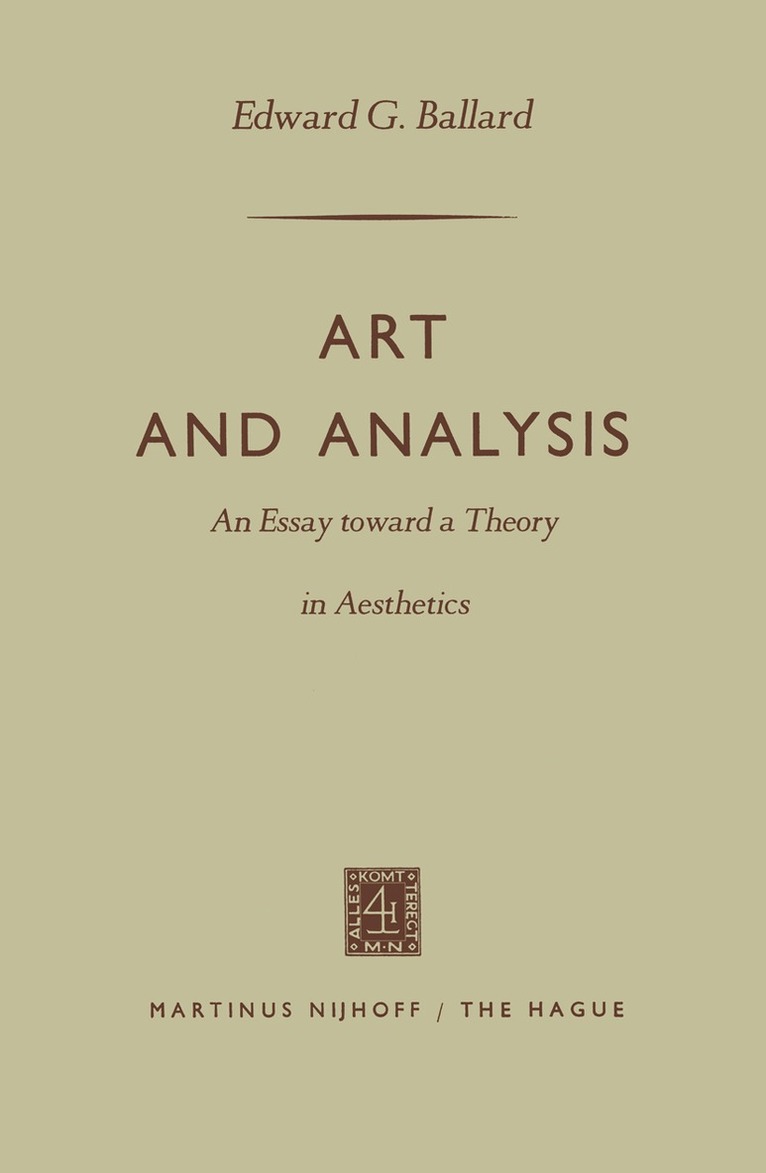
Art and Analysis
An Essay toward a Theory in Aesthetics
Häftad, 1957
569 kr
Lägg i varukorg
Aesthetics, fledgling of the philosophic brood, is the most suspect of that family. It is suspected of all the philosophical sins: vagueness, disorder, dogmatism, emotionalism, reductionism, compartmentalization. Sometimes its youth is thought to be a sufficient excuse for these divagations. …
Martin Heidegger: In Europe and America
Av Edward G. Ballard, Edward G. Ballard m. fl.
Häftad, 1973
552 kr
Lägg i varukorg
When Heidegger's influence was at its zenith in Germany from the early fifties to the early sixties, most serious students of philosophy in that country were deeply steeped in his thought. His students or students of his students filled many if not most of the major chairs in philosophy. A cloud of …
Art and Analysis
An Essay toward a Theory in Aesthetics
E-bok, 2012
755 kr
Lägg i varukorg
Aesthetics, fledgling of the philosophic brood, is the most suspect of that family. It is suspected of all the philosophical sins: vagueness, disorder, dogmatism, emotionalism, reductionism, compartmentalization. Sometimes its youth is thought to be a sufficient excuse for these divagations. …
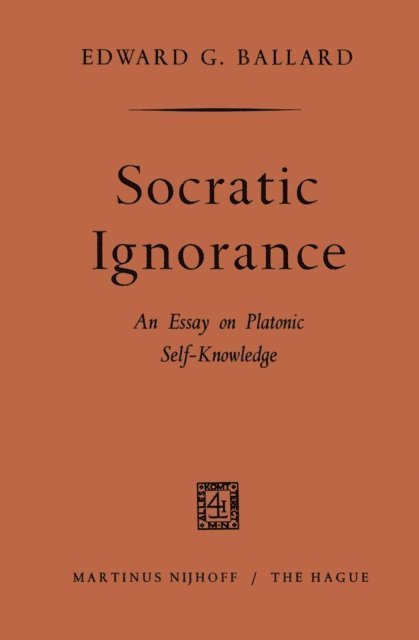
Socratic ignorance
E-bok, 2012
1174 kr
Lägg i varukorg
This book is intended to offer an interpretation of an important aspect of Plato''s philosophy. The matter to be interpreted will be the Platonic myths and doctrines which bear upon self-knowledge and self-ignorance. It is difficult to say in a word just what sort of thing an interpretation is. …
Studies in American Philosophy
Av Robert C. Whittemore, Louise Nisbet Roberts m. fl.
E-bok, 2013
734 kr
Lägg i varukorg