Edward J Brown - Böcker
Visar alla böcker från författaren Edward J Brown. Handla med fri frakt och snabb leverans.
3 produkter
3 produkter
2 176 kr
Skickas inom 10-15 vardagar
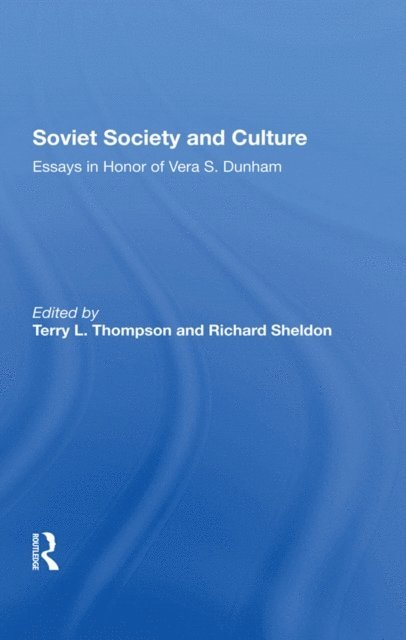
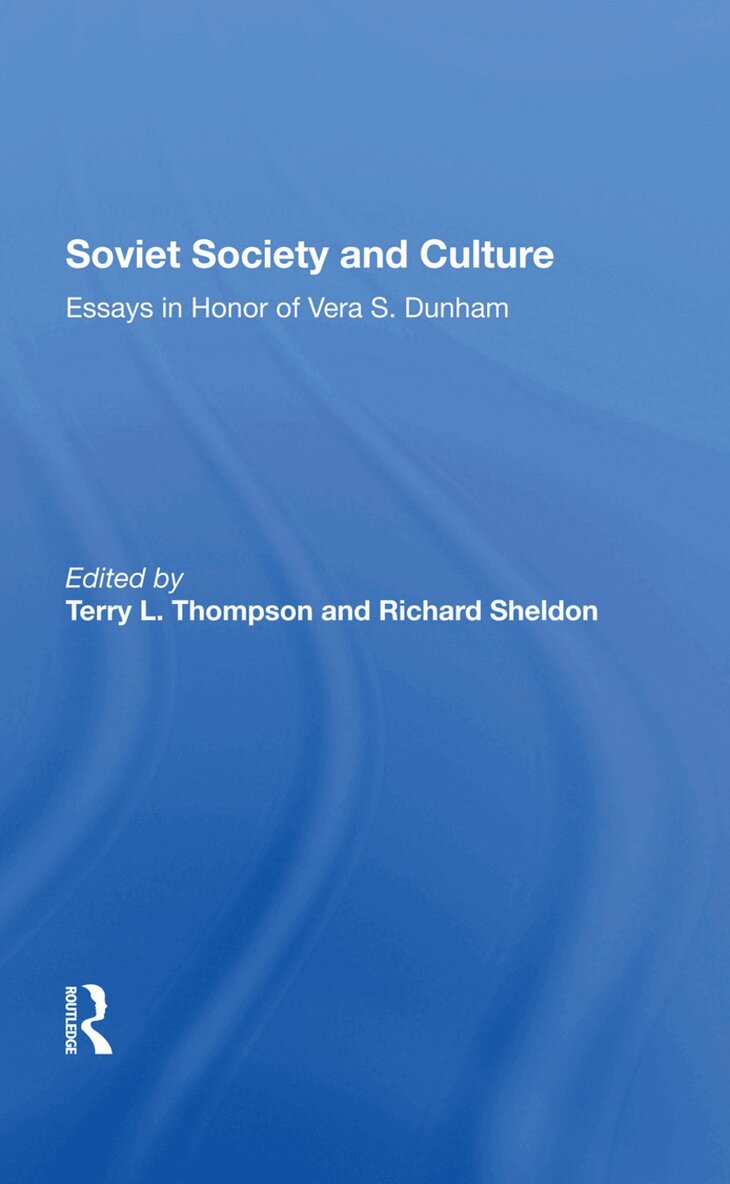
Academic analysis has not always kept pace with the dramatic changes that have occurred in the USSR since Stalin’s time, for objective study has often been overshadowed—especially in the 1980s—by publicity concerning the negative aspects of the “Evil Empire.” Recently, however, because of reforms initiated by Gorbachev, the dynamics of the Soviet system have come into sharper focus. This book provides a wide-ranging, detailed view of economic, social, ideological, and literary aspects of the Soviet system leading up to the Gorbachev era. The essays include both historical and contemporary perspectives on the sources of stability (and stagnation) in the post-Stalin years. Examining the intricate fabric of Soviet society, the contributors provide insights into the social and cultural motivations for Gorbachev’s “restructuring” policies. Their themes echo the work of Vera S. Dunham, who for more than four decades has focused on diverse aspects of Soviet society and culture, particularly on the noncoercive means of social control that have often been overlooked but that are a vital component of the Soviet system.
637 kr
Skickas inom 10-15 vardagar
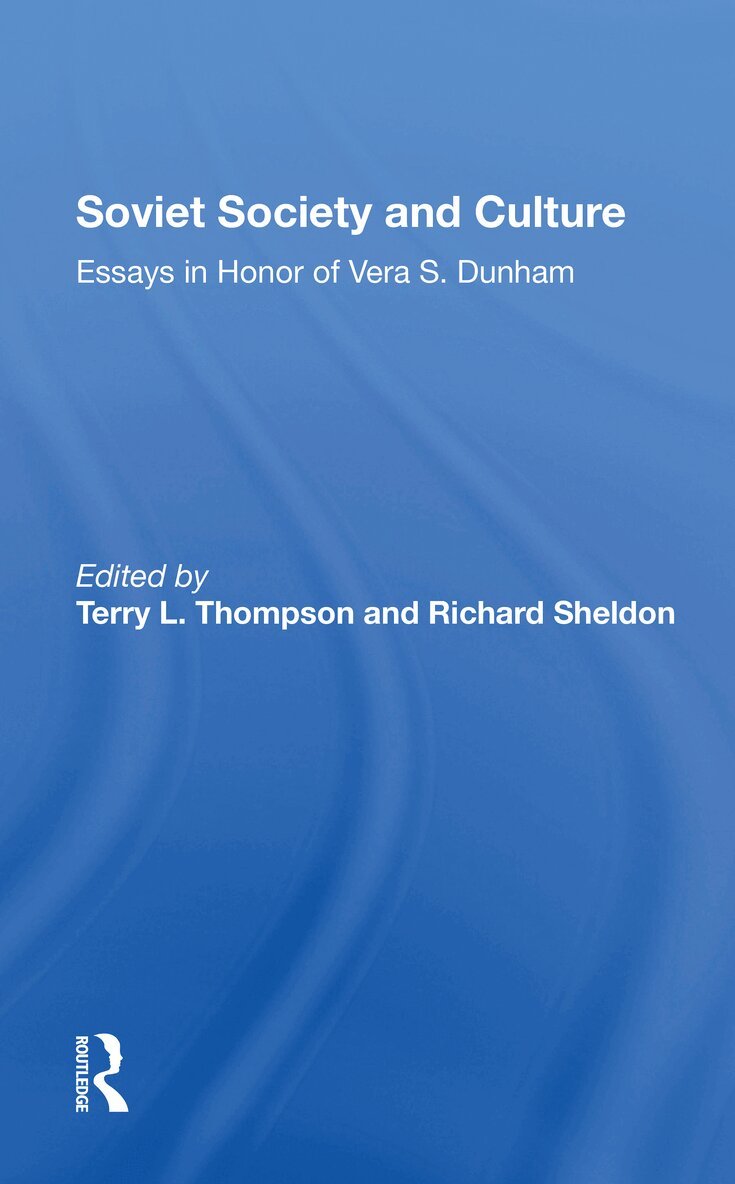
Academic analysis has not always kept pace with the dramatic changes that have occurred in the USSR since Stalin’s time, for objective study has often been overshadowed—especially in the 1980s—by publicity concerning the negative aspects of the “Evil Empire.” Recently, however, because of reforms initiated by Gorbachev, the dynamics of the Soviet system have come into sharper focus. This book provides a wide-ranging, detailed view of economic, social, ideological, and literary aspects of the Soviet system leading up to the Gorbachev era. The essays include both historical and contemporary perspectives on the sources of stability (and stagnation) in the post-Stalin years. Examining the intricate fabric of Soviet society, the contributors provide insights into the social and cultural motivations for Gorbachev’s “restructuring” policies. Their themes echo the work of Vera S. Dunham, who for more than four decades has focused on diverse aspects of Soviet society and culture, particularly on the noncoercive means of social control that have often been overlooked but that are a vital component of the Soviet system.
554 kr
Skickas inom 10-15 vardagar
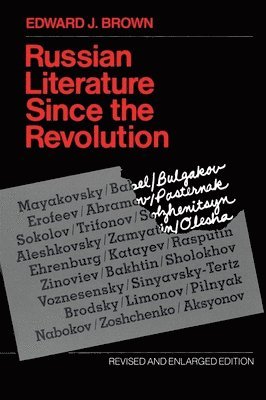
Long recognized as the best and most comprehensive work on its subject, Brown’s fine book is now thoroughly revised and updated. It provides a comprehensive treatment of Russian literature, including underground and émigré writings, from 1917 to the early 1980s.Every stage in the evolution of Russian literature since 1917, every major author, all the important literary organizations, groups, and movements, are sharply outlined, with a wealth of often unfamiliar detail and a notable economy of means. Critical essays on Mayakovsky, Zamyatin, Olesha, Pasternak, Brodsky, Solzhenitsyn, Rasputin, Erofeev, and many others offer sophisticated formal and thematic analyses of a very large array of literary masterpieces.The book examines and makes intelligible the persistent conflict between the writer and the state, between the literary artist’s urge for untrammeled self-expression and the pervasive control of intellectual activity exercised by the Soviet government. Chapters on “The Levers of Control under Stalin,” “The First Two Thaws,” “Into the Underground,” and “Solzhenitsyn and the Epic of the Camps” reveal the conditions under which Russian literature was produced in various periods and investigate the forces that drove an important segment of the literature into clandestine publication or into exile. “Exiles, Early and Late” deals with some of the leading figures in émigré literature and examines the condition of exile as an influence on literary creation. “The Surface Channel” describes and analyzes a number of significant works published aboveground in the Soviet Union during the sixties and seventies. Brown abandons the old distinction between Soviet and émigré literature, treating all Russian writing as part of a single stream, divided since 1917 into two currents not totally separate but subtly interrelated.