Ekmeleddin Ihsanoglu – författare
Visar alla böcker från författaren Ekmeleddin Ihsanoglu. Handla med fri frakt och snabb leverans.
18 produkter
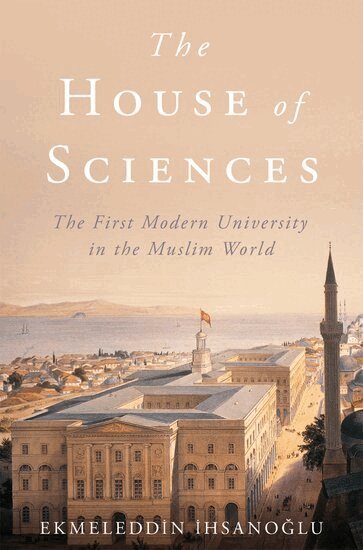
The House of Sciences
The First Modern University in the Muslim World
Inbunden, 2019
1433 kr
Lägg i varukorg
Following a string of military defeats at the end of the eighteenth century, Ottoman leaders realized that their classical traditions and institutions could not compete with Russia and the European states' technological and economic superiority.One of a series of nineteenth-century reform …
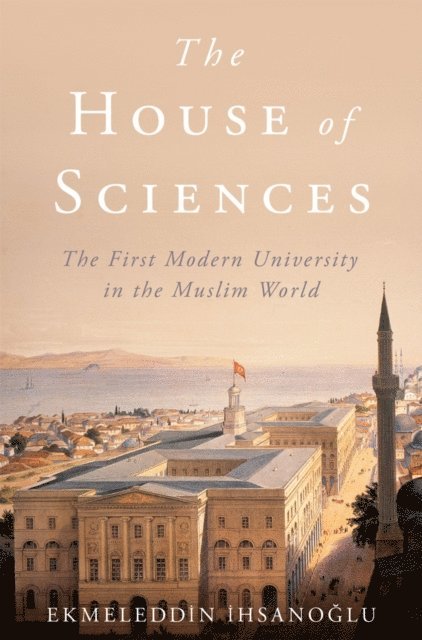
House of Sciences
The First Modern University in the Muslim World
E-bok, 2019
1246 kr
Lägg i varukorg
Following a string of military defeats at the end of the eighteenth century, Ottoman leaders realized that their classical traditions and institutions could not compete with Russia and the European states'' technological and economic superiority.One of a series of nineteenth-century reform …
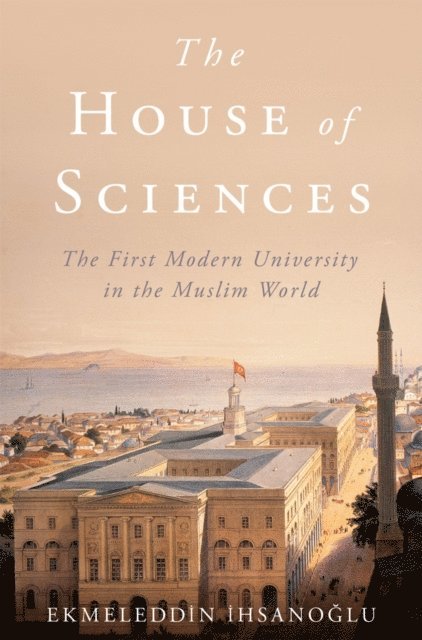
House of Sciences
The First Modern University in the Muslim World
E-bok, 2019
1246 kr
Lägg i varukorg
Following a string of military defeats at the end of the eighteenth century, Ottoman leaders realized that their classical traditions and institutions could not compete with Russia and the European states'' technological and economic superiority.One of a series of nineteenth-century reform …
Studies on Ottoman Science and Culture
Inbunden, 2020
2513 kr
Lägg i varukorg
Studies on Ottoman Science and Culture brings together eleven articles by distinguished historian Ekmeleddin İhsanoğlu.The book addresses multiple issues related to the histories of science and culture during the Ottoman era. Most of the articles contained in this volume were the first …
Studies on Ottoman Science and Culture
Häftad, 2023
648 kr
Lägg i varukorg
Studies on Ottoman Science and Culture brings together eleven articles by distinguished historian Ekmeleddin İhsanoğlu.The book addresses multiple issues related to the histories of science and culture during the Ottoman era. Most of the articles contained in this volume were the first …
Science, Technology and Learning in the Ottoman Empire
Western Influence, Local Institutions, and the Transfer of Knowledge
Inbunden, 2004
3262 kr
Lägg i varukorg
The aim of these studies is to explore the scientific activity and learning that took place within the Ottoman empire, a subject often neglected by both historians of science and of the Ottoman world. Professor Ihsanoglu has been a pioneer in this field. In several papers he analyses the continuing …
Studies on Ottoman Science and Culture
E-bok, 2020
785 kr
Lägg i varukorg
Studies on Ottoman Science and Culture brings together eleven articles by distinguished historian Ekmeleddin Ä°hsanoÄŸlu. The book addresses multiple issues related to the histories of science and culture during the Ottoman era. Most of the articles contained in this volume were the first …
Studies on Ottoman Science and Culture
E-bok, 2020
768 kr
Lägg i varukorg
Studies on Ottoman Science and Culture brings together eleven articles by distinguished historian Ekmeleddin Ä°hsanoÄŸlu. The book addresses multiple issues related to the histories of science and culture during the Ottoman era. Most of the articles contained in this volume were the first …
Abbasid House of Wisdom
Between Myth and Reality
E-bok, 2022
393 kr
Lägg i varukorg
This volume examines the library of the Abbasid caliphs, known as "The House of Wisdom" ("Bayt al-Hikma"), exploring how this important institution has been misconceived by scholars’. This book places the palace library within the framework of the multifaceted cultural and scientific activities in …
Abbasid House of Wisdom
Between Myth and Reality
E-bok, 2022
393 kr
Lägg i varukorg
This volume examines the library of the Abbasid caliphs, known as "The House of Wisdom" ("Bayt al-Hikma"), exploring how this important institution has been misconceived by scholars’. This book places the palace library within the framework of the multifaceted cultural and scientific activities in …
Abbasid House of Wisdom
Between Myth and Reality
Inbunden, 2022
1028 kr
Lägg i varukorg
This volume examines the library of the Abbasid caliphs, known as "The House of Wisdom" ("Bayt al-Hikma"), exploring how this important institution has been misconceived by scholars’.This book places the palace library within the framework of the multifaceted cultural and scientific activities in …
Abbasid House of Wisdom
Between Myth and Reality
Häftad, 2024
366 kr
Lägg i varukorg
This volume examines the library of the Abbasid caliphs, known as "The House of Wisdom" ("Bayt al-Hikma"), exploring how this important institution has been misconceived by scholars’.This book places the palace library within the framework of the multifaceted cultural and scientific activities in …
Science, Technology and Learning in the Ottoman Empire
Western Influence, Local Institutions, and the Transfer of Knowledge
E-bok, 2024
1052 kr
Lägg i varukorg
The aim of these studies is to explore the scientific activity and learning that took place within the Ottoman empire, a subject often neglected by both historians of science and of the Ottoman world. Professor Ihsanoglu has been a pioneer in this field. In several papers he analyses the continuing …
Science, Technology and Learning in the Ottoman Empire
Western Influence, Local Institutions, and the Transfer of Knowledge
E-bok, 2024
1022 kr
Lägg i varukorg
The aim of these studies is to explore the scientific activity and learning that took place within the Ottoman empire, a subject often neglected by both historians of science and of the Ottoman world. Professor Ihsanoglu has been a pioneer in this field. In several papers he analyses the continuing …
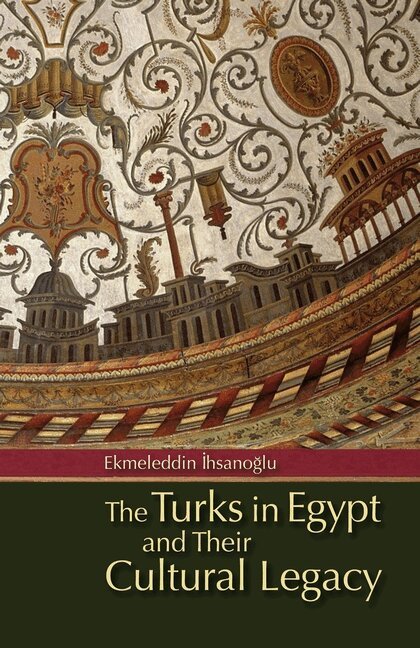
Turks in Egypt and their Cultural Legacy
E-bok, 2012
1296 kr
Lägg i varukorg
Though Egypt was ruled by Turkish-speakers through most of the period from the ninth century until 1952, the impact of Turkish culture there remains under-studied. This book deals with the period from 1805 to 1952, during which Turkish cultural patterns, spread through reforms based on those of …
Turks in Egypt and their Cultural Legacy
E-bok, 2012
1214 kr
Lägg i varukorg
Though Egypt was ruled by Turkish-speakers through most of the period from the ninth century until 1952, the impact of Turkish culture there remains under-studied. This book deals with the period from 1805 to 1952, during which Turkish cultural patterns, spread through reforms based on those of …
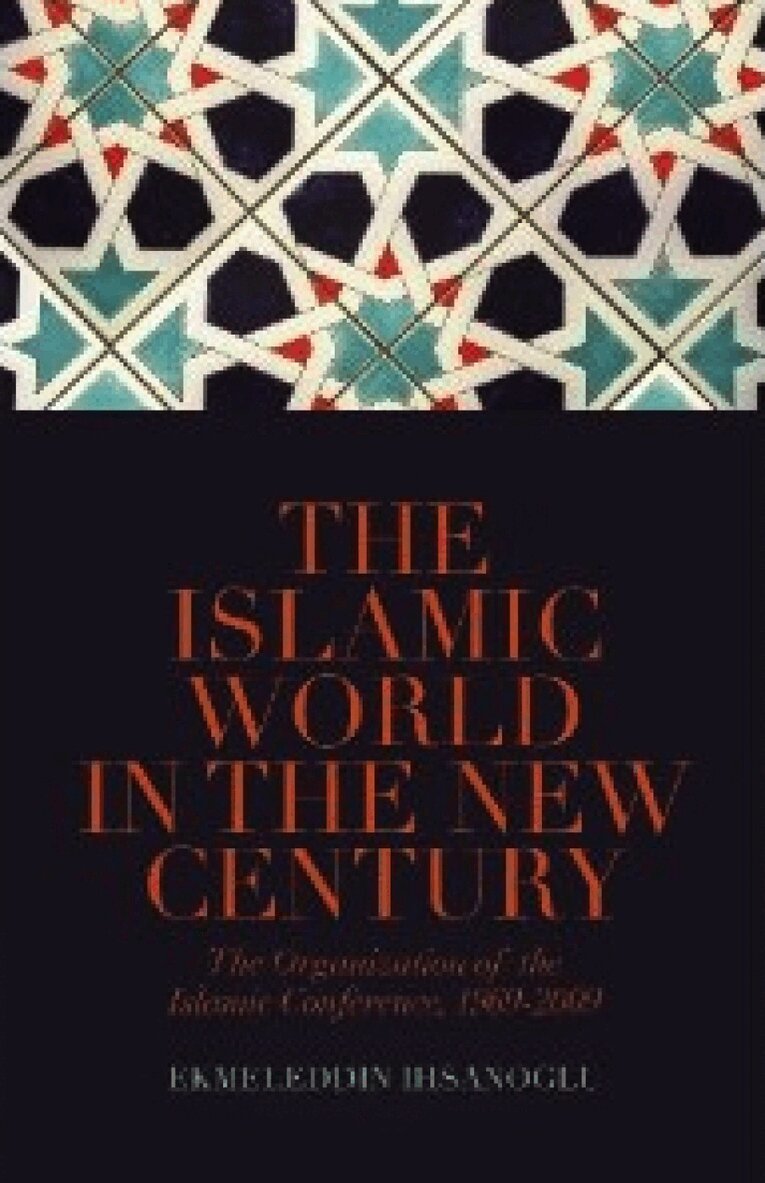
Islamic World in the New Century
The Organisation of the Islamic Conference, 1969-2009
Inbunden, 2010
633 kr
Tillfälligt slut
The Organisation of the Islamic Conference (OIC) is the Muslim world's only intergovernmental body-the largest such system operating outside of the United Nations. Based in Jeddah, Saudi Arabia, the OIC was founded forty years ago to respond to the Palestinian crisis and counts fifty-seven Muslim …
Turks in Egypt and Their Cultural Legacy
Inbunden, 2012
940 kr
Tillfälligt slut
Though Egypt was ruled by Turkish-speakers through most of the period from the ninth century until 1952, the impact of Turkish culture there remains under-studied. This book deals with the period from 1805 to 1952, during which Turkish cultural patterns, spread through reforms based on those of …