Elaine Windrich - Böcker
Visar alla böcker från författaren Elaine Windrich. Handla med fri frakt och snabb leverans.
5 produkter
5 produkter
1 009 kr
Skickas inom 10-15 vardagar
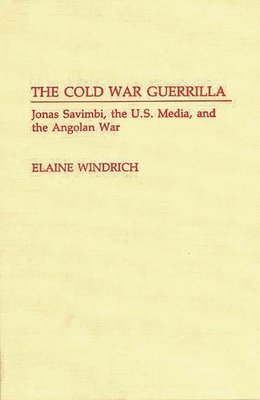
This is the first book on U.S. policy in Angola during the 1980s. Elaine Windrich shows how the Reagan administration and U.S. media inflated the importance of Jonas Savimbi and helped inflame the civil war in Angola. Pinpointing media strengths and weaknesses in shaping and in reporting on a major crisis in Africa, this ground-breaking work analyzes Savimbi as a cold war guerrilla, the role of different media segments in the dirty war in Angola, and the right-wing influence of the Reagan and Bush administrations into the 1990s. This moving and well-researched account, providing insights into how the U.S. media covers African and Third World issues, is a good text for foreign correspondents and for courses dealing with U.S. foreign policy, journalism and communications, and with Africa.The image of the Angolan rebel leader as a freedom fighter is shown to be a product largely of the U.S. media and the collaboration of right-wing lobby groups closely linked to the Reagan and Bush administrations. The resurrection of Savimbi, who represented a lost cause after his defeat in the Angolan civil war in 1976, but who was kept alive by South African support, was due to his adoption by the Reagan administration as an ally in the crusade against Third World governments supported by the Soviet Union. The study shows how the mainstream media tended to follow the administration's agenda and right-wing views in portraying Savimbi as an ally. Windrich also explains how the Bush administration and the media have continued to support Savimbi and his rebel movement.
1 735 kr
Skickas inom 10-15 vardagar
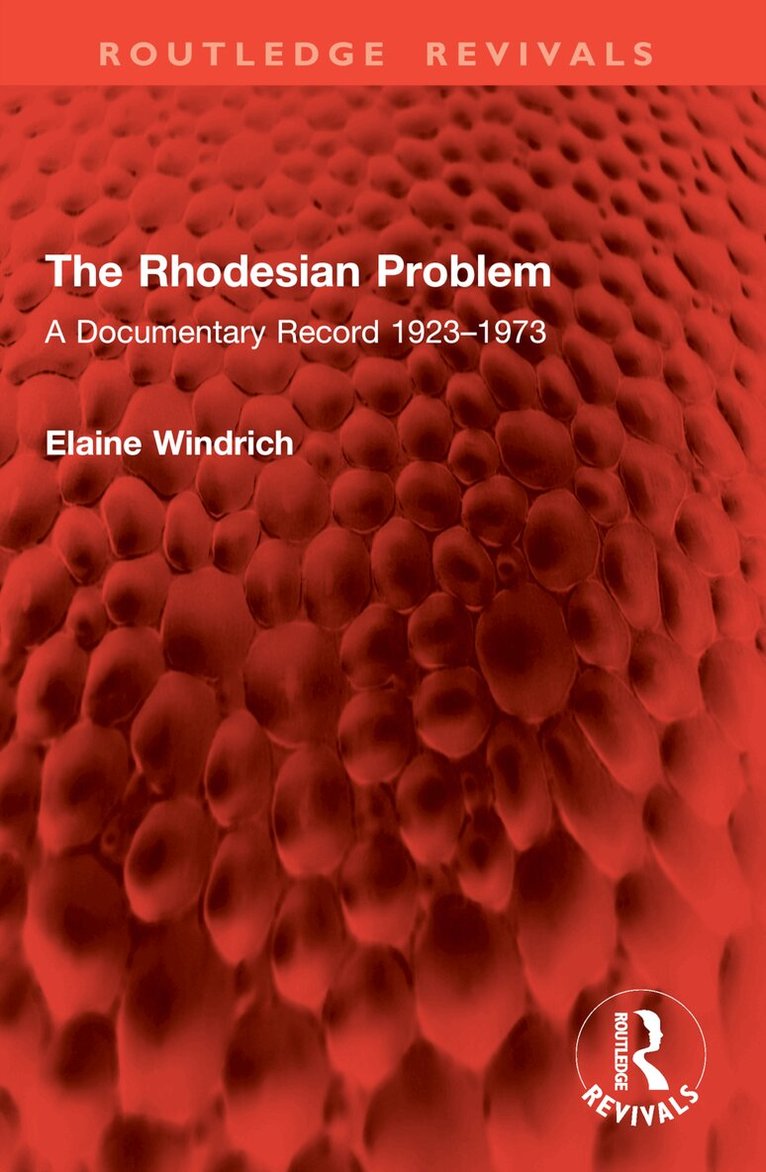
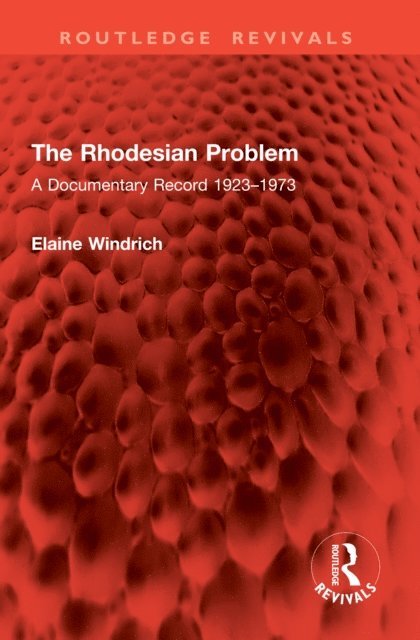
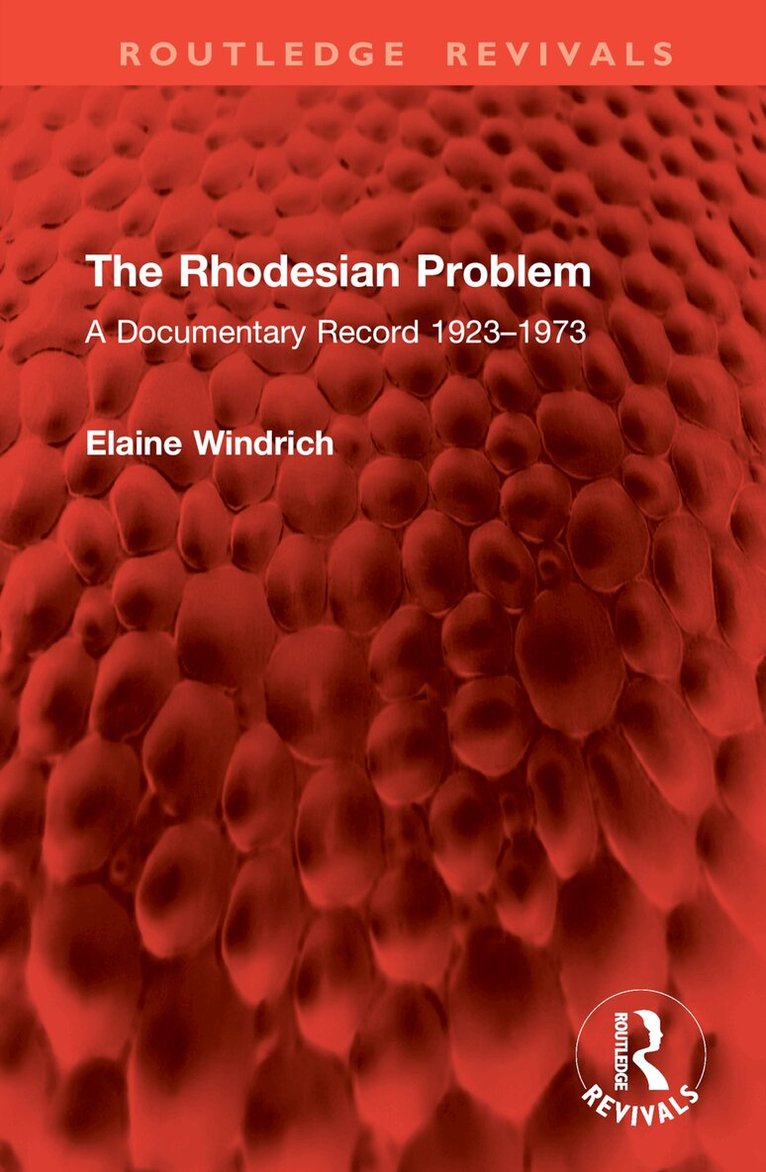
First published in 1975, The Rhodesian Problem presents a documentary record of Rhodesia from the establishment of the Crown colony in 1923 to the illegal declaration of independence in 1965 and the post-independence efforts for a settlement of the conflict. The documents chart the gradual development of conflict between the ruling white minority and the black majority. They illustrate the methods adopted by the Smith government to maintain effective power in the face of United Nations and British government sanctions and increasing opposition from the indigenous black population. The main objectives of Rhodesian policy during the period under review were the achievement of independence from Britain; the expansion to the north to create a ‘greater Rhodesia’ dominion in central Africa, including the wealth of the Copperbelt; and the preservation of a society in which white minority rule was based upon a system of rigid racial segregation.There are over 60 documents, ranging from the Buxton committee report of 1921 through to an estimate of the contemporary situation by Peter Niesewand, the journalist who was imprisoned by the Smith regime in 1973. They cover many shades of opinion including UN resolutions, official Rhodesian government propaganda, and statements from the African opposition, and the collection provides overall a dramatic account of the Rhodesian problem. This book will be of interest to students and researchers of history and international politics.
454 kr
Skickas inom 10-15 vardagar
First published in 1975, The Rhodesian Problem presents a documentary record of Rhodesia from the establishment of the Crown colony in 1923 to the illegal declaration of independence in 1965 and the post-independence efforts for a settlement of the conflict. The documents chart the gradual development of conflict between the ruling white minority and the black majority. They illustrate the methods adopted by the Smith government to maintain effective power in the face of United Nations and British government sanctions and increasing opposition from the indigenous black population. The main objectives of Rhodesian policy during the period under review were the achievement of independence from Britain; the expansion to the north to create a ‘greater Rhodesia’ dominion in central Africa, including the wealth of the Copperbelt; and the preservation of a society in which white minority rule was based upon a system of rigid racial segregation.There are over 60 documents, ranging from the Buxton committee report of 1921 through to an estimate of the contemporary situation by Peter Niesewand, the journalist who was imprisoned by the Smith regime in 1973. They cover many shades of opinion including UN resolutions, official Rhodesian government propaganda, and statements from the African opposition, and the collection provides overall a dramatic account of the Rhodesian problem. This book will be of interest to students and researchers of history and international politics.
1 473 kr
Skickas inom 10-15 vardagar
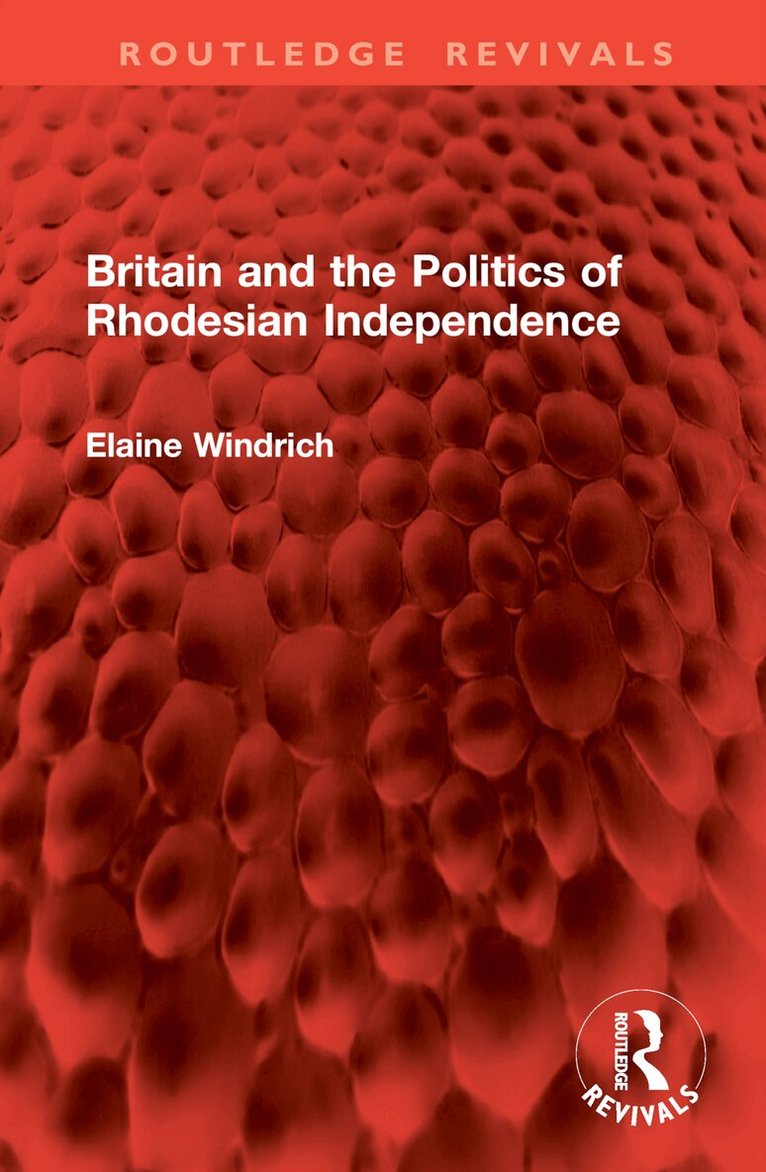
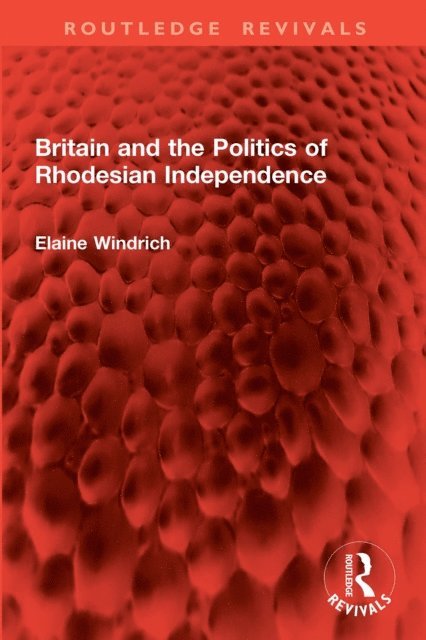
First published in 1978, Britain and the Politics of Rhodesian Independence is a study of British policy towards Rhodesia and an account of the failure of both Labour and Conservative governments to find a satisfactory solution to its ‘decolonization’. The essential bar to a solution was that the British government had, in Rhodesia, responsibility but no power. Force being ruled out, and sanctions ineffective, nothing remained but the diplomacy of detente, while the two sides in Rhodesia itself moved closer and closer to deadlock.This study provides a balanced and clear analysis of the developments essential to an understanding of the events in Rhodesia. Covering the period 1964–77, with an introduction to the issue as it arose in 1962–3, the attitudes of successive British governments are examined and the pressures affecting their responses considered. A concluding section looks at the international repercussions in 1976–7 and the reactions of the United Nations to the situation then. This book will be of interest to students and researchers of history, politics, and international relations.
454 kr
Skickas inom 10-15 vardagar
First published in 1978, Britain and the Politics of Rhodesian Independence is a study of British policy towards Rhodesia and an account of the failure of both Labour and Conservative governments to find a satisfactory solution to its ‘decolonization’. The essential bar to a solution was that the British government had, in Rhodesia, responsibility but no power. Force being ruled out, and sanctions ineffective, nothing remained but the diplomacy of detente, while the two sides in Rhodesia itself moved closer and closer to deadlock.This study provides a balanced and clear analysis of the developments essential to an understanding of the events in Rhodesia. Covering the period 1964–77, with an introduction to the issue as it arose in 1962–3, the attitudes of successive British governments are examined and the pressures affecting their responses considered. A concluding section looks at the international repercussions in 1976–7 and the reactions of the United Nations to the situation then. This book will be of interest to students and researchers of history, politics, and international relations.