Elena Giannoulis - Böcker
Visar alla böcker från författaren Elena Giannoulis. Handla med fri frakt och snabb leverans.
4 produkter
4 produkter
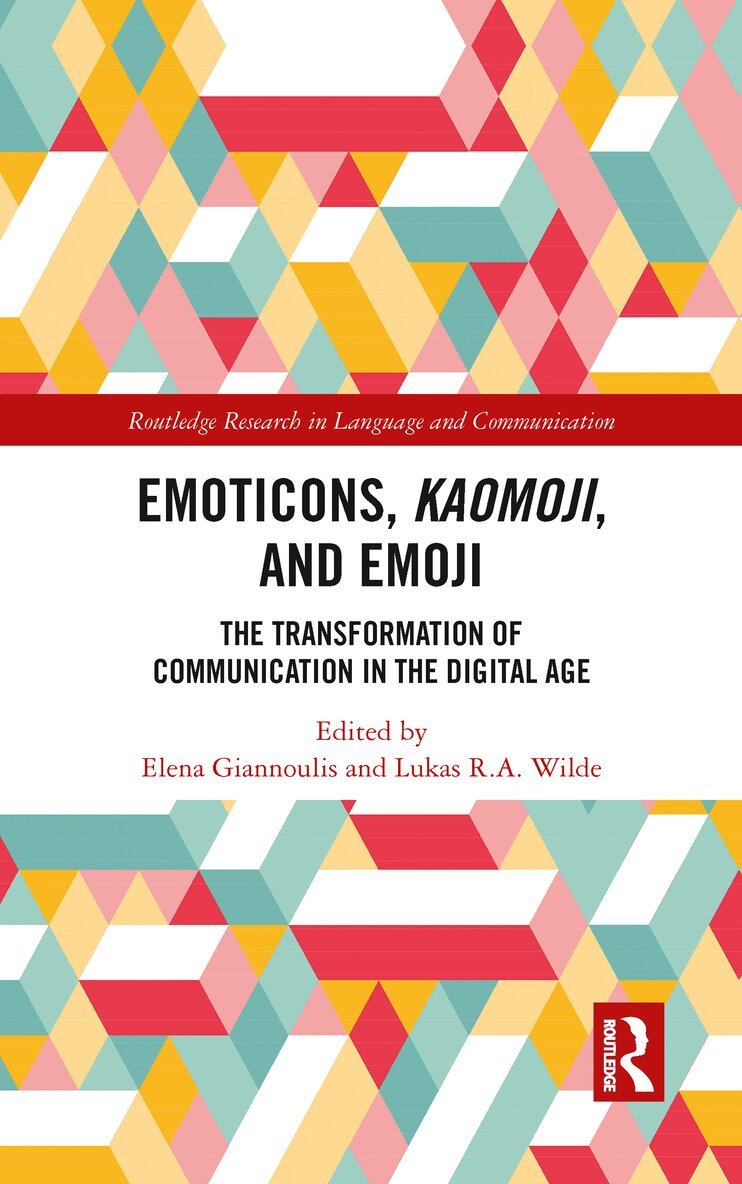
Emoticons, Kaomoji, and Emoji
The Transformation of Communication in the Digital Age
Häftad, Engelska, 2021
658 kr
Skickas inom 10-15 vardagar
This collection offers a comprehensive treatment of emoticons, kaomoji, and emoji, examining these digital pictograms and ideograms from a range of perspectives to comprehend their increasing role in the transformation of communication in the digital age. Featuring a detailed introduction and eleven contributions from an interdisciplinary group of scholars, the volume begins by outlining the history and development of the field, situating emoticons, kaomoji, and emoji – expressing a variety of moods and emotional states, facial expressions, as well as all kinds of everyday objects– as both a topic of global relevance but also within multimodal, semiotic, picture theoretical, cultural and linguistic research. The book shows how the interplay of these systems with text can alter and shape the meaning and content of messaging and examines how this manifests itself through different lenses, including the communicative, socio-political, aesthetic, and cross-cultural. Making the case for further study on emoticons, kaomoji, and emoji and their impact on digital communication, this book is key reading for students and scholars in sociolinguistics, media studies, Japanese studies, and language and communication.
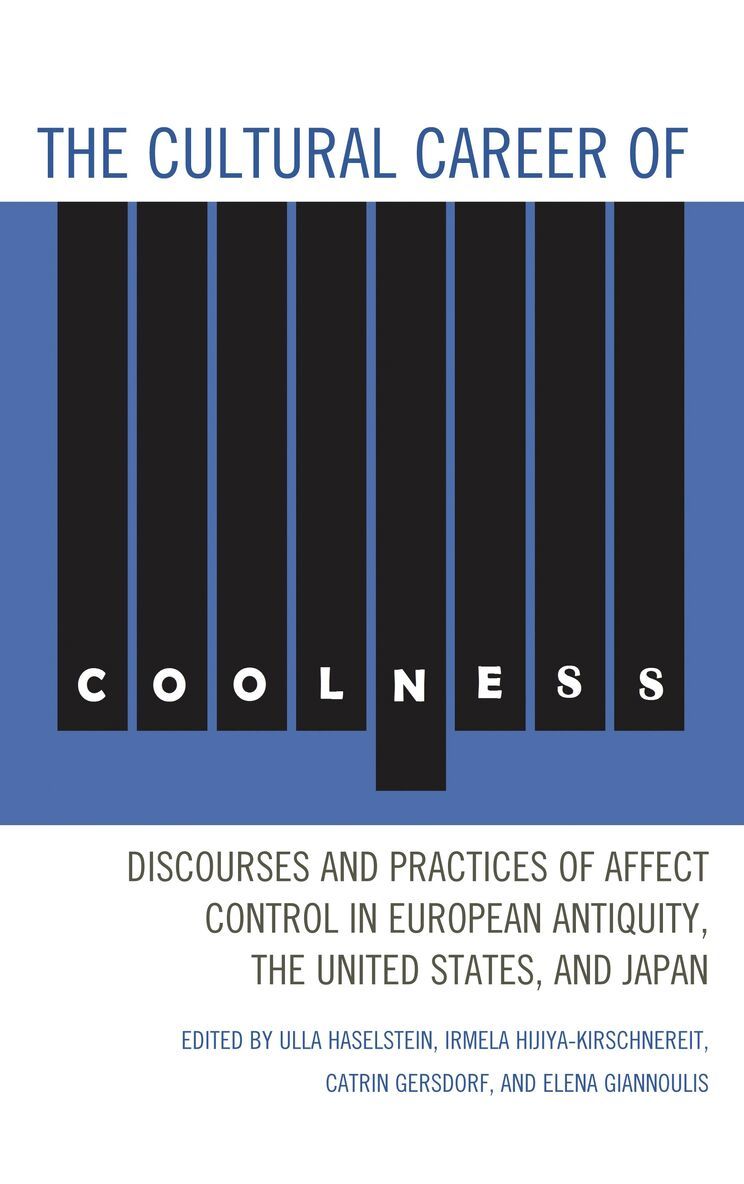
Cultural Career of Coolness
Discourses and Practices of Affect Control in European Antiquity, the United States, and Japan
Inbunden, Engelska, 2013
1 808 kr
Skickas inom 10-15 vardagar
Cool is a word of American English that has been integrated into the vocabulary of numerous languages around the globe. Today it is a term most often used in advertising trendy commodities, or, more generally, in promoting urban lifestyles in our postmodern age. But what is the history of the term “cool?" When has coolness come to be associated with certain modes of contemporary self-fashioning? On what grounds do certain nations claim a privilege to be recognized as “cool?" These are some of the questions that served as a starting-point for a comparative cultural inquiry which brought together specialists from American Studies and Japanese Studies, but also from Classics, Philosophy and Sociology. The conceptual grid of the volume can be described as follows:(1) Coolness is a metaphorical term for affect-control. It is tied in with cultural discourses on the emotions and the norms of their public display, and with gendered cultural practices of subjectivity.(2) In the course of the cultural transformations of modernity, the term acquired new importance as a concept referring to practices of individual, ethnic, and national difference. (3) Depending on cultural context, coolness is defined in terms of aesthetic detachment and self-irony, of withdrawal, dissidence and even latent rebellion. (4) Coolness often carries undertones of ambivalence. The situational adequacy of cool behavior becomes an issue for contending ethical and aesthetic discourses since an ethical ideal of self-control and a strategy of performing self-control are inextricably intertwined. (5) In literature and film, coolness as a character trait is portrayed as a personal strength, as a lack of emotion, as an effect of trauma, as a mask for suffering or rage, as precious behavior, or as savvyness. This wide spectrum is significant: artistic productions offer valid insights into contradictions of cultural discourses on affect-control.(6) American and Japanese cultural productions show that twentieth-century notions of coolness hybridize different cultural traditions of affect-control.
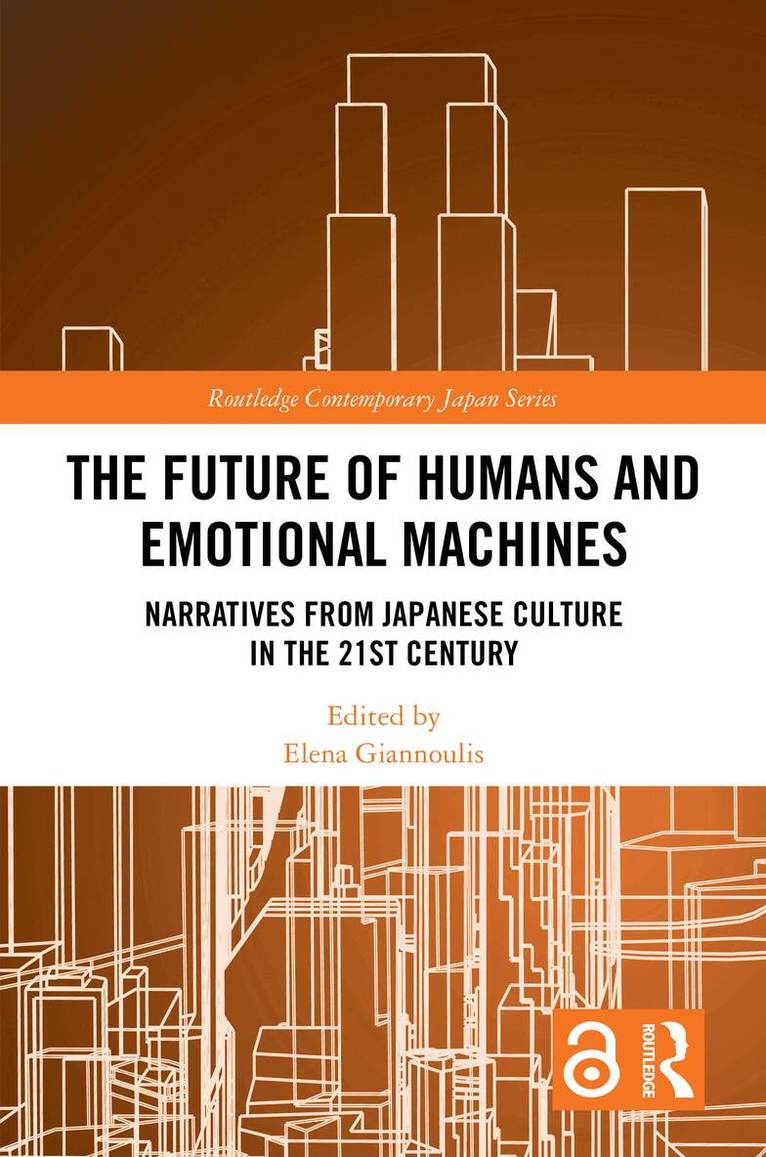
Future of Humans and Emotional Machines
Narratives from Japanese Culture in the 21st Century
Inbunden, Engelska, 2025
2 402 kr
Skickas inom 10-15 vardagar
This book explores human‑machine interaction in Japan, providing a new focus on how and in what form people build affective bonds to new technologies.To gain insights into the feelings, identities, fears, and desires of people in our contemporary society, this book brings together perspectives from Japanese studies, cultural and literary studies, anthropology, robotics, philosophy, and game studies. Through these lenses, it reveals how narratives about machines are not merely reflections of technological capabilities but, when it comes to emotional attachment, are deeply embedded in cultural practices and social values. In addition to discussions by leading scholars in the field from around the world, this book includes two original literary contributions by award‑winning Japanese authors, Yōko Tawada and Kei’ichirō Hirano, as well as interviews with Japanese roboticists, providing readers with the rare opportunity to learn about the motivations and inspirations behind technological advances in human‑machine interaction.Shedding light on the mutual influence of academics, producers, and artists in the field of the attachment to new technologies and encouraging a dialogue between them, this book will be a valuable resource for scholars and students of Japanese studies, cultural and literary studies, and anthropology.The Open Access version of this book, available at http://www.taylorfrancis.com, has been made available under a Creative Commons Attribution-Non Commercial-No Derivatives (CC BY-NC-ND) 4.0 license.
Emoticons, Kaomoji, and Emoji
The Transformation of Communication in the Digital Age
Inbunden, Engelska, 2019
2 088 kr
Skickas inom 10-15 vardagar
This collection offers a comprehensive treatment of emoticons, kaomoji, and emoji, examining these digital pictograms and ideograms from a range of perspectives to comprehend their increasing role in the transformation of communication in the digital age. Featuring a detailed introduction and eleven contributions from an interdisciplinary group of scholars, the volume begins by outlining the history and development of the field, situating emoticons, kaomoji, and emoji – expressing a variety of moods and emotional states, facial expressions, as well as all kinds of everyday objects– as both a topic of global relevance but also within multimodal, semiotic, picture theoretical, cultural and linguistic research. The book shows how the interplay of these systems with text can alter and shape the meaning and content of messaging and examines how this manifests itself through different lenses, including the communicative, socio-political, aesthetic, and cross-cultural. Making the case for further study on emoticons, kaomoji, and emoji and their impact on digital communication, this book is key reading for students and scholars in sociolinguistics, media studies, Japanese studies, and language and communication.